In Malaysia, there is a traditional harvest celebration observed every year by indigenous communities in the state of Sabah. The festival is widely known as Tadau Kaamatan. It is primarily celebrated by the Kadazan-Dusun ethnic group as an expression of gratitude for a successful rice harvest.
The word Kaamatan originates from the Kadazan-Dusun root word tomot which means to harvest. Locally, district-level celebrations take place throughout the month of May. The state-level finale specifically falls on May 30 and May 31 in the Penampang district.
The Famine Story Behind the Harvest Festival
According to traditional Kadazan-Dusun beliefs known as Momolianism, the festival originated from a severe famine on earth. Long ago, the land became barren and failed to produce crops for survival. Extreme hunger spread across the region due to the prolonged food shortage.
Seeing this crisis, the creator deity Kinoingan and his wife Suminundu decided to intervene. They possessed a single daughter named Huminodun who willingly offered herself to save humanity from extinction. Her sacrifice became the central turning point in the traditional narrative.
Following her sacrifice, parts of Huminodun's body were scattered and buried across the barren soil. Shortly afterward, various food plants began to sprout from the ground for the first time. Among those new crops, rice grew abundantly and provided immediate sustenance for the starving population.
The Kadazan-Dusun ethnic group believes that the spirit of Huminodun resides within the rice plant. Different local dialects refer to this sacred rice spirit as Bambaazon or Bambarayon. Honoring this spirit after every harvest season subsequently developed into the Tadau Kaamatan tradition.
How the Kadazan-Dusun People Celebrate Tadau Kaamatan
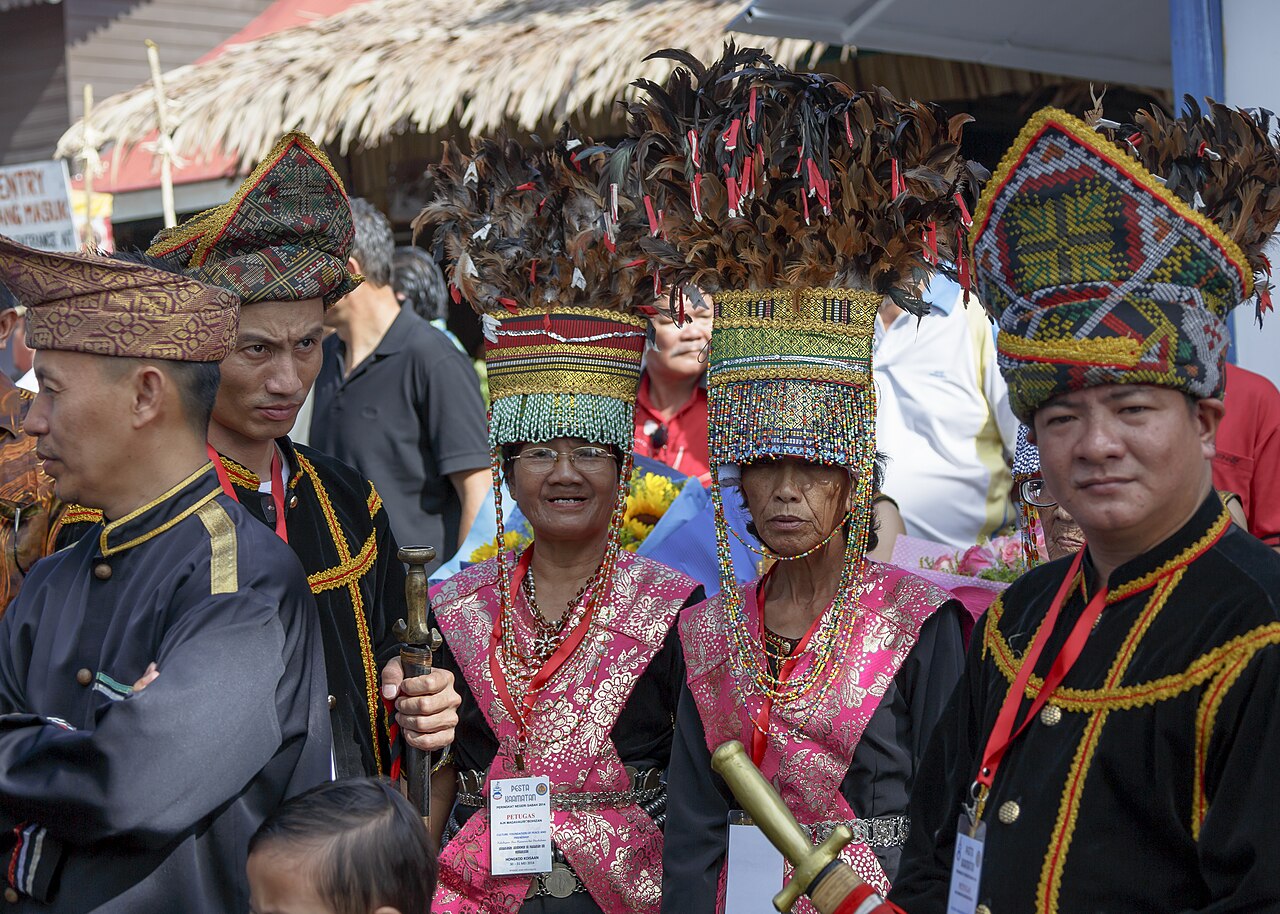
During the celebration, spiritual rituals are led by traditional ritual specialists called Bobohizan. Most Bobohizan are elderly women who preserve ancient chants and customary knowledge. They perform specific ceremonies to maintain harmony between humans and the spiritual realm.
One of the core ceremonies performed by the Bobohizan is a ritual called Magavau. Through Magavau, the ritual leaders invite the rice spirit Bambaazon to return safely from the fields to the storage barns. The ceremony serves as a formal gesture of respect for the harvested grains.
In addition to spiritual rituals, the festival features traditional music and folk dances. Dancers wear black traditional attire trimmed with gold embroidery while performing the Sumazau. The dance movements imitate the graceful flight of eagles accompanied by the rhythmic beats of hanging gongs. Traditional instrumental music is also played on bamboo mouth organs called sompoton throughout the festival grounds.
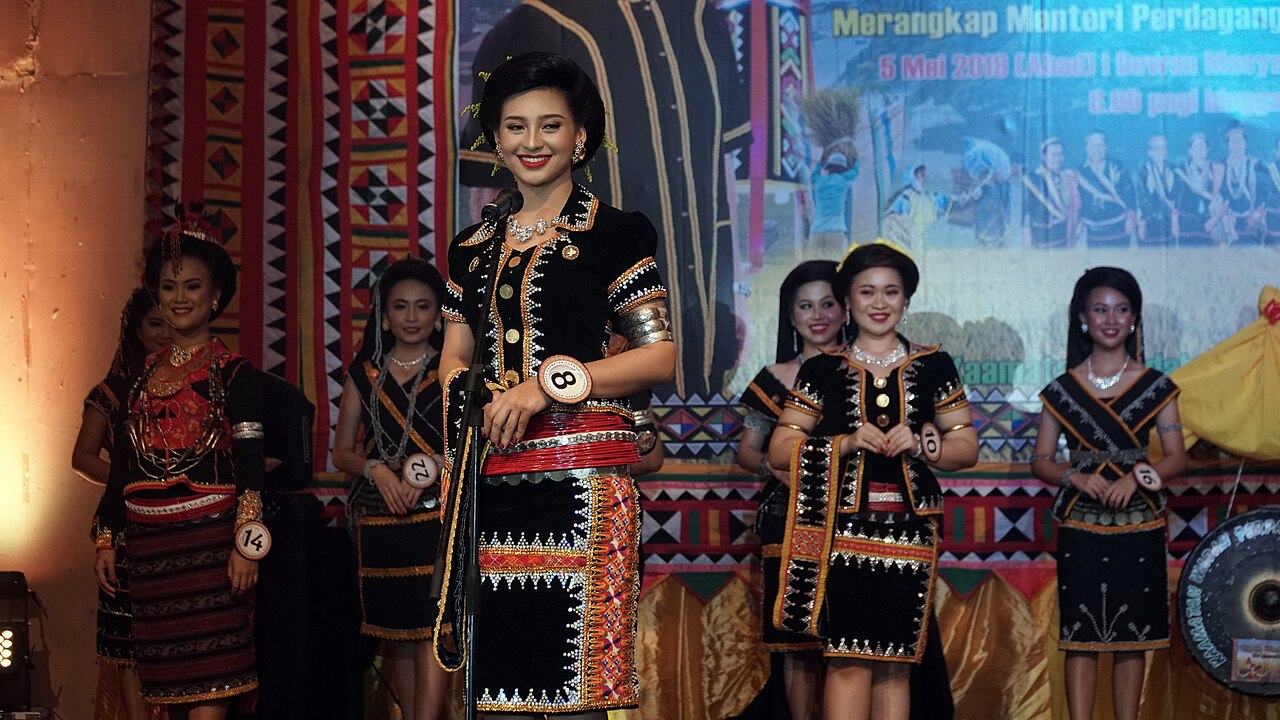
Beyond music and dance, the celebration includes a cultural pageant known as Unduk Ngadau. The pageant commemorates the selflessness and beauty of Huminodun in the ancestral legend. Participants from different districts compete by demonstrating their knowledge of Kadazan-Dusun language and cultural heritage.
Tadau Kaamatan as an Official Public Holiday in Sabah
Over time, Tadau Kaamatan transitioned from a village harvest ritual into a state-level observance. In 1960, the festival was officially gazetted as a public holiday in what was then North Borneo. The recognition followed a proposal by prominent Kadazan leader Donald Stephens who was later known as Tun Fuad Stephens.
Following the official recognition, state-level celebrations became centralized at a permanent cultural venue. Today, the main closing ceremony is hosted annually at Hongkod Koisaan in the Penampang district. Hongkod Koisaan serves as the headquarters of the Kadazan-Dusun Cultural Association.
During the two-day public holiday, government offices and schools across Sabah close for the festivities. The venue at Hongkod Koisaan hosts traditional sports, culinary exhibitions, and the final round of Unduk Ngadau.