More than two million Toyota Kijang units have rolled out of Indonesian factories, and the supplier network behind them grew from eight companies at launch to 139. The model began as a basic pickup truck under a name that means deer.
Many Indonesians read the name another way, as Kerja Sama Indonesia-Jepang, or Indonesia-Japan Cooperation. Toyota has not confirmed that expansion, but the phrase points to the industrial partnership behind the model, which emerged in the 1970s as Indonesia built its domestic automotive industry with Japanese manufacturers.
Born From a Local Industry Push
In the 1970s, Indonesia's government introduced policies to encourage the production of affordable commercial vehicles for transportation and trade, aiming to reduce the country's dependence on imports.
Toyota responded with the Basic Utility Vehicle (BUV) concept, a low-cost, versatile vehicle designed for developing markets and built around local manufacturing and component production.
On June 9, 1977, PT Toyota-Astra Motor launched the Kijang in Indonesia. The company had been formed in 1971 through cooperation between Toyota and Astra. The first-generation Kijang was a pickup with a basic body structure and limited comfort features, used mainly to haul goods and support small businesses.
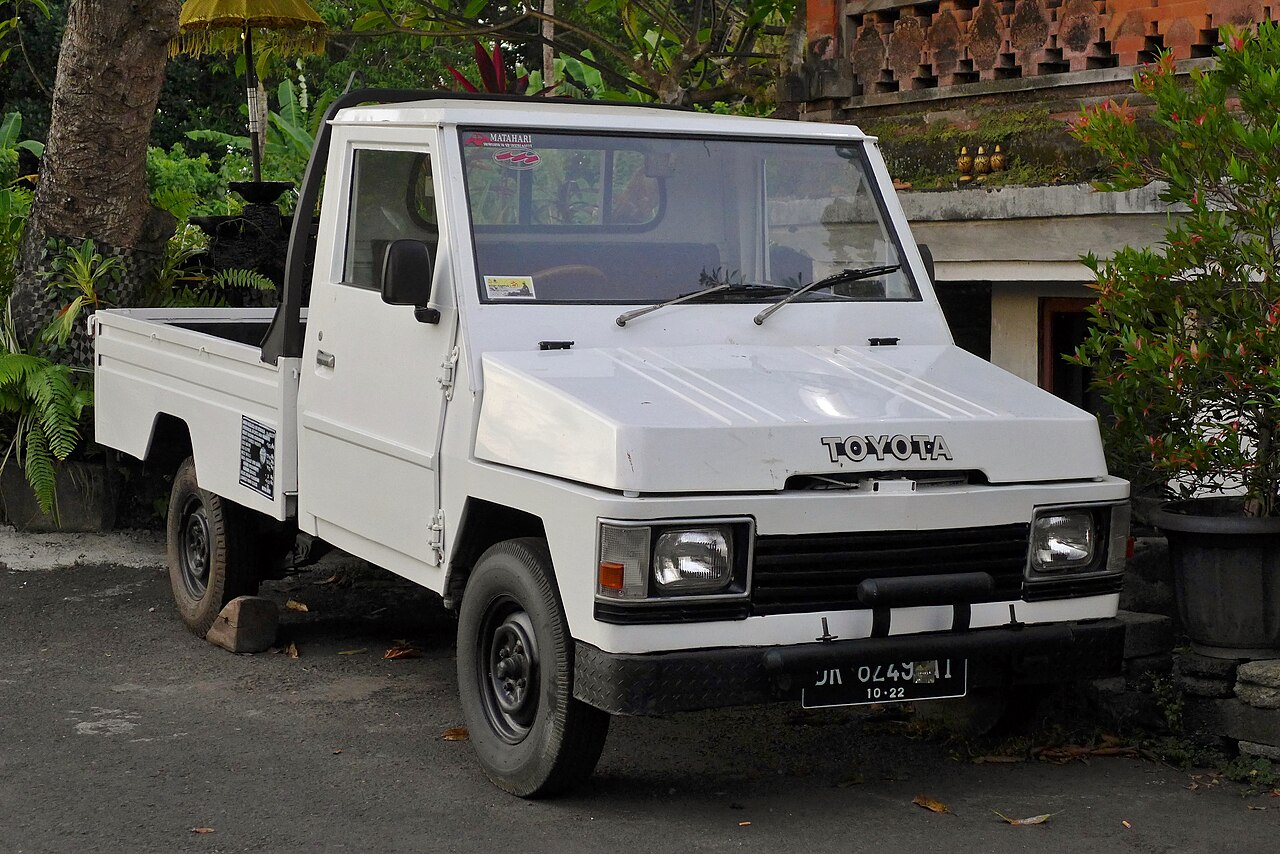
Toyota's official documentation identifies Kijang as the Indonesian word for deer, not an acronym, and the animal was considered suitable for a vehicle meant to be agile and versatile. Even so, the reading Kerja Sama Indonesia-Jepang spread widely in Indonesia.
The phrase is not the official origin of the name, but it points to the cooperation between Indonesian businesses and Japanese automotive technology behind the vehicle.
Toyota's Indonesian Footprint
The Kijang project went beyond bringing a Japanese-designed vehicle to the Indonesian market and was tied to the expansion of domestic manufacturing capabilities.
Toyota built its industrial presence in Indonesia in stages. PT Multi Astra was established in 1973 as an assembly facility, and PT Toyota Mobilindo followed in 1976 to manufacture vehicle body components. The first Kijang entered production in 1977. PT Toyota Engine Indonesia was established in 1982 and began operations in 1985.
| Year | Milestone |
|---|---|
| 1973 | PT Multi Astra established as an assembly facility |
| 1976 | PT Toyota Mobilindo established to manufacture body components |
| 1977 | First Kijang enters production |
| 1982 | PT Toyota Engine Indonesia established |
| 1985 | PT Toyota Engine Indonesia begins operations |
| 1989 | Four Toyota-related companies consolidated into PT Toyota-Astra Motor |
These steps moved Toyota's activities from importing and assembling vehicles to producing components and engines locally. In 1989, four Toyota-related companies in Indonesia were consolidated into PT Toyota-Astra Motor, which gave the company a more integrated structure for manufacturing and distribution.
Seven Generations in 45 Years
Indonesia's economy and consumer preferences shifted over the years, and the Kijang changed from a commercial vehicle into a family car.
The second generation, introduced in 1981, improved on the original model. The third-generation Kijang Super arrived in 1986 with a more modern body structure and improved production technology. In 1997, Toyota introduced the fourth-generation Kijang, known as the Kijang Kapsul for its rounded design, which reflected rising demand for passenger vehicles with more comfort.
In 2004, the fifth-generation Kijang Innova arrived. It was developed under Toyota's Innovative International Multi-purpose Vehicle (IMV) project and used a body-on-frame chassis with rear-wheel drive.
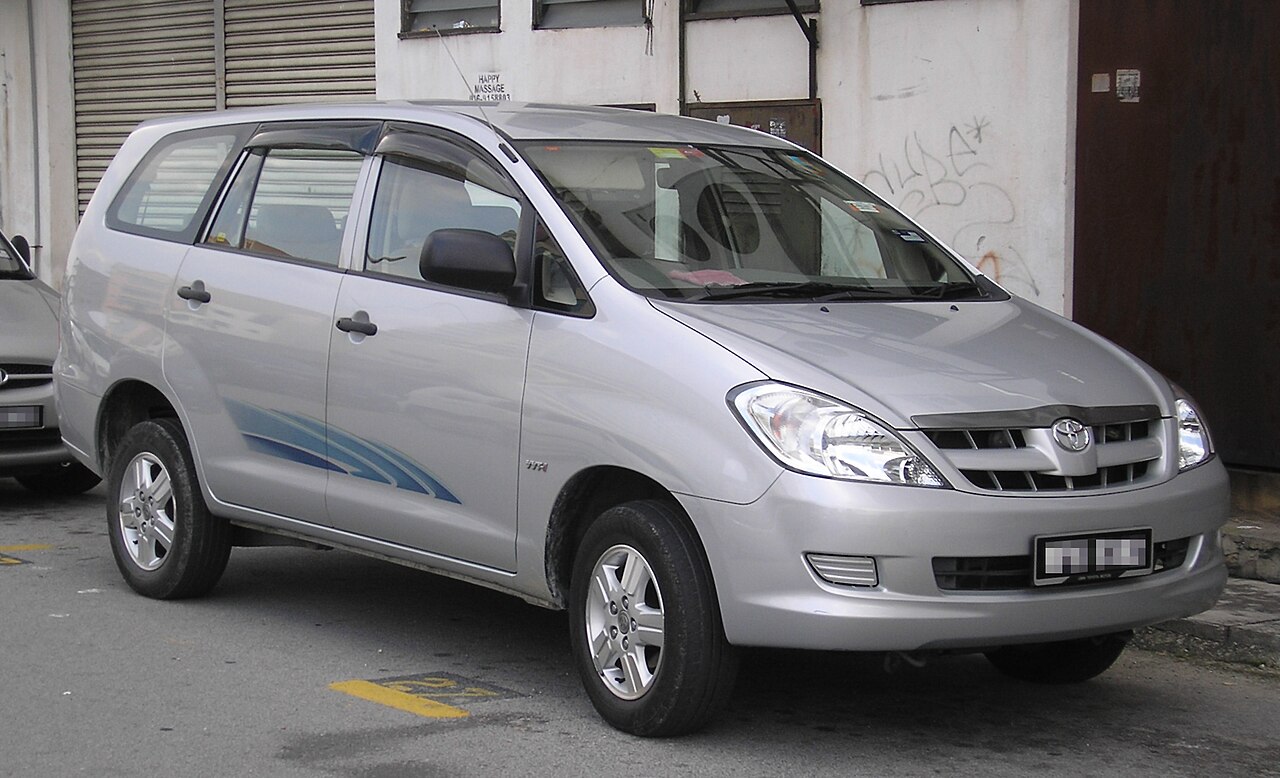
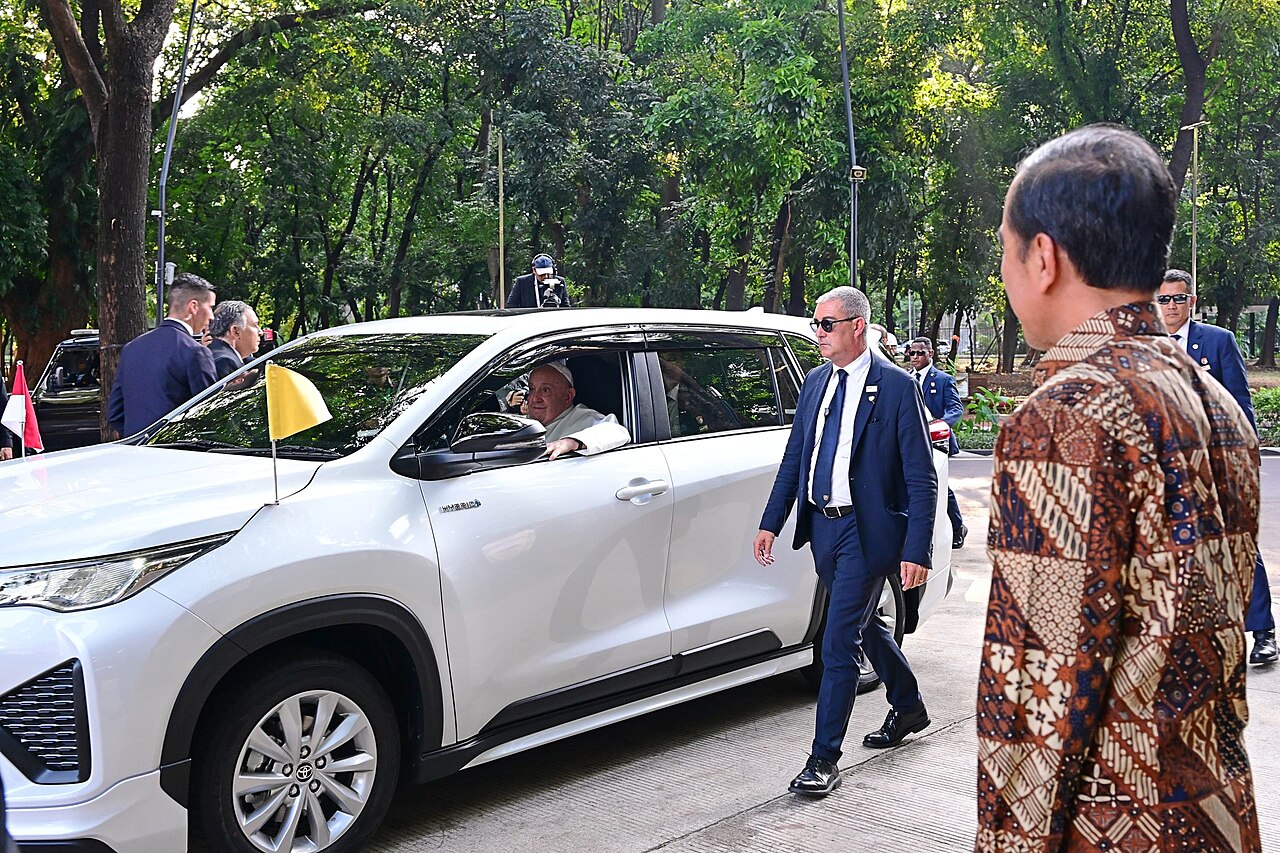
The Reborn generation followed in 2015 on the same layout. The seventh generation, the Innova Zenix, arrived in 2022 on Toyota's TNGA GA-C platform, which uses a monocoque body and front-wheel drive, and it introduced gasoline and hybrid powertrain options.
| Generation | Year | Model | Key change |
|---|---|---|---|
| 1st | 1977 | Kijang (KF10) | Basic commercial pickup |
| 2nd | 1981 | Kijang | Improvements to the original model |
| 3rd | 1986 | Kijang Super | More modern body structure and improved production technology |
| 4th | 1997 | Kijang Kapsul | Rounded design, more passenger comfort |
| 5th | 2004 | Kijang Innova | IMV platform, body-on-frame, rear-wheel drive |
| 6th | 2015 | Innova Reborn | Same IMV body-on-frame, rear-wheel-drive layout |
| 7th | 2022 | Innova Zenix | TNGA GA-C monocoque, front-wheel drive, gasoline and hybrid options |
Local Content Hits 85 Percent
Toyota Indonesia reported that domestic content in the Kijang rose from 19 percent in the first generation to 85 percent in the Reborn generation introduced in 2015.
At the 2022 launch of the Innova Zenix, Toyota Indonesia officials reported 85 percent for the gasoline version and 60 to 65 percent for the hybrid, which still relied on imported engines and most battery components.
| Generation | Model | Domestic content |
|---|---|---|
| 1st | Kijang | 19% |
| 2nd | Kijang | 30% |
| 3rd | Kijang Super | 40% |
| 4th | Kijang Kapsul | 53% |
| 5th | Kijang Innova (first Innova) | 80% |
| 6th | Innova Reborn (2015) | 85% |
| 7th | Innova Zenix gasoline (2022) | 85% |
| 7th | Innova Zenix hybrid (2022) | 60% to 65% |
The Ministry of Industry later cited 70 percent local content for the Zenix hybrid units exported in February 2023.
Toyota also reported that the number of local suppliers involved in Kijang production grew from eight companies in 1977 to 139 companies at the 40th-anniversary assessment in 2017. Indonesian suppliers took on a larger share of component supply and manufacturing support, which extended the production network outside Toyota's own facilities.
Brunei Started the Export Run
Toyota's exports from Indonesia began in 1987 with the third-generation Kijang Super, shipped to Brunei at about 50 units a month. Early shipments also reached Papua New Guinea and Pacific island countries. The Kijang Super carried 40 percent domestic content at the time.
| Year | Milestone |
|---|---|
| 1987 | First export, the third-generation Kijang Super to Brunei, at about 50 units a month |
| 2003 | Cumulative Kijang production reaches one million units |
| 2004 | Kijang Innova exports to other Asian markets begin |
| 2018 | Cumulative production passes two million units |
| 2023 | Innova Zenix exports begin in February |
Toyota announced in 2003 that the Kijang had become the first vehicle in Indonesia to reach one million units of production. The Innova Zenix hybrid units shipped from February 2023 carried 70 percent local content, according to the Ministry of Industry.