Thailand's armed forces trace their roots to the Ayutthaya Kingdom, founded in 1351, but a centralized command only arrived on April 8, 1887, when the Department of Military Operations brought the army and navy under one structure.
In between came more than five centuries of royal army reorganizations, compulsory service under King Ramathibodi II, and Portuguese-introduced firearms and fortification techniques.
The modern force took shape through reforms under the Chakri monarchy, partly driven by British-controlled Burma to the west and French-controlled territories expanding across Indochina. It now consists of three branches, the Royal Thai Army, Navy, and Air Force, with the Air Force becoming the third on April 9, 1937.
Conscription and Cannons in Ayutthaya
The Ayutthaya Kingdom lasted from 1351 to 1767, and its kings reorganized the army repeatedly during that time.
According to Thailand: A Country Study, published by the United States Library of Congress, King Trailok (1448-1488) introduced administrative divisions that helped improve the organization of his army. His successor, King Ramathibodi II (1491-1529), further reorganized military forces and introduced compulsory military service.
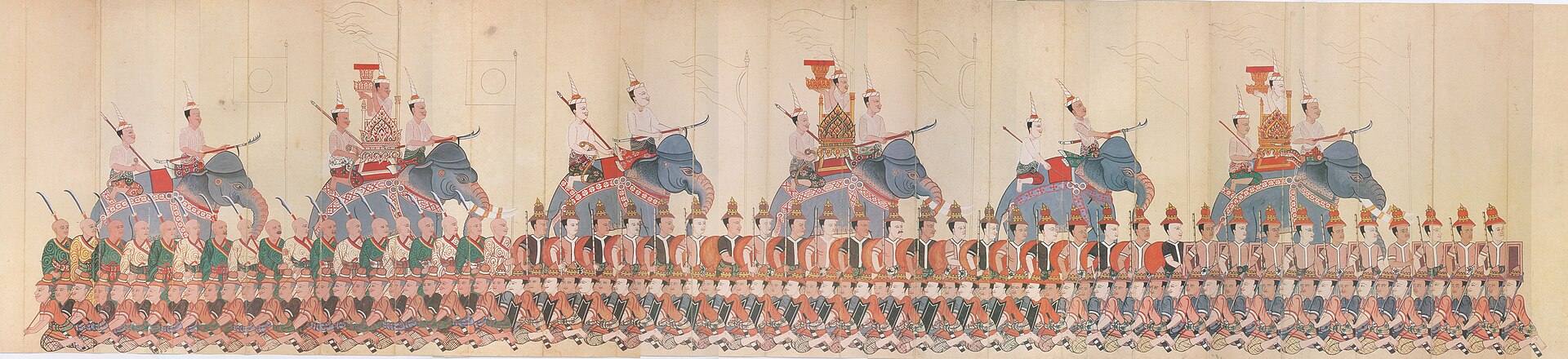
By the early 16th century, Portuguese traders and mercenaries had brought firearms and European military knowledge to the kingdom, including bronze cannon production and improved fortification construction.
Modernization began much later, under King Mongkut (Rama IV) and his successor, King Chulalongkorn (Rama V).
A Department in 1887, a Ministry by 1894
King Mongkut, who ruled from 1851 to 1868, initiated early efforts to modernize Siam's military capabilities. His successor, Chulalongkorn, introduced Western military practices, established military and naval cadet schools, and brought in foreign military advisers.
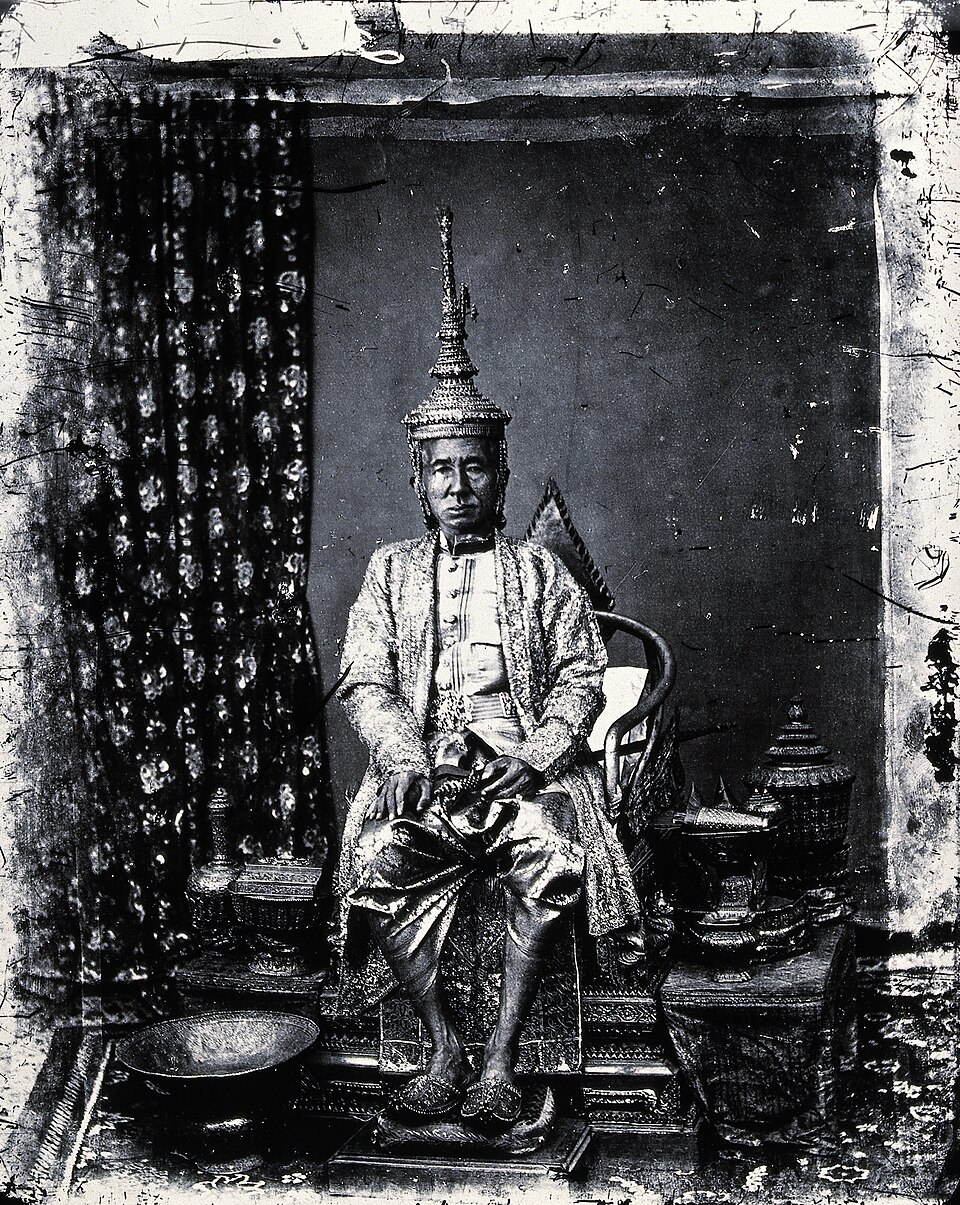
The reforms were partly driven by the growing presence of European colonial powers in Southeast Asia. With British-controlled Burma to the west and French-controlled territories expanding across Indochina, Siam faced increasing pressure to strengthen its administration and military capabilities.
On April 8, 1887, the Department of Military Operations was established to bring the army and navy under a centralized command structure. The organization was elevated to ministerial status on April 1, 1890, according to the Thai Ministry of Defence. The Library of Congress's Thailand: A Country Study, however, identifies 1894 as the establishment of the Ministry of Defense.
A Council in 1912, an Air Force in 1937
Under King Vajiravudh (Rama VI), who ruled from 1910 to 1925, Thailand established a National Defense Council in 1912, bringing together military and civilian officials.
In 1918, Siam sent an expeditionary contingent of military personnel to France to contribute to the Allied war effort in World War I. Its participation also helped Siam pursue more favorable diplomatic relations with European powers after the war.
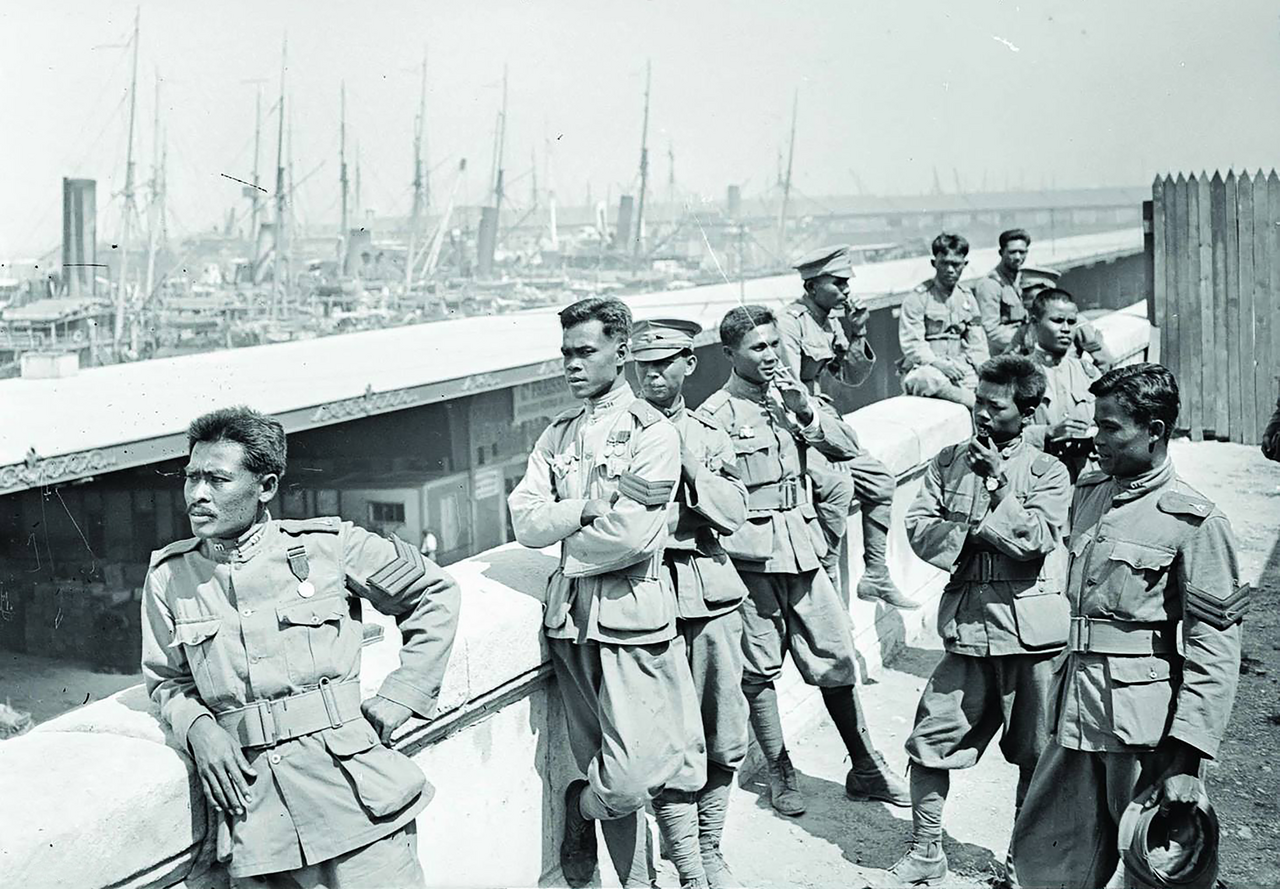
Read here: Thailand Was the Only Southeast Asian Country to Join WWI
In 1931, the army and navy were brought together under the Ministry of Defence. On April 9, 1937, the military aviation department was elevated into the Royal Thai Air Force, completing the three main service branches. The Royal Thai Armed Forces now consist of the Royal Thai Army, Royal Thai Navy, and Royal Thai Air Force, alongside their respective supporting commands.
18 Coup Episodes and a US$6 Billion Budget
On June 24, 1932, a group of civilian officials and military officers staged a bloodless coup that ended the country's absolute monarchy and established a constitutional system. Military interventions followed in 1947, 1957, 1976, 1991, 2006, and 2014.
Paul Chambers' book Praetorian Kingdom: A History of Military Ascendancy in Thailand, published by the ISEAS - Yusof Ishak Institute, documents 18 overt and silent coup episodes between 1932 and 2023, of which 14 were overt and four were silent.
Read here: Thailand Has Had 20 Constitutions Since 1932. Why So Many?
According to the United States International Trade Administration, Thailand allocated approximately 1% of its GDP to defense in 2025, with an estimated annual defense budget of around US$6 billion. The Royal Thai Army received approximately 48% of the allocation, followed by the navy with 21% and the air force with 18%.
The government has also emphasized military modernization, domestic defense production, and technological development to reduce reliance on foreign equipment.
In July 2026, Prime Minister Anutin Charnvirakul outlined six defense priorities for the armed forces, according to Thailand's Government Public Relations Department, including improving military readiness, strengthening border security, developing domestic defense industries, and expanding voluntary military service as a potential long-term alternative to compulsory conscription.
References
LePoer, B. L. (1989). Thailand: A country study. Federal Research Division, Library of Congress. http://www.public-library.uk/dailyebook/Thailand%20-%20a%20country%20study.pdf
Chambers, P. (2024). Praetorian kingdom: A history of military ascendancy in Thailand. ISEAS - Yusof Ishak Institute. https://bookshop.iseas.edu.sg/publication/7927