


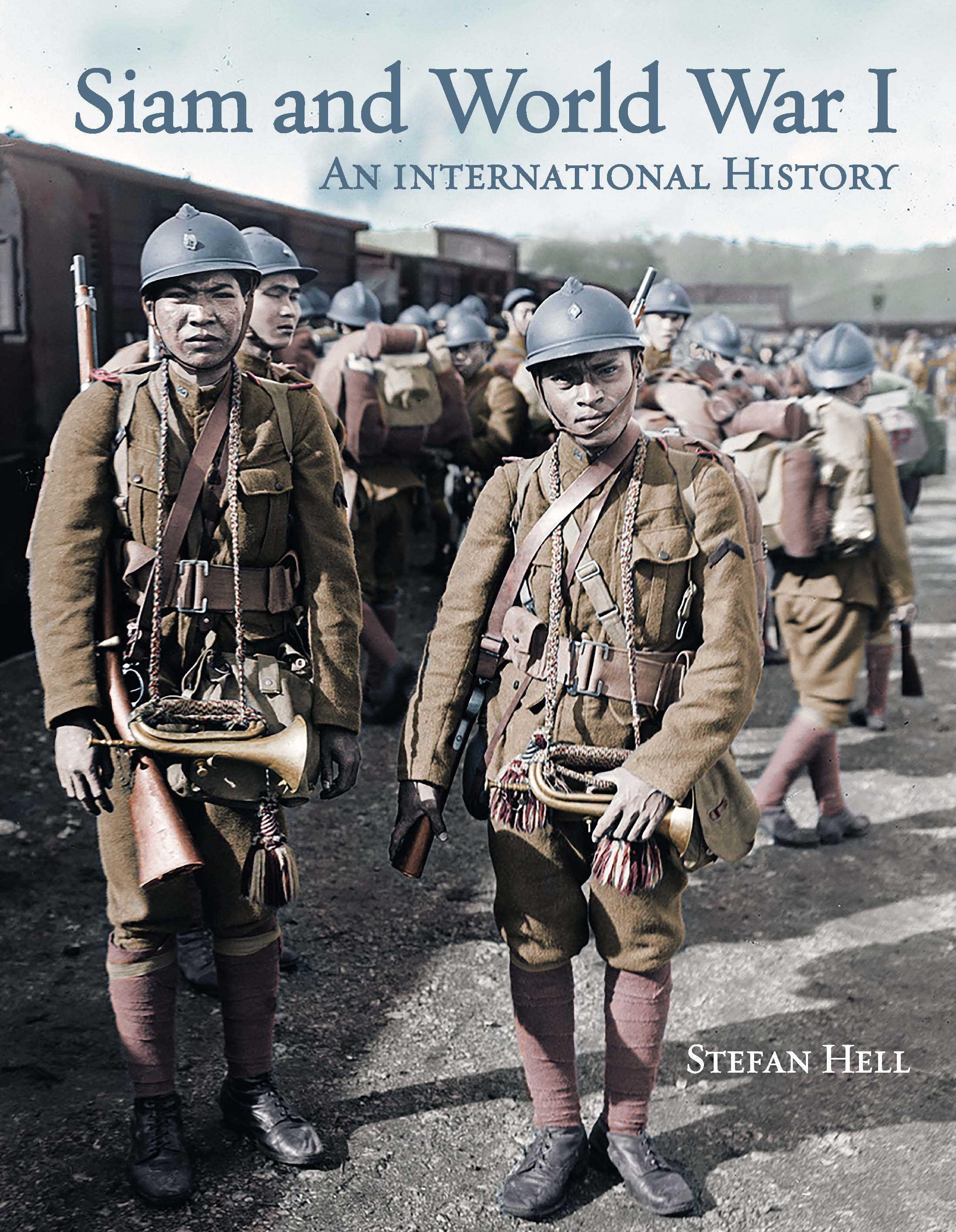
On July 14, 1919, soldiers from across the Allied nations marched past the Arc de Triomphe in Paris to celebrate victory in World War I. Among them were more than 1,000 soldiers from Siam, the country now known as Thailand, thousands of kilometers away from the European battlefields.
Their presence carried a special significance. According to historian Stefan Hell, the Siamese troops marched under their own flag and command.
They were the only contingent of combatants from an independent Southeast Asian country to take part in the war in Europe. Yet despite being sent to support the Allies, the Siamese soldiers never actually fought German troops in battle.
Why Did Siam Join the War?
When World War I broke out in 1914, Siam did not immediately get involved. By 1917, however, the government of King Vajiravudh, or Rama VI, began taking a position on the conflict.
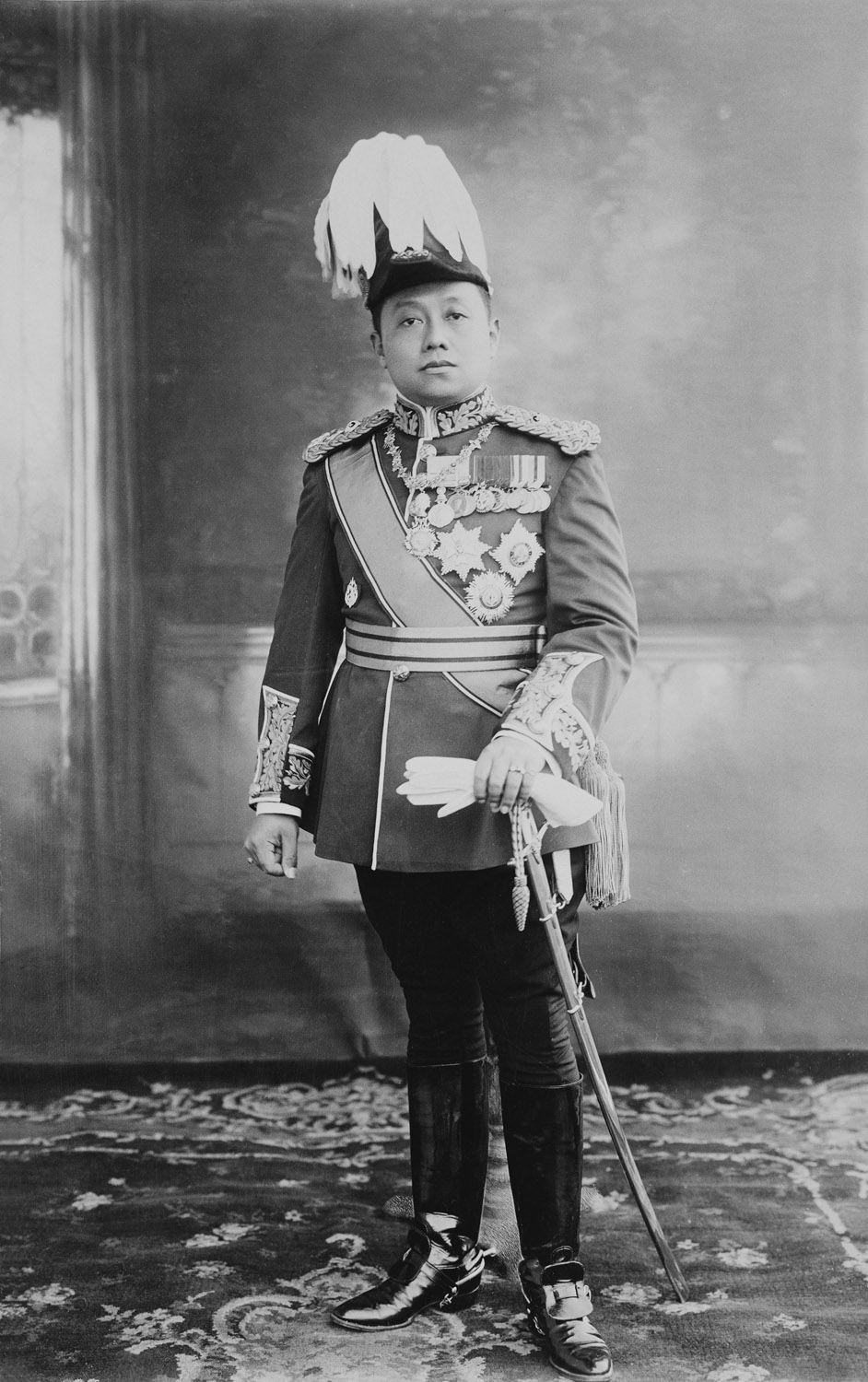
One trigger was Germany’s announcement of unrestricted submarine warfare in February 1917, a policy that allowed German submarines to attack ships without warning.
Siam subsequently chose to join the Allied camp, the group of countries fighting Germany and its allies. On July 22, 1917, Siam formally declared war on Germany and Austria-Hungary.
The government began by seizing nine German ships in Siamese ports and detaining around 300 enemy nationals. Two months later, on September 21, 1917, King Rama VI ordered the Minister of War to open recruitment for volunteers to be sent to Europe.
According to historian Keith Hart, the response was substantial. All regular soldiers volunteered, while thousands of civilians also expressed their willingness to join.
Siam eventually assembled a contingent of motor transport personnel, medical staff, and aviators to support the Allied war effort.
Bound for Europe, but Not Everyone Was Ready to Fight
To deploy its troops in Europe, Siam reached an agreement with France, one of the Allies’ major powers on the Western Front.
Siam covered the transportation costs, while France supplied equipment and food, with the expenses to be billed later. The Siamese soldiers themselves wore khaki uniforms resembling those of the British Army.
The Siamese contingent departed Bangkok on June 19, 1918, and arrived in Marseille, France, on July 30. Sources differ on its size, placing the number of personnel between 1,200 and 1,300.
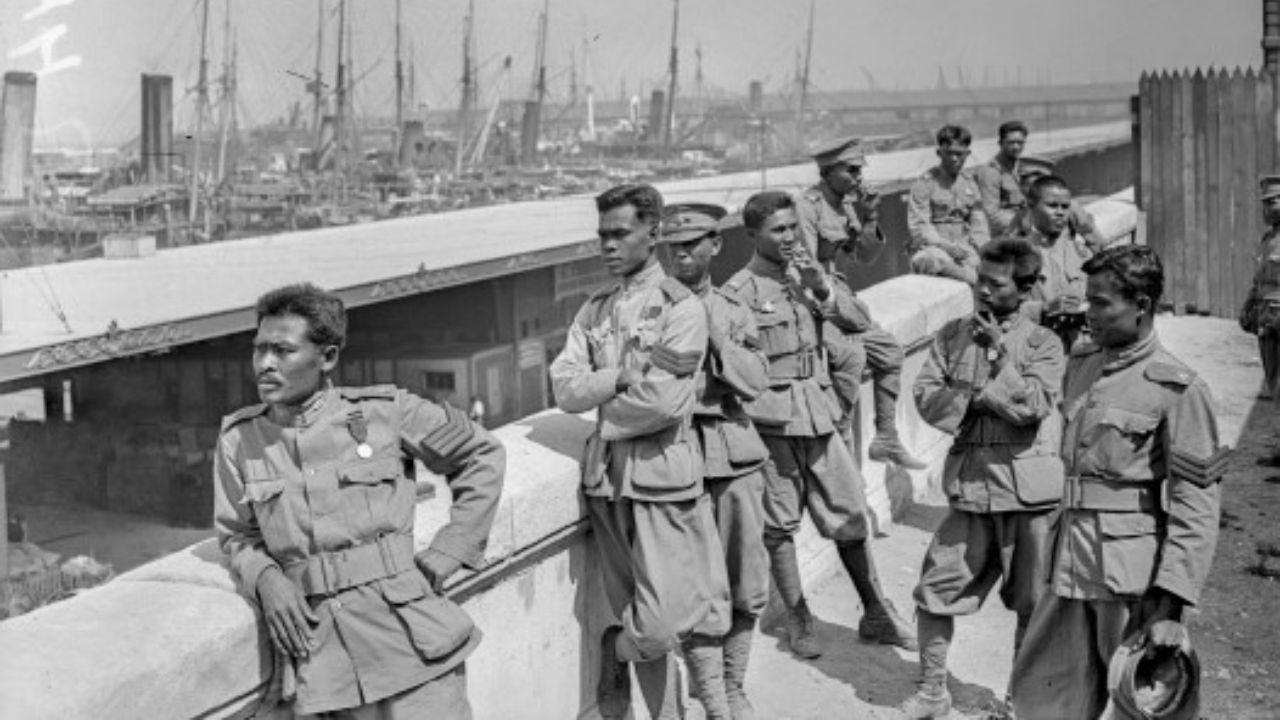
Once in Europe, the troops still needed to prepare for their assignments. The motor transport and medical corps underwent brief training before being sent to the front to assist Allied forces.
In late October 1918, motor transport personnel were dispatched to deliver supplies to French troops in an area under heavy artillery fire. In recognition of their service, France awarded the Croix de Guerre to their unit's flag.
Meanwhile, the Siamese aviation unit, which included around 370 personnel and 113 pilots, was still undergoing further training. When the armistice took effect on November 11, 1918, their training remained unfinished, preventing them from taking part in aerial combat.
As a result, Siam's contribution on the European front came primarily through transport and medical support.
Nineteen Soldiers Never Returned
The end of the fighting did not bring all Siamese troops home immediately. Some members of the motor transport corps were stationed alongside Allied occupation forces in Germany, including in Neustadt on the left bank of the Rhine.
During their service, 19 members of the contingent died. Two had died in Bangkok while still training for deployment.
Of the 17 who died in Europe, nine died in France and eight in Germany. Most of the deaths were attributed to the Spanish flu, according to research by Khwanchai Phusrisom and Stephen Martin.
The aviators returned to Bangkok on May 1, 1919, while the motor transport corps arrived on September 21. In between those dates, Siamese soldiers took part in the Allied victory parade in Paris on July 14. The medical personnel did not join them because they were still on duty.
King Rama VI subsequently awarded the Order of Rama to the troops. The ashes of the 19 who died were laid to rest at the base of the Volunteer Monument in Sanam Luang, Bangkok, on September 24, 1919. The monument was inaugurated on July 22, 1921, exactly four years after Siam declared war.
From the Battlefield to the Diplomatic Table
For Siam, involvement in World War I brought benefits beyond military service. The country gained a place alongside the victorious powers at the Paris Peace Conference.
Two Siamese princes signed the Treaty of Versailles on June 28, 1919, and Siam was subsequently admitted as a founding member of the League of Nations.
Participation in the war helped Siam strengthen its standing as an independent state in an international order still dominated by European colonial powers.
In 2019, historian Gregory Raymond described military power as “a passport of sovereignty, a membership card of the family of nations.”
International recognition, however, did not immediately eliminate unequal relations between Siam and Western powers. Germany was forced to relinquish its rights under unequal treaties with Siam, but Britain and France were not yet willing to do the same.
Siam continued negotiating bilateral agreements, including with the United States, which signed a revised treaty on December 16, 1920.


