Thailand was never colonized by a foreign power, but it has had plenty of trouble from within. Military coups have repeatedly changed who runs the country, and they have often brought a new constitutional order with them.
Since the end of absolute monarchy in 1932, Thailand has had 20 constitutions and constitutional charters.
According to Thailand’s Office of the Council of State and constitutional history databases such as ConstitutionNet, the figure includes temporary charters introduced during periods of political transition.
To understand why, we have to look at Thailand’s long history of military coups.
Started With a Revolution in 1932
Before 1932, Siam, as Thailand was then known, was an absolute monarchy.
On June 24, 1932, a group of civilian officials and military officers known as the People’s Party carried out a largely bloodless coup that ended Siam’s absolute monarchy and set the country on the path to constitutional monarchy.
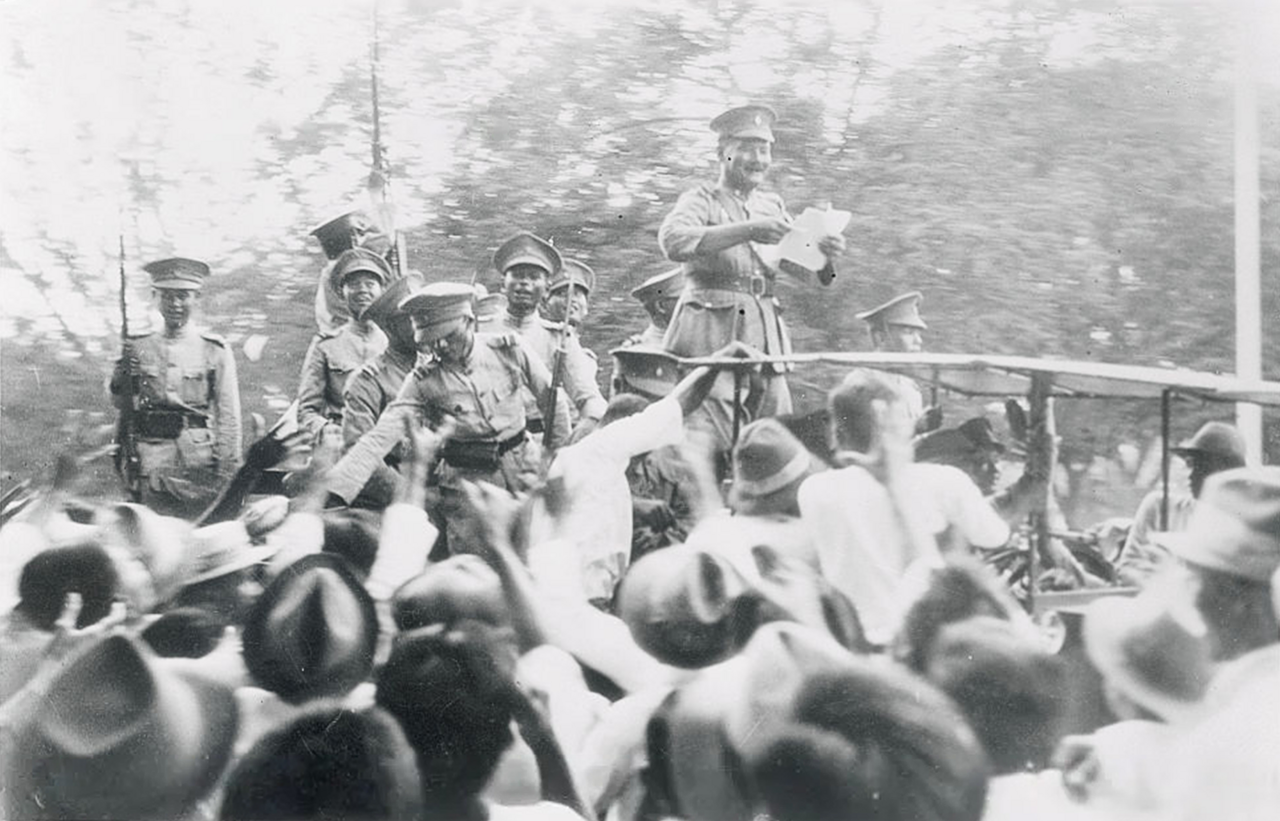
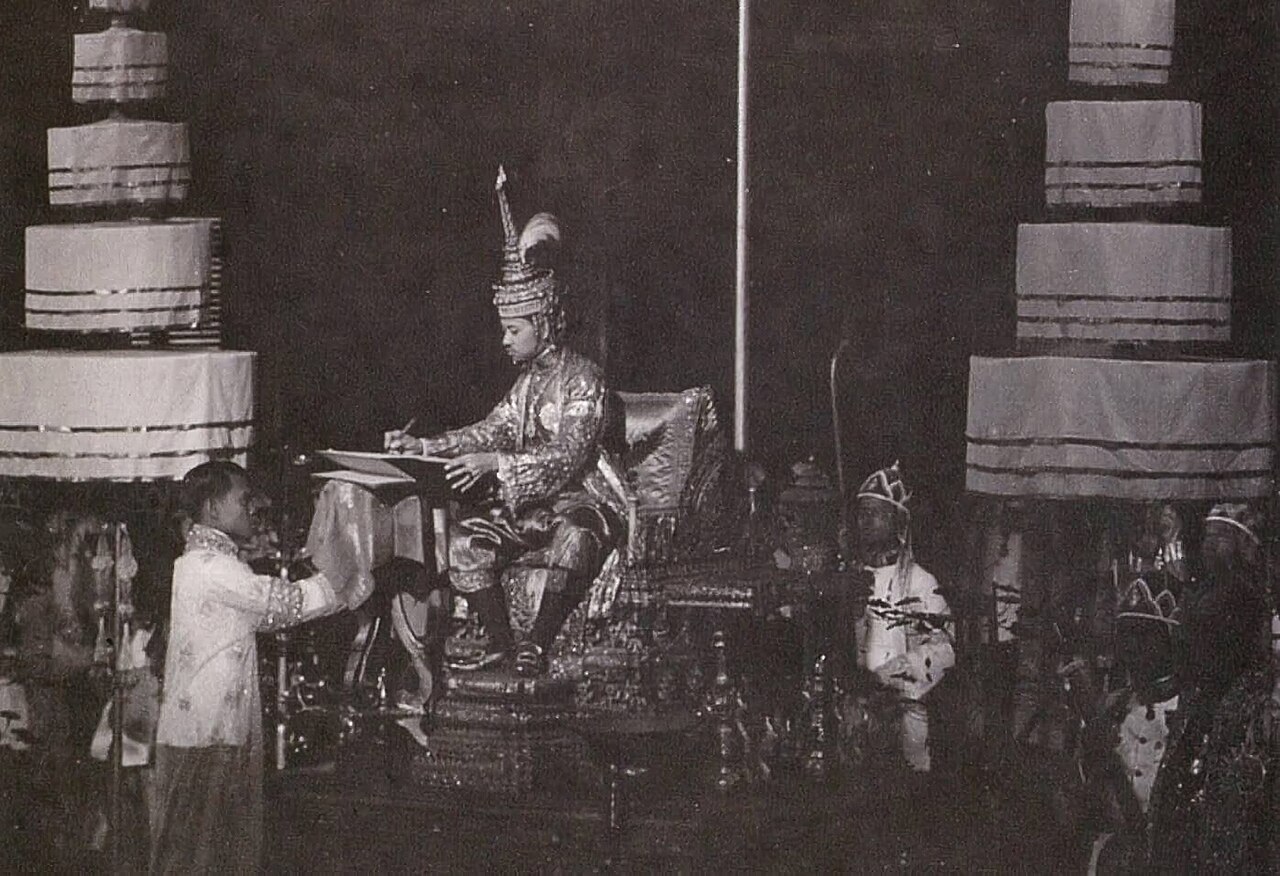
A provisional constitution followed three days later, while a permanent constitution was issued on December 10 that year.
According to Thailand’s Office of the Council of State, King Prajadhipok granted the Constitution of the Kingdom of Siam, B.E. 2475 (1932). The official constitutional text also states that Thailand has since maintained its intention to follow a democratic regime of government with the King as Head of State.
The new political system, however, did not settle the struggle over who should hold power.
Thailand subsequently experienced repeated conflicts among military leaders, civilian politicians, royalist forces and other political groups. When military governments took power, existing constitutions were often suspended or abolished and replaced with new charters.
According to ConstitutionNet, Thailand experienced 10 military coups between 1932 and 1991, eight of which resulted in a new constitution being written.
This created a recurring political crisis would lead to a coup, the new authorities would suspend the existing constitutional order, and a new constitution would eventually be introduced.
Then, another crisis could start the cycle again.
A Constitution Meant to Break the Cycle
The 1997 Constitution came after years of political unrest, including the 1991 military coup and the violent Black May protests of 1992.
According to ConstitutionNet, the protests erupted after General Suchinda Kraprayoon, who had helped lead the 1991 coup, became prime minister despite not being an elected member of parliament. His appointment triggered mass demonstrations in Bangkok and a crackdown that left dozens dead.
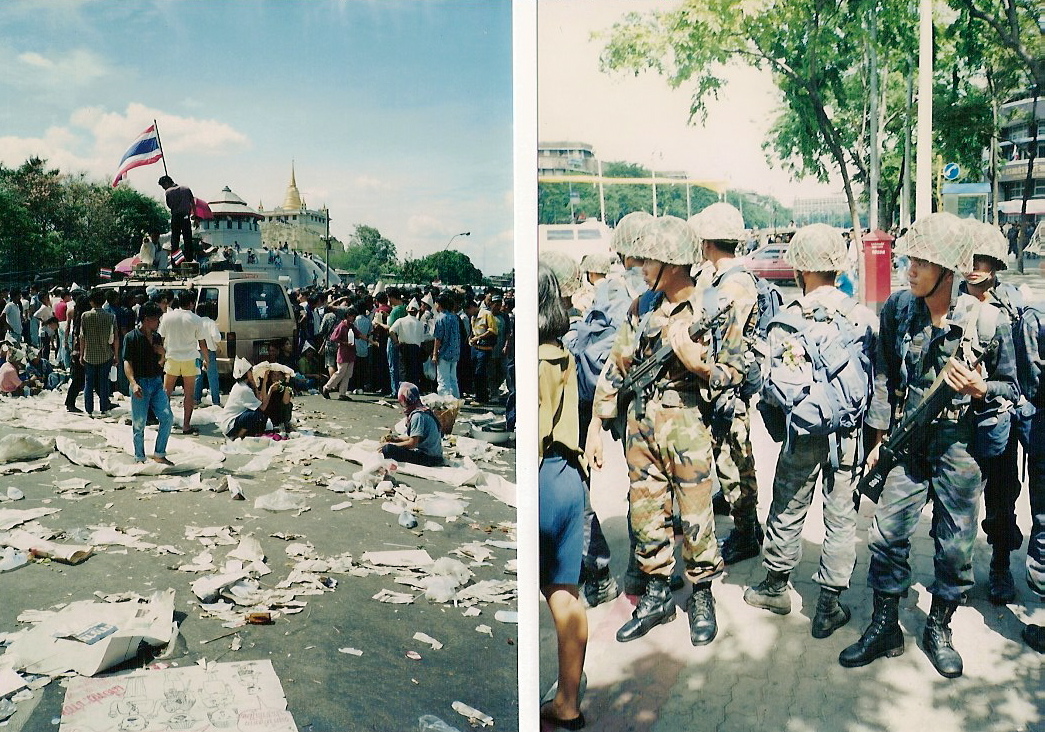
The political crisis strengthened calls for constitutional reform. In 1997, a 99 member Constitution Drafting Assembly was formed, with 76 members elected from Thailand’s provinces and 23 selected from academics and other qualified people.
The constitution was promulgated on October 11, 1997.
Known as the “People’s Constitution”, it introduced stronger rights protections, greater public participation and new independent institutions, including the Election Commission and Ombudsman.
But the reforms did not last.
According to Thailand’s Constitutional Court, the military coup on September 19, 2006 led to the repeal of the 1997 Constitution. Thailand then adopted an interim constitution in October 2006, followed by the 2007 Constitution.
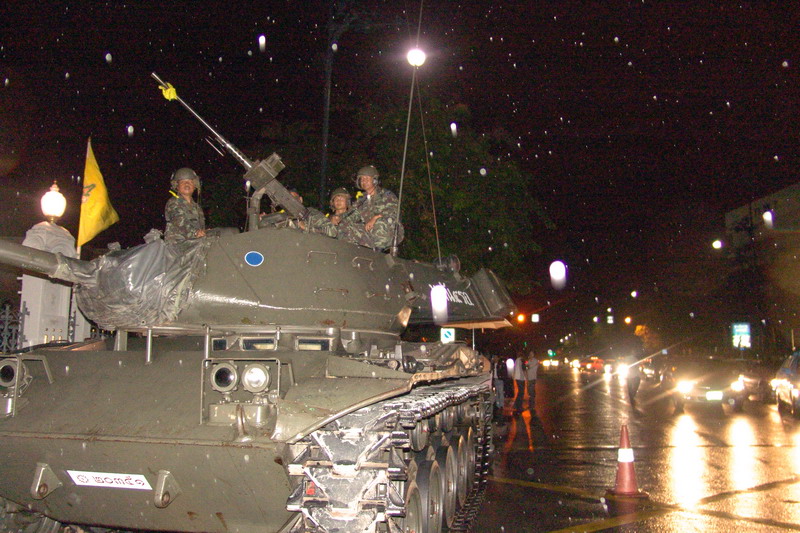
Thailand went through the cycle again in 2014.
The 2007 Constitution was replaced by the 2014 Interim Constitution, before the 2017 Constitution was promulgated. Thailand’s Constitutional Court maintains official copies of the 2006 Interim, 2007, 2014 Interim and 2017 constitutions
What the 20 Constitutions Actually Mean
Thailand’s 20 constitutional documents do not all represent entirely new political systems. Several were interim charters, usually brought in after a coup while a new permanent constitution was being drafted.
The University of Melbourne’s law guide, based on Thailand’s official constitutional record, counts 20 constitutions and charters since 1932. That includes the 2014 Interim Constitution and the Constitution of the Kingdom of Thailand B.E. 2560, adopted in 2017.
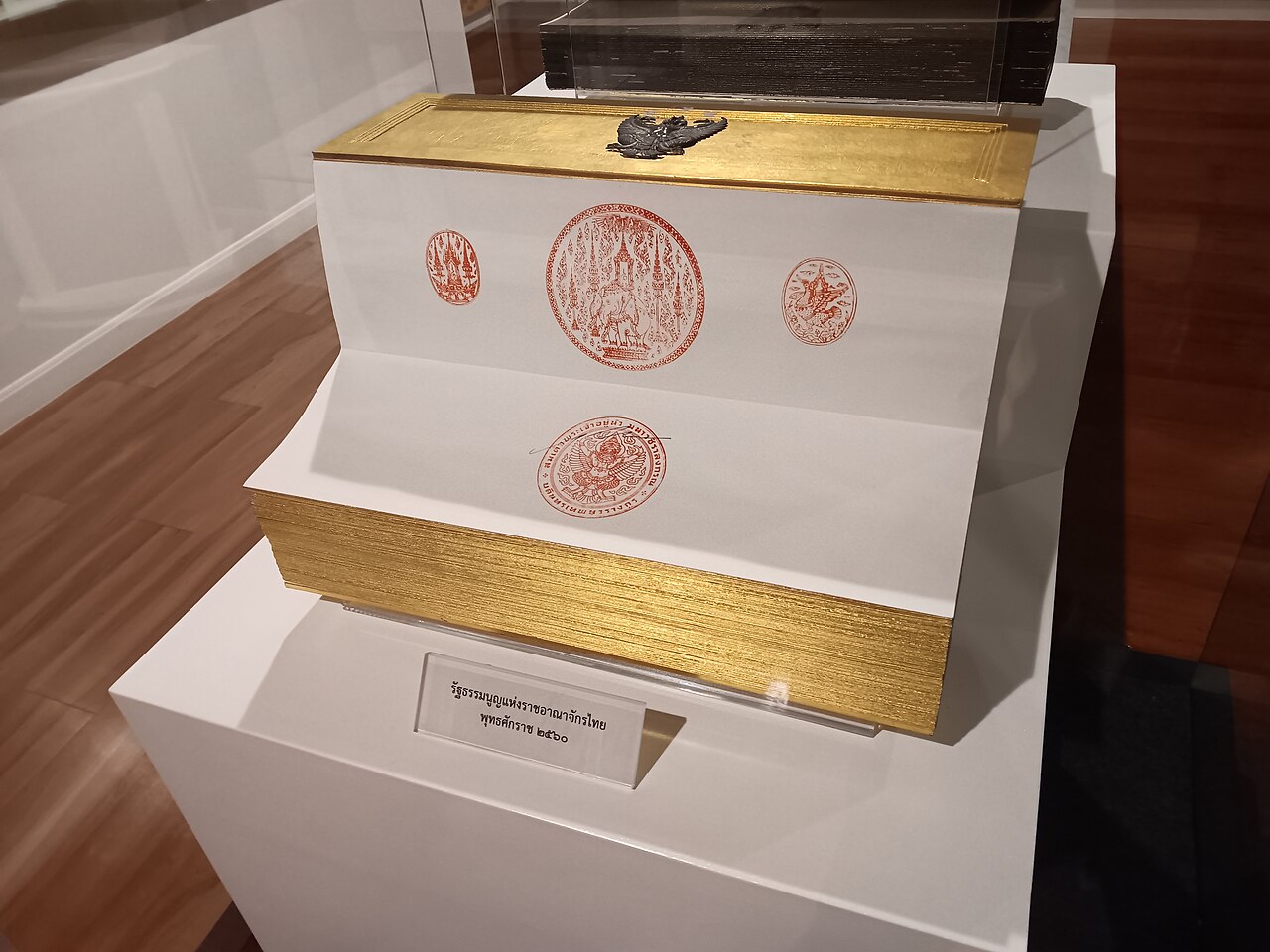
Some of these arrangements lasted only briefly before being replaced. Others stayed in place for years.
But whether they were permanent or temporary, the sheer number of changes shows us how often Thailand’s political system has been disrupted since 1932.
Thailand May Be Heading Toward Another One
On February 8, 2026, Thai voters were asked whether the country should begin the process of drafting a new constitution.
The referendum was held alongside the general election. Thailand’s Public Relations Department said voters were given three choices: agree, disagree, or no opinion.
The referendum passed. The Election Commission of Thailand later announced:
- 21,621,638 voters backed a new constitution
- 11,241,653 voted against it
- 3,074,330 gave no opinion
- 932,583 ballots were invalid
A total of 36,870,266 people voted, giving a turnout of 69.65% among 52,933,610 eligible voters. Turnout was 69.65%, with 52,933,610 people eligible to vote.
The vote did not replace the 2017 Constitution. It gave the process of drafting a new one the go-ahead under Thailand’s existing legal framework.
Thailand’s constitutional count could eventually move more than 20. That would be another chapter in a political history where coups and changes of government have repeatedly brought changes to the country’s constitutional system.