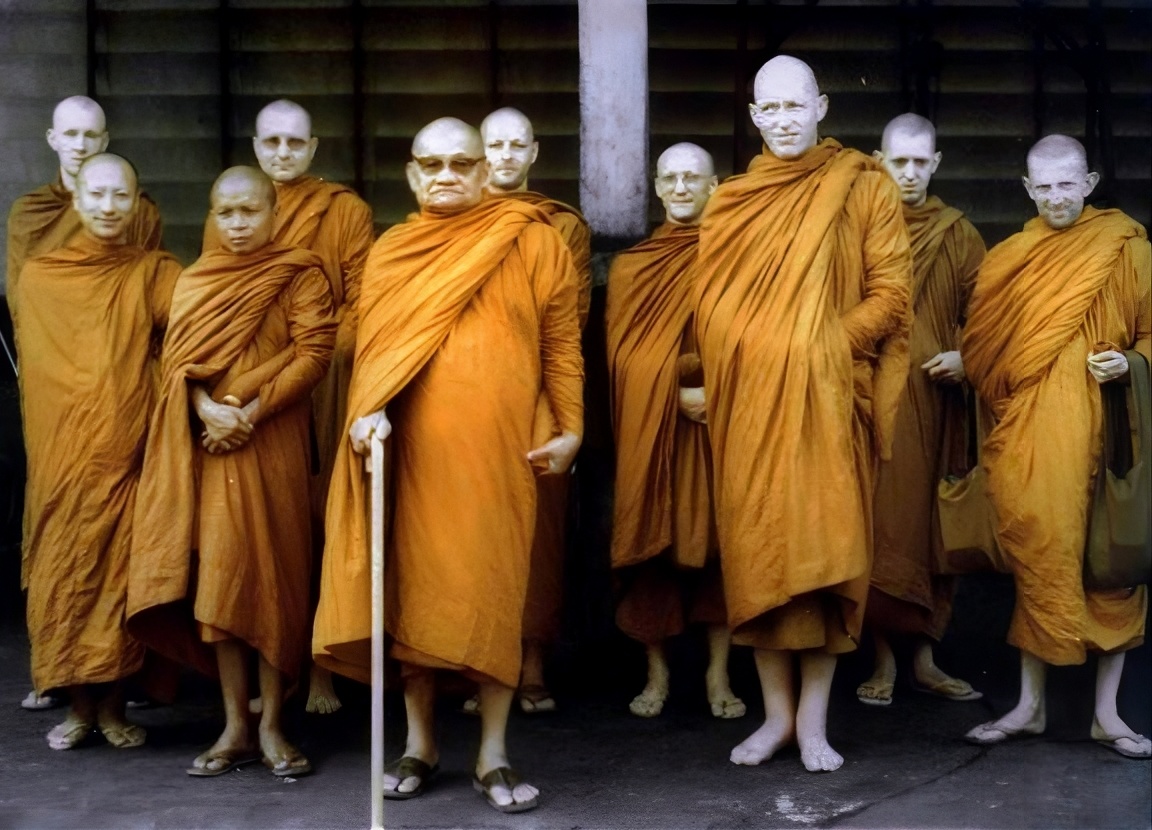
Thailand's constitution contains a requirement that may surprise readers unfamiliar with its monarchy: the king must be a Buddhist.
The rule is written in Section 7 of the 2017 Constitution of the Kingdom of Thailand, which states: "The King is a Buddhist and Upholder of religions".
Buddhism has been part of the king's constitutional description since 1932, nearly a century.
A Rule That Dates Back to 1932
Thailand’s 2017 constitution did add one new Buddhism-related provision, a duty for the state to protect Theravada Buddhism, but the requirement that the king be Buddhist is much older.
According to a 2018 study titled "Buddhist Constitutionalism in Thailand: When Rājadhammā Supersedes the Constitution" published in the Asian Journal of Comparative Law, it goes back to the permanent constitution of 10 December 1932.
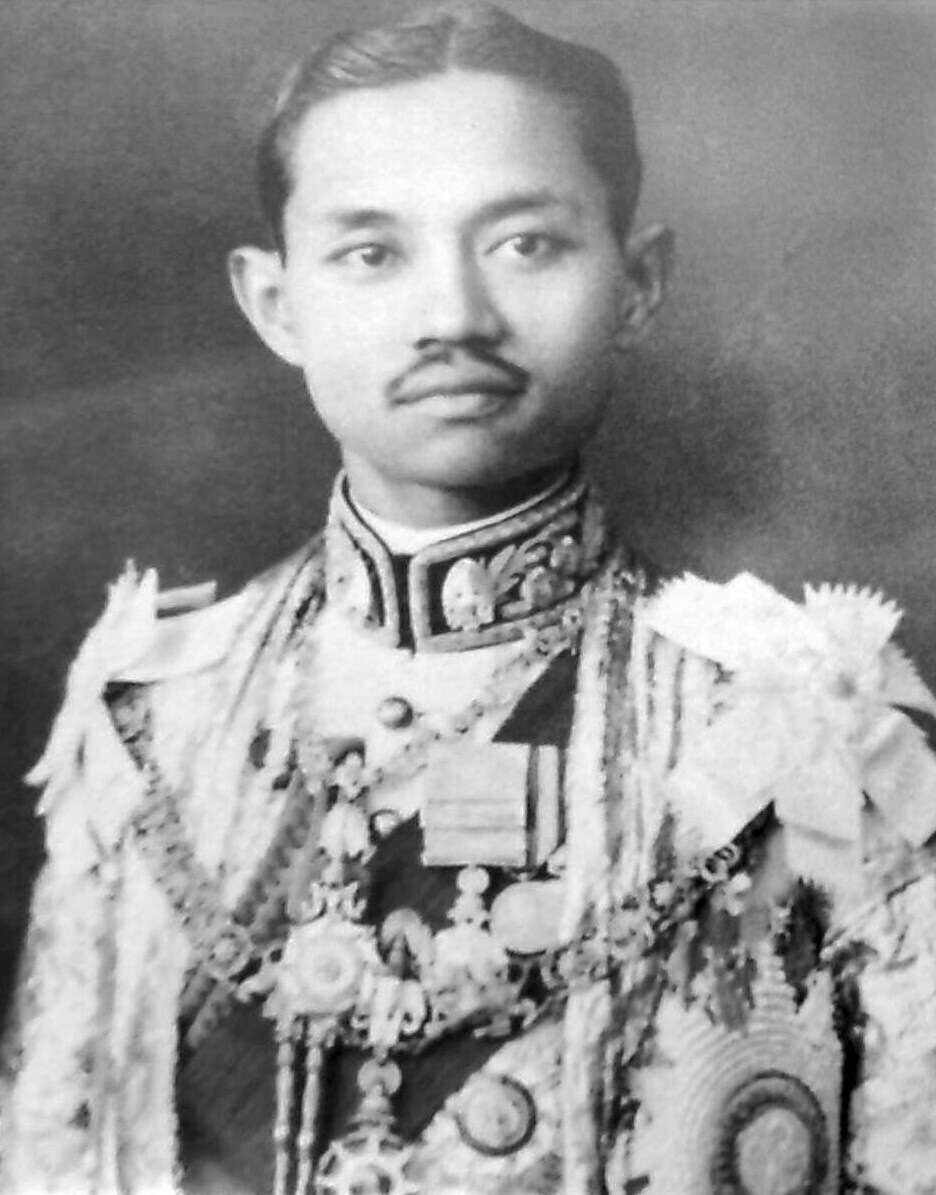
That document followed the June 1932 revolution, when the People’s Party ended absolute monarchy. Unlike the interim constitution issued that same month, which never mentioned Buddhism, the permanent text was drafted with King Prajadhipok’s involvement. It was the first to declare that the king must be a Buddhist and sasanuphathamphok, an upholder of religion.
The Thai term can be read as singular (“religion”) or plural (“religions”), and the study notes the meaning is disputed, although the current king and government appear to read it as referring to Buddhism alone.
The wording survived into the 2017 constitution. Section 7 of the Constitution of the Kingdom of Thailand B.E. 2560 (2017) states that the king is a Buddhist and “Upholder of religions”.
The provision's continued presence through successive constitutions reflects the longstanding connection between Buddhism and royal tradition in Thailand's constitutional framework.
The Idea of a Righteous Buddhist King
Thai ideas of kingship draw heavily on dhammarāja, the "righteous king" who rules according to dhamma, or Buddhist moral teachings.
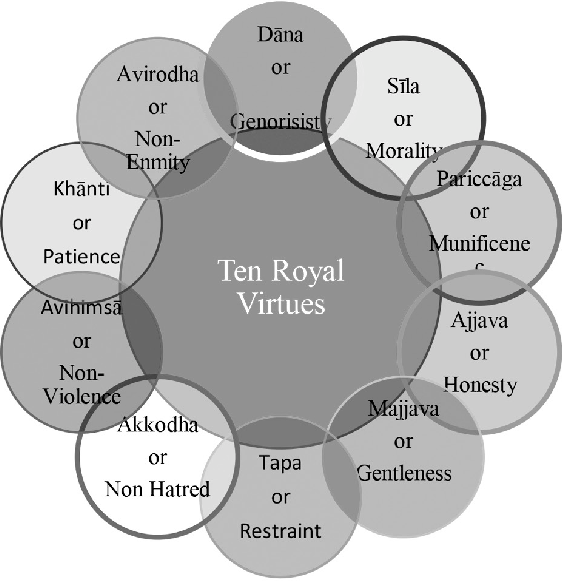
A king was expected to do more than inherit the throne or hold political power. Buddhist tradition also set standards for how he should rule. These include the Ten Royal Virtues, a set of principles covering qualities such as generosity, honesty and patience. One of them, dāna, refers to giving, including providing basic necessities for others.
Thai legal scholars later brought these ideas into modern constitutional debates, using them to discuss what the king should and should not do.
This tradition is different from Section 7. The section states that the king must be Buddhist, while the idea of a righteous king concerns how he should rule. One is a written constitutional requirement, the other is a much older set of beliefs about good kingship.
The study argues that the doctrine has been used to interpret the constitution, and at times to place the king above it. Religion is only one part of that history, Thailand has had 20 constitutions since 1932, and their drafting has been shaped by political upheaval, legal institutions and disputes over royal authority.
Read here to learn more: Thailand Has Had 20 Constitutions Since 1932. Why So Many?
The Constitution Also Mentions Other Religions
Section 7 does not call the king only a Buddhist, it also names him “Upholder of religions.”
Section 67 points the same way. It tells the state to support and protect Buddhism and other religions, but gives Buddhism extra weight, describing it as the religion most Thais have followed for a long time. The state is to promote the teaching of Theravada Buddhist principles and put measures in place to keep Buddhism from being undermined.
The two sections do different jobs. Section 7 defines the king’s religious identity, while Section 67 sets a policy direction for how the state treats religion. Neither section requires Thai citizens to be Buddhist.
According to figures reported by Thailand’s Department of Religious Affairs in 2021, 92.5% of the population was Buddhist, 5.4% Muslim and 1.2% Christian.
Section 7 and Section 67 sit side by side in the same constitution. One defines the king's religious identity, and the other sets how the state treats religion. According to the 2018 study, the older idea of the righteous Buddhist king has also been used to interpret the constitution itself, and at times to place the king above it.
Reference
Mérieau, E. (2018). Buddhist constitutionalism in Thailand: When Rājadhammā supersedes the constitution. Asian Journal of Comparative Law, 13(2), 283-305. https://doi.org/10.1017/asjcl.2018.16