

Brunei Darussalam
The Land of Unexpected Treasures
Search
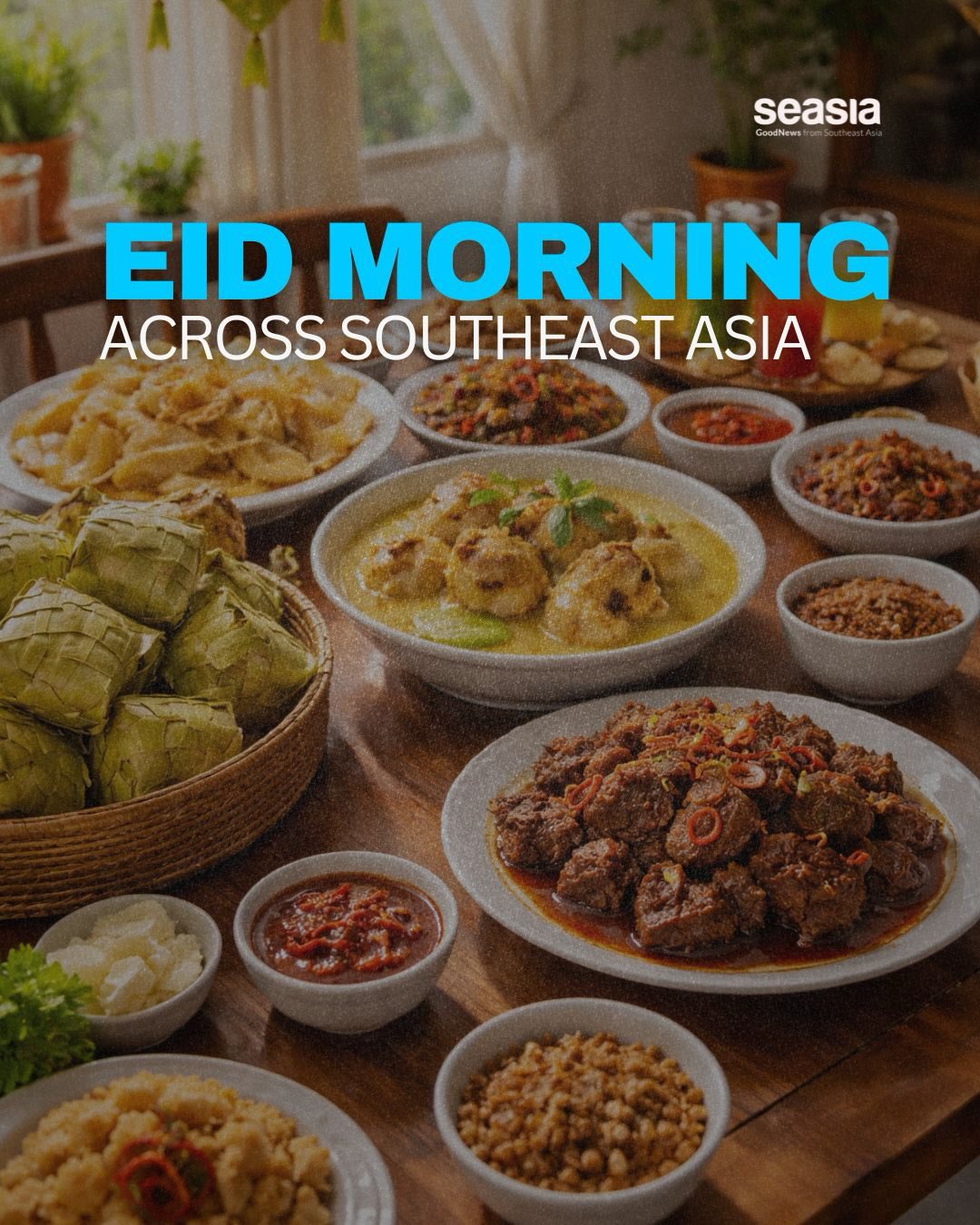
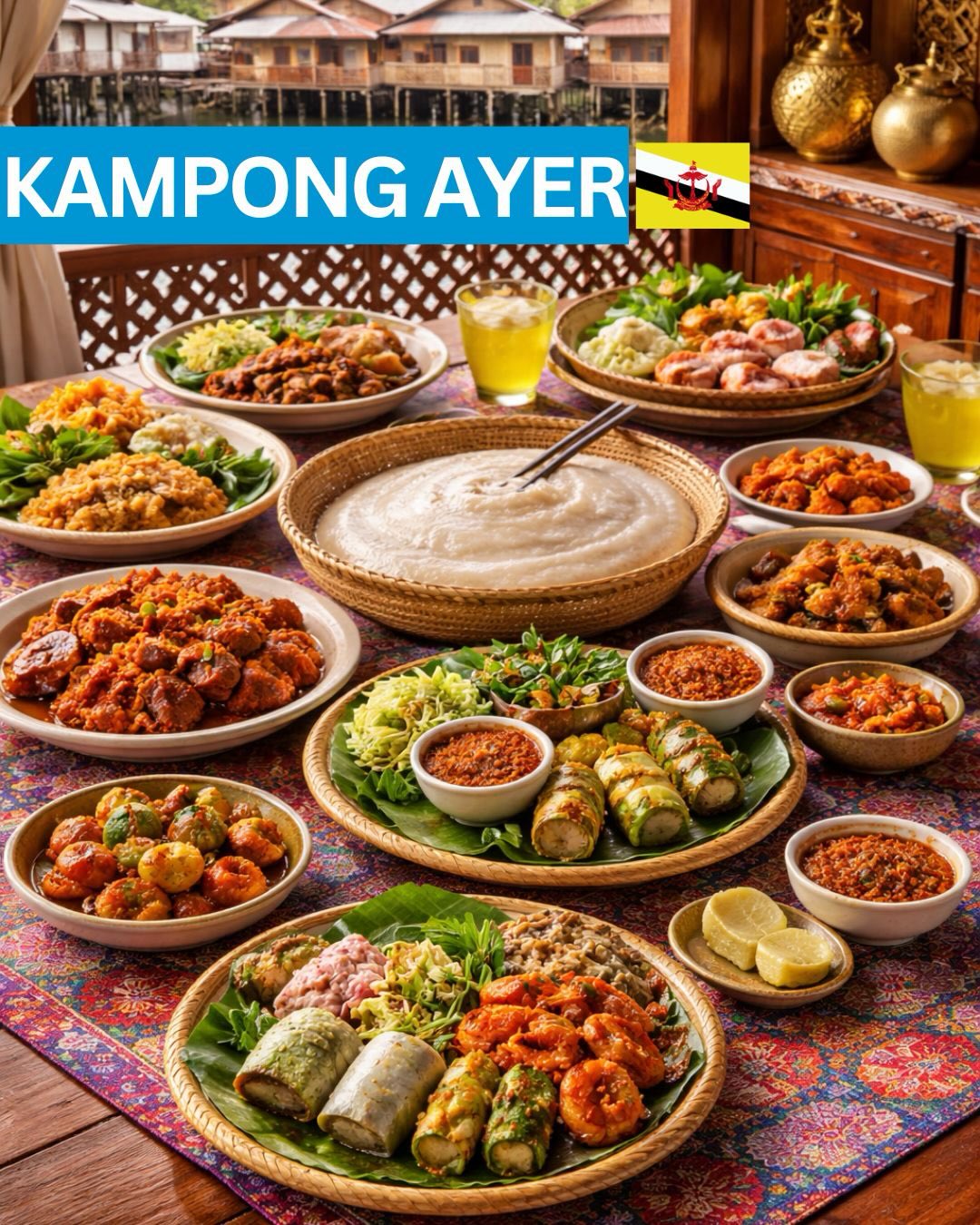
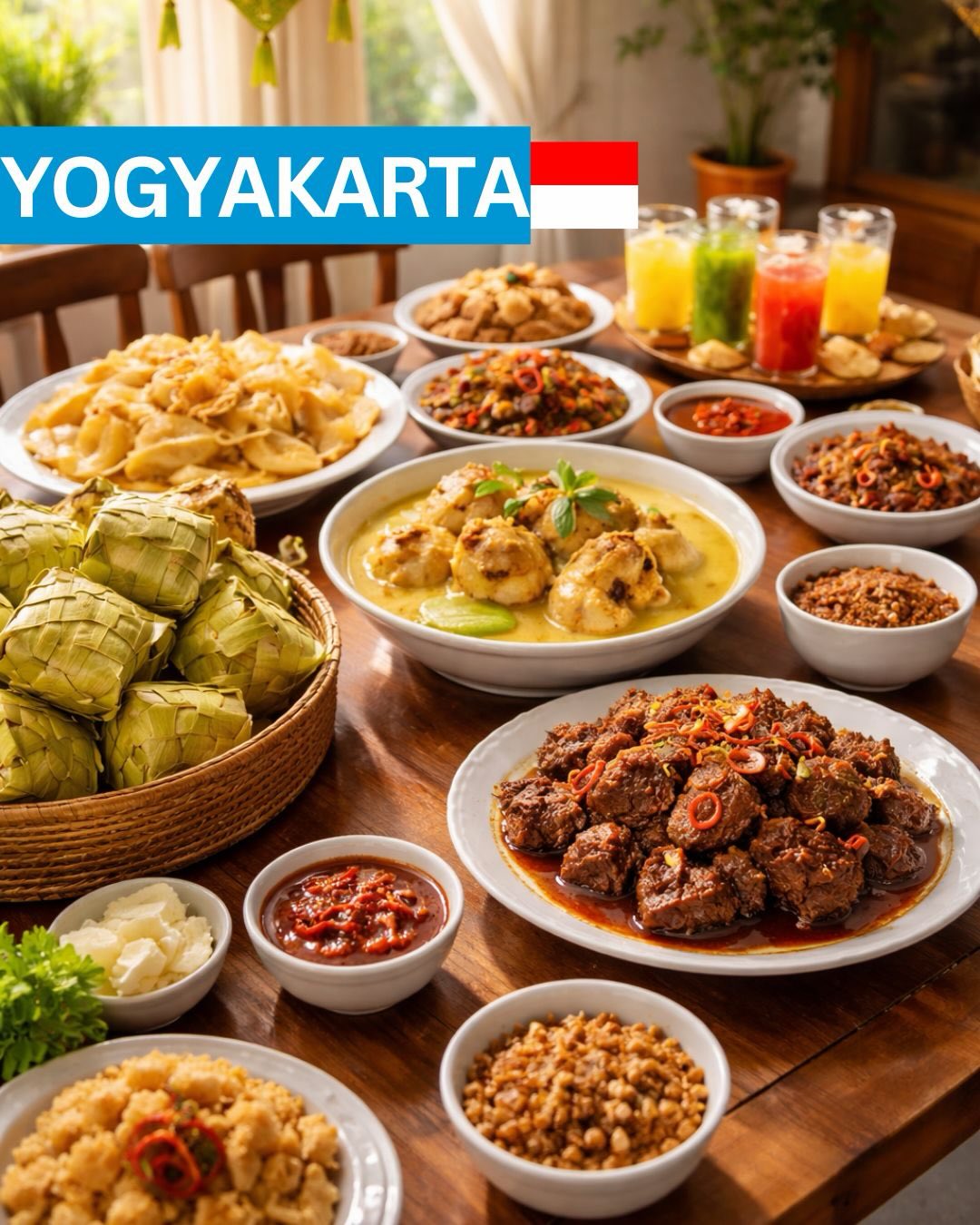
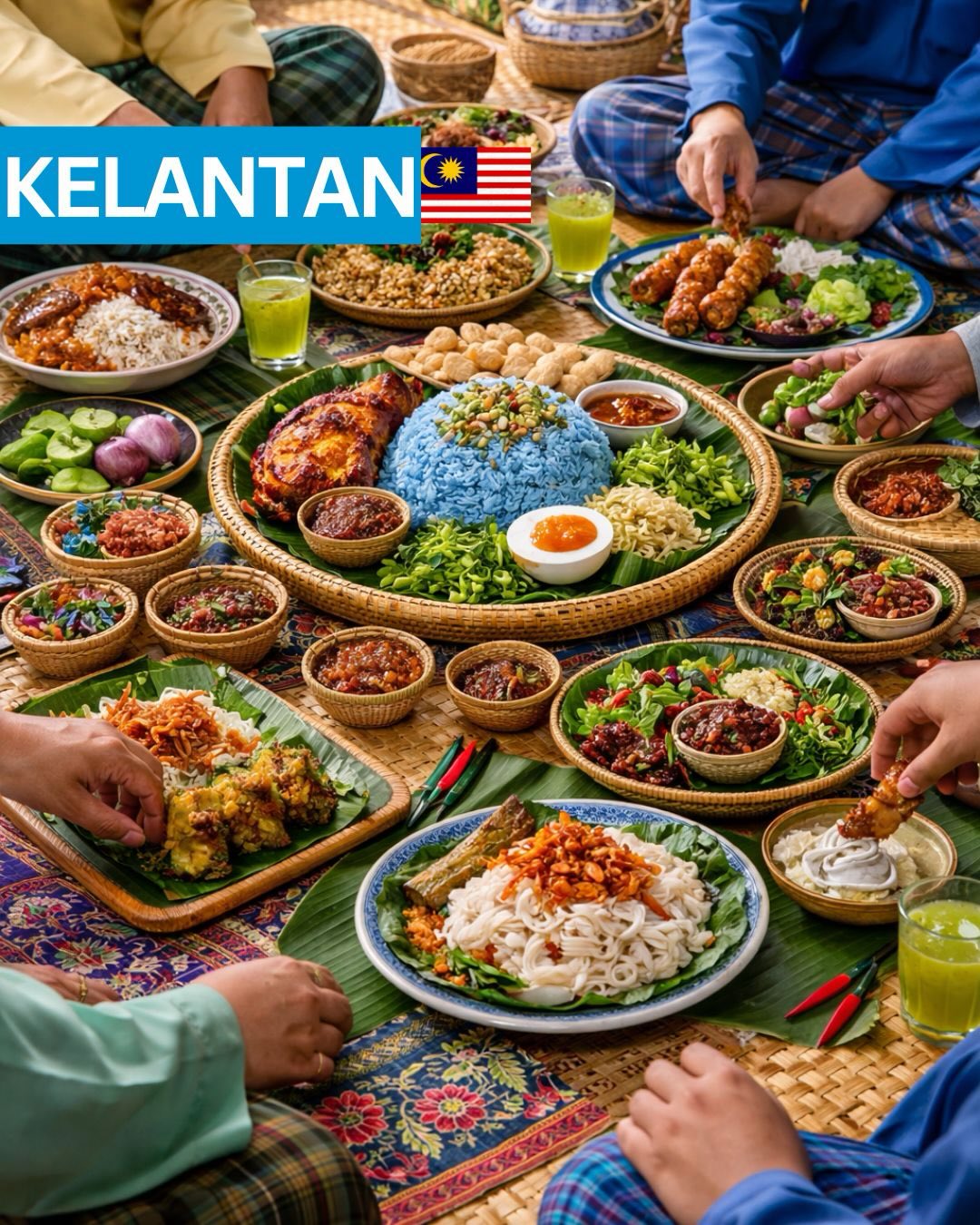
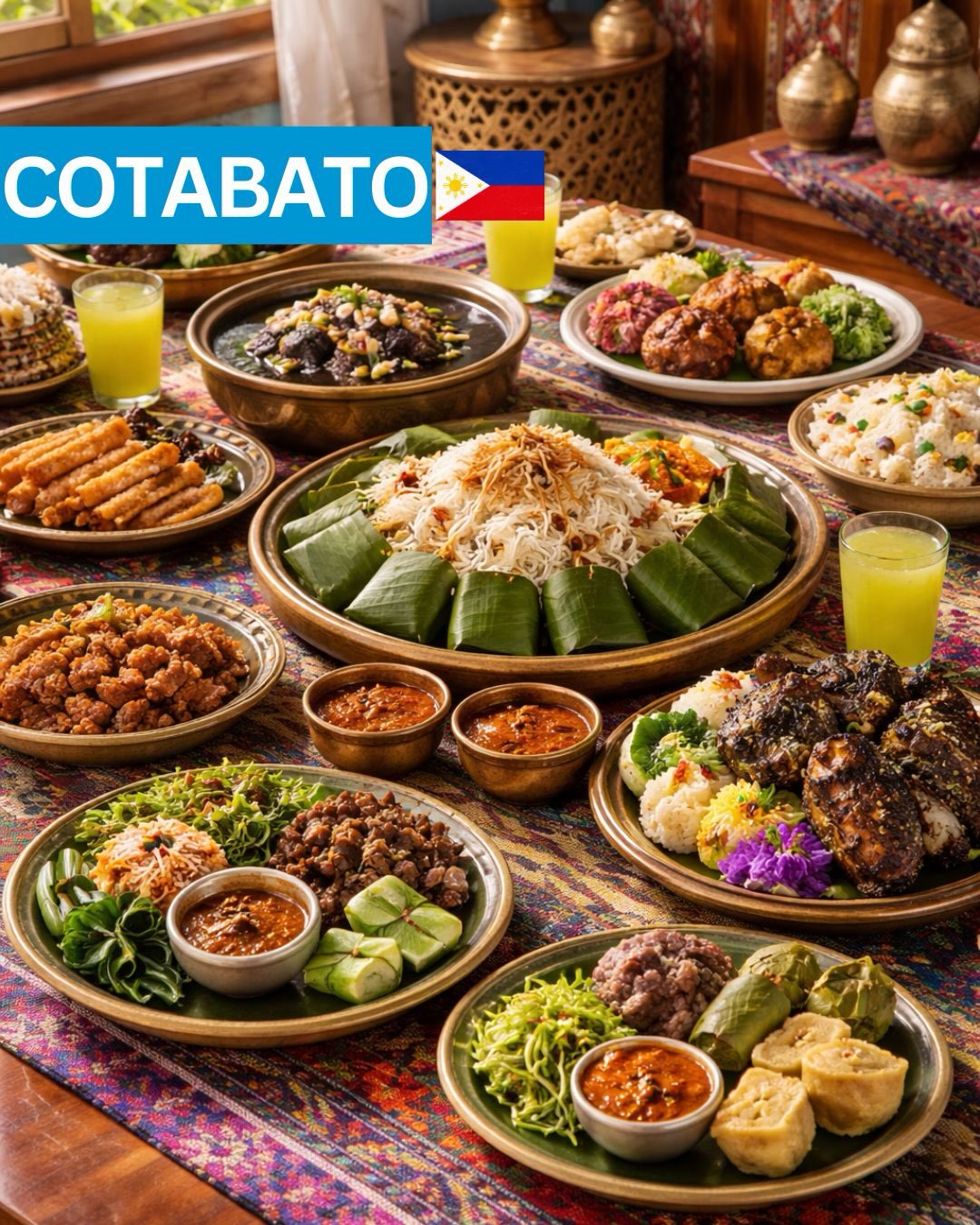
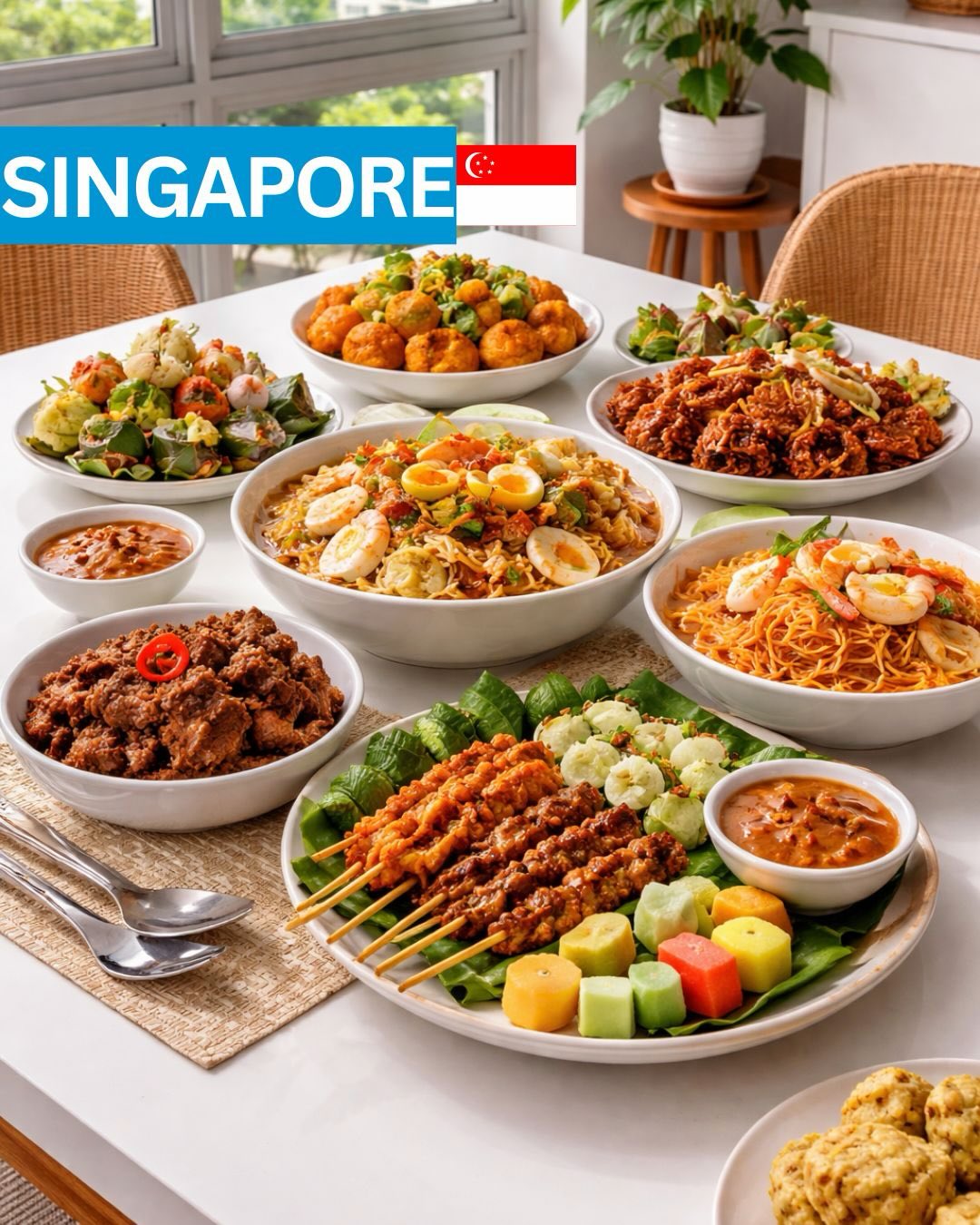
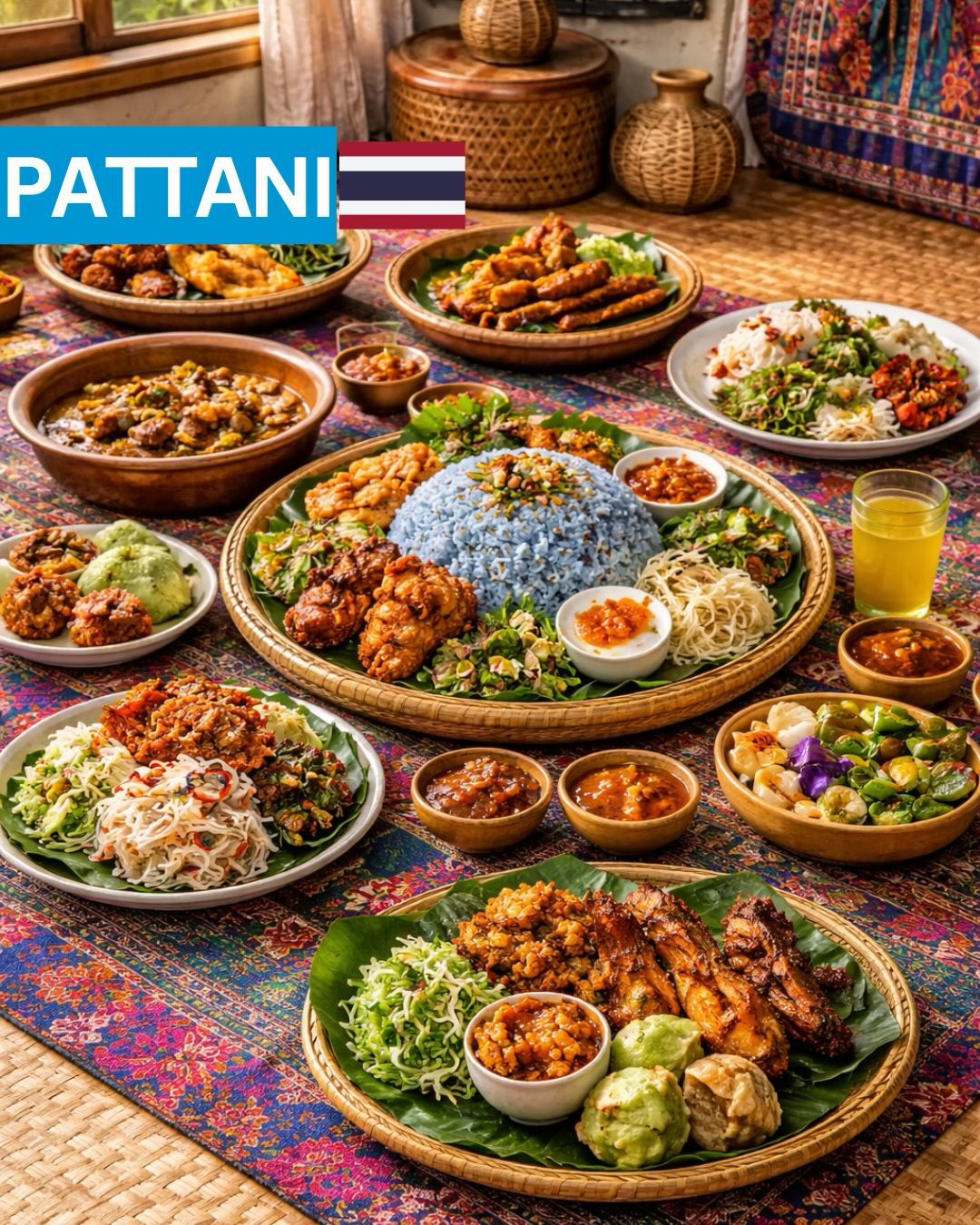
Eid al-Fitr across Southeast Asia is a vibrant display of spiritual joy and culinary diversity. The morning feast, known as “Eid Morning,” showcases how local geography and history shape the traditional breakfast table.
From the water villages of Brunei to the bustling streets of Singapore, these spreads serve as a visual map of cultural identity. Each dish represents a unique story of heritage passed down through generations.
In regions like Kelantan and Pattani, the iconic blue Nasi Kerabu reflects a fusion of Malay and Thai influences. Further south in Yogyakarta, the Javanese tradition of Ketupat takes center stage. These woven rice cakes are paired with rich, coconut-based stews like Opor Ayam and Beef Rendang. The preference for slow-cooked meats symbolizes the patience and togetherness fostered during the fasting month.
The maritime flavors of Cotabato and the cosmopolitan heritage of Singapore add further depth to this regional tapestry. In the Philippines, the Moro people celebrate with indigenous rice delicacies like Pastil. Meanwhile, Singaporean tables feature a blend of Malay and Peranakan favorites, including Satay and Mee Rebus. Despite different ingredients, the communal “hidang” style remains a constant, emphasizing the importance of shared meals.
These various traditions illustrate a universal philosophy of hospitality and gratitude. Whether it is the Ambuyat of Kampong Ayer or the spicy sambals of Indonesia, every meal is prepared with meticulous care to welcome neighbors. These feasts serve as a bridge between solemn reflection and social celebration. They remind us that while recipes change across borders, the spirit of unity at the table remains a shared language.


The Land of Unexpected Treasures

Land of the Khmer

The Emerald of the Equator

The Land of a Million Elephant

Land of Indigenous Malay

The Land of the Golden Pagoda

Pearl of the Orient Seas

The Lion City

Southeast Asia Region

The Land of Smiles

A Nation of the 21st Century

The Land of Blue Dragon

Beyond Southeast Asia