


Traveling the globe is thrilling, but sometimes the greatest challenge comes before the journey even begins, pronouncing the name of the destination.
Capital cities often carry centuries of linguistic evolution, native dialects, and unique phonetic rules that leave many non-locals struggling to get them right. Here are some of the hardest-to-pronounce capital cities in the world, each posing its own linguistic hurdles.
Ulaanbaatar, Mongolia

At first glance, Ulaanbaatar might seem straightforward, but this capital of Mongolia is frequently mispronounced by foreigners. Locally, it’s closer to "Oo-lahn-bah-tar," with the emphasis on the second syllable.
The name means "Red Hero" in Mongolian, referencing revolutionary heroism from the early 20th century.
What makes the pronunciation difficult is its foreign-sounding rhythm and the fact that many English speakers default to saying it as "Yoo-lan-bay-tor" or "Oo-lan-batter," both of which are far from accurate.
Ljubljana, Slovenia
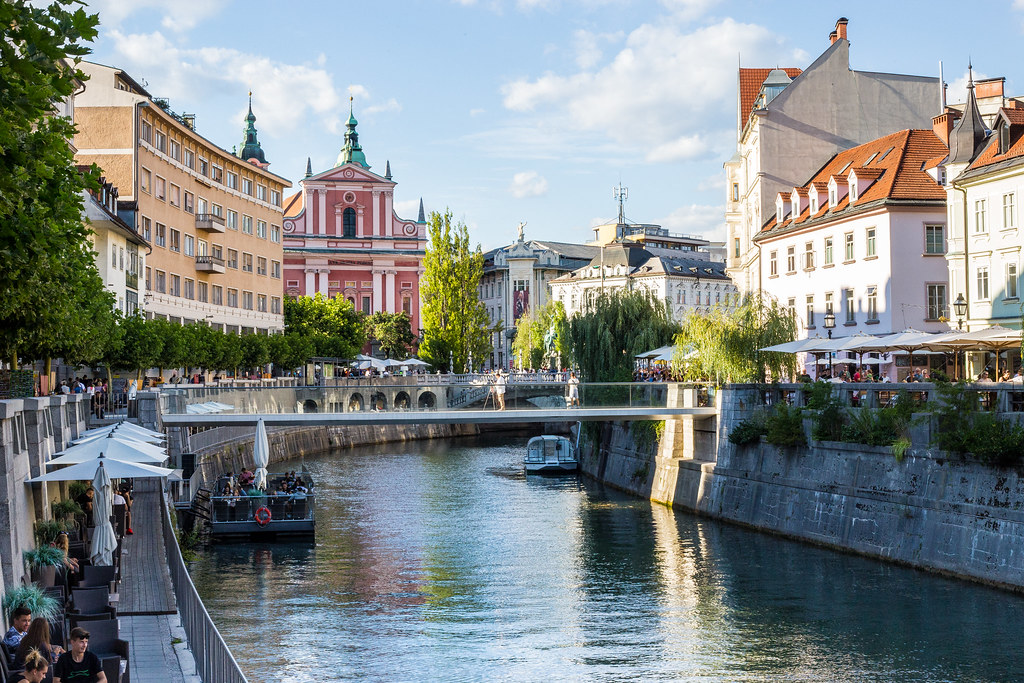
Ljubljana, the charming capital of Slovenia, is almost always mispronounced by first-time readers. The tricky part lies in the blend of consonants at the beginning — "Lj" is not a combination seen in English.
Slovenians pronounce it approximately as "Lyoo-blyah-nah," where the "j" is more like an English "y." Many travelers end up saying it as "Luh-joo-blah-nuh" or "Looj-bana," which loses the lyrical flow of the original Slovene pronunciation.
Krung Thep Maha Nakhon, Thailand
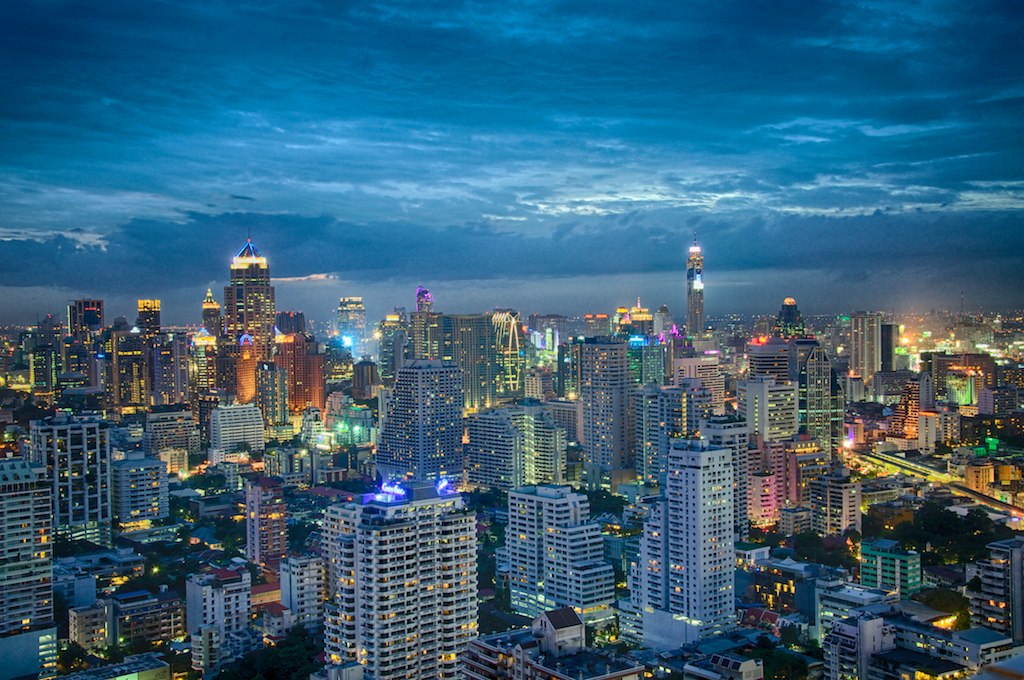
The real name of Bangkok is Krung Thep Maha Nakhon, which means "City of Angels, Great City" in Thai. It's a shortened version of a much longer ceremonial name with over 160 characters. Locals commonly use "Krung Thep" for short.
While "Bangkok" remains the international name, it originally referred to a smaller area before becoming the city's common English name. Thailand officially recognizes both names for its capital.
Sri Jayawardenepura Kotte, Sri Lanka

For many, the capital of Sri Lanka is simply "Colombo." But the official legislative capital is the far more complex Sri Jayawardenepura Kotte. It’s often shortened to “Kotte,” but the full version is a mouthful.
The name is pronounced roughly as "Shree Jah-yah-war-deh-neh-poo-rah Ko-tay," and it's rooted in Sinhalese, reflecting the nation’s cultural and historical depth.
The multiple syllables and unfamiliar phonetics make it particularly difficult for non-native speakers to remember or pronounce correctly.
Thimphu, Bhutan

Thimphu, the capital of Bhutan, is another deceptively simple-looking name. Many people pronounce it as it's spelled: “Tim-poo” or “Thim-fu.” However, the correct pronunciation is closer to "Tim-phu," with a soft “ph” sound and a stress on the first syllable.
Bhutanese pronunciation and transliteration from Dzongkha can vary, and English speakers often struggle with the subtle shifts in sounds that aren’t familiar in Western languages.
Yamoussoukro, Côte d'Ivoire

Yamoussoukro, the political capital of Côte d'Ivoire (Ivory Coast), presents a phonetic puzzle for many. It's pronounced roughly as "Yah-moo-soo-kroh." The combination of French colonial spelling and West African linguistic roots throws off many English speakers.
It's also not as widely recognized internationally as Abidjan, the country’s economic hub, which adds to the confusion. The unusual consonant clusters and rhythm of the name make it one of the trickier capitals to pronounce with confidence.
Ngerulmud, Palau
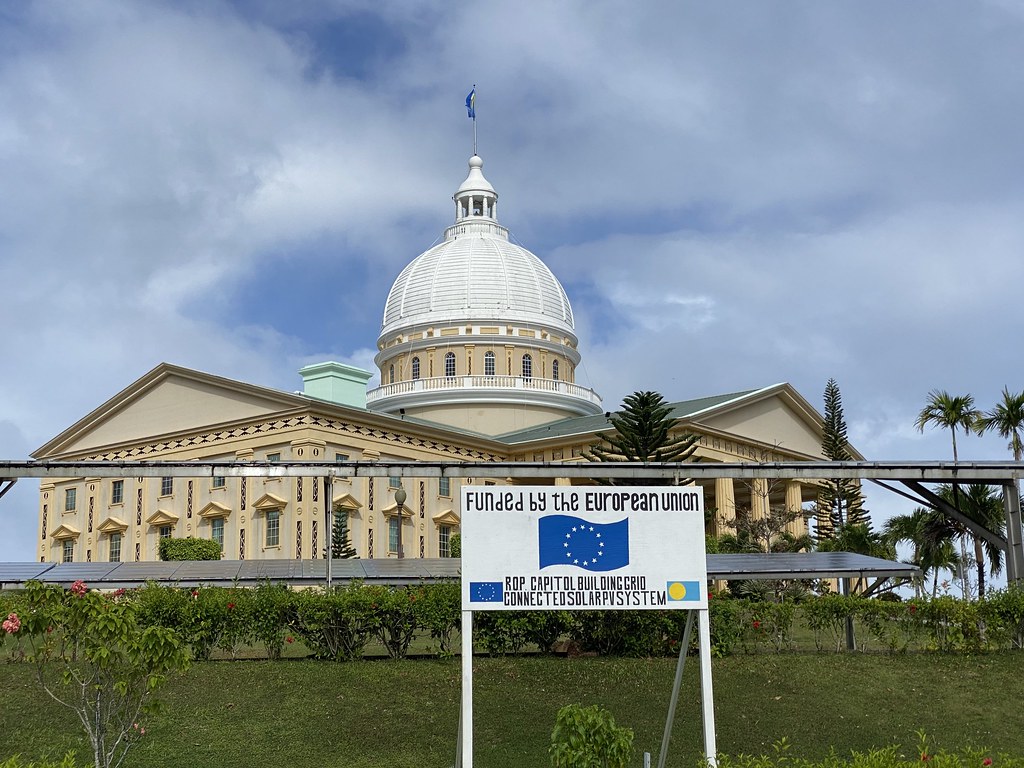
Ngerulmud, the capital of the island nation of Palau, is rarely spoken of — partly because few know how to say it correctly. Pronounced approximately as "Nger-ool-mood," it begins with a consonant blend that is virtually nonexistent in English.
The "Ng" sound at the start, common in many Pacific Island languages, trips up most non-native speakers. Although Ngerulmud is the official capital, many locals still associate national activity with the more familiar Koror, further obscuring this linguistic gem.
Ouagadougou, Burkina Faso

Ouagadougou, the capital of Burkina Faso, has an intimidating appearance but a surprisingly elegant pronunciation: "Wah-gah-doo-goo." The name is rooted in the local Mossi language and French spelling conventions, which can lead English speakers astray.
It's common to see hesitant tourists try everything from “Oo-gah-doo-goo” to “Wagga-doo-goo.” But once you get the rhythm, which includes four smooth syllables and soft “g” sounds, it rolls off the tongue more easily than it seems at first.
Nuku’alofa, Tonga

The capital of Tonga, Nukuʻalofa, combines Polynesian language rules with a unique glottal stop, represented by the apostrophe.
This makes many English speakers either ignore or pronounce incorrectly. The name is said something like "Noo-koo-ah-lo-fah," with a gentle pause at the glottal stop.
The subtle pronunciation details, including vowel length and the melodic flow typical of Polynesian languages, make it challenging for those unfamiliar with Oceanic phonetics.


