


Discussing “Countries that Have Landed on the Moon” is not just about advanced technology or grand achievements in space—it’s a story of ambition, failure, and extraordinary scientific triumphs.
To date, only five countries have successfully achieved a soft landing on the Moon. Each brought its own approach, motivation, and technological legacy to the mission.
What Is a Soft Landing and Why Does It Matter?
In space exploration, a soft landing refers to a controlled and gentle descent that allows a spacecraft to remain intact and functional after touching down on the Moon's surface. This typically involves sophisticated technologies such as autonomous navigation systems, thrusters, and high-precision sensors.
In contrast, a hard landing—also known as an impactor—involves a spacecraft deliberately (or sometimes due to technical failure) crashing into the Moon at high speed, resulting in its destruction upon impact.
While this might sound like a failure, impactor missions serve valuable purposes. They are often used to test launch systems, search for traces of water or other materials in the debris plume created by the impact, or serve as preliminary experiments before attempting a soft landing.
However, for long-term goals such as collecting scientific data, returning samples, or landing humans, soft landings remain the gold standard.
5 Countries That Have Landed on the Moon:
Soviet Union (Russia): The Pioneer of the First Lunar Landing
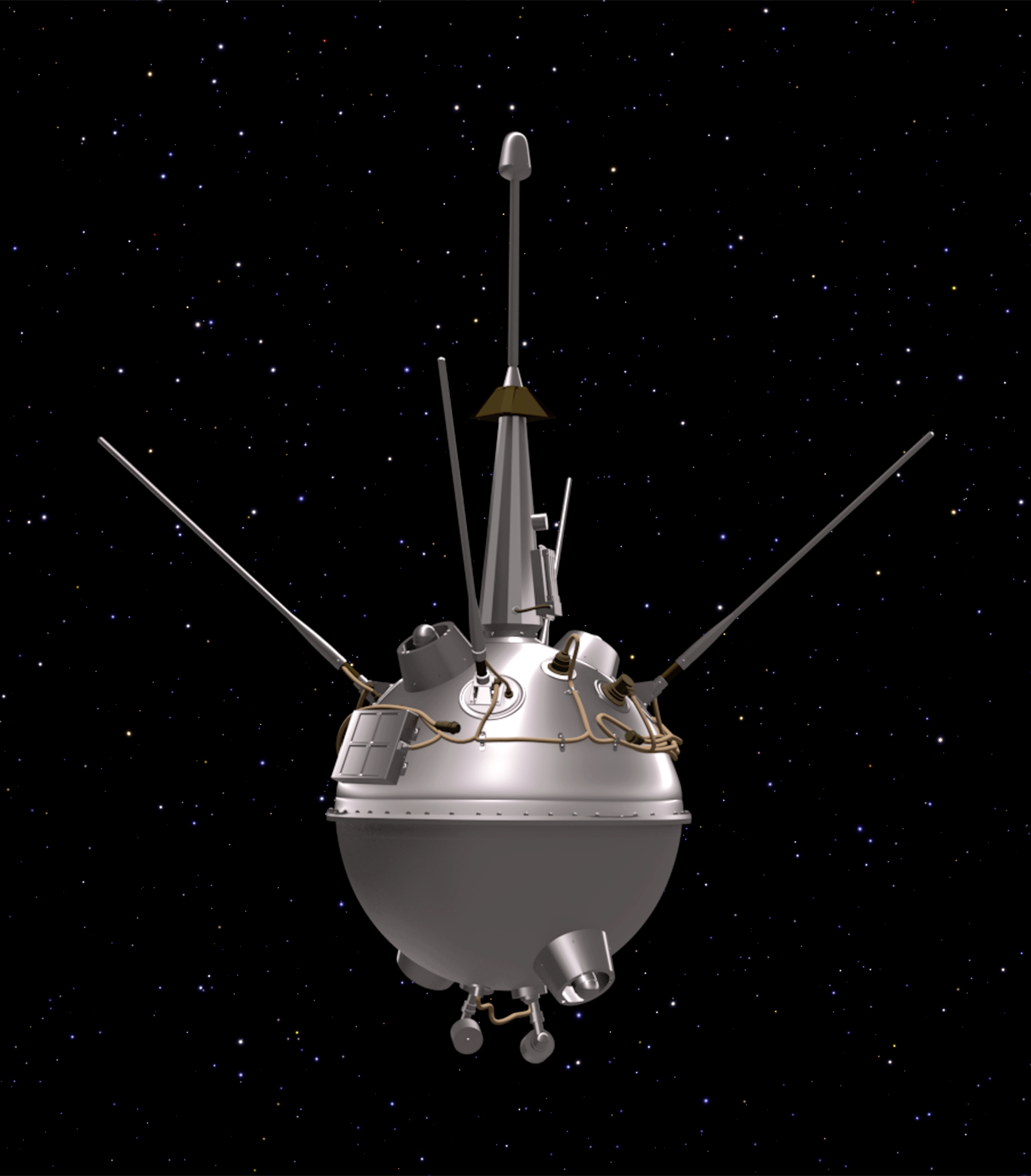
The Soviet Union was the first country to reach the Moon, sending the Luna 2 impactor on September 14, 1959. It became the first human-made object to touch the Moon—albeit through a crash. The milestone moment came on February 3, 1966, when Luna 9 achieved the world’s first soft landing, just months before the U.S. followed.
Between 1966 and 1976, the Soviets completed seven successful soft landings and one key impactor mission. They were also the first to return lunar samples to Earth via an uncrewed mission, Luna 16, in 1970.
Although modern Russia has yet to replicate those achievements since the fall of the Soviet Union, its renewed interest is evident in the Luna-25 program—despite its failure to land in 2023.
United States: The Only Country to Land Humans on the Moon
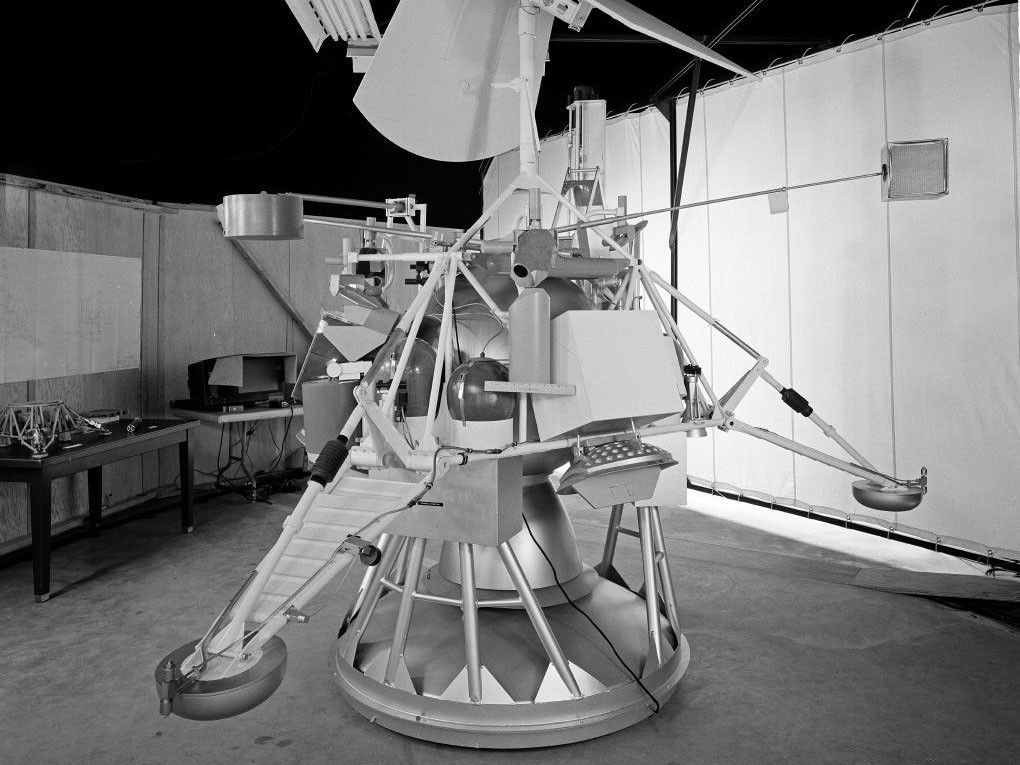
Since the successful soft landing of Surveyor 1 on June 2, 1966, the United States has carried out a range of space missions, both uncrewed and crewed. The pinnacle of these achievements came on July 20, 1969, when the Apollo 11 mission landed on the Moon, and Neil Armstrong, along with Buzz Aldrin, became the first humans to set foot on its surface.
Between 1969 and 1972, NASA launched six crewed lunar missions—Apollo 11, 12, 14, 15, 16, and 17—with a total of 12 astronauts walking on the Moon. To date, the U.S. has accomplished 11 soft landings and 4 impactor missions.
Beyond government efforts through NASA, private companies like SpaceX, Blue Origin, and Intuitive Machines are also driving America’s ambition to establish a lasting presence on the Moon. Through the Artemis program, the U.S. plans to send the first woman and the first person of color to the Moon, possibly around 2026.
China: A Rising Power with Big Ambitions
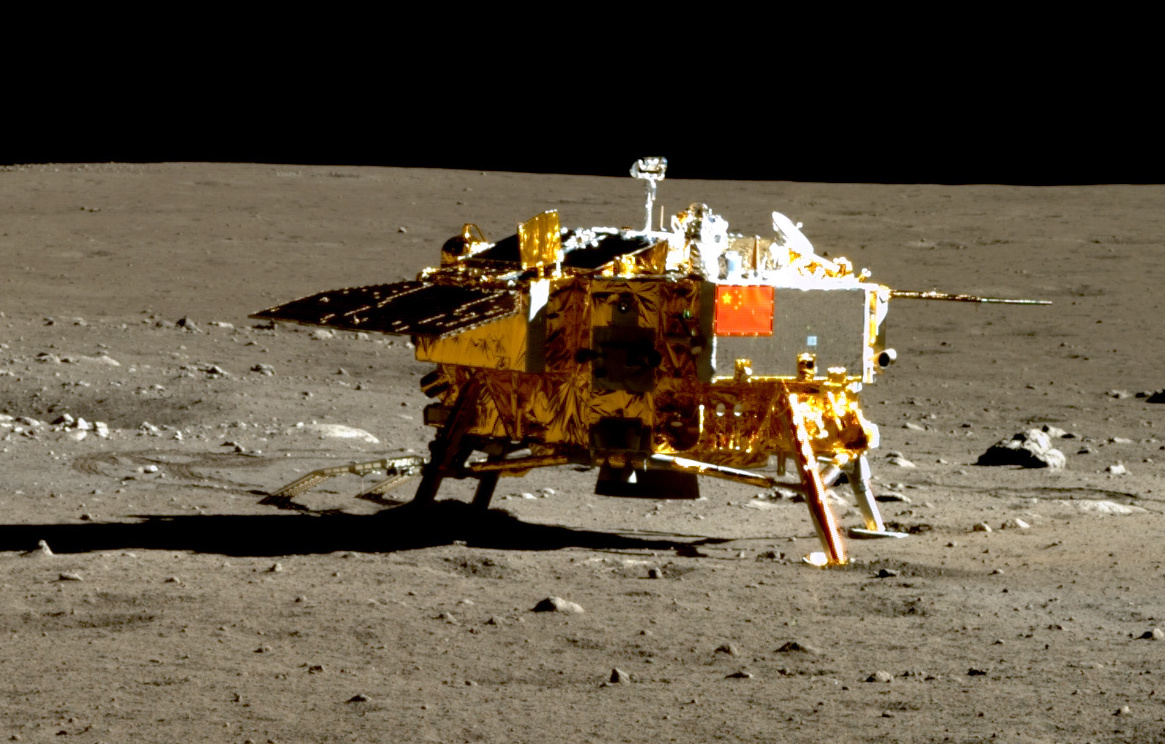
China has emerged as a major new force among the countries that have landed on the Moon. Its first major step came with Chang’e 3, which successfully landed on December 14, 2013—marking the first lunar soft landing since 1976. On January 3, 2019, Chang’e 4 made history by landing on the far side of the Moon, a region never before explored.
Chang’e 5 followed in 2020, becoming the first mission in 44 years to return lunar samples to Earth. So far, China has completed three successful soft landings, and is actively planning crewed missions and the construction of a permanent lunar base within the next decade.
Japan: The “Moon Sniper”
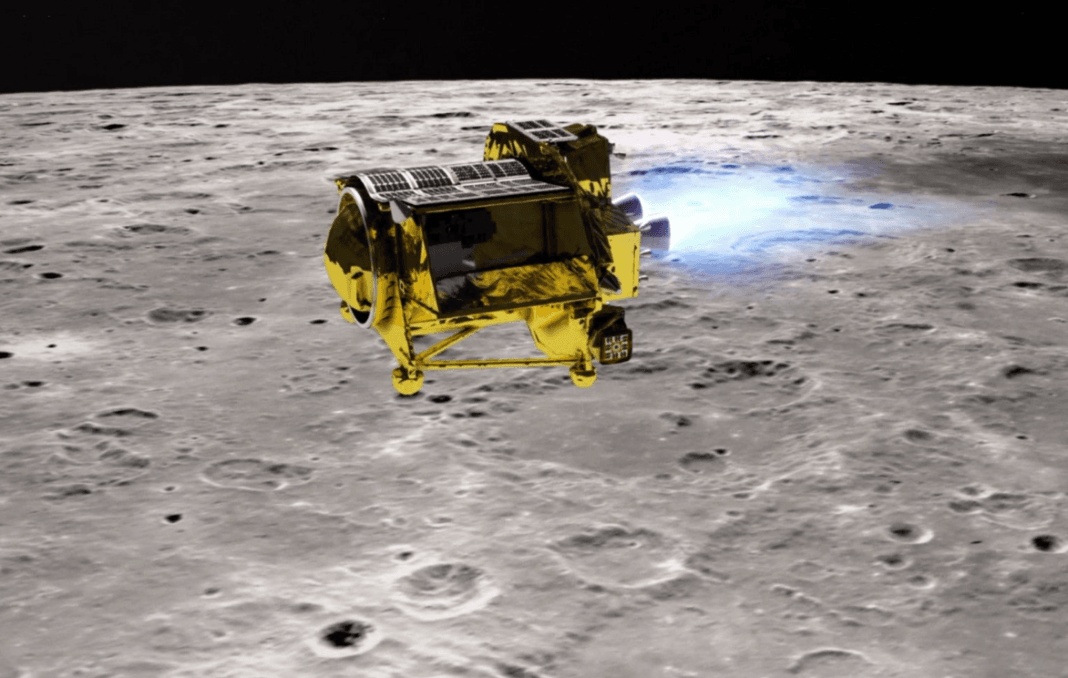
Japan officially joined the list of countries that have successfully landed a spacecraft on the Moon on January 20, 2024, through a mission called SLIM (Smart Lander for Investigating Moon). Nicknamed the “Moon Sniper,” the lander achieved unprecedented landing accuracy—considered the most precise in lunar mission history.
Before this success, Japan had experienced several setbacks, such as the loss of the Omotenashi lander and the failed launch of the H3 rocket. However, with the SLIM mission, the Japan Aerospace Exploration Agency (JAXA) proved its resilience and showcased highly precise, innovative technology.
Countries Preparing to Follow
As we approach 2030, more countries are actively engaging in Moon exploration programs:
- The UAE is sending a rover in collaboration with Japan and SpaceX.
- Canada, Turkey, and Sweden are developing joint missions with JAXA and ESA.
- South Africa and South Korea are designing lander and rover missions.
- Ukraine and the United Kingdom are partnering with U.S. companies to explore lunar caves.
- Meanwhile, private companies like Astrobotic, Carnegie Mellon, and MIT are also heavily involved in lunar space programs.
A New Era of Exploration Has Begun
As of now, only five countries have successfully performed a soft landing on the Moon: the United States, Russia, China, India, and Japan. But that number is almost certain to grow, with many new missions planned by emerging space nations and private actors.
Lunar exploration has entered a new era—one that is no longer just about who arrives first, but about who can be consistent, collaborative, and innovative. The world is witnessing the second wave of the Moon race—and this time, it’s more inclusive and cooperative than ever before.
So, who will be the next to join the list of “Countries that Have Landed on the Moon” in the coming decade? Let’s wait and see how the story unfolds.


