Good news flows from the heart of Borneo. UNESCO has officially designated Malaysia’s Kinabatangan region in Sabah as the country’s fourth World Biosphere Reserve under the Man and the Biosphere (MAB) Programme.
The announcement, made during the 37th MAB International Coordinating Council in Hangzhou, China, marks another proud moment for Malaysia’s ongoing environmental journey.
This recognition places Kinabatangan alongside three other Malaysian sites within UNESCO’s global network: Tasik Chini in Pahang (2009), Crocker Range in Sabah (2014), and Penang Hill in Penang (2021). It reaffirms Malaysia’s growing dedication to conservation through international frameworks that integrate science, policy, and community.
Kinabatangan’s inclusion also came as UNESCO expanded its global list to 784 sites across 142 countries, the largest addition in two decades with 26 new biosphere reserves designated this year. Among these new sites, Kinabatangan stands out for its role in preserving one of Southeast Asia’s most complex and irreplaceable ecosystems.
The Kinabatangan River: Lifeline of Borneo’s Wild Heart
Stretching across 413,866 hectares along the 560-kilometre Kinabatangan River, this newly recognised reserve represents the beating heart of Borneo’s biodiversity. Here, ancient rainforests intertwine with floodplain forests and oxbow lakes, creating habitats for a staggering variety of life forms.
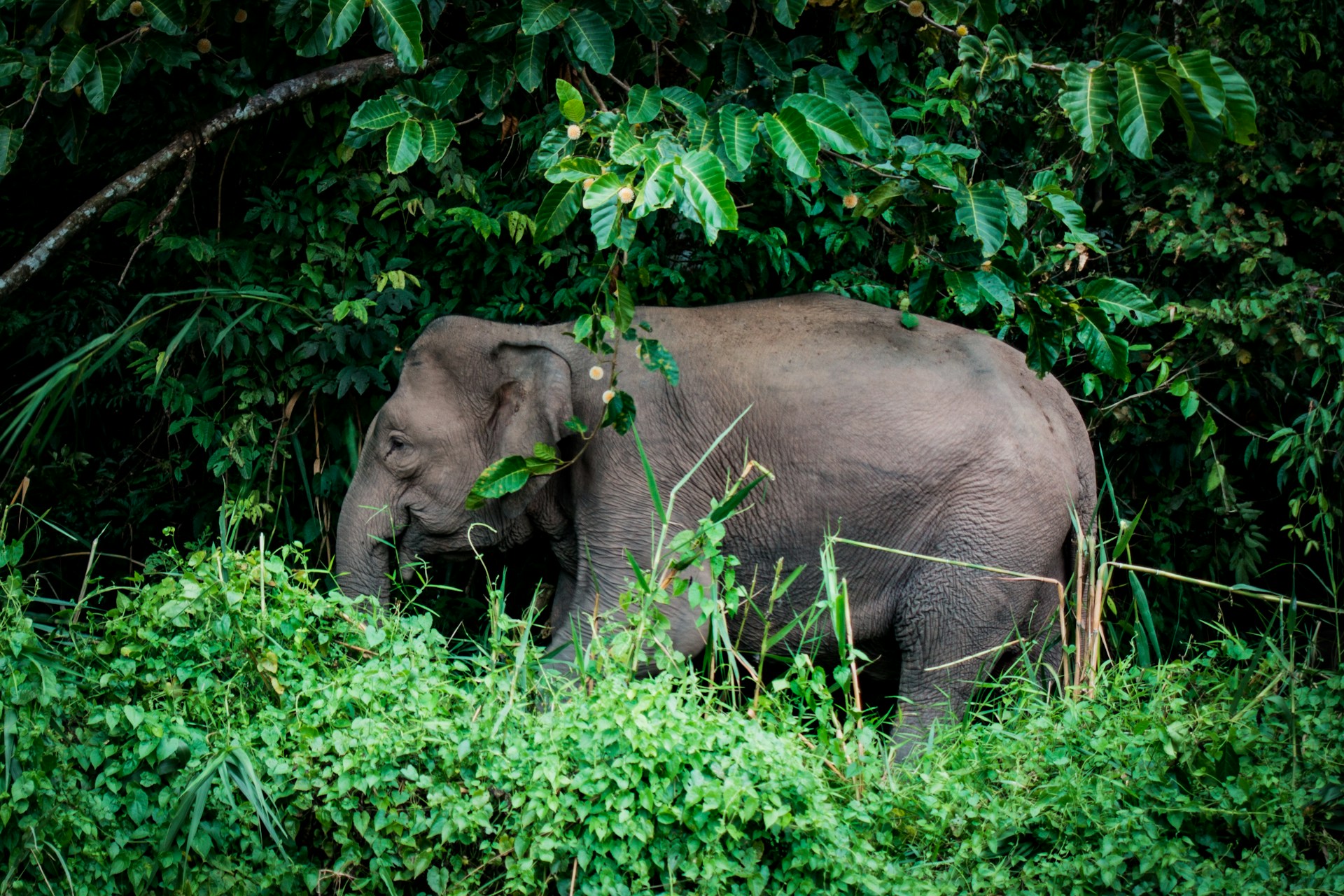
The Kinabatangan Biosphere Reserve shelters 315 bird species, 100 reptiles, 33 amphibians, 127 mammals, and more than 1,000 vascular plant species. Its forests echo with the calls of hornbills, all eight species found in Sabah, while the riverbanks host gentle giants like the Bornean pygmy elephant and proboscis monkey, unique to this island.
Swinging through the treetops are the Bornean orangutans, one of humanity’s closest relatives, living symbols of the rainforest’s resilience.
Beyond its natural wonder, Kinabatangan is also a living record of cultural heritage. Communities have long depended on its fertile lands and waterways for food, livelihoods, and identity. The recognition as a UNESCO Biosphere Reserve ensures that both biodiversity and local traditions continue to thrive side by side.
People and Nature: Coexisting Along the Riverbanks
The Kinabatangan River is not only a sanctuary for wildlife, it is home to generations of people who have learned to coexist with nature’s rhythm.
Indigenous Orang Sungai communities, together with conservation groups and researchers, have long championed sustainable living through initiatives like community-based ecotourism and the Kinabatangan Corridor of Life (K-CoL). These efforts aim to reconnect fragmented forests and restore safe passages for wildlife, ensuring species survival amid changing landscapes.
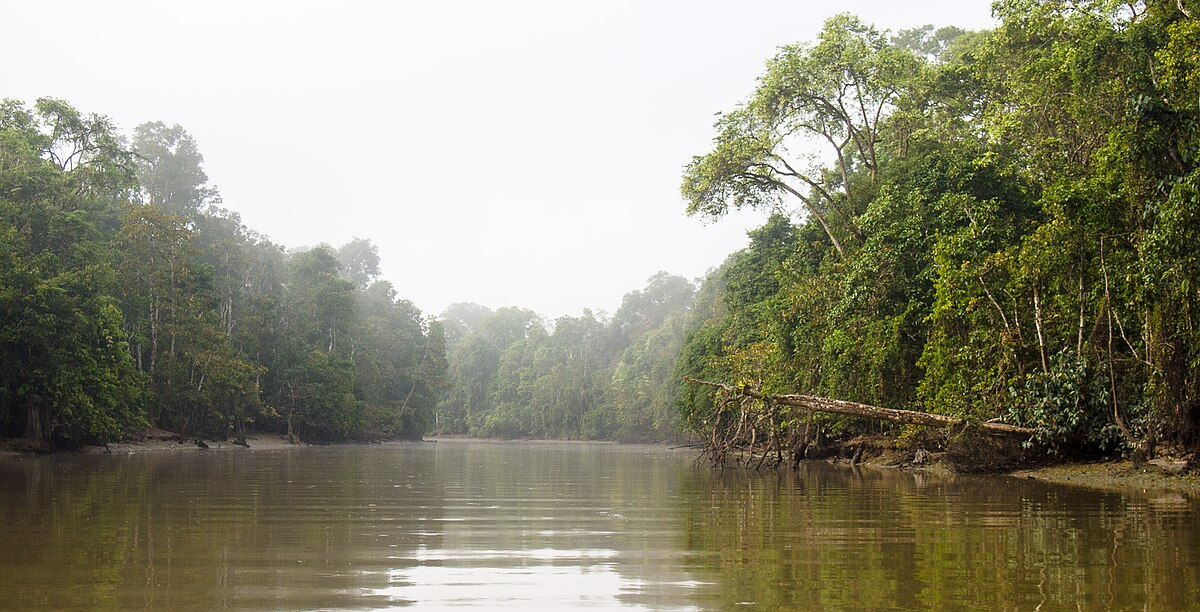
The UNESCO designation is more than an acknowledgment of ecological beauty; it’s recognition of collective effort. Years of collaboration among the federal and state governments, local agencies, NGOs, research institutions, and village communities have turned Kinabatangan into a model of harmony between people and the planet.
The achievement also comes as the Crocker Range Biosphere Reserve successfully retained its UNESCO status after completing a decade-long periodic review.
These assessments, conducted every ten years, evaluate management strategies, zoning systems, and community engagement to ensure biosphere reserves remain effective in balancing conservation and sustainable development.
Kinabatangan’s inclusion strengthens Malaysia’s alignment with the National Policy on Biological Diversity 2022–2030, which encourages the recognition of ecologically significant areas under global frameworks like MAB, Ramsar, ASEAN Heritage Parks, and others. It is a milestone not only for Sabah but also for Malaysia’s leadership in Southeast Asia’s biodiversity conservation.
A Sanctuary for the Future of Borneo
Kinabatangan now stands as a symbol of resilience, proof that protecting nature means nurturing life itself. The vast floodplain forests and winding rivers of Sabah have become a living classroom for scientists, conservationists, and local communities striving to redefine how humans and ecosystems coexist.
This recognition by UNESCO is not merely a title, it is a promise: that the lush rainforests and the wildlife they cradle will continue to thrive for generations to come. As Borneo’s wild heart beats within Kinabatangan’s forests, it reminds the world that coexistence, not conquest, is the true measure of progress.
Kinabatangan is more than a river or a forest, it is a living testament to how humanity and nature can share one pulse.