Located in Putrajaya, Malaysia's administrative capital, Persiaran Sultan Salahuddin Abdul Aziz Shah holds the Guinness World Record as the world's largest roundabout.
The circular road measures 3.4 kilometers in circumference and features 15 entry and exit points, three of which sit on the inside of the roundabout. It was designed by Malaysian architect Hijjas Kasturi and inaugurated in 2003.
The roundabout encircles a hill and functions as one of the city's central transport hubs. It connects several of Putrajaya's landmarks. It also provides access to the Perdana Putra building, which houses the Prime Minister's office, and the Putra Mosque on the lake's shore.
Several major boulevards converge here before branching out toward government complexes across Putrajaya's precincts.
Built for a Capital, Not Just for Traffic
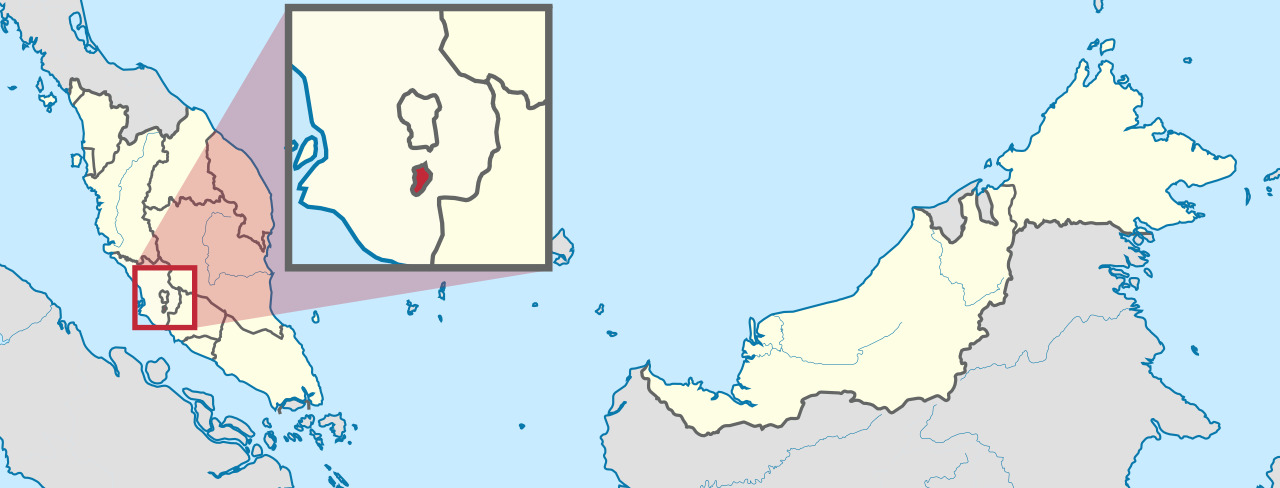
Construction of Putrajaya began in August 1995 as part of Malaysia's plan to relocate much of the federal government from Kuala Lumpur.
Covering nearly 49 square kilometers, the city was built on former rubber and palm oil plantations and became Malaysia's third federal territory on February 1, 2001. The project had an estimated final cost of US$8.1 billion, making it one of Southeast Asia's largest infrastructure undertakings at the time.
According to Putrajaya Corporation, around 38% of the city's total area is dedicated to parks, lakes, and wetlands, earning Putrajaya the nickname "Intelligent Garden City". At the heart of the city lies Putrajaya Lake, a roughly 600 hectare artificial lake formed by damming rivers and former tin-mining pits.
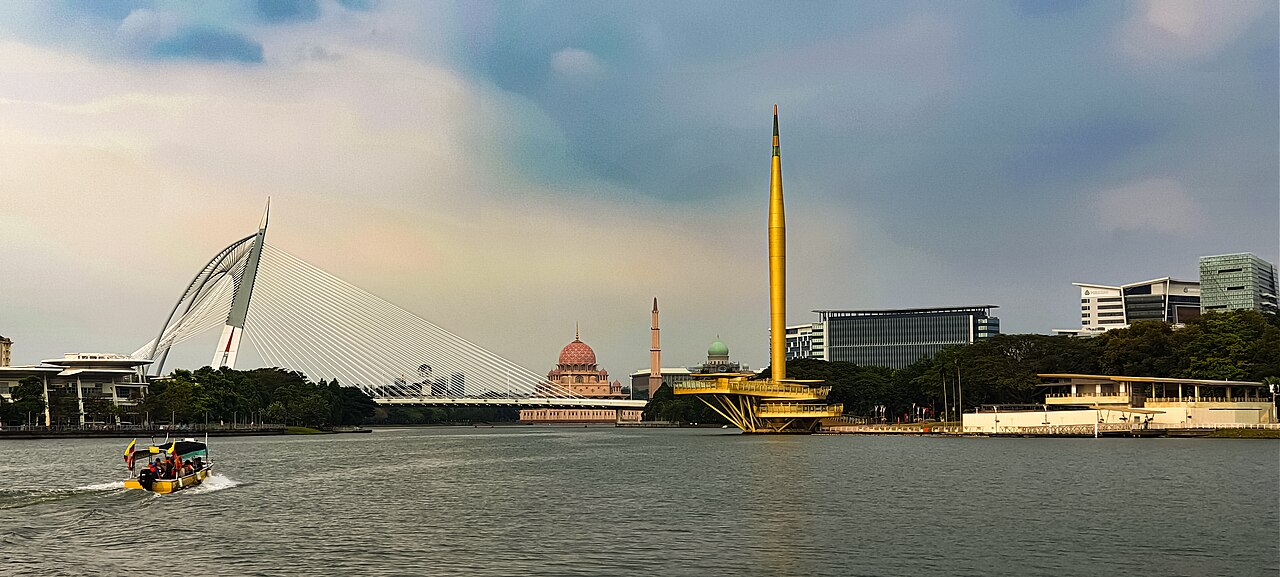
The lake is fed in part by the Putrajaya Wetlands, the first man made wetland system in Malaysia and the largest constructed freshwater wetland in the tropics, spanning around 197 hectares across 24 wetland cells.
Why So Large?
Putrajaya's road network was designed before most of its buildings existed, since the city was built on a greenfield site rather than developed gradually around existing structures. Planners routed roads around the site's undulating terrain and large bodies of water without weaving around pre-existing structures.
The roundabout functions as a central distributor, directing traffic in one direction clockwise between multiple districts, with only some of its 15 entry points controlled by traffic lights. Traffic is dispersed across these connecting roads rather than funneled into a single intersection, serving both official convoys and daily commuters.
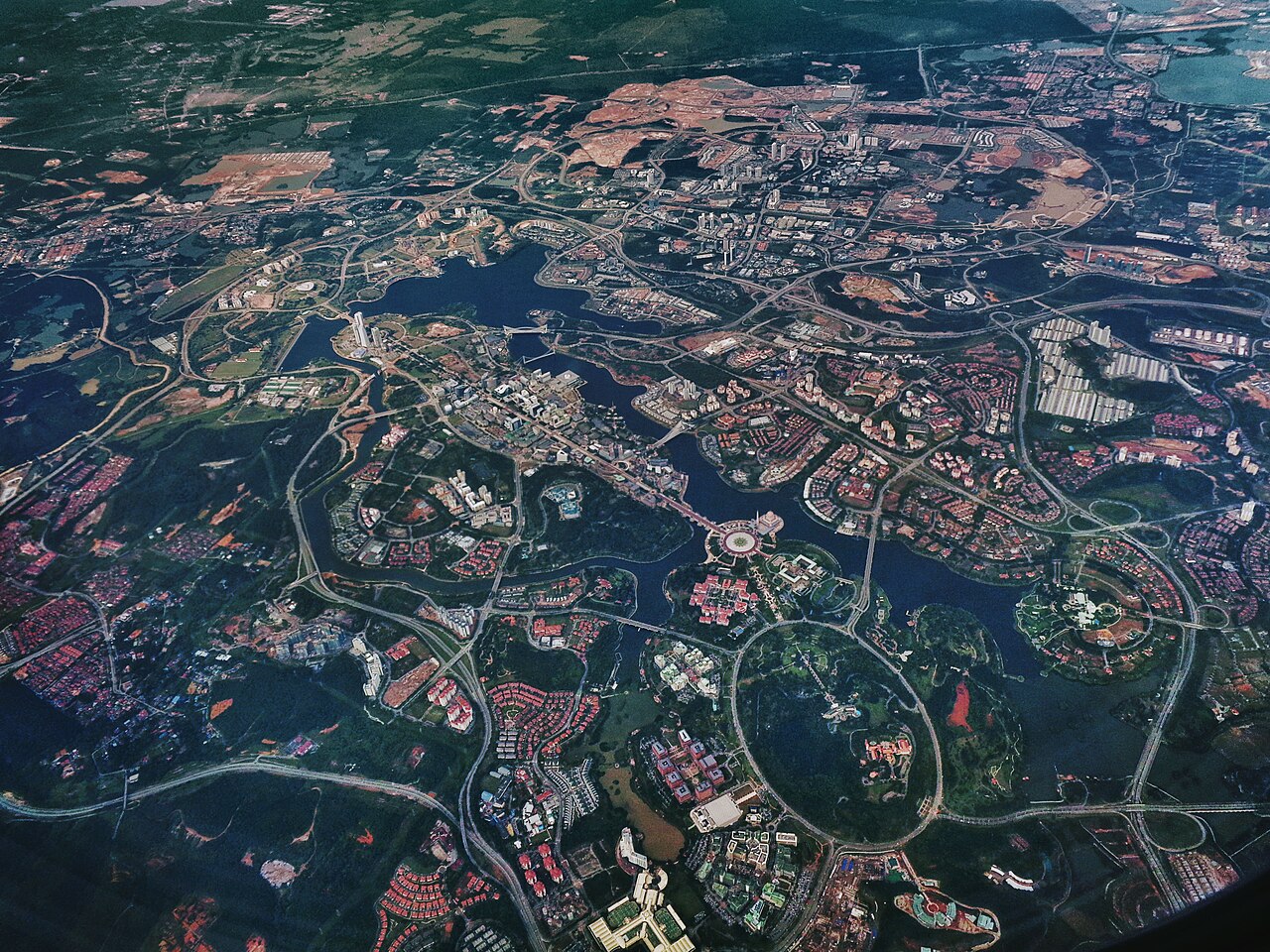
This design aligns with Putrajaya's status as an "Intelligent Garden City," a master plan pairing administrative efficiency with wide boulevards and expansive public spaces.
A Record in Daily Use
Completing one full loop covers 3.4 kilometers, roughly the distance of a 40 to 45 minute walk at an average pace, or about three and a half minutes by car under normal traffic conditions.
The roundabout continues to operate as part of Putrajaya's daily transport network, primarily serving government traffic and the city's population, estimated at 119,700 as of the first quarter of 2024 according to the Department of Statistics Malaysia.
Putrajaya Lake has also hosted international events, including the F1 Powerboat World Championship in 2004, the Asian Canoeing Championship in 2005, and rowing and canoeing events during the 2017 Southeast Asian Games.
Underscoring the roundabout's role as the access point to one of Putrajaya's most used public spaces.