


Throughout history, countries have changed their names for various reasons, ranging from colonial legacies and political shifts to cultural identity and historical reclamation. These changes often mark significant transitions in a nation’s identity and global perception.
Below are notable examples of countries that have officially changed their names, each carrying a story of transformation and national redefinition.
1. Burma to Myanmar

In 1989, the military government of Burma officially changed the country’s name to Myanmar. This decision came shortly after a brutal crackdown on pro-democracy protesters in 1988 and was part of a broader effort by the ruling junta to distance the nation from its colonial past.
While "Burma" had been the commonly used name since the British colonial period, "Myanmar" is considered a more formal version of the name in the Burmese language.
However, the change was politically controversial, as many democratic opposition groups and Western governments continued to use "Burma" for years, arguing that the military regime lacked legitimacy.
Over time, most international bodies, including the United Nations, adopted "Myanmar," and the name is now widely recognized.
2. Ceylon to Sri Lanka

Sri Lanka, formerly known as Ceylon, officially adopted its new name in 1972 when it became a republic. The name "Ceylon" was a colonial legacy, stemming from Portuguese, Dutch, and British rule over the island.
Upon gaining independence from Britain in 1948, the country initially retained the name Ceylon. However, with the establishment of a new republican constitution in 1972, the name was changed to Sri Lanka, which translates to "resplendent island" in Sanskrit.
The change signified a move towards embracing indigenous culture and national identity, rejecting colonial-era nomenclature in favor of a name rooted in local heritage.
3. Swaziland to Eswatini
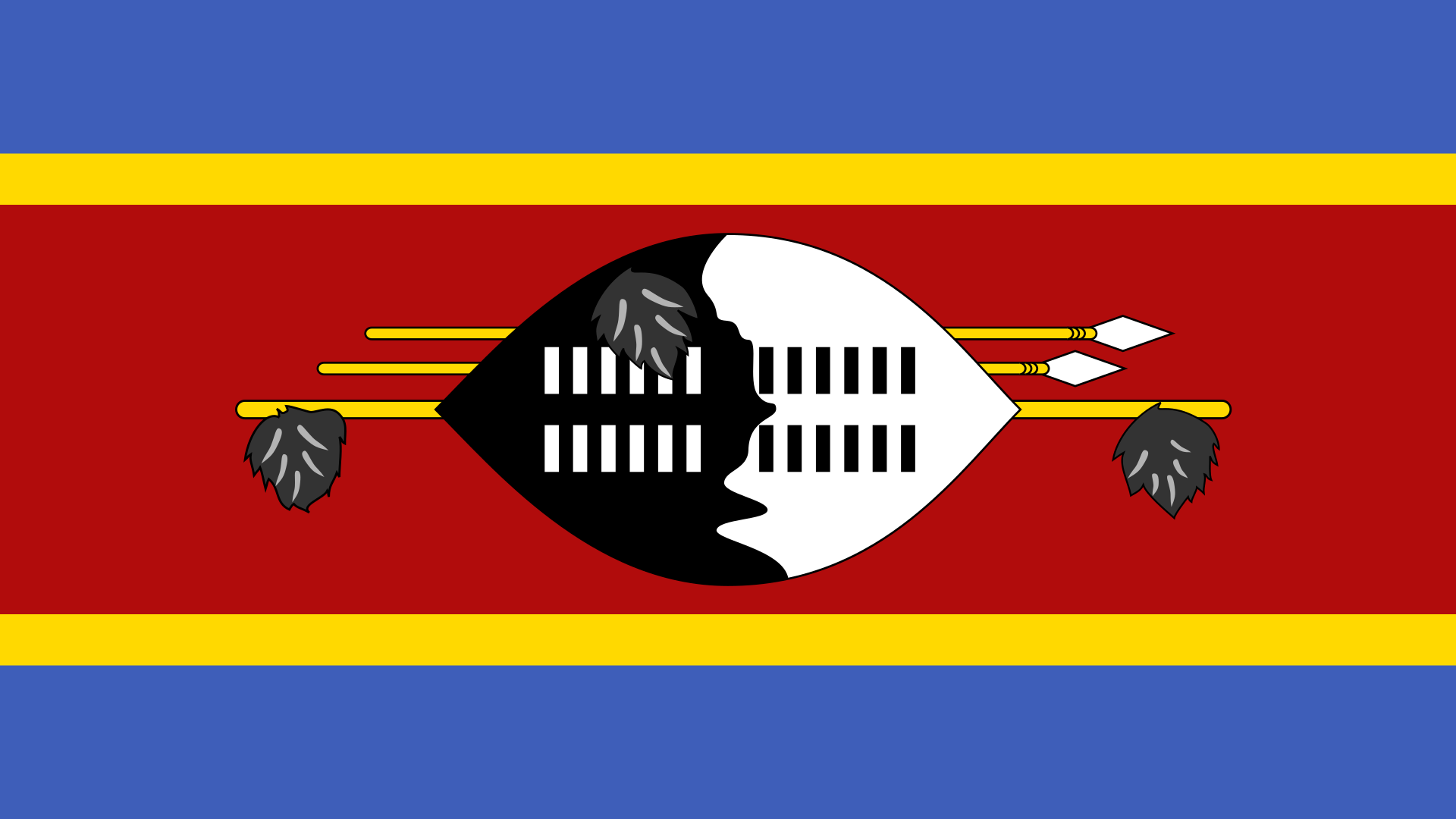
In 2018, King Mswati III of Swaziland announced that the country would revert to its pre-colonial name, Eswatini. The announcement was made during the celebration of the 50th anniversary of independence from British colonial rule and the king’s 50th birthday.
"Eswatini" means "land of the Swazis" in the Swazi language. The name change was meant to eliminate confusion between Swaziland and Switzerland, while also reinforcing a sense of national pride and identity.
Critics, however, questioned the timing and cost of the change in a country facing economic difficulties. Nonetheless, the change was widely accepted domestically and internationally.
4. Rhodesia to Zimbabwe
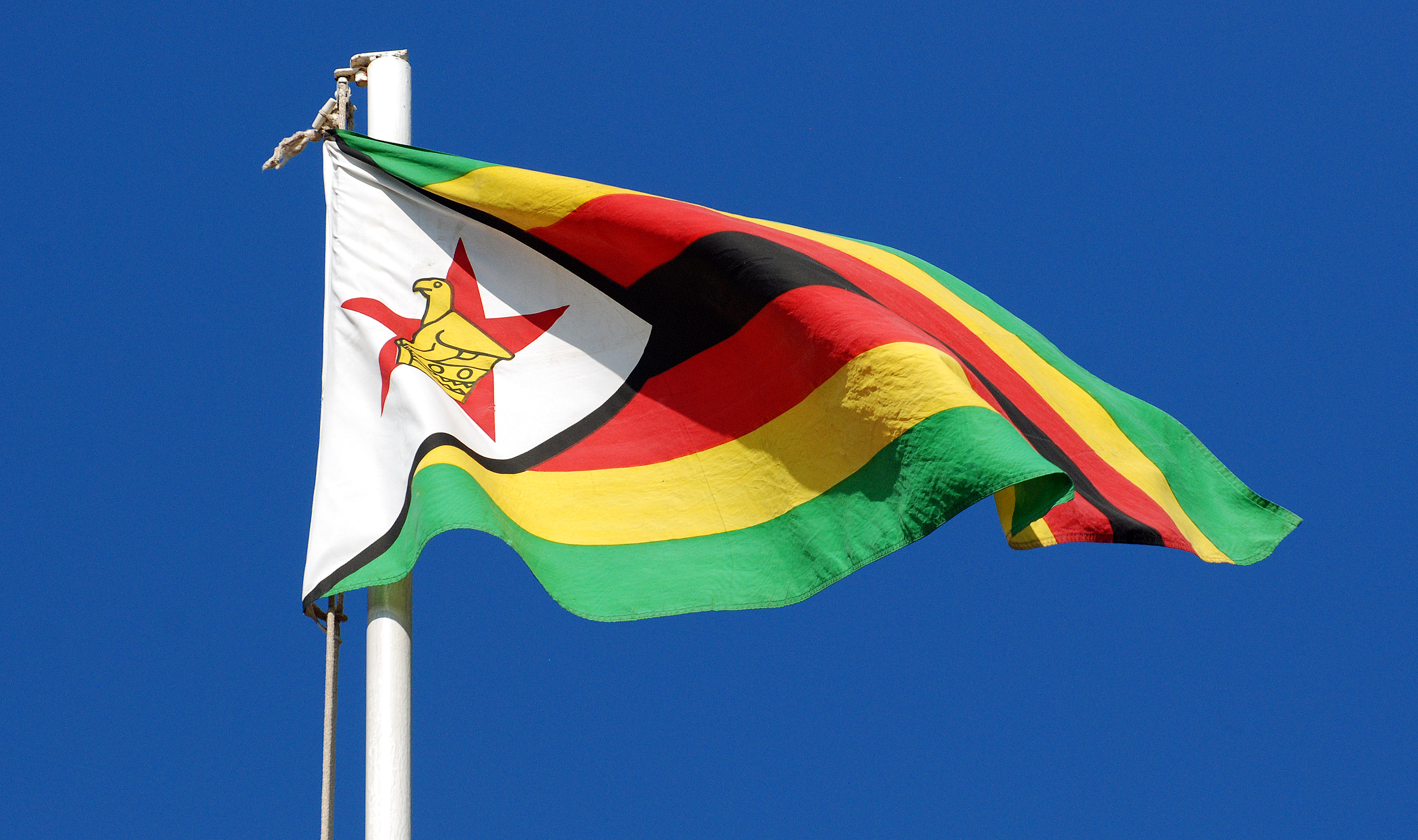
The country formerly known as Rhodesia officially became Zimbabwe in 1980, following years of guerrilla warfare and a negotiated end to white minority rule. "Rhodesia" was named after British imperialist Cecil Rhodes and symbolized colonial oppression.
After a protracted liberation struggle led by nationalist movements, the country gained independence through the Lancaster House Agreement.
The new name, Zimbabwe, was inspired by Great Zimbabwe, an ancient African city that represented a proud pre-colonial civilization.
The renaming marked a significant shift toward reclaiming African identity and rejecting colonial legacies, with Robert Mugabe becoming the first prime minister of the independent nation.
5. Macedonia to North Macedonia

The Republic of Macedonia officially changed its name to North Macedonia in 2019 following a decades-long dispute with Greece. After the breakup of Yugoslavia in the early 1990s, Macedonia declared independence under the name "Republic of Macedonia."
However, Greece objected to this name, as it is also the name of a historic and geographical region in northern Greece. The disagreement stalled Macedonia’s aspirations to join the European Union and NATO.
After years of negotiations, the Prespa Agreement was signed in 2018, and the name "North Macedonia" was adopted in 2019. This compromise paved the way for improved relations with Greece and advancement toward EU and NATO membership.
6. Persia to Iran

In 1935, the government of Persia requested that the international community refer to the country by its native name, Iran.
While the name Persia had been used by the West for centuries, particularly to describe the ancient Persian Empire, "Iran" had always been used internally.
The move, initiated by Reza Shah, was part of a broader modernization effort aimed at asserting national sovereignty and reducing the influence of foreign powers. The name Iran means "land of the Aryans," reflecting the country's Indo-European heritage.
Though the name Persia is still used in cultural and historical contexts, "Iran" has been the official designation ever since.
7. Zaire to Democratic Republic of the Congo

From 1971 to 1997, the country now known as the Democratic Republic of the Congo was called Zaire. The name change was initiated by President Mobutu Sese Seko as part of his "Authenticity" campaign, aimed at shedding colonial influences and promoting African identity.
"Zaire" was derived from a Portuguese mispronunciation of the local term nzere, meaning “the river that swallows all rivers.” In 1997, after Mobutu was overthrown by Laurent-Désiré Kabila, the country reverted to its former name, the Democratic Republic of the Congo.
The restoration signified a break from Mobutu’s authoritarian regime and a step toward national reconstruction.


