


In a world increasingly driven by speed and distraction, few films invite audiences to pause and reflect as deeply as Nostalgia de la luz (Nostalgia for the Light). Directed by acclaimed Chilean filmmaker Patricio Guzmán, the award-winning documentary became the centerpiece of a special film discussion hosted by Musee ID and BRIN in Jakarta on May 26, 2026. The event brought together scholars, researchers, cultural observers, and film enthusiasts to explore how cinema can connect science, memory, and humanity in one extraordinary narrative.
Held at the BRIN Widya Graha Auditorium in South Jakarta, the screening was more than a film appreciation session. It became a conversation about remembrance, ethics, history, and the role of museums and observatories in preserving collective memory. The discussion featured notable Indonesian scholars and cultural practitioners, including Karlina Supelli, Rhorom Priyatikanto, Harfiyah Widiawati, and Nofa Farida Lestari, moderated by Ary Sulistyo.
A Desert That Holds the Universe and Human Memory
Released in 2010, Nostalgia for the Light is widely regarded as one of the most influential documentary essay films of the 21st century. Set in Chile’s Atacama Desert, the documentary follows two parallel journeys unfolding in the same barren landscape. On one side are astronomers using powerful telescopes to study ancient stars and understand the origins of the universe. On the other are elderly women searching the desert soil for the remains of loved ones who disappeared during the dictatorship of Augusto Pinochet.
The Atacama Desert plays a central role in the film’s emotional power. Known as one of the driest places on Earth, the region preserves both celestial visibility and human traces. Ancient light from galaxies can be observed with extraordinary clarity, while buried bones and historical artifacts remain intact beneath the desert sands. Guzmán uses this striking contrast to ask a universal question: how do societies remember the past while moving toward the future?
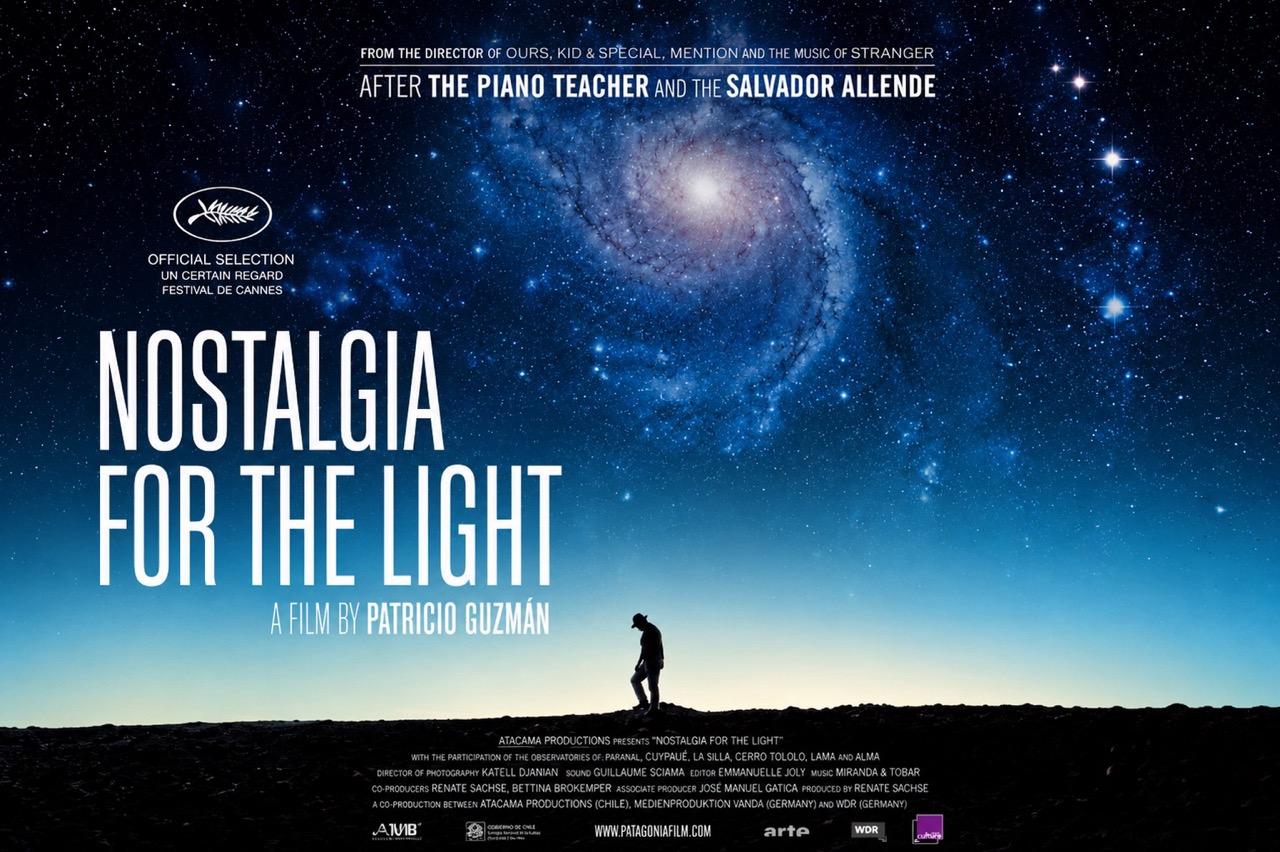
As Guzmán famously states in the documentary, “Those who have a memory are able to live in the fragile present. Those who have none don’t live anywhere.” The quote has become one of the defining reflections of the film and continues to resonate globally.
Cinema, Science, and Humanity in One Conversation
The Jakarta discussion highlighted how Nostalgia for the Light bridges disciplines often seen as separate. Astronomy, archaeology, politics, and philosophy are woven together through poetic storytelling and stunning cinematography. Participants discussed how observatories and museums are not only spaces for scientific discovery, but also institutions that safeguard human memory and identity.
The event also reflected Indonesia’s growing interest in interdisciplinary cultural discussions. In recent years, film screenings combined with public dialogues have become increasingly popular among universities, museums, and cultural organizations. These gatherings create opportunities for younger audiences to engage with global issues through art and storytelling rather than through formal academic settings alone.
According to data from the International Documentary Association, documentary film audiences worldwide have continued to grow steadily over the past decade, particularly among younger viewers seeking socially conscious and reflective content. Meanwhile, Nostalgia for the Light itself remains highly regarded in international cinema circles, winning the European Film Academy Documentary Award in 2010 and appearing regularly on lists of the greatest documentaries of modern cinema.
Building Bridges Through Shared Reflection
What made the Jakarta event especially meaningful was its ability to transform a Chilean historical experience into a universal human conversation. Although the film is deeply rooted in Chile’s political history, its themes of grief, remembrance, and scientific curiosity transcend borders.
The dialogue also reminded audiences that memory is not limited to archives or textbooks. It exists in stories, landscapes, traditions, and even silence. Through discussions involving astronomy, ethics, and museum practices, participants reflected on how societies across the world—including Indonesia—continue searching for ways to preserve historical truth while fostering empathy across generations.
The gathering demonstrated how cinema can become a bridge between disciplines, cultures, and lived experiences. In an era dominated by short-form digital content, thoughtful public conversations like this offer a rare space for deeper reflection.
When Art Helps Us Understand the Past
More than fifteen years after its release, Nostalgia for the Light continues to inspire audiences because it transforms history into something deeply personal and profoundly human. By connecting the stars above with the memories buried beneath the earth, the film reminds viewers that science and emotion are not opposites, but complementary ways of understanding existence.
The Jakarta screening ultimately became more than a cultural event. It was an invitation to reflect on memory, dignity, and humanity itself. Through film, discussion, and shared contemplation, participants were reminded that understanding the past is not about remaining trapped within it, but about finding meaning that can illuminate the present.


