During World Cities Day 2025, UNESCO introduced its newest members of the UNESCO Creative Cities Network (UCCN) and among the standout names was Kuala Lumpur.
The Malaysian capital officially received the title Creative City of Design 2025, a global acknowledgement that reinforces KL’s commitment to design-driven innovation and people-centered urban development.
More than just a symbolic achievement, the designation positions Kuala Lumpur as a city that sees creativity not as an accessory, but as a foundation for sustainable, long-term progress. It marks KL’s evolution from a city recognized for its commercial appeal into one shaping a distinct creative identity on the international stage.
Understanding UCCN: A Global Network of Creative Cities
Established in 2004, the UCCN serves as UNESCO’s collaborative platform for cities that view creativity as a strategic engine for development. Through the network, member cities exchange ideas, learn from one another, and co-create approaches that strengthen cultural industries, encourage innovation, and improve the everyday experience of urban life.
The network covers several categories, including Design, Architecture, Crafts and Folk Art, Film, Music, Gastronomy, Media Arts, and Literature. Among these, Design has become one of the most influential pillars, shaping how cities imagine public spaces, transportation systems, housing, community interaction, and environmental solutions.
Over recent years, Kuala Lumpur has shown a growing dedication to design-led development, revitalizing riverfronts, expanding creative districts, modernizing mobility infrastructure, and rethinking how neighborhoods and public areas can better serve their communities.
How Kuala Lumpur’s UNESCO Title Reframes the City’s Future
The UNESCO recognition does more than celebrate Kuala Lumpur’s creative strengths, it reshapes how the world perceives the city and how KL imagines its own next chapter.
The designation elevates KL’s global profile, allowing it to stand alongside cities where design plays a central role in shaping culture and urban life. This visibility naturally opens doors for new collaborations, creative exchanges, and international partnerships that may not have been within reach before.
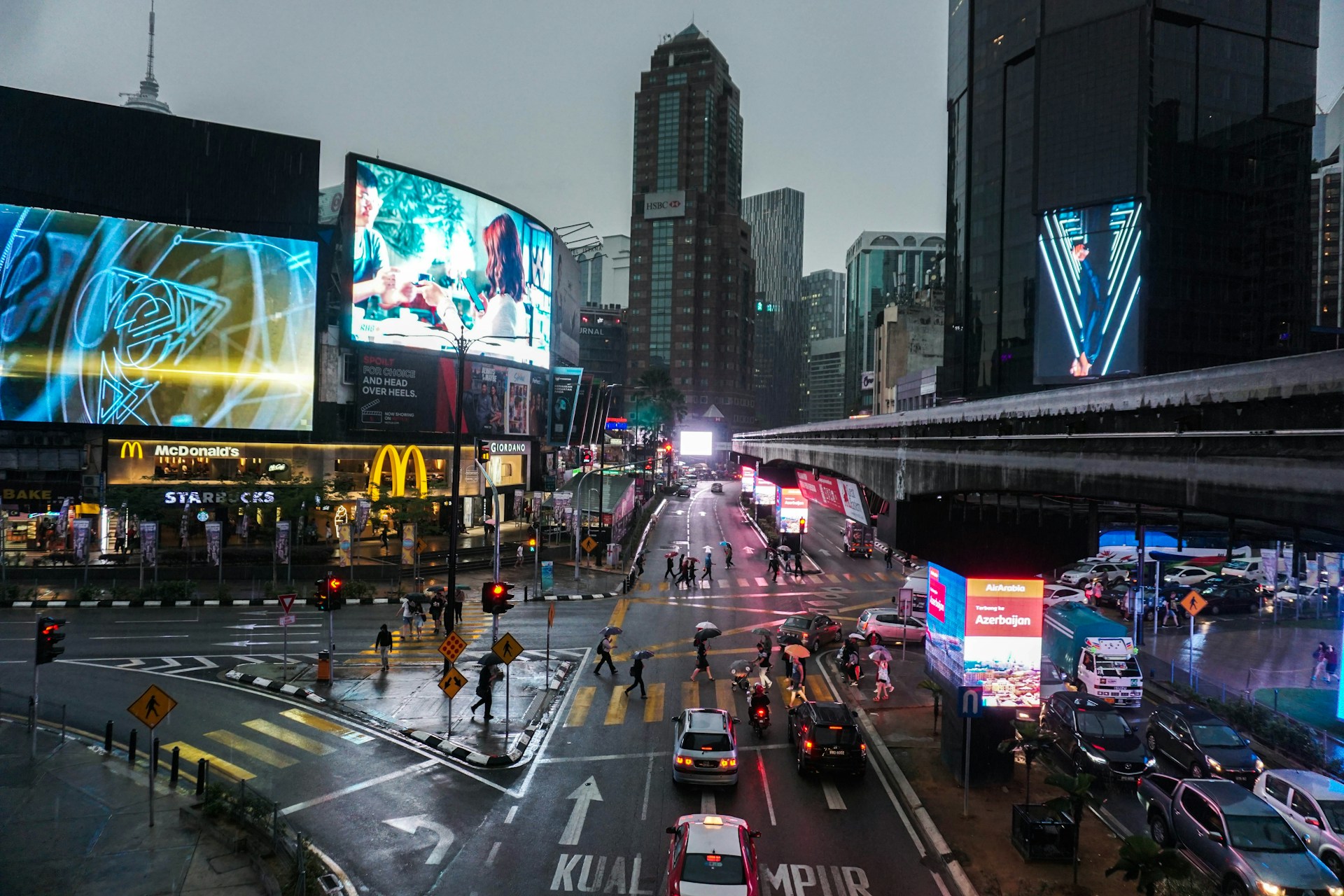
For Malaysia’s creative sector, the designation strengthens momentum across multiple fields, from architecture and digital media to product design and cultural crafts. It expands networks, enhances visibility, and encourages a more dynamic ecosystem where local creators can access global platforms. These developments align with KL’s ongoing efforts to build a city where design influences how spaces evolve, how mobility is planned, and how heritage is preserved alongside modern growth.
The title also builds confidence among investors and cultural institutions, signaling that Kuala Lumpur is committed to sustainable urban innovation and a long-term creative direction. Projects such as Tun Razak Exchange (TRX) and Merdeka 118 reflect this ambition, blending contemporary architecture with design values that define a modern, forward-looking city.
Malaysia’s Expanding Footprint in the UNESCO Creative Cities Network
Kuala Lumpur’s entry into UCCN adds another layer to Malaysia’s growing creative portfolio. KL joins:
- Kuching, named City of Gastronomy in 2021
- Ipoh, recognized as City of Music in 2023
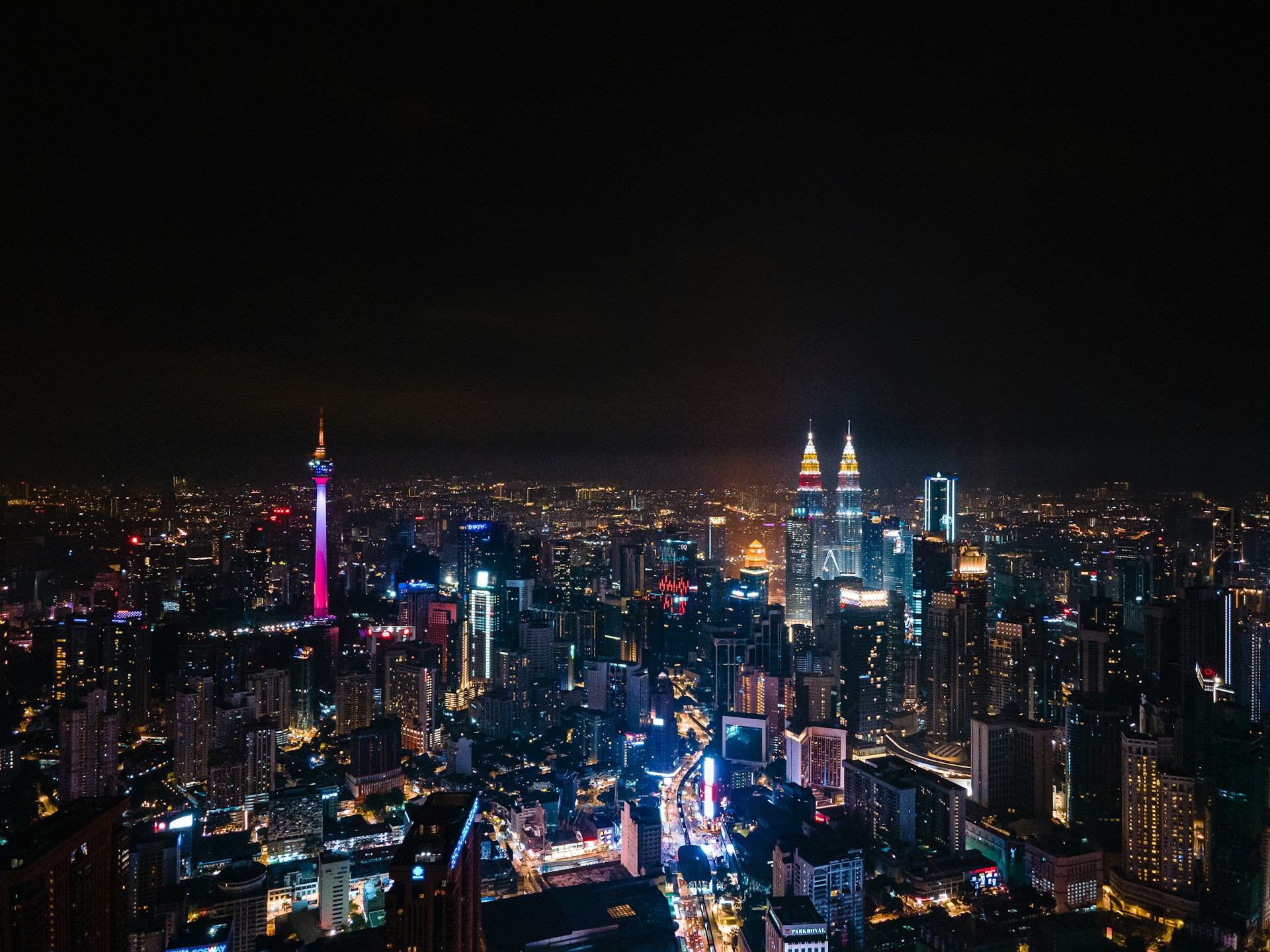
Together, the three cities represent Malaysia’s creative diversity, from culinary excellence and musical heritage to design innovation.
Malaysia’s global cultural recognition does not stop there. The country is also home to UNESCO World Heritage Sites such as Melaka and George Town, as well as Langkawi, part of the UNESCO Global Geoparks and Biosphere Network. These distinctions highlight Malaysia’s balanced commitment to preserving heritage while encouraging contemporary creative growth.
What This Means for People Living in Kuala Lumpur
For KL residents, the UNESCO title opens new avenues for participation in creative initiatives, ranging from community workshops and design festivals to interdisciplinary collaborations and urban experiments. It signals that creativity will increasingly shape how the city grows, how public areas are designed, and how innovation becomes part of everyday urban life.
On the global stage, the recognition gives Kuala Lumpur a stronger voice in conversations on design, sustainability, and urban culture. As KL participates more actively in UCCN’s collaborative ecosystem, the city can both learn from global creative leaders and contribute its own ideas to shared challenges.
With this designation, Kuala Lumpur steps into a pivotal phase: one where the city is not only redefining its skyline but also strengthening the cultural and creative forces that will shape its future. The recognition further solidifies Southeast Asia’s growing impact in the global creative landscape.