Nestled at the confluence of the Mekong and Nam Khan rivers in northern Laos lies a place that feels less like a modern destination and more like a living museum. Luang Prabang, the former royal capital of the Kingdom of Laos, is often described as a city where time has legally stood still since the 19th century.
This is not merely a poetic observation by travelers but a reality enforced by international law and deep seated cultural traditions that refuse to bow to the pressures of the 21st century.
A Legal Fortress Against Modernity
The primary reason Luang Prabang remains so perfectly preserved is its designation as a UNESCO World Heritage site in 1995. This legal status transformed the entire town into a protected zone where modern development is strictly regulated.
Unlike other Southeast Asian cities that have embraced skyscrapers of glass and steel, Luang Prabang operates under a rigorous set of architectural guidelines. New buildings must adhere to traditional Lao styles or the distinct French colonial aesthetic that defined the city in the 1800s.
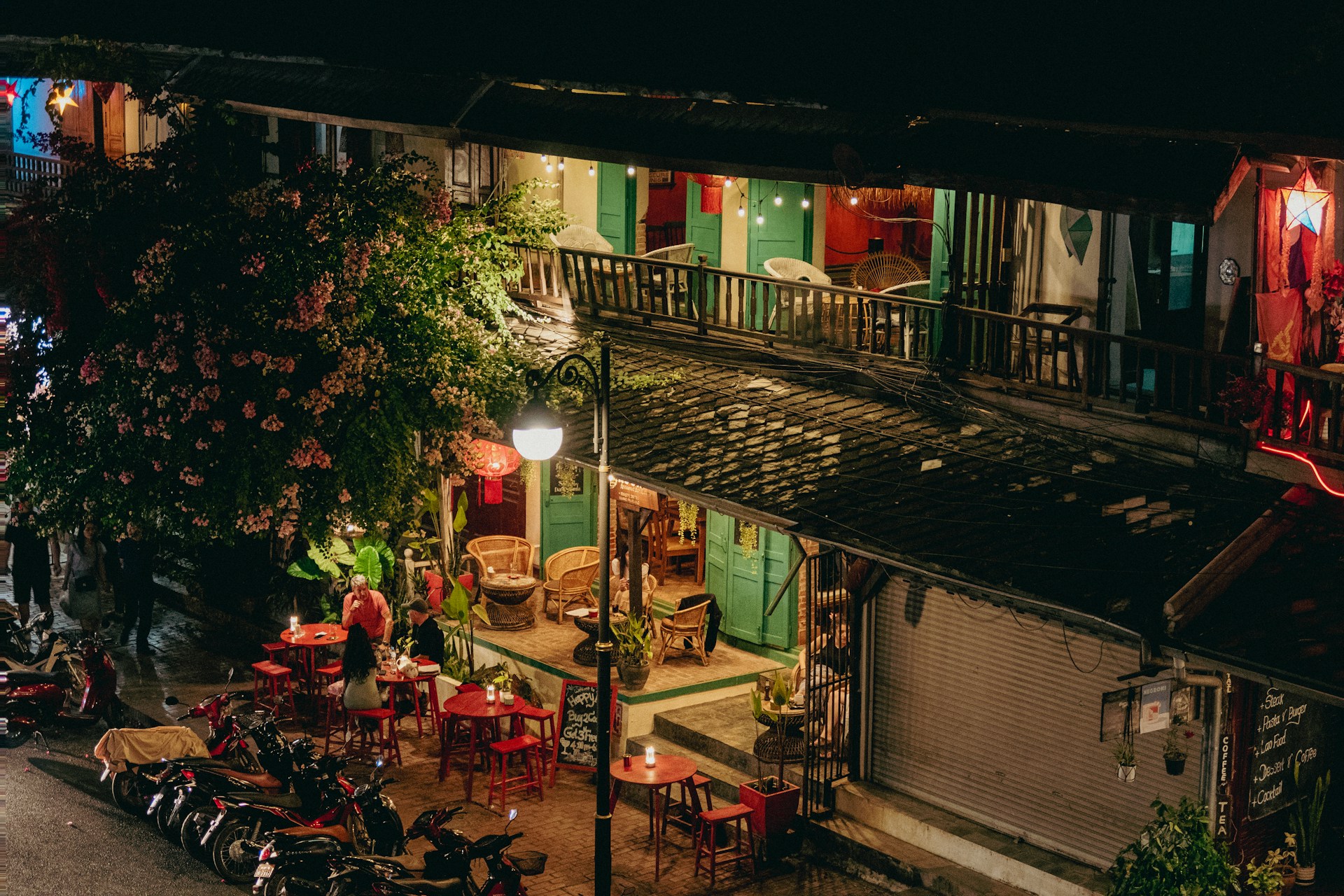
The use of modern materials like concrete and asphalt is carefully monitored, and neon signs or large scale advertisements are virtually nonexistent within the historic core. Even the streets themselves are preserved, with many lanes remaining narrow and paved with brick or stone.
By legally stopping the march of modern urban planning, the city has managed to save its soul from the generic sprawl that has overtaken other regional capitals. This preservation effort allows visitors to walk through a landscape that looks almost exactly as it did over a century ago.
The Orange Robe and the Silent Pulse of the City
If the architecture provides the stage, the spiritual life of the city provides the heartbeat. Luang Prabang is famous for its vibrant community of Buddhist monks, whose daily presence is a fundamental part of the city’s identity.
The most iconic image of the city is the dawn procession of monks, known as Sai Bat. Every morning as the sun begins to rise, hundreds of monks and novices dressed in bright orange robes emerge from the many temples to walk silently through the streets.
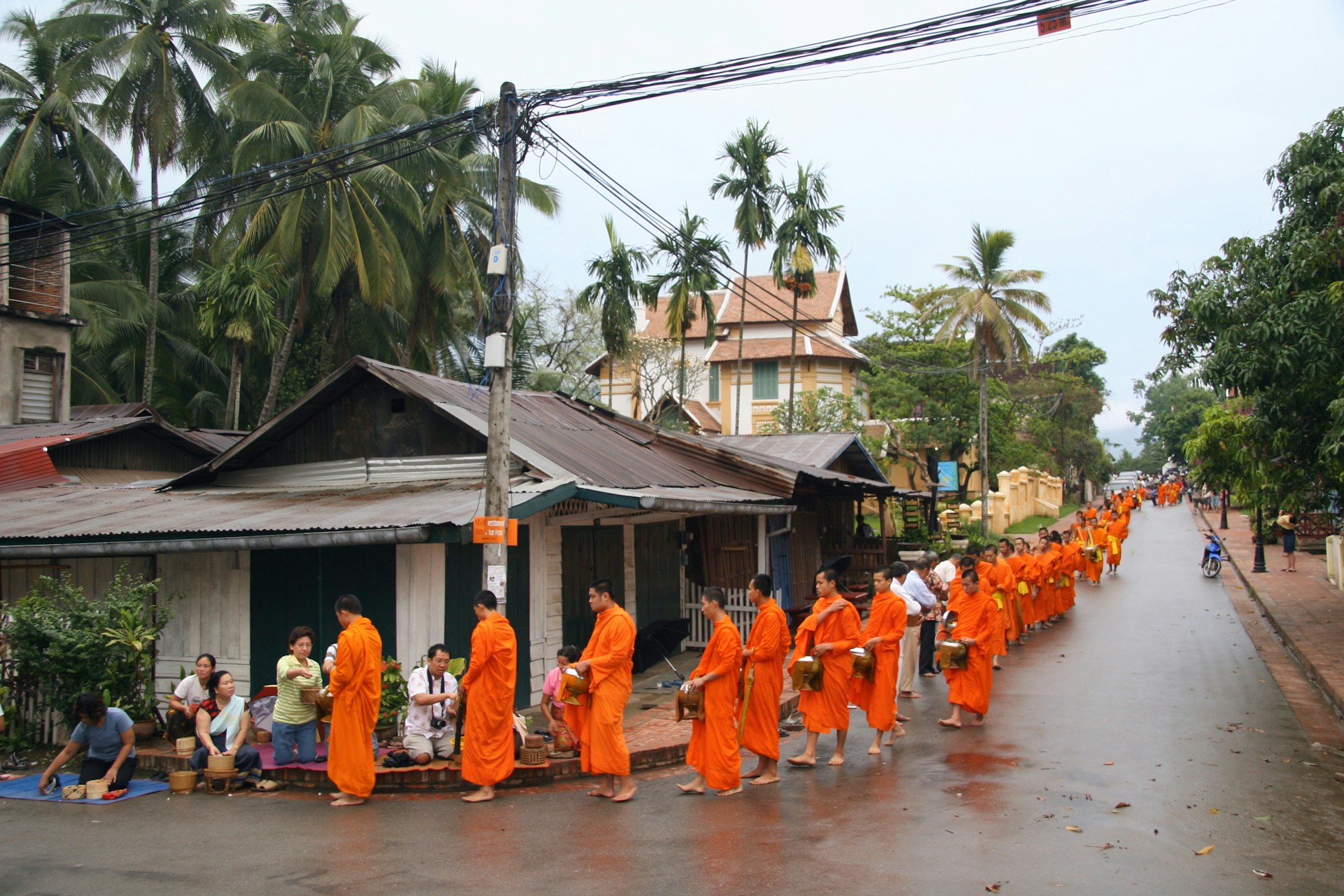
During this ritual, local residents and devout visitors sit quietly on the sidewalk to offer sticky rice and food into the alms bowls of the passing monks. This tradition has been practiced for centuries without interruption. In many other parts of Asia, such traditions have been pushed to the fringes or turned into staged performances, but in Luang Prabang, it remains a genuine pillar of daily life.
The sight of a long line of orange robes against the backdrop of 19th century wooden houses and French villas is a powerful reminder that while the rest of the world rushes toward the future, Luang Prabang continues to move at a meditative pace.
A Fusion of Two Worlds in One Landscape
What makes the visual identity of Luang Prabang so unique is the seamless blend of two very different architectural traditions. On one hand, the city is home to some of the most sophisticated traditional Lao temples, such as Wat Xieng Thong with its sweeping roofs that nearly touch the ground.
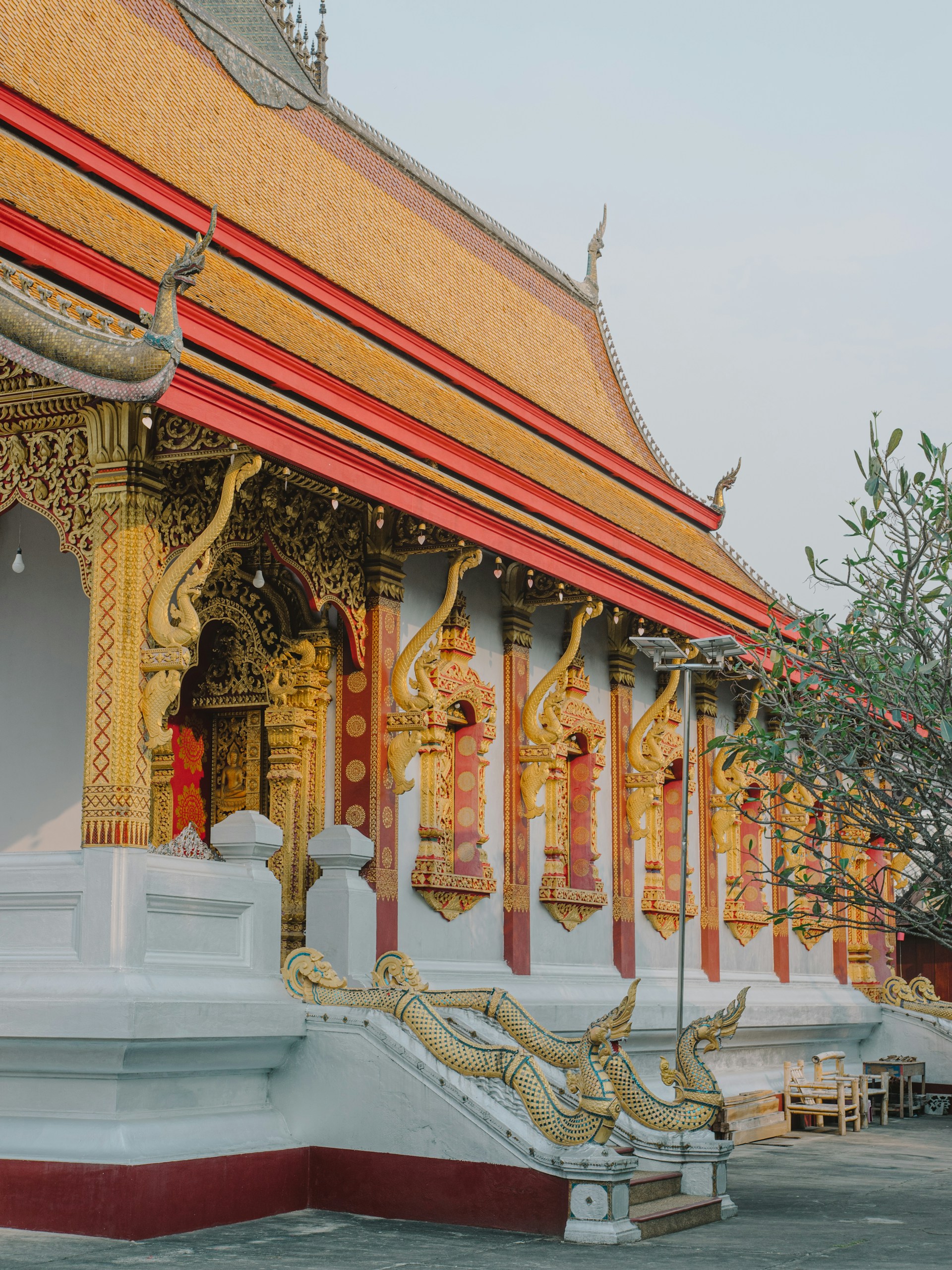
These structures represent the peak of local craftsmanship and royal elegance. On the other hand, the city is filled with colonial villas and administrative buildings left behind by the French from the late 19th century.
Instead of these two styles clashing, they have merged into a harmonious "Indo Chinese" aesthetic. The French influence brought brickwork, balconies, and shuttered windows, while the Lao influence maintained the use of high pitched roofs and tropical wood. This hybrid architecture is what gives Luang Prabang its romantic and nostalgic atmosphere.
Walking down its quiet streets, one can easily imagine the 19th century explorers or royal diplomats navigating the same paths. It is a rare example of colonial history and indigenous culture coexisting in a way that feels organic rather than forced.
The Luxury of Slowness in a Fast World
In the modern era, speed is often equated with progress. However, Luang Prabang offers a different kind of luxury: the luxury of slowness. By legally and culturally opting out of the fast paced modern world, the city has become a sanctuary for those seeking a deeper connection with history and spirituality.
The lack of heavy traffic, the absence of noisy shopping malls, and the rhythmic sound of temple drums create an environment that encourages reflection rather than consumption.
As Southeast Asia continues to develop at a breakneck speed, the value of Luang Prabang only increases. It serves as a vital reminder that preservation is not just about saving old buildings, but about protecting a way of life.
The city stands as a testament to the fact that it is possible to exist in the 21st century while keeping one foot firmly planted in the beauty of the 19th. For Luang Prabang, stopping the clock was not a sign of falling behind, but a deliberate choice to remain timeless.