


For decades, the Winter Olympics were hugely dominated by nations blanketed in snow for much of the year.
Yet at the 2026 Winter Games in Italy, four Southeast Asian countries—Singapore, Thailand, Malaysia, and the Philippines—are proving that geography is no barrier to ambition. Their participation marks a defining chapter in the region’s evolving winter sports journey.
The 2026 Winter Olympics in Italy

The 2026 Winter Games, officially known as the 2026 Winter Olympics, are being held across northern Italy, with events staged in Milan, Cortina d’Ampezzo, and several Alpine venues.
Italy’s rich winter sports heritage and modern infrastructure provide a fitting stage for both traditional powerhouses and emerging nations.
For Southeast Asia, participation alone represents years of development, overseas training, and determined athletes who have often honed their craft far from home.
Unlike countries with natural winter climates, these tropical nations rely on indoor facilities, foreign training bases, and dual-nationality athletes raised in colder environments. Still, their presence underscores the increasingly global reach of winter sports.
Singapore
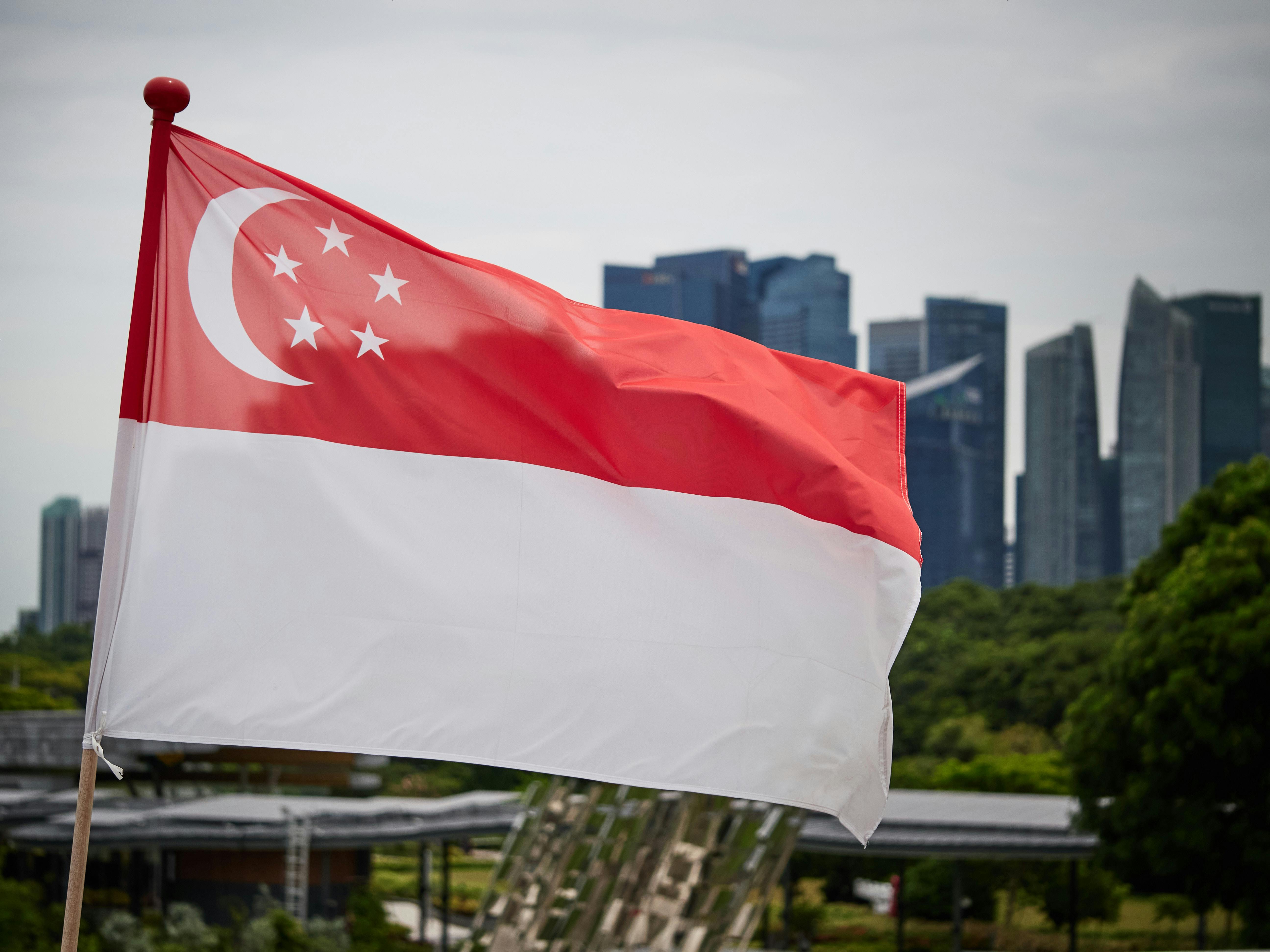
Singapore’s presence at the 2026 Winter Olympics is defined by a singular but meaningful appearance in alpine skiing, with one athlete proudly representing the tropical city-state in Italy.
The sole competitor is Faiz Basha, who has made history as the first skier from Singapore to qualify for a snow event at the Winter Games.
Unlike most of his peers who grew up around snow and mountains, Basha’s path to the Olympics is rooted in a blend of perseverance, unconventional training, and dedication to his sport.
Growing up partly in Switzerland gave him early exposure to skiing, but he also adapted training methods back in Singapore, including practicing on inline skates during periods without snow.
At the Milano-Cortina Games, Basha competed in both the slalom and giant slalom events, overcoming challenging conditions to record a top-35 finish in the slalom competition.
His participation represents a major milestone for Singapore’s winter sports and serves as an inspiring example of how athletes from non-snow countries can break into traditionally northern hemisphere disciplines.
Thailand

At the 2026 Winter Olympics in Italy, Thailand fielded three athletes across two distinct skiing disciplines, marking a noteworthy presence for a tropical nation at a snow-and-ice event.
The Thai team was anchored by the Chanluang siblings, Mark and Karen, who competed in cross-country skiing.
Born to a Thai father and Italian mother and raised among the Alpine slopes of northern Italy, they brought valuable experience to the Games.
With both having already represented Thailand at previous Winter Olympics and returning for their third consecutive appearance in Milano-Cortina.
Their participation highlights Thailand’s growing engagement with winter sport despite its warm climate.
In addition to the Chanluongs, the Thai delegation included a young alpine skier, Fabian Wiest, who competed in slalom and giant slalom events, bringing fresh energy to the nation’s Olympic effort.
Together, these three athletes demonstrated Thailand’s expanding commitment to skiing disciplines at the highest level of competition.
Malaysia

At the 2026 Winter Olympics in Italy, Malaysia was represented by a single athlete in alpine skiing, continuing the nation’s growing involvement in winter sports despite its tropical climate.
The sole Malaysian competitor was Aruwin Idami Salehhuddin, a 22-year-old alpine ski racer who made her second consecutive Olympic appearance after debuting at Beijing 2022, and was also the country’s flagbearer at the opening ceremony.
Aruwin competed in both the slalom and giant slalom events, showcasing resilience and progression on the world stage. In the slalom, she finished 44th out of 53 athletes who completed both runs, emerging as one of Asia’s top finishers in that discipline.
Her giant slalom run ended early due to a course error, but her overall performance demonstrated growth since her Olympic debut.
Her journey reflects a broader narrative of determination and perseverance, training abroad and overcoming geographical challenges to compete with the world’s best.
Aruwin’s participation not only marked another chapter in Malaysia’s winter sports history but also inspired future athletes from regions with limited snow exposure to pursue winter disciplines at the highest level.
The Philippines

At the 2026 Winter Olympics in Italy, the Philippines continued its tradition of representing a tropical nation on snowy slopes with two alpine ski racers, both competing in the slalom and giant slalom events.
Representing the country were Francis Ceccarelli and Tallulah Proulx, who qualified through the quota system and carried the Filipino flag on the global winter sports stage.
Ceccarelli, born in Quezon City and adopted by Italian parents, grew up training in Italy and competed in both men’s events, finishing 54th in the giant slalom while facing tough snow conditions in the slalom.
Proulx made history as the first Filipina and the youngest Filipino athlete ever to compete at the Winter Olympics, completing her races with commendable results including a top‑52 finish in the women’s giant slalom and a 50th place in the slalom.
Their participation highlighted perseverance and the Philippines’ growing commitment to winter sports despite the country’s tropical climate.
A Shared Regional Milestone

Collectively, Singapore, Thailand, Malaysia, and the Philippines sent seven athletes to the 2026 Winter Olympics. While none entered as medal favorites, their participation carries symbolic and developmental significance.
These athletes represent more than individual achievement. They reflect shifting perceptions about who belongs in winter sport arenas.
Access to global training hubs, advancements in sports science, and stronger institutional backing have enabled Southeast Asian competitors to close the gap with traditional winter nations.
Milano Cortina 2026 stands as a reminder that the Olympic spirit transcends climate and geography. For Southeast Asia, this historic participation signals not only present achievement but also future possibility.
As young athletes in tropical cities watch their compatriots compete on snow and ice thousands of kilometers away, the seeds of the region’s winter sports future are already being planted.


