


Ramadan in Southeast Asia is more than a religious observance—it is a living tapestry of culture, community, and shared humanity. From the bustling streets of Jakarta to the quieter corners of Manila, the holy month carries a unique rhythm across the region. Having experienced Ramadan in different Southeast Asian settings, I’ve come to see it not just as a time of fasting, but as a powerful reflection of how diverse societies embrace faith in their own ways.
Indonesia: Where Tradition Meets Togetherness
Being born and raised in Indonesia, Ramadan has always felt deeply personal and vibrant. The experience begins before dawn, when neighborhoods come alive with the sound of drums, music, or children going around waking people up for suhoor. It’s a uniquely communal tradition—no one is left behind in preparing for the day’s fast.
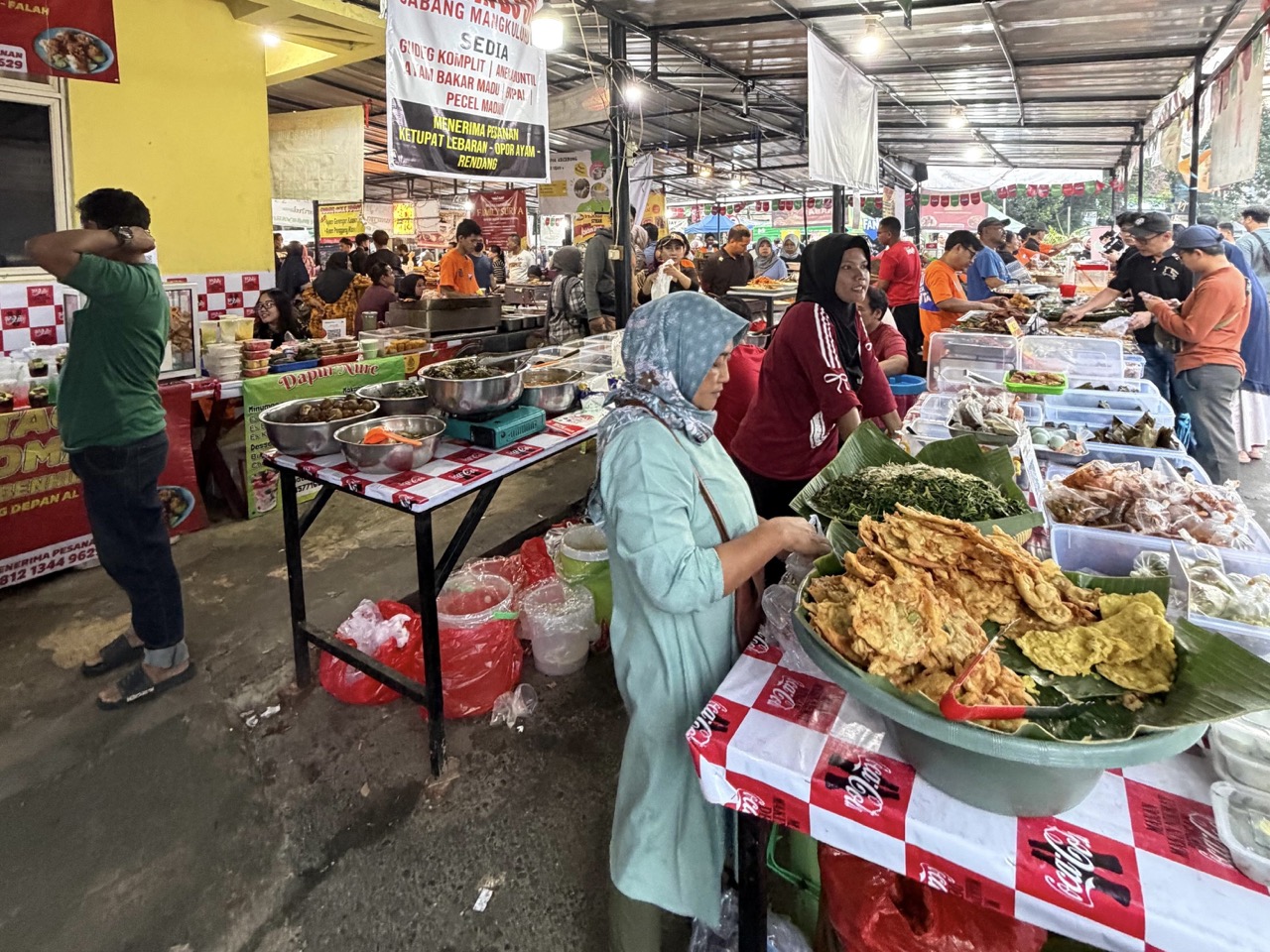
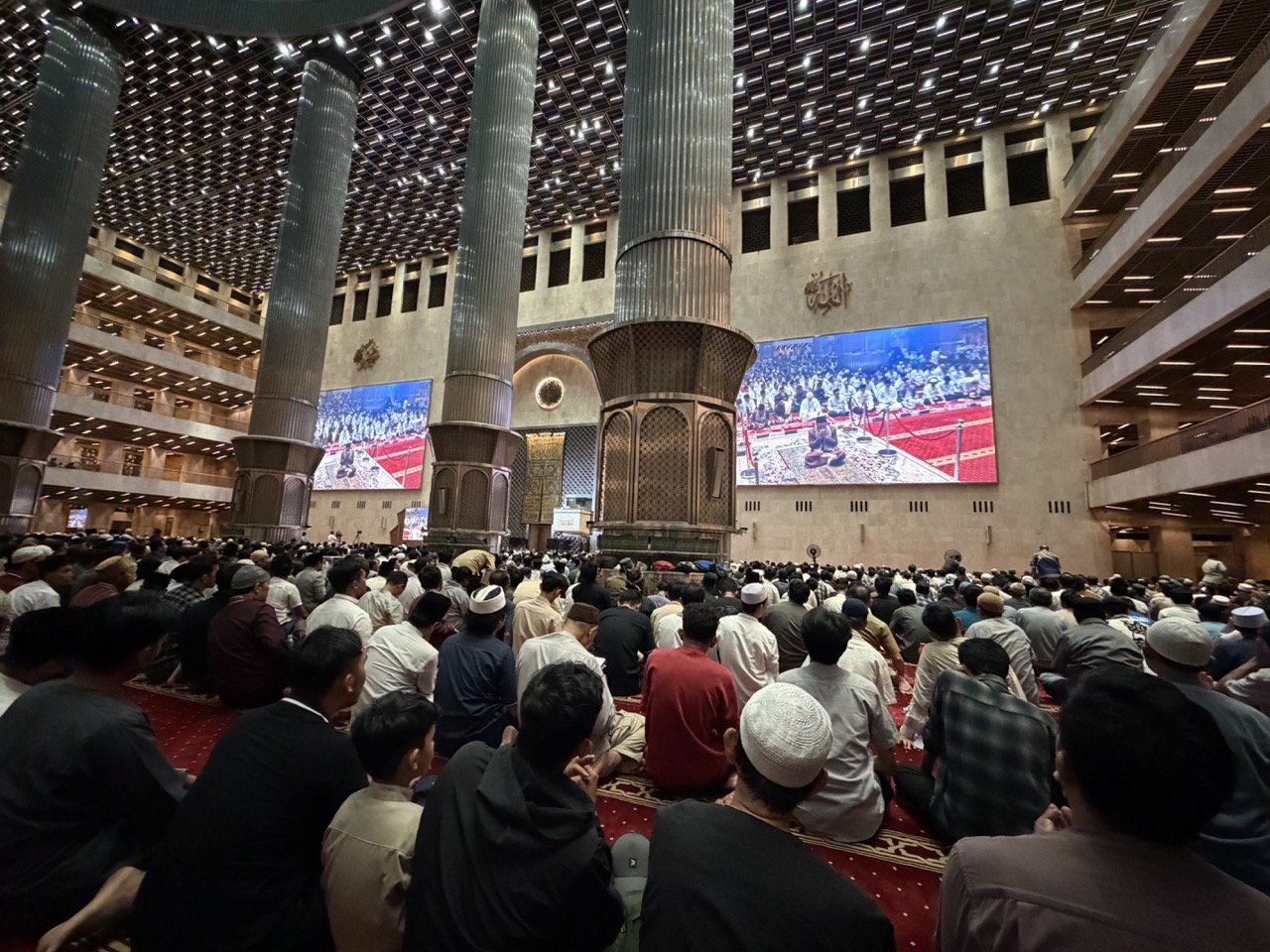
As the sun sets, the atmosphere shifts into something even more electric. Streets fill with people rushing to buy takjil—snacks and drinks for iftar—from local markets. There’s a joyful chaos in this daily ritual, a shared anticipation that builds throughout the day. Then comes tarawih, where mosques are filled with worshippers, reinforcing a sense of unity that defines Ramadan in Indonesia.
Malaysia: A Familiar Warmth Away from Home
Spending the last days of Ramadan in Kuala Lumpur back in 2015 felt like a continuation of home, just in a different setting. As another predominantly Muslim country, Malaysia shares many cultural similarities with Indonesia—from bustling Ramadan bazaars to communal prayers.
What stood out most was the atmosphere nearing Eid. Just like Jakarta, Kuala Lumpur began to empty as people traveled back to their hometowns. The city felt calmer, almost reflective, as if pausing before the celebration. It was a reminder that beyond national borders, Ramadan in Southeast Asia carries a shared emotional rhythm.
Philippines: Finding Faith in Unexpected Spaces
Ramadan in Manila offered a completely different perspective. As a predominantly Catholic country, the familiar sounds of the adhan or the communal buzz of Ramadan were largely absent. Yet, the spirit of Ramadan found its way through people.
Together with Muslim classmates from Bangladesh, Pakistan, Afghanistan, and the Philippines, we created our own traditions. We broke our fast together in the campus courtyard and organized tarawih prayers. It wasn’t the same as back home—but in many ways, it was just as meaningful. It showed me that Ramadan is not defined by surroundings, but by intention and community.
Islam in Southeast Asia: A Growing and Diverse Presence
Southeast Asia is home to one of the largest Muslim populations in the world. Indonesia alone has over 230 million Muslims, making it the largest Muslim-majority country globally. Malaysia and Brunei also have Muslim-majority populations, while countries like Thailand, the Philippines, and Singapore host significant Muslim minorities.
Islam arrived in the region through trade and cultural exchange as early as the 13th century, spreading peacefully across maritime routes. Today, the region reflects a dynamic blend of tradition and modernity. The halal industry—spanning food, finance, tourism, and fashion—is rapidly growing, positioning Southeast Asia as a global hub for Muslim-friendly economies.
Beyond Borders: Ramadan as a Shared ASEAN Experience
What makes Ramadan in Southeast Asia truly special is its diversity. In Muslim-majority countries, it is a nationwide celebration. In others, it becomes a quieter, more personal journey. Yet across ASEAN, Ramadan fosters values that transcend religion—empathy, generosity, and togetherness.
I’ve often wondered what Ramadan feels like in places like Vietnam, Cambodia, Laos, Timor-Leste, Thailand, or Singapore. Each country, with its own cultural fabric and Muslim communities, offers a different lens through which to experience the holy month.
A Month That Connects Us All
Ramadan in Southeast Asia is not a single story—it is a collection of experiences shaped by culture, geography, and community. Whether in crowded markets or quiet campus corners, the essence remains the same: reflection, connection, and gratitude. And perhaps that is the true beauty of Ramadan—it finds a way to feel like home, no matter where you are.


