


Museums are often associated with preserving history, yet the International Museum Day 2026 talk show in Jakarta demonstrated how they can also serve as powerful spaces for dialogue, inclusion, and cultural connection. Held under the theme “Museums Uniting a Divided World,” the event brought together museum professionals, cultural practitioners, and participants from Indonesia, Malaysia, and Singapore to explore how museums can help bridge social and cultural divides in today’s increasingly fragmented world.
Hosted at the elegant PITA Showroom in Sequis Center, South Jakarta, the event offered an inspiring atmosphere that complemented the discussion itself. With its modern interior, artistic ambiance, and welcoming setting, the venue created a meaningful space for reflection and exchange. As a participant, I found the talk show to be more than just a formal discussion—it was a reminder that museums continue to play an important role in fostering understanding, empathy, and unity across communities in Southeast Asia.
Museums as Shared Cultural Spaces
The talk show featured speakers from various institutions, including Musee ID, Children Museum Singapore, Jakarta Museum Association Paramita Jaya, TNI History Center, Penang State Museum, ICOM Indonesia, and the Jakarta Provincial Culture Office. Throughout the discussions, one message remained consistent: museums are no longer simply repositories of artifacts, but active public spaces that encourage dialogue and empathy.
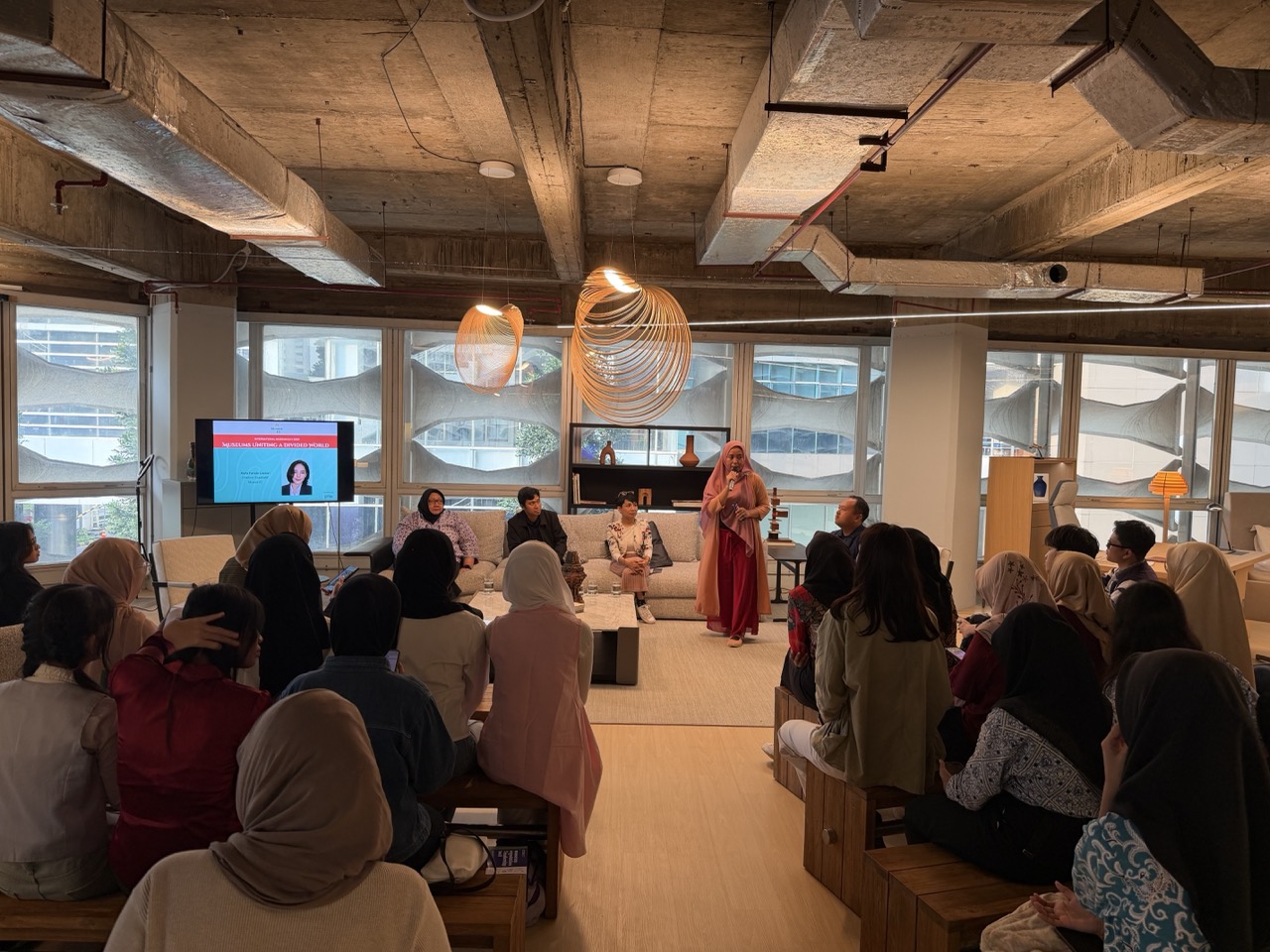
Asmah Alias from Children’s Museum Singapore emphasized how museums can help communities understand one another through storytelling and inclusive programming. Her perspective reflected the growing regional movement among Southeast Asian museums to become more accessible to younger audiences and marginalized groups.
This idea echoes the words of French historian and museum theorist Georges Henri Rivière, who once said, “The museum is a mirror in which man contemplates himself.” In today’s context, that mirror also reflects the diversity, struggles, and shared humanity of society.
Strengthening Regional Connections Through Culture
Indonesia, Malaysia, and Singapore may differ in political systems and national priorities, but they share deep historical and cultural ties. Events such as this talk show demonstrate how cultural diplomacy can strengthen regional solidarity beyond economic or political cooperation.
The three countries have increasingly collaborated through museum exchanges, heritage preservation projects, educational programs, and cultural festivals. These initiatives are important in bridging divided communities, especially in multicultural societies where differences in ethnicity, religion, and identity can sometimes lead to social tensions.
According to data from the International Council of Museums (ICOM) and regional cultural agencies, Indonesia is home to more than 450 museums, Malaysia has over 200 museums and galleries, while Singapore manages more than 60 museums and heritage institutions despite its smaller size. Together, these institutions represent a vast cultural network capable of reaching millions of visitors each year.
During the event, speakers highlighted how museums can serve as neutral platforms where difficult histories can be discussed openly while still promoting mutual respect. This role becomes increasingly relevant in Southeast Asia, where shared colonial histories, migration, and cultural overlaps continue to shape national identities.
A New Generation of Inclusive Museums
One of the most encouraging aspects of the discussion was the focus on younger generations. Several speakers stressed that museums must evolve alongside society by embracing digital technology, interactive learning, and community participation.
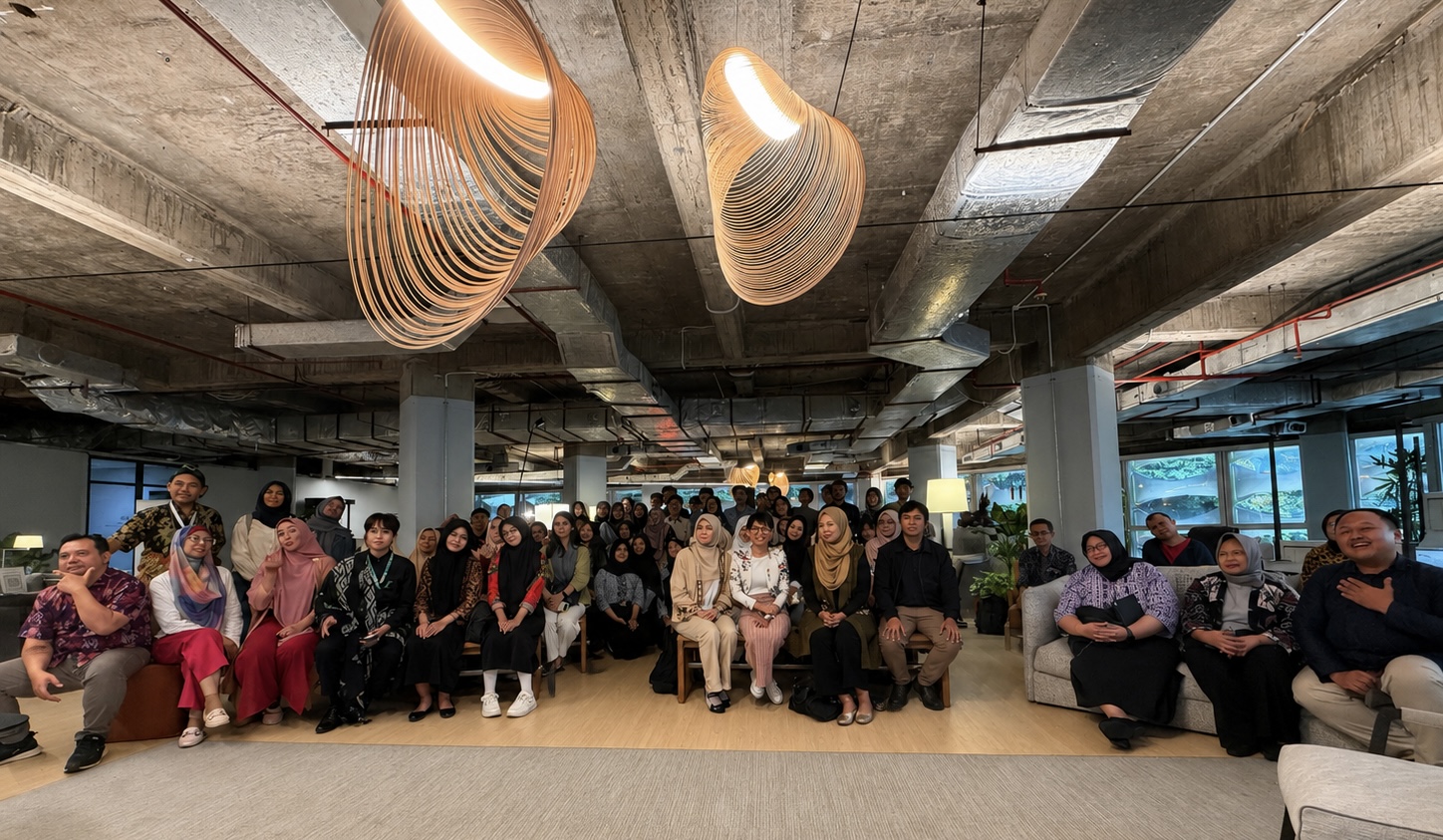
Indonesia and Malaysia, for example, have expanded collaborations in digital heritage preservation and cultural education. Singapore has also become known for integrating immersive technologies into museum experiences to attract wider audiences. These efforts not only modernize museums but also make cultural knowledge more inclusive and engaging.
Beyond preserving objects, museums today are preserving conversations. They encourage people from different backgrounds to sit together, listen to one another, and recognize shared experiences.
Culture as a Bridge for the Future
By the end of the event, the central message became clear: museums are not isolated buildings filled with old collections, but living institutions capable of connecting divided communities. Through cooperation between Indonesia, Malaysia, and Singapore, museums are helping create spaces where dialogue can flourish and cultural understanding can grow.
In a rapidly changing world marked by division and uncertainty, initiatives like the International Museum Day 2026 talk show offer a hopeful perspective. They remind us that culture still has the power to unite people, and museums remain one of the most meaningful places where that unity can begin.


