


In the Philippines, beauty pageants are a serious affair. They are not merely weekend entertainment, but national events that bring the public together. Before the competition begins, the audience prays in unison.
Sweeping images of the country’s most iconic landscapes are shown, followed by Tagumpay Nating Lahat, sung by Lea Salonga. The hall falls silent; some attendees place their hands over their chests. Only then does the marathon competition begin.
Colonial Roots of Beauty Pageants
The roots of this culture can be traced back to the 16th century, during Spanish colonial rule. Religious festivals, or fiestas, served as public celebrations that blended church rituals with local traditions. Within these festivities, a crowned female figure played a central role in the procession.
The tradition continued under American colonial rule. In 1908, the Manila Carnival was held in Luneta, designed to showcase the Philippines’ “progress” under the United States. One of its main attractions was the selection of a carnival queen, widely regarded as the country’s first national beauty contest.
That inaugural contest produced two winners after allegations of fraud emerged: the “Queen of the Occident,” an American woman from Illinois, and the “Queen of the Orient” from the Philippines. Pura Villanueva Kalaw, the Filipino queen, was forced to relinquish her crown to Marjorie Colton during the coronation ceremony.
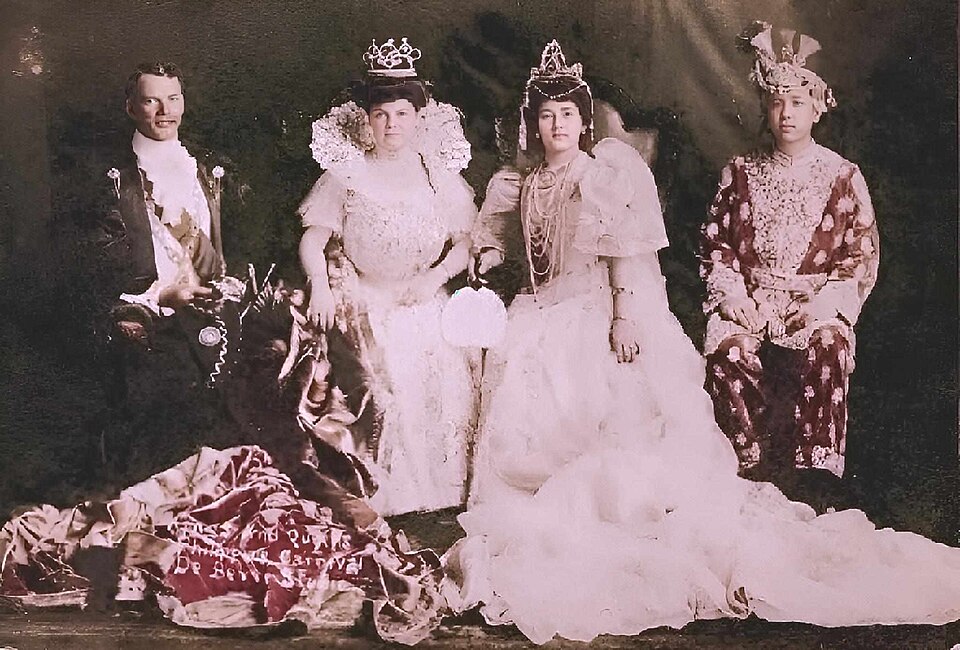
The incident sparked public outrage and fostered a sense of national solidarity. Unintentionally, the event transformed into a stage for anti-colonial nationalism at the height of American rule.
By the 1920s, the Manila Carnival Queen was renamed Miss Philippines. Over time, beauty pageants evolved into a system intertwined with business organizations, commerce, and the state. The Philippines began to promote itself as “the land of beauty queens.”
The Rise of Beauty Queens
The year 1969 marked a historic moment when Gloria Diaz won Miss Universe, becoming the first Filipina to claim the crown. Her victory sparked nationwide euphoria.
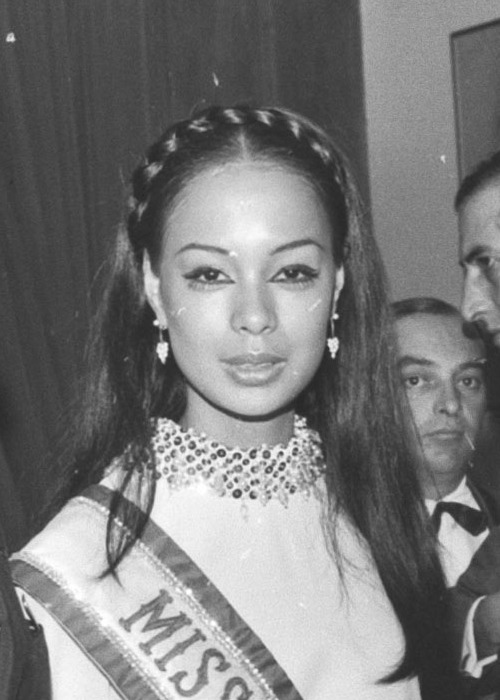
At a time when television sets were not yet common, people gathered to watch the broadcast through their neighbors’ windows, creating a powerful sense of communal pride. A few years later, the Philippines hosted Miss Universe 1974, further strengthening public enthusiasm.
To date, the Philippines has won 4 Miss Universe titles, 1 Miss World, 6 Miss International, and 4 Miss Earth crowns. With a total of 15 victories in major competitions, the country ranks as the second most successful nation in the world across the “Big Four” pageants.
Between 2013 and 2015 alone, the Philippines won Miss World (2013), Miss International (2013), Miss Earth (2014 and 2015), and Miss Universe (2015), making it the fastest country to sweep the major global titles within a three-year span.
Figures such as Pia Wurtzbach and Catriona Gray have since become national public icons. Many families even name their children after the latest beauty queens. With around 10 million Filipinos living abroad, enthusiasm for pageantry also thrives within diaspora communities.
Beauty Pageants as Social Ladder
In the Philippines, beauty pageants are not only symbols of national pride but also pathways to social mobility. Many women see pageantry as an entry point into modeling, entertainment, and endorsement careers.
Janine Tugonon, for example, built a modeling career in the United States after finishing as runner-up at Miss Universe 2012. Other figures such as Pia Wurtzbach, Gloria Diaz, and Ruffa Gutierrez later found success in entertainment and public life.
Winners of major national titles typically receive brand ambassador contracts, endorsements, and opportunities in fashion editorials and advertising campaigns. The industry is worth millions of pesos annually and is backed by major sponsors.
Criticism, however, has never been absent. Pageants are often accused of promoting narrow beauty standards—extremely slim bodies and light skin—reflecting colonial-era ideals that persist in television and film. Several former contestants have spoken about body-image pressure and harsh online commentary.
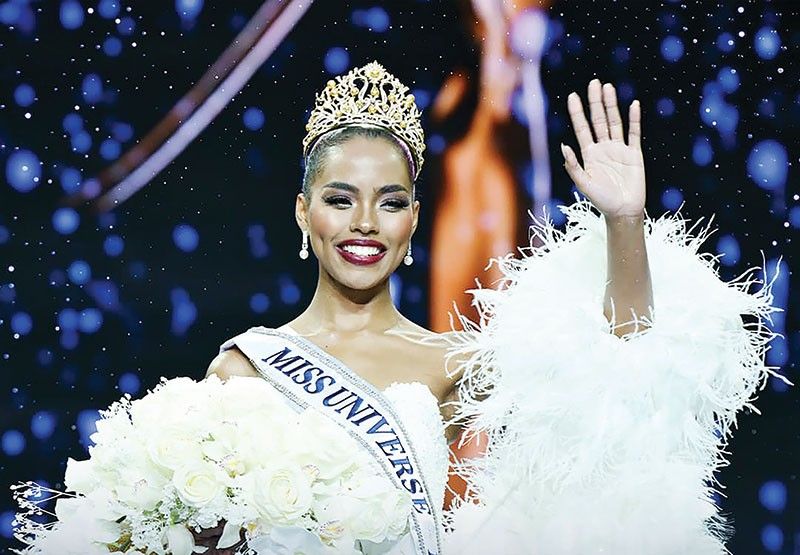
Signs of change emerged when Chelsea Manalo was crowned Miss Universe Philippines 2024, becoming the first dark-skinned Filipina to win the title. Many online commentators described her victory as “breaking” traditional beauty standards. Manalo herself has acknowledged that being a dark-skinned woman was not previously considered the norm—and that this reality shaped her struggle.
Despite ongoing debate, beauty pageants remain deeply embedded in Philippine society. From colonial roots and nationalist pride to elite networks of the past and a modern, multi-million–peso industry, pageantry has become part of the country’s cultural identity. In the Philippines, the crown is not merely a symbol of beauty, but of history, ambition, and collective pride.


