


Elephants in Southeast Asia are revered not merely for their size or strength, but for the deep spiritual meaning attached to them over thousands of years. Across various traditions, elephants are seen as manifestations of divine energy, symbols of purity, and markers of legitimate power.
This status is the result of a long fusion of influences from Hinduism, Buddhism, and enduring local beliefs that remain alive to this day.
Traces of Belief: Elephants in Faith and Myth
The sacredness of elephants in Southeast Asia is closely tied to Hindu and Buddhist traditions. In Hinduism, Ganesha symbolizes wisdom, prosperity, and the ability to overcome obstacles.
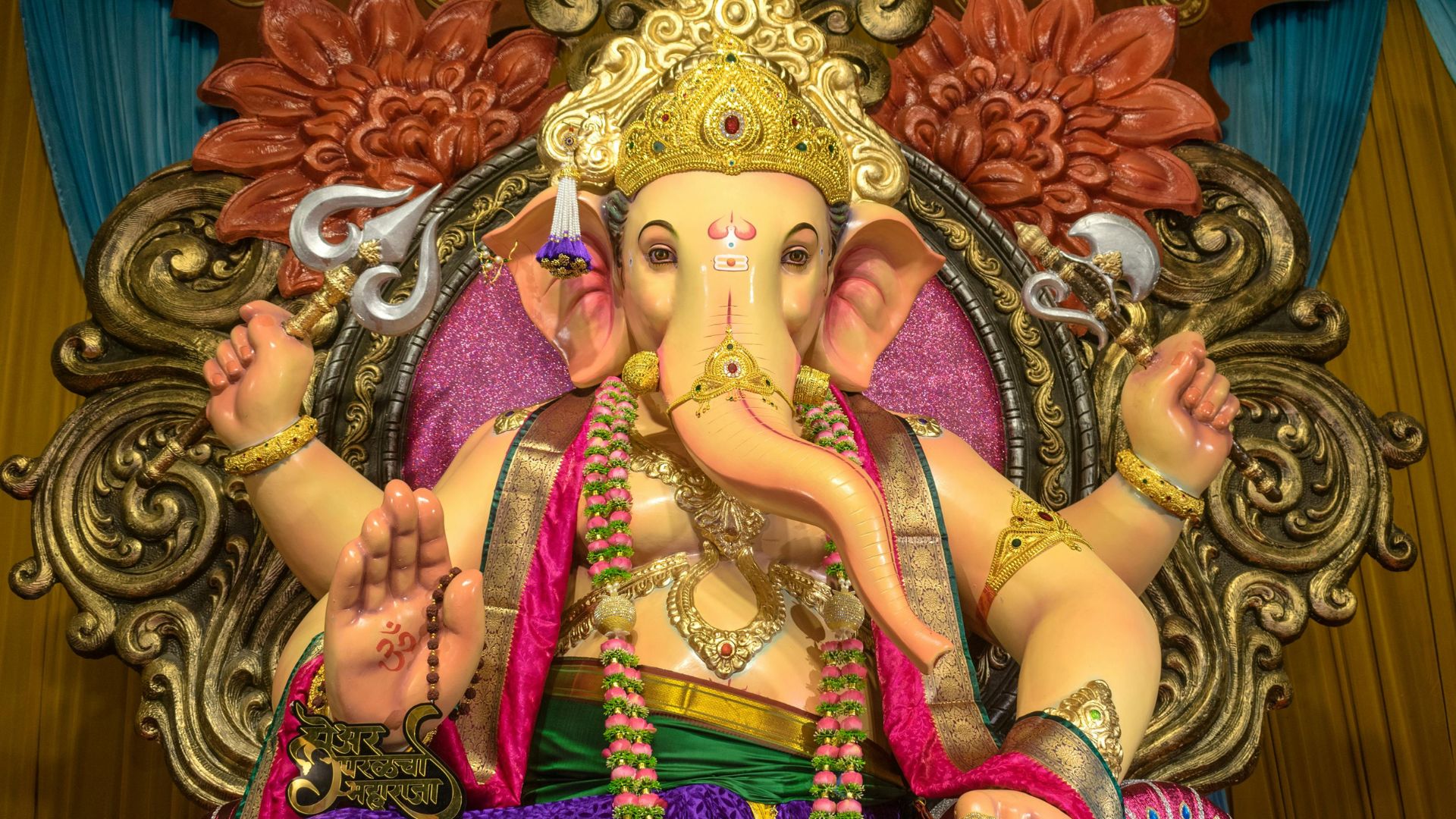
As these teachings spread across the region, the symbolic meaning of elephants became deeply embedded in local spiritual life.
In Buddhism, the role of elephants is further reinforced through the story of Queen Maya’s dream, in which a white elephant entered her body before the birth of Siddhartha Gautama. Since then, the white elephant has come to symbolize purity, strength, fertility, and the arrival of something sacred.
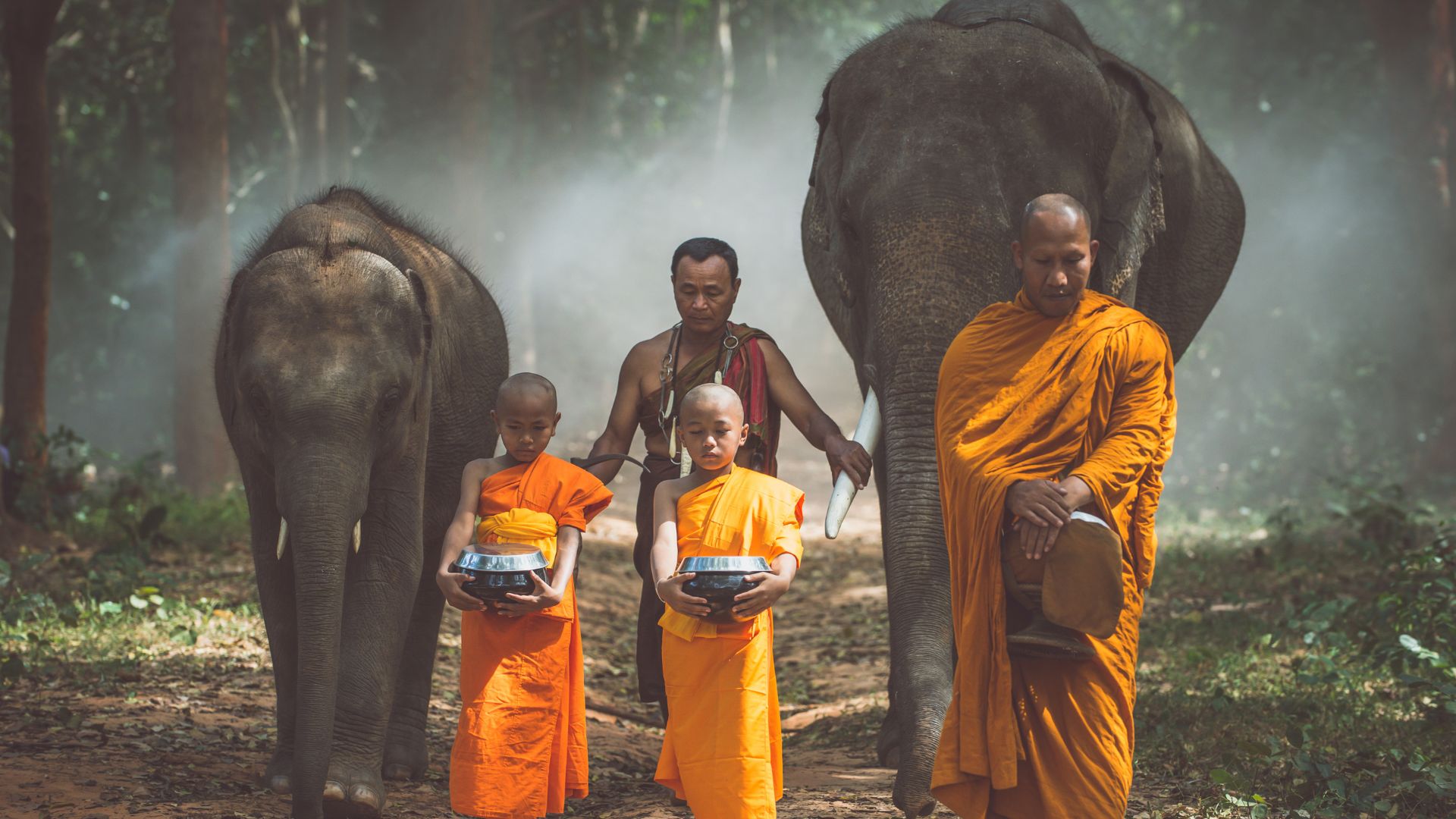
Elephants also play a prominent role in the Jataka tales, which recount the past lives of the Buddha. In these stories, elephants are often central figures embodying moral values such as sacrifice, patience, and wisdom.
One well-known tale tells of a six-tusked elephant that willingly sacrifices itself for the good of others, reflecting the virtue of generosity (dāna).
Beyond narrative traditions, elephants are also embedded in cosmology. In some belief systems, they are depicted as supporting the world or serving as mounts for guardians of the cardinal directions. This role reinforces their position as beings that exist between the human world and the divine realm.
Sacred Symbols of Royal Authority
In countries such as Thailand, Myanmar, Laos, and Cambodia, white elephants carry meanings that go far beyond religious symbolism. They are regarded as direct signs of divine favor toward a ruler.
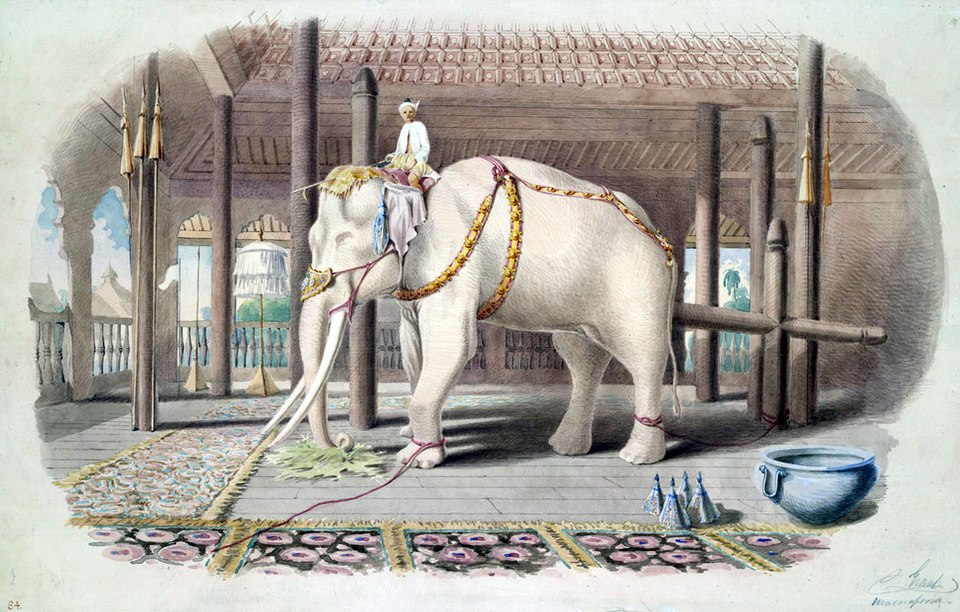
Ownership of a white elephant is seen as an indicator of royal legitimacy and prosperity. These elephants are not true albinos but possess distinct physical traits that make them appear lighter than typical elephants. Their rarity is precisely what makes them so highly revered.
Whenever a white elephant is discovered, it is often celebrated with grand ceremonies before being brought to the royal palace for special care. These elephants are not used for labor. Instead, they live in luxurious conditions, are given special diets, and are tended by trained caretakers.
A king who possesses many white elephants is often referred to as the “Lord of the White Elephants,” a title that reflects both political power and spiritual legitimacy.
Their political value has also been significant. Historically, conflicts between kingdoms could be triggered by disputes over white elephants. Conversely, gifting a white elephant was considered the highest form of diplomatic honor.
Interestingly, in Western contexts, the term “white elephant” has come to mean a costly burden, an interpretation that stands in stark contrast to its sacred and prestigious meaning in Southeast Asia.
Elephants in Daily Life and Culture
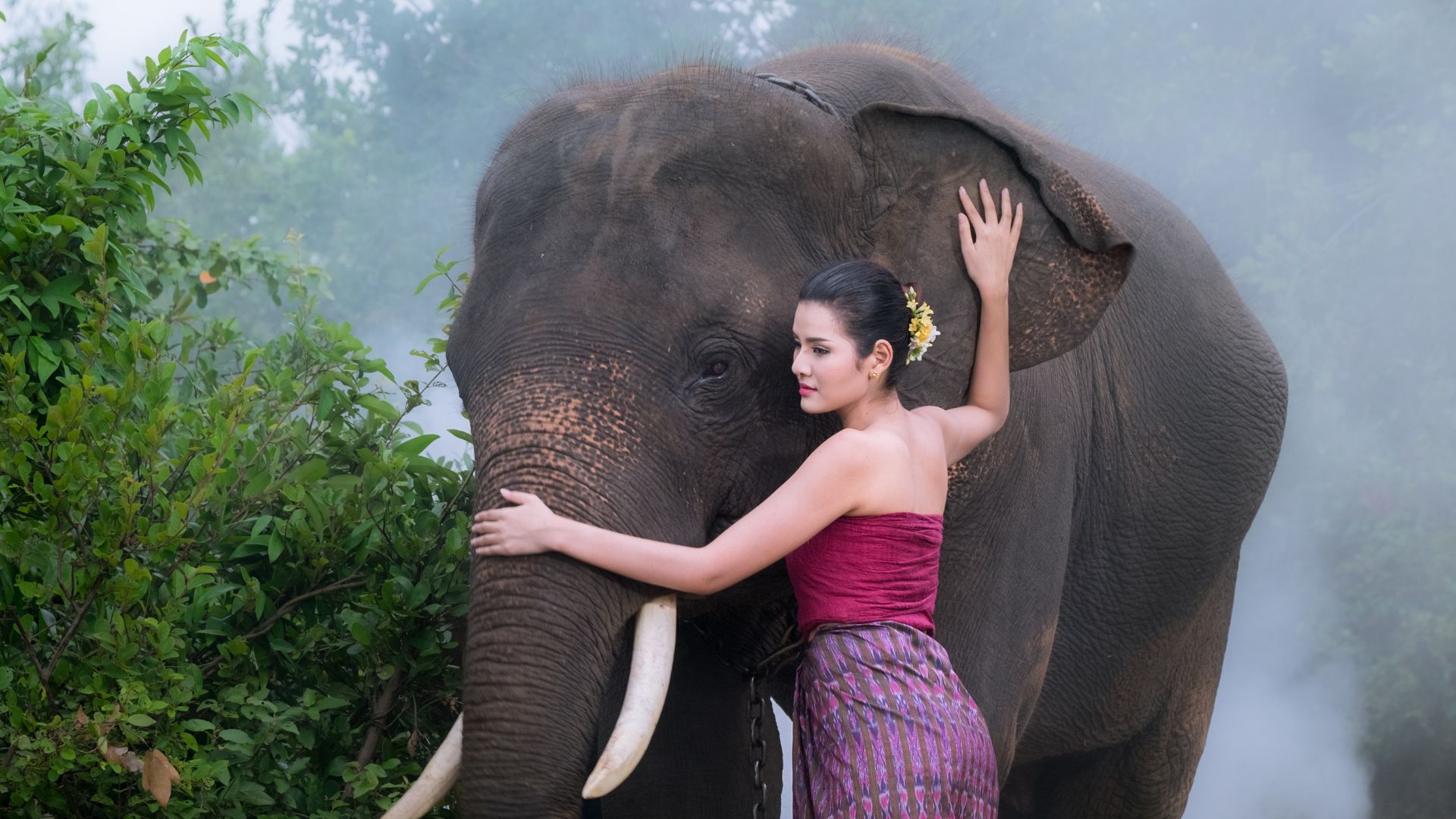
The sacred status of elephants does not end in belief systems or royal courts; it continues to live on in everyday cultural practices.
In religious festivals across Thailand, Myanmar, and Cambodia, elephants are adorned with gold cloth, flowers, and ornaments, then paraded in processions as symbols of divine presence among humans.
In royal traditions, elephants also play a central role in ceremonies such as coronations and agrarian rituals like the Royal Plowing Ceremony, which symbolizes fertility and prosperity.
In Thailand, elephants were historically known as “war mounts,” carrying kings and commanders into battle. The legendary elephant duel of King Naresuan remains a powerful symbol of bravery and independence that is still remembered today.
In Cambodia, particularly among communities such as the Bunong in Mondulkiri, elephants are treated as part of the family. This relationship is not merely practical, but deeply spiritual.
In some local beliefs, humans are even considered to share ancestral ties with elephants, reinforcing their status as beings to be respected rather than exploited.
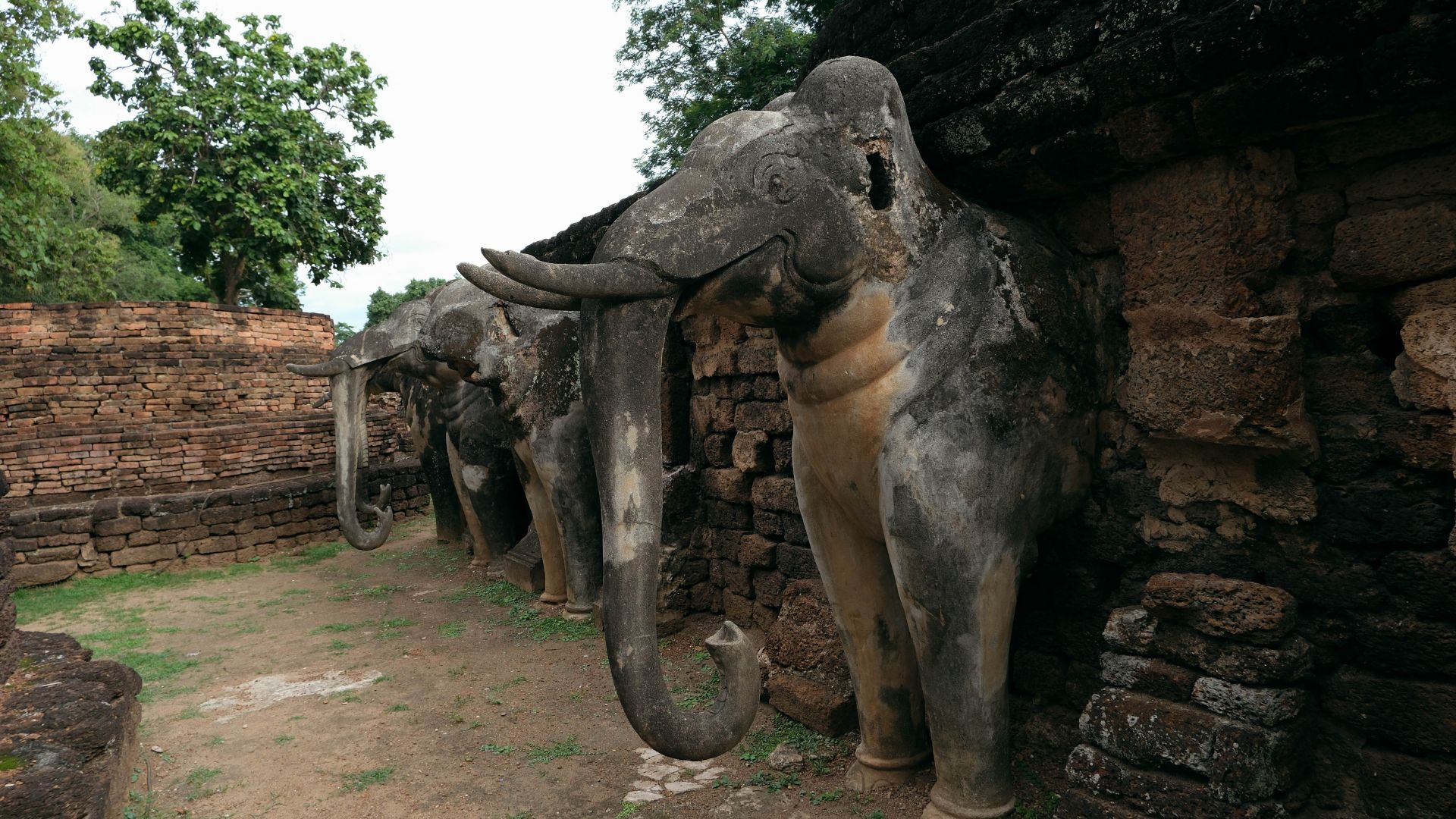
The presence of elephants is also clearly reflected in art and architecture. Reliefs at Angkor Thom and Bayon depict elephants in scenes of warfare, royal processions, and daily life.
In Bangkok, the symbol of Erawan—a multi-headed mythical elephant—represents cosmic power and fertility, and continues to be revered in modern religious practices.
Beyond formal traditions, elephants also appear in folk beliefs as protectors. Elephant-shaped amulets are believed to bring safety, success, and protection from harm. In some areas, elephant statues or carvings are placed at village boundaries or agricultural lands as guardians against disturbances.


