


Long before Jakarta became the megacity it is today, it was already familiar with outbreaks. Not once or twice, but repeatedly over centuries—with diseases that kept changing.
At the time, arriving in Batavia was almost equivalent to signing one’s own death warrant. This grim reputation was no exaggeration. Foreign visitors who once befriended Batavia’s residents often returned months later to find that none of their acquaintances were still alive.
A City Built on Ambition
The Dutch East India Company built Batavia from scratch after conquering Jayakarta in 1619. Jan Pieterszoon Coen led the construction of a city designed to resemble those in the Netherlands.
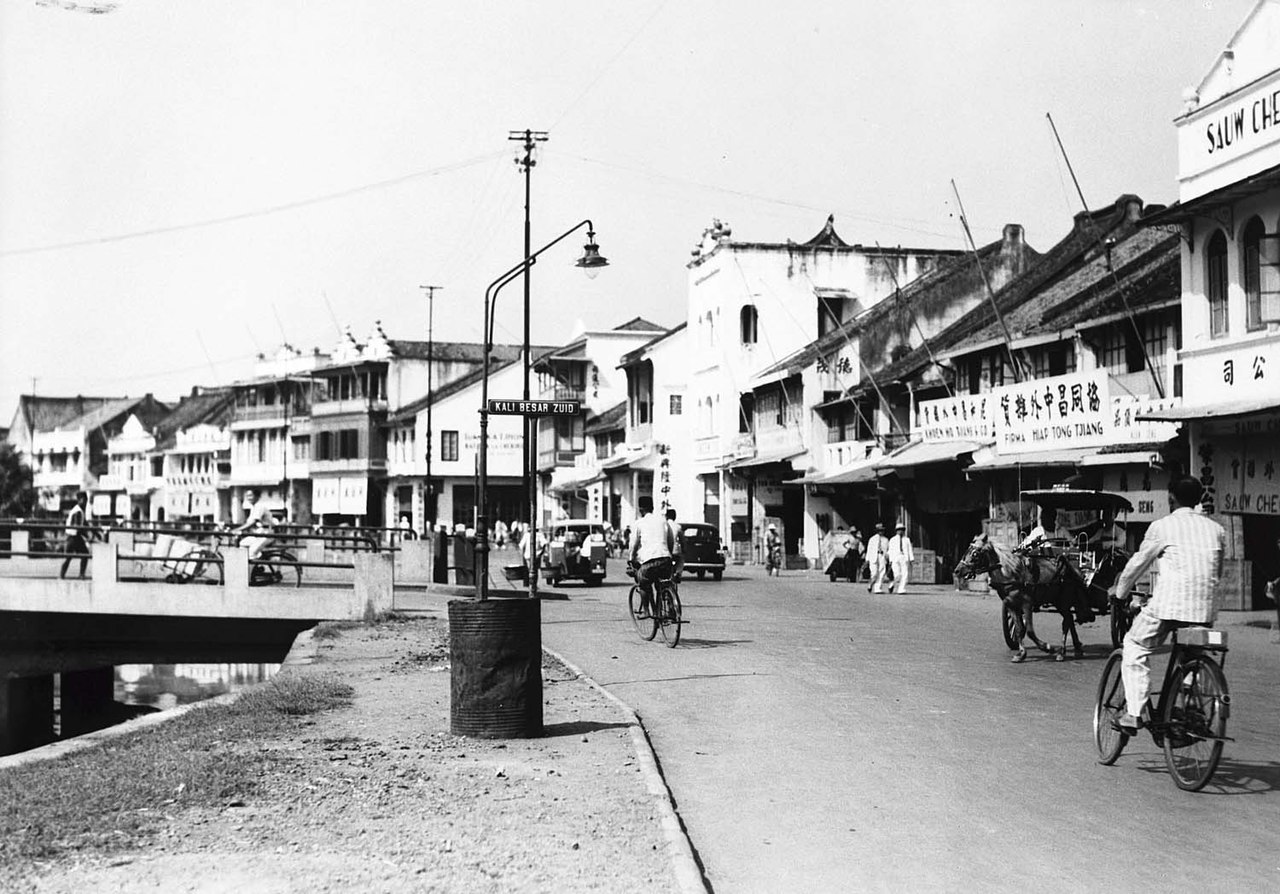
For a time, the plan worked. Batavia was nicknamed the “Queen of the East,” admired by visitors and poets alike. But the VOC prioritized profit above all else. Land clearing permits for agriculture and plantations were continuously granted.
Various industries soon emerged, from wine distillation and brickmaking to sugar production and gunpowder manufacturing. These factories spread across Batavia, producing waste that polluted the city’s rivers.
Dutch residents living in Batavia were no more careful. They routinely disposed of garbage and human waste along the same rivers they relied on for drinking water.
This negligence would come at a devastating cost.
Epidemic that Changed the City’s Reputation
In 1733, a major outbreak struck Batavia. Death rates among VOC personnel surged dramatically. Ships could no longer be fully crewed, military posts went unfilled, and valuable cargo had to be abandoned.
The cause was traced to neglected fish ponds along the city’s coast, which became breeding grounds for Anopheles mosquitoes carrying malaria. Mangrove forests had been converted into settlements, ports, and fishponds—only to be abandoned later, creating ideal conditions for the spread of disease.
Between 1733 and 1795, around 85,000 VOC soldiers and officials died. Even Governor-General Dirk van Cloon became one of the victims. In 1734, the city government declared a day of prayer and fasting. Yet the situation did not improve.
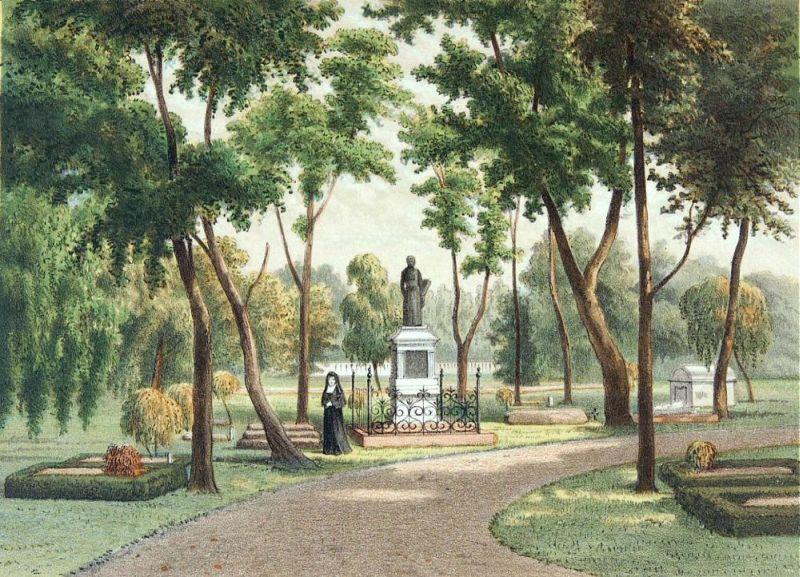
Cemeteries in Oud Batavia became overcrowded, forcing the VOC to establish a new burial ground, Kebon Jahe Kober, in the Tanah Abang area. Bodies had to be transported along the Krukut River by boat.
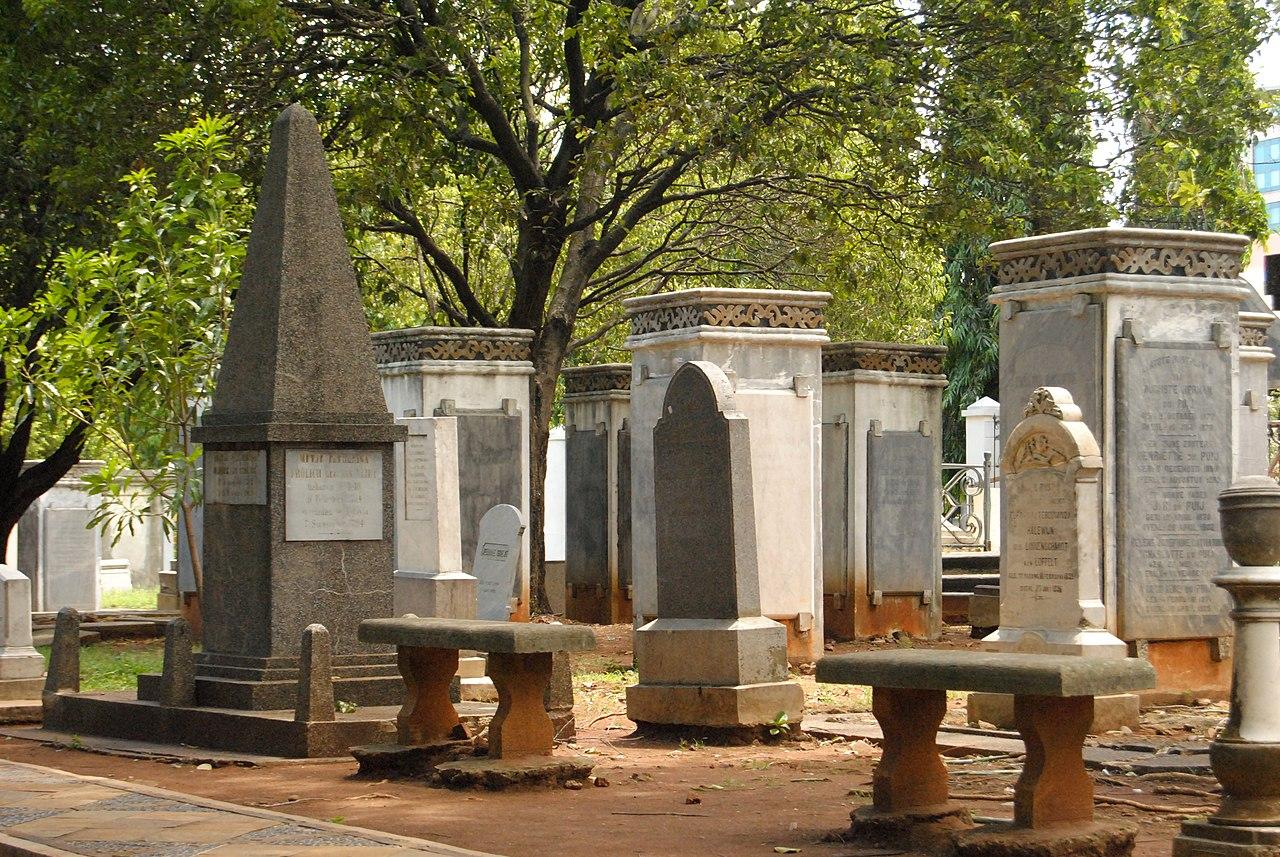
The cemetery later became known as graf der Hollanders or the graveyard of the Dutch. Historian Bruzen de la Martiniere noted that throughout the 17th and 18th centuries, Batavia was widely known as the graveyard of Europeans.
Hospitals That Became Houses of Death
The Dutch East India Company did not remain idle. They established hospitals to accommodate those affected by the outbreaks. Yet the results were often the opposite of what was intended.
Medical knowledge at the time was still limited. Doctors did not understand the causes of disease, medicines were scarce, and treatments for unrelated illnesses were often used on epidemic patients. Instead of recovering, many who entered these hospitals never came out alive.
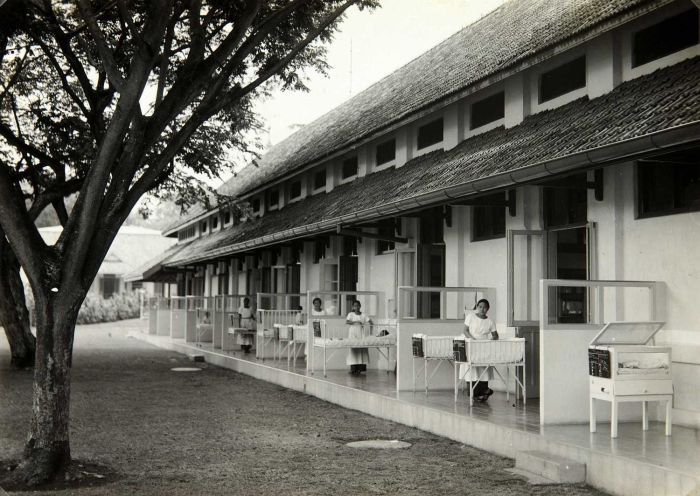
Residents of Batavia began to call them “houses of death.” Daily fatalities could reach dozens. The wealthy chose to be treated privately at home, while others fled the city for areas not yet affected.
Disease Did Not Discriminate, But Treatment Did
Healthcare facilities were primarily built for military personnel and European residents. The Chinese community established its own hospital as early as 1640.
Meanwhile, indigenous people received almost no attention. The first recorded case of a native patient being treated in a hospital only appeared in 1753. Before that, they relied on traditional medicine and healers to treat what was locally known as hawar or awar-awar.
When colonial authorities enforced quarantine measures, the inequality became even more visible. Europeans in quarantine received nutritious food and free medical visits. Indigenous people were placed in bamboo barracks with minimal financial support. Many chose to flee, preferring the risk of disease over the certainty of losing their livelihood.
Herman Willem Daendels (1808–1811), rather than strengthening epidemic response, chose to relocate the administrative center from the unhealthy Old Batavia to Weltevreden. The remaining residents were left to face the outbreaks on their own.
New Diseases, the Same Story
After waves of malaria and cholera, other epidemics continued to arrive. Bubonic plague struck in the 1910s. The Dutch East Indies government attempted public health campaigns and rat control measures, but with limited success.
Then came the Spanish flu (1918-1919). Among Javanese communities, it was known as Lara No Siji or “the number one deadly illness.” In the Yogyakarta Sultanate, its severity gave rise to the saying: esuk lara sore mati, sore lara esuk mati or "fall ill in the morning, dead by evening; fall ill in the evening, dead by morning."
The same pattern repeated from one outbreak to the next: colonial authorities often underestimated the threat at the onset, and distanced themselves when casualties surged.
A City That Never Fully Recovered
Historians and archaeologists studying the history of Jakarta note that the repeated outbreaks in Batavia were not merely acts of nature. As a major port city open to migrants and travelers from across the world, epidemics were almost inevitable.
Combined with poor sanitation and an inadequate public health system, the city became fertile ground for disease. Once an outbreak subsided, old habits quickly returned, until the next epidemic arrived.
Batavia may have changed its name. But its history as a city once known as the “graveyard of Europeans,” repeatedly struck by disease over centuries, remains embedded in every layer of its soil.


