


For a journalist, some assignments are routine—and some are carried as a responsibility.
For Ahmad Aidil Syukri Hamzah, his participation in the media delegation for Global Sumud Flotilla 2.0 falls firmly into the latter.
“This is not merely a reporting assignment. It is a mandate to bring the voice of Malaysians directly to the Rafah crossing.”
There is a measured conviction in the way Aidil speaks about the mission. He does not position the media as passive observers, but as active conveyors of truth; ensuring that Malaysia’s long-standing call for justice in Gaza is understood beyond its borders.
“Our role,” he explained, “is to ensure that the narrative of Malaysia’s struggle; the determination of its people and leadership—is clearly understood by the world.”
A Mandate Beyond Reporting
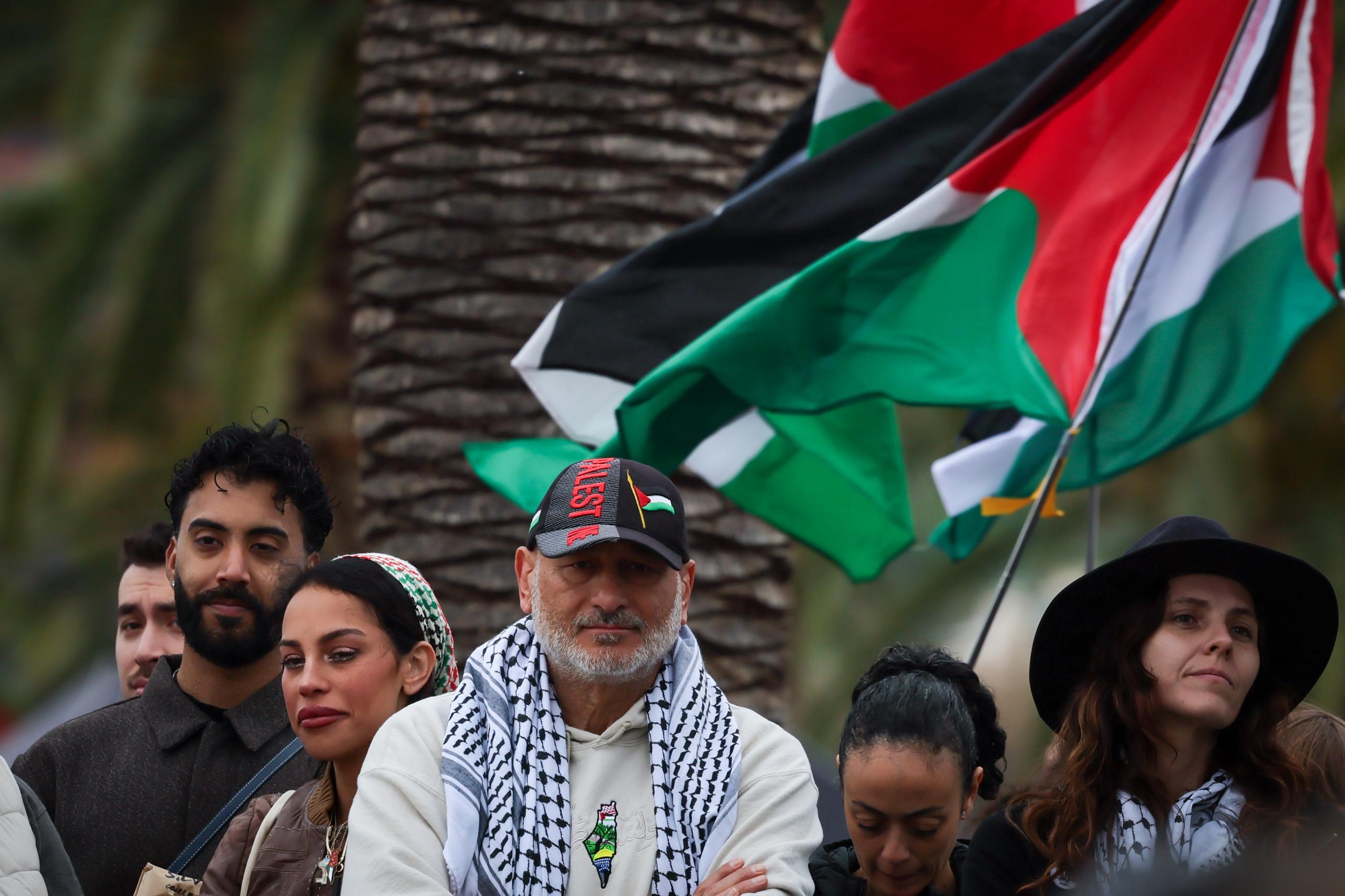
At a time when competing narratives and external propaganda risk obscuring the realities on the ground, Aidil believes the responsibility of journalists becomes even more critical.
“We must provide exclusivity and facts directly from the field, so that international pressure remains consistent on Israel,” he said.
Yet, the idealism of the mission is matched by the realities it entails.
The cold weather, the uncertainty on the ground, and the inherent risks are not lost on him. Still, he draws confidence from the coordination between the Malaysian Prime Minister’s Office, Wisma Putra, and the relevant agencies.
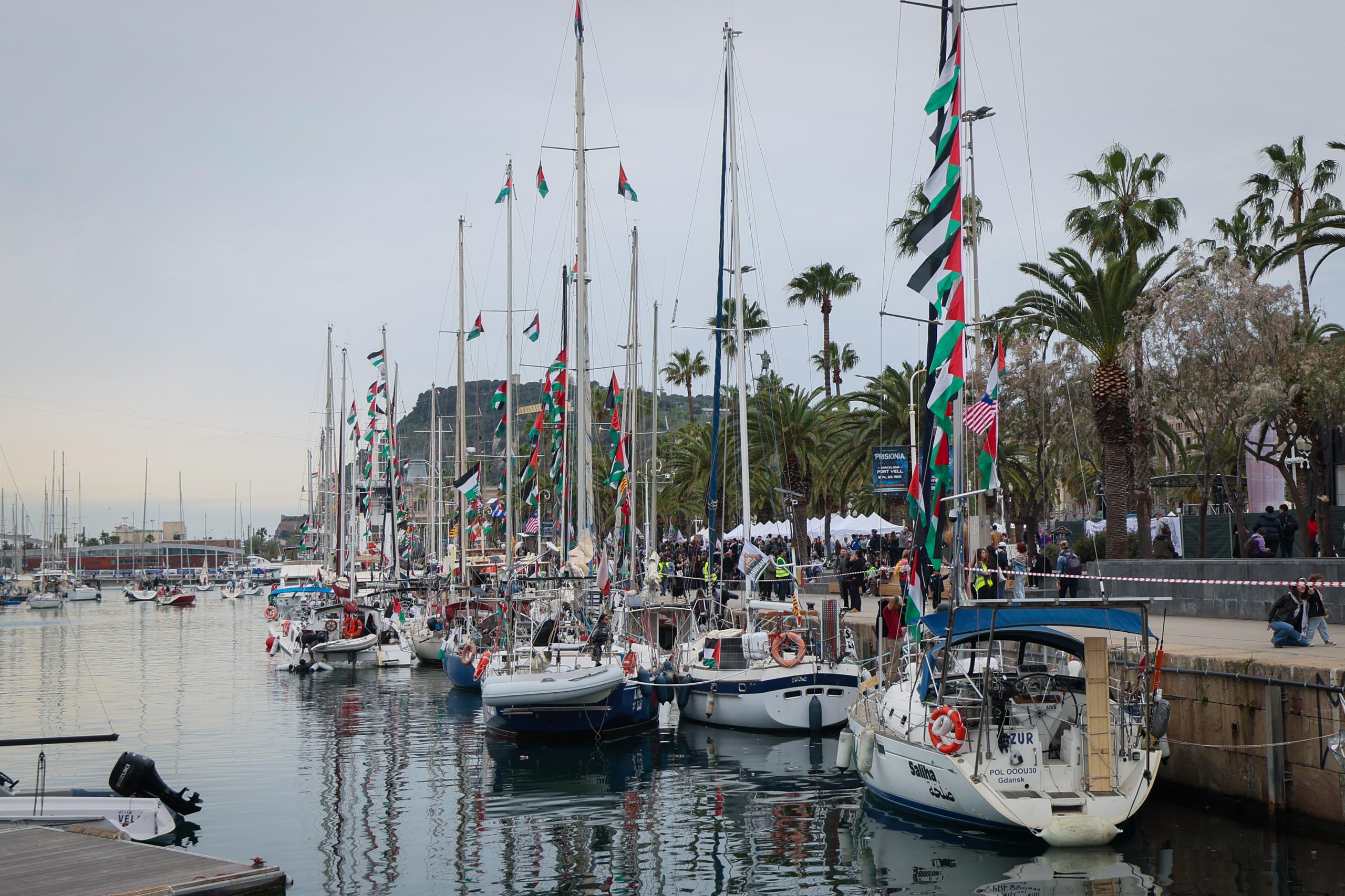
“Fear is normal,” he admitted. “But the responsibility to report the suffering of the people in Gaza is far greater.”
What leaves the deepest impression on him, however, is not only the conflict itself, but the shifting global response.
Aidil spoke of encounters with activists across Europe—many of whom are not Muslim, and some from countries traditionally aligned with Israel—now moved to tears and demanding action for Palestine.
For him, this signals a breakthrough. It reflects how Malaysia’s people-driven diplomacy has begun to transcend religious and geopolitical boundaries.
“This mission is not symbolic,” he stressed. “It is not self-serving or performative. It carries a clear ultimatum.”
From humanitarian efforts on land in Rafah to maritime movements in the Mediterranean, Malaysia is positioning itself at the forefront of coordinated aid efforts.
To Aidil, this is proof that even a relatively small nation can exert meaningful influence, when driven by unity and clarity of purpose.
Bearing Witness Through the Lens
If Aidil carries the narrative through words, Zulfadhli Zulkifli, the cameraman accompanying the delegation, carries it through images—shaped by years of experience and a deeply rooted sense of responsibility.
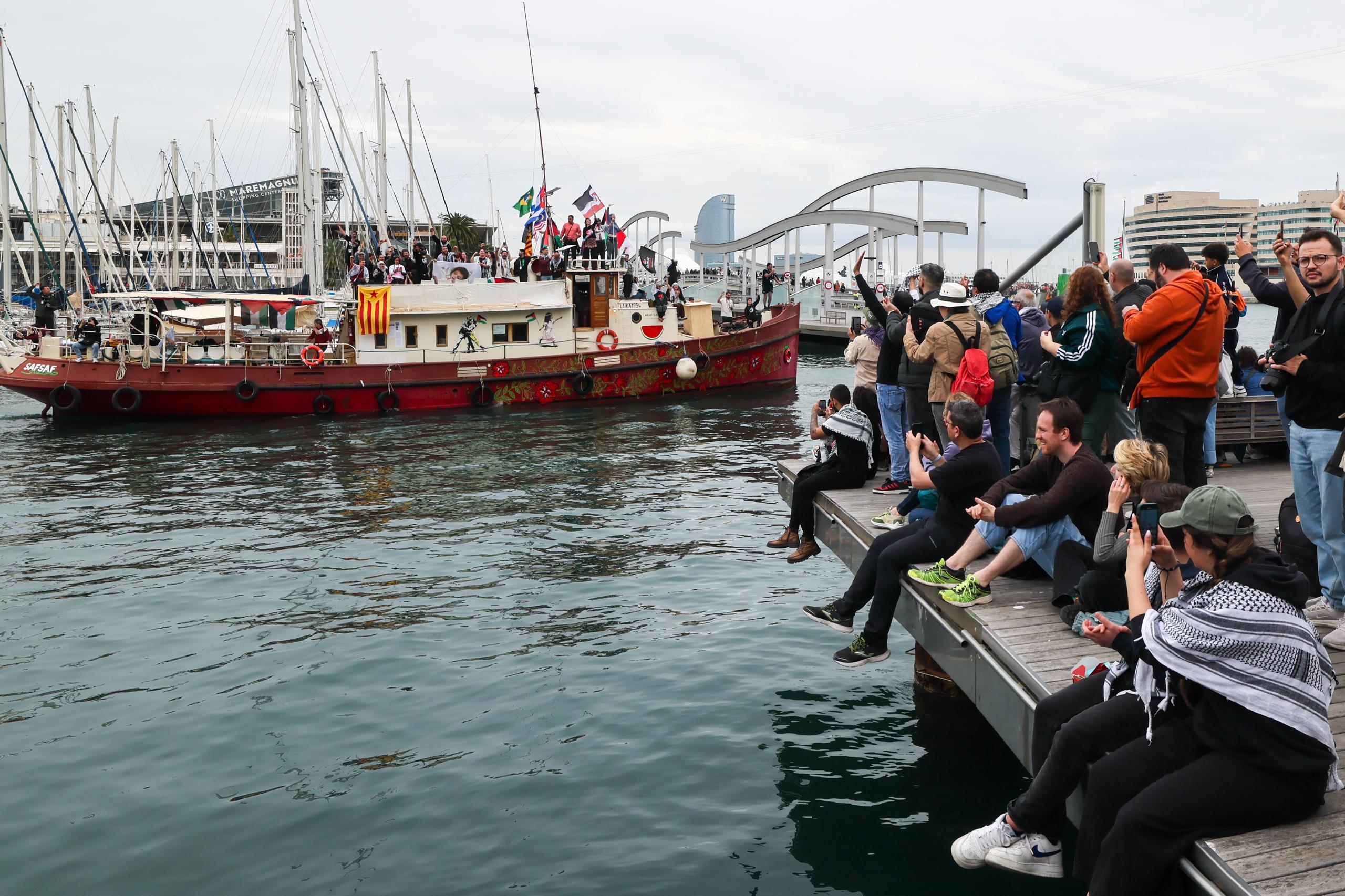
Some moments, he admits, never leave you.
“The most unforgettable image I’ve captured was during the Batang Kali landslide in 2022. Rescue personnel carrying two bodies—one adult, one child.”
He did not elaborate further. He did not need to.
For Zulfadhli, every photograph begins long before the shutter is pressed. It starts with observing the surroundings, understanding the situation, and waiting patiently—for the right moment. Only then does he take the shot.
But technical precision alone is not enough. There are ethical lines he refuses to cross.
“I’ve had moments of hesitation,” he said, particularly in situations involving individuals with families.
“I would still take the photograph, but from behind, or in a way that does not reveal their identity or bring shame to them.”
It is a quiet but firm principle—that dignity must be preserved, even in the pursuit of truth.
Interestingly, he does not find it difficult to revisit the images he has captured.
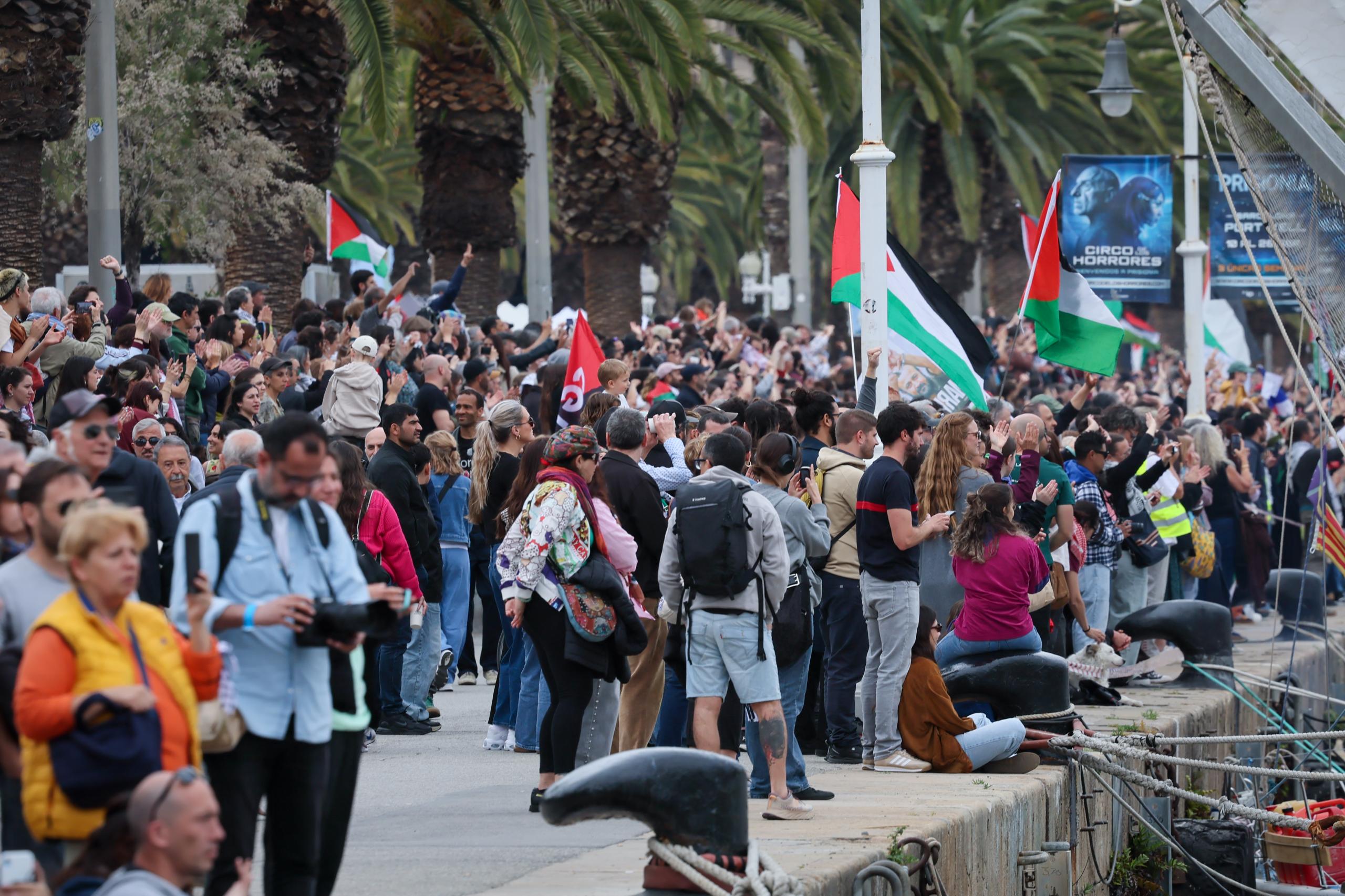
Each photograph, he said, is something he stands by because it has been carefully considered from the outset. More importantly, each image serves a purpose.
“I make sure that a single photograph can create awareness for those who see it,” he said.
In places like Rafah, words and images are no longer just elements of reporting. They become testimony. They become pressure. And, in many ways, they become a form of accountability.
For Aidil and Zulfadhli, this journey is not about visibility or recognition. It is about ensuring that the world cannot look away.
And in doing so, they carry with them a quiet but unwavering belief—that even a voice from Malaysia, however small it may seem, can still resonate on the global stage.


