Getting back to the Moon will require far more than a rocket launch. It will take years of testing, new spacecraft, and crews willing to prove that every system works before anyone attempts a landing. NASA named the crew that will take the next giant leap and the stakes have never been higher.
For the first time since 1972, the world is watching a serious, step by step effort to put humans back on the Moon. And on June 9, 2026, just two month after the triumph of Artemis II, NASA revealed the four people chosen to take the next critical step in that journey.
Their mission isn't a Moon landing. Not yet. But what Artemis III does in 2027 will determine whether a Moon landing is even possible after that.
The Crew
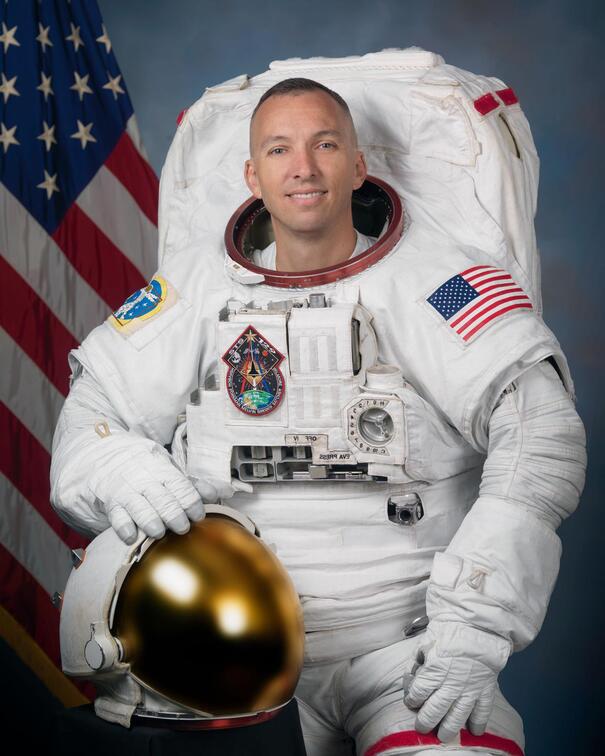
Randy Bresnik serves as commander. A former U.S. Air Force pilot and test pilot, he was selected by NASA as an astronaut in 2004, previously commanded the International Space Station during Expedition 53, and is one of only two astronauts in history to have a child born while he was in space.
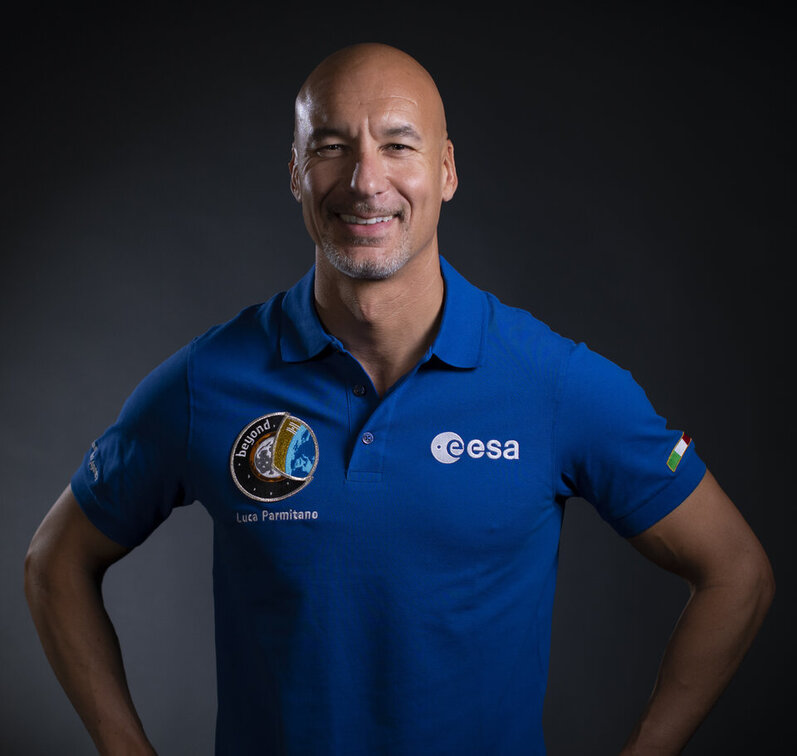
Luca Parmitano, the mission's pilot, represents the European Space Agency. An Italian astronaut from Catania, he has logged two long duration missions aboard the ISS, has an asteroid named after him, and holds the distinction of being the first DJ to perform a set from space.
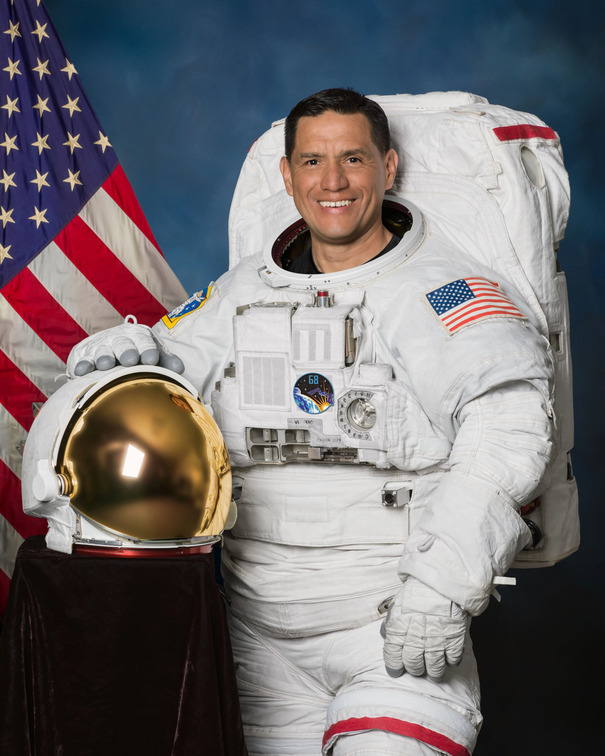
Frank Rubio joins as mission specialist. A former U.S. Army helicopter pilot and flight surgeon, Rubio flew to the ISS in 2022 and broke the American record for the longest single spaceflight, spending 371 consecutive days in orbit.
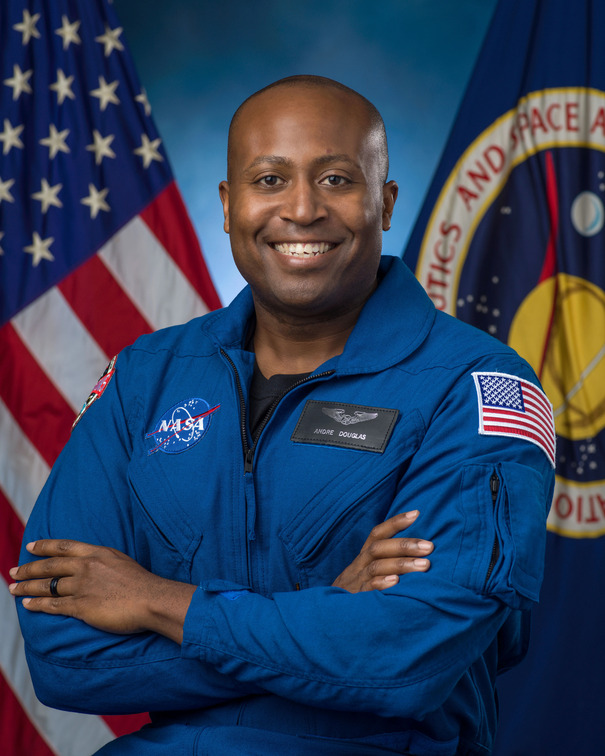
Andre Douglas, the second mission specialist, brings a background spanning mechanical engineering, naval architecture, and systems engineering. He previously worked on NASA's DART asteroid mission, was a backup crew member for Artemis II, and this will be his first spaceflight. Veteran test pilot Bob Heintz serves as backup, able to step into any crew role if needed
What Artemis III Will Actually Do
Here's the part that surprises most people, Artemis III will not land on the Moon. Instead, the mission will carry out a series of objectives in low Earth orbit, designed to demonstrate critical systems needed for future lunar landings.
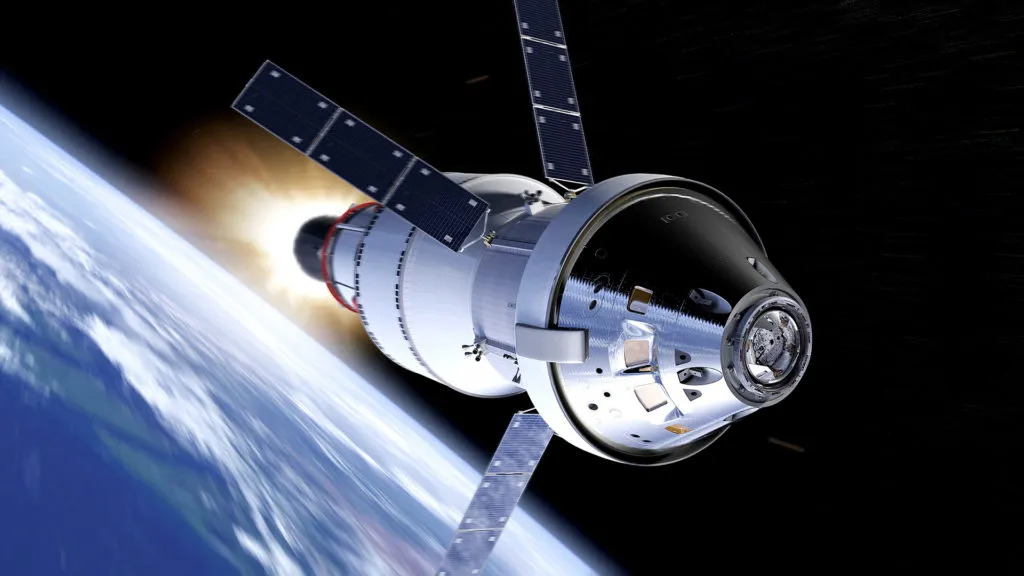
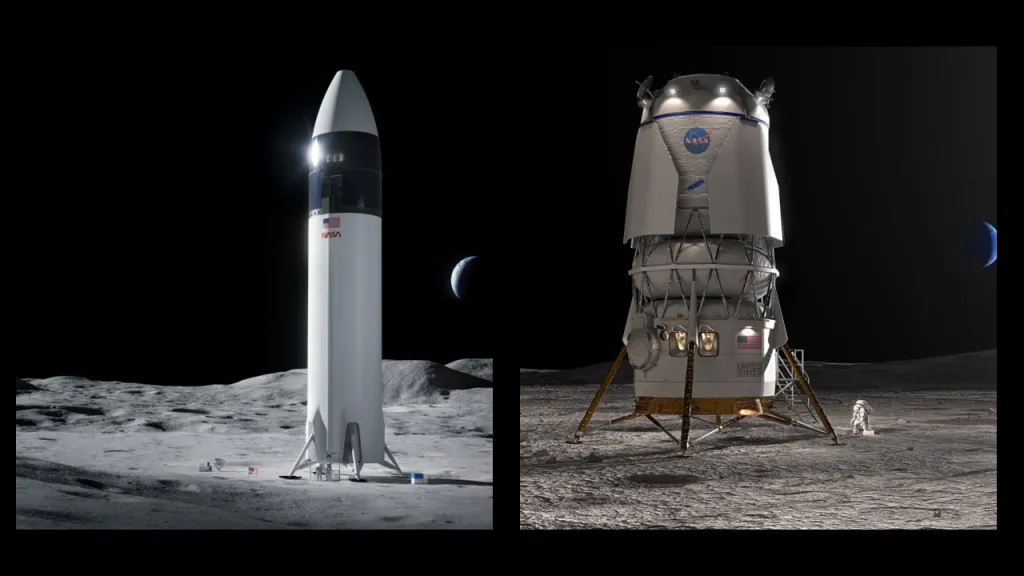
The crew will launch aboard NASA's Orion spacecraft on the Space Launch System rocket and rendezvous in orbit with one or both commercial lunar landers, SpaceX's Starship Human Landing System and Blue Origin's Blue Moon. The goal is to test docking, crew transfer, and the complex coordination of launching three separate spacecraft and bringing them together in orbit. Think of it as a full dress rehearsal before the real performance.
NASA did the same thing during Apollo, the agency flew Apollo 9 as an orbital test run before Apollo 11's historic landing. By testing all systems in Earth orbit, Artemis III makes it safer for future crews and gives engineers a chance to catch problems before they happen 384,000 kilometers away.
What Comes Next
If Artemis III goes as planned, it sets up Artemis IV to land people on the Moon as early as 2028, the first lunar surface mission since Apollo 17 in 1972. Beyond that, NASA's long term goal is a sustained human presence at the lunar south pole, eventually building a permanent base there, with the Moon also serving as a proving ground for an eventual crewed mission to Mars.
There are real challenges still ahead. Blue Origin recently suffered a setback when its New Glenn rocket exploded on the launchpad, grounding the Blue Moon lander until repairs are complete. SpaceX's Starship is still in active development and has yet to demonstrate all its intended capabilities with crew aboard.
But after Artemis II, which was a complete success with the heat shield performing better than expected, the momentum is real. Four astronauts now have a mission. The Moon is waiting