Imagine launching a satellite into space, only to have it fail hours later and end up stranded in the wrong orbit.
That was exactly what happened to Indonesia in 1984.
At the time, Indonesia was expanding one of the world’s largest domestic satellite communication systems through the Palapa B2 program. For an archipelagic country spread across more than 17,000 islands, satellites were not just symbols of technology, they were essential infrastructure connecting phone lines, television broadcasts, and data networks across the country.
But one mission turned into one of the most unusual space recovery operations in NASA history.
The Launch Aboard Space Shuttle Challenger
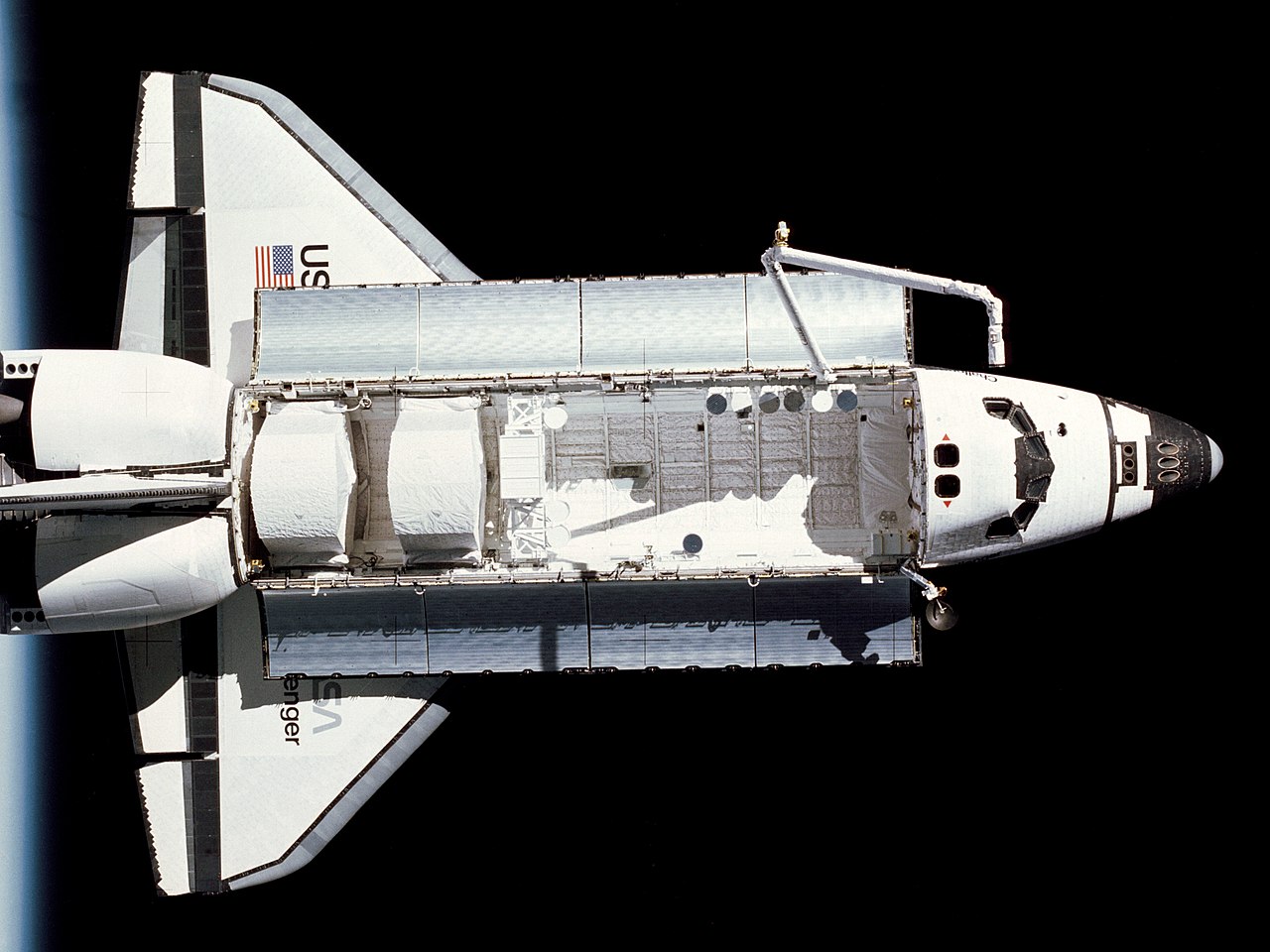
On February 3, 1984, Space Shuttle Challenger lifted off on mission STS-41-B, carrying two commercial communication satellites, America’s Westar 6 and Indonesia’s Palapa B2. NASA records show that Palapa B2 was among the primary payloads of the mission.
Palapa B2 was built by Hughes Aircraft Company and designed to strengthen Indonesia’s telecommunications network. It was the successor to earlier Palapa satellites, which had already played a major role in connecting the country since the 1970s.
The deployment itself went according to plan. Challenger released the satellite into orbit.
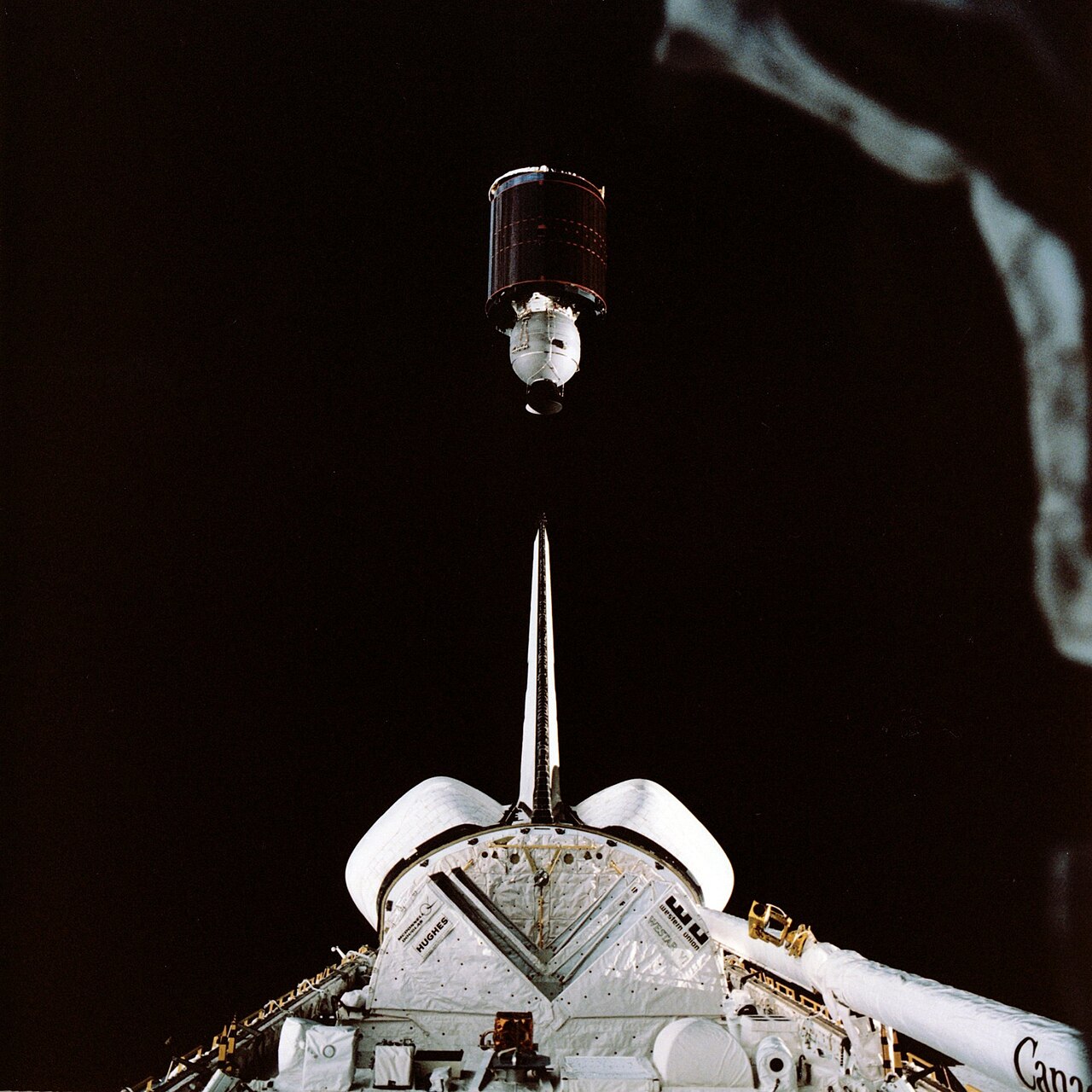
But the next step failed.
The satellite’s Payload Assist Module (PAM-D), the upper stage booster responsible for pushing it into geostationary orbit, malfunctioned. Instead of reaching its intended position around 36,000 kilometers above Earth, Palapa B2 was left in a much lower and unusable orbit. The same failure also happened to Westar 6 during the same mission.
A Satellite Stuck in Space
For Indonesia, this was a major disruption.
The Palapa network was central to the country’s long distance communications. According to Indonesia’s satellite communication development records, the Palapa system had become one of the most important tools for national integration, connecting remote regions that were difficult to link through terrestrial infrastructure.
Replacing the satellite immediately would have meant a major financial loss. Palapa B2 itself cost around US$100 million at the time, making recovery a serious consideration.
Instead of writing it off, NASA proposed something rare.
Bringing it back.
Space Shuttle Discovery's Retrieval Mission
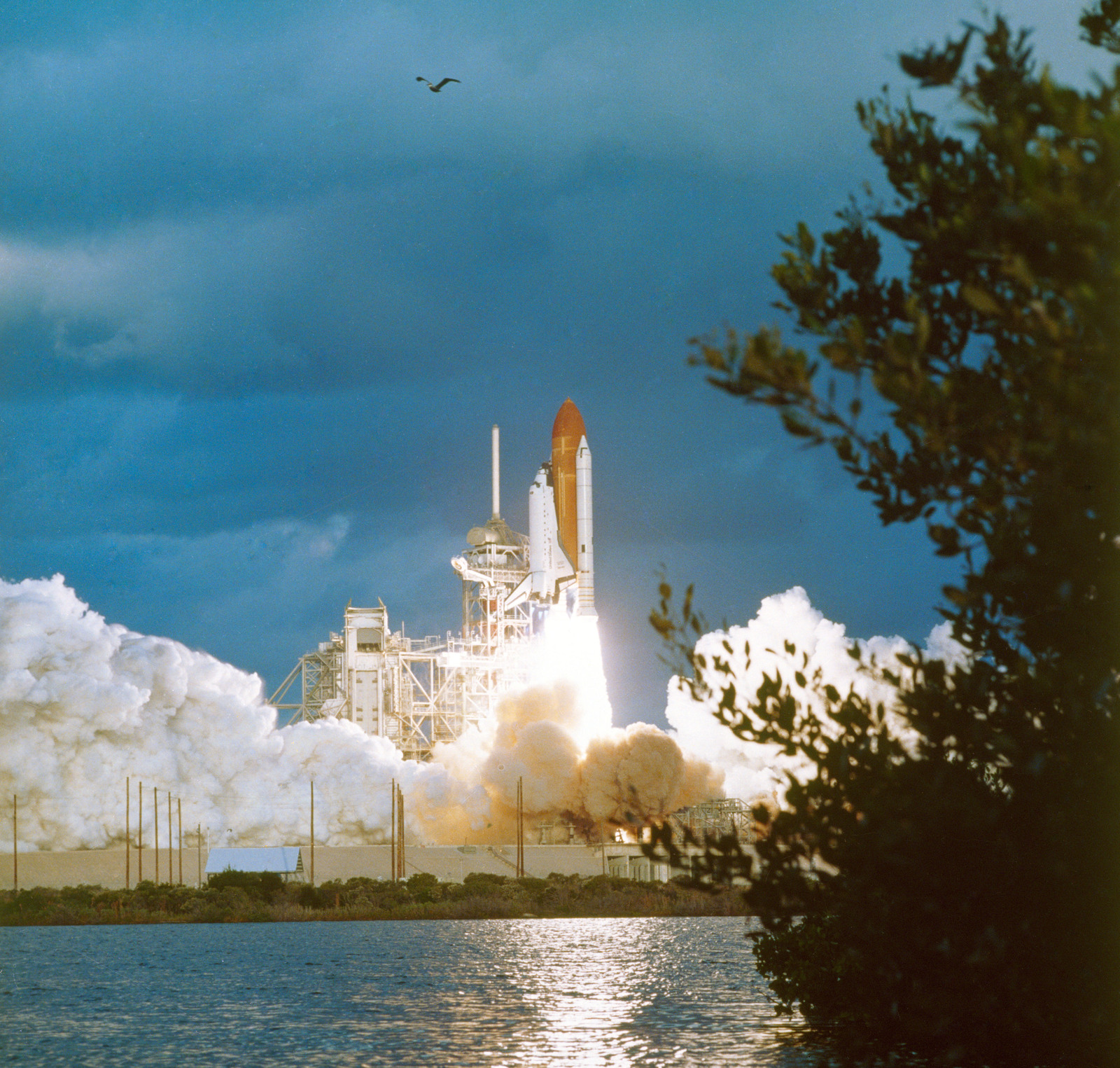
Nine months later, on November 8, 1984, Space Shuttle Discovery launched on mission STS-51-A.
Its objective was unusual, retrieve not one, but two failed satellites from orbit.
Astronauts Joseph P. Allen and Dale A. Gardner performed spacewalks to capture the spinning satellites manually using the Manned Maneuvering Unit (MMU), a jet powered backpack that allowed astronauts to fly untethered in space.

For Palapa B2, the retrieval was more complicated than planned.
NASA documents show that the original capture method failed because of an unexpected fitting issue. The astronauts had to switch to a backup procedure, physically stabilizing the satellite and securing it into Discovery’s payload bay. The operation took around six hours.
The mission successfully returned both satellites to Earth
Returning to Orbit Again
Palapa B2 did not stay on the ground for long. After refurbishment, Indonesia relaunched it in April 1990 under a new name, Palapa B2R. The “R” stood for “Recovered.”
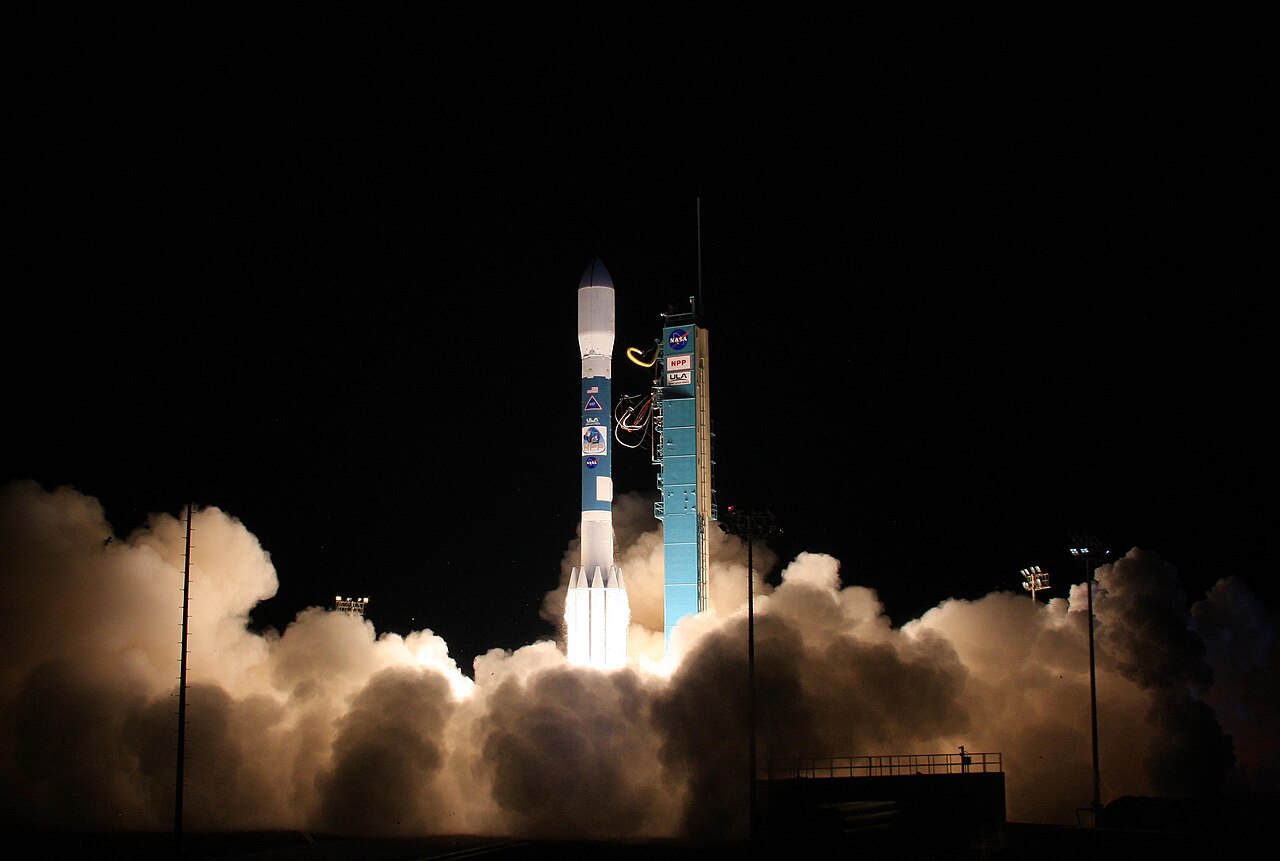
Its return extended the life of Indonesia’s satellite communications network and preserved an important part of the Palapa system at a time when satellite coverage remained critical for the country.
Today, the Palapa B2 story remains one of the rare moments when a Southeast Asian satellite became part of a highly complex orbital rescue operation.
It involved three different rockets, two Space Shuttles, and one Delta II. Launched by Challenger, recovered by Discovery, and relaunched six years later aboard a Delta II, Palapa B2 became part of one of NASA’s most unusual rescue missions in space history