


Indonesia is best understood not as a single landscape, but as a conversation between volcanoes, oceans and people. Across the world’s largest archipelagic state, nature can be generous and unforgiving, inspiring communities to transform uncertainty into ritual, art and a remarkably durable sense of belonging.
Life Along the Volcanic Spine
Situated where major tectonic plates converge, Indonesia has 127 active volcanoes, among the highest totals in the world. Mount Merapi shapes the horizon north of Yogyakarta, while Mount Bromo rises dramatically from East Java’s Tengger caldera. Their eruptions can displace communities and disrupt livelihoods, yet volcanic ash also replenishes the fertile soils supporting Java’s rice fields, vegetable farms and fruit orchards.
This relationship with nature has shaped spiritual practices and communal memory. During Yadnya Kasada, Tenggerese communities carry offerings towards Bromo’s crater in gratitude and prayer. Around Merapi, residents combine inherited knowledge with scientific monitoring, treating the mountain not as distant scenery but as a powerful neighbour that demands vigilance and respect.
The Sea as Indonesia’s Great Connector
Indonesia counted 17,380 officially named and geographically coordinated islands in 2024. Across this immense territory, the sea has long served as a highway, marketplace and source of food rather than a boundary between communities. As former president Joko Widodo once declared, “Our oceans, seas, straits and bays are the future of our civilization.”
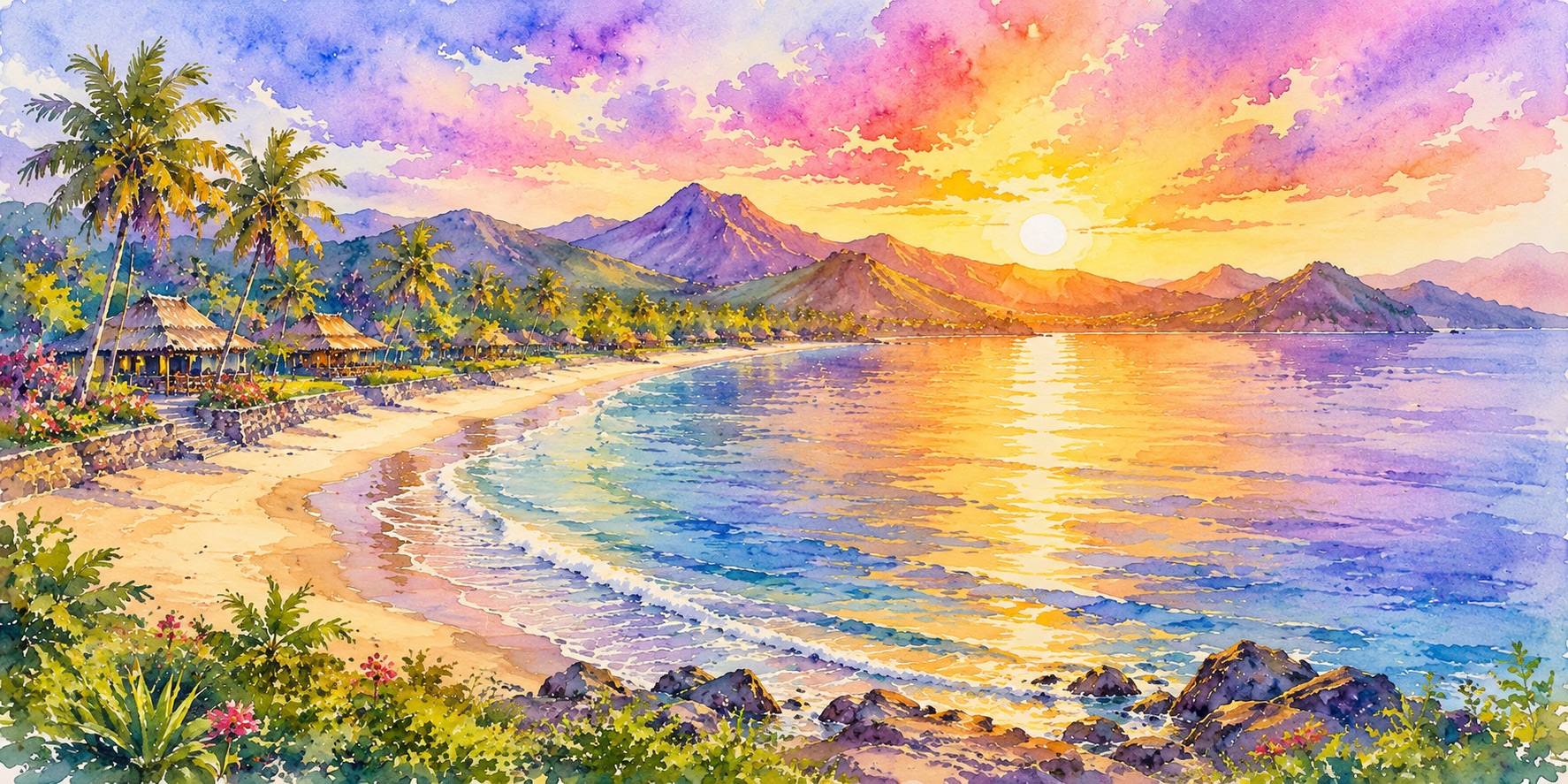
That maritime identity remains visible in South Sulawesi, where Konjo shipwrights construct traditional pinisi vessels using knowledge passed between generations. Farther east, Raja Ampat’s coral-rich waters sustain fishing communities and nature-based tourism, while Komodo National Park brings together dry savannah, coastal settlements and extraordinary marine biodiversity. Protecting these environments therefore means preserving both ecosystems and ways of life.
Diversity Woven into One Nation
Indonesia’s fragmented geography allowed hundreds of ethnic communities to develop distinctive languages, beliefs and artistic traditions. The Language Agency has identified 718 regional languages across the country. This diversity is united through Bahasa Indonesia and the national principle of Bhinneka Tunggal Ika, or “Unity in Diversity,” derived from the 14th-century Javanese poem Kakawin Sutasoma.
The principle remains alive through cultural expression. Batik makers in Central Java transform wax, dye and regional symbols into cloth carrying family histories. Gamelan orchestras create harmony through interlocking rhythms, while Balinese Legong combines disciplined movement, music and storytelling. As Culture Minister Fadli Zon has observed, “Culture creates space for dialogue when differences arise.” Across Indonesia, that dialogue unfolds in workshops, ceremonies, kitchens and performances.
A Heritage Still in Motion
Indonesia’s inheritance cannot be preserved simply by freezing it in time. Volcano monitoring, reef conservation, responsible tourism and regional-language revitalisation require cooperation among communities, government institutions and younger generations. Climate pressures, migration and development are changing landscapes and traditions, making thoughtful adaptation increasingly important.
Indonesia’s enduring strength lies in its ability to embrace change without surrendering its roots. From Bromo’s smoking crater to the boatyards of Bulukumba and the patterned textiles of Java, the country remains a living symphony—formed by fire, connected by water and held together through diversity.


