If you've ever set foot in Manila, one thing you simply cannot miss is the jeepney. Those wildly decorated, color drenched vehicles weave through traffic like a moving carnival loud, chaotic, and somehow unmistakably iconic. A jeepney is not just a ride. It's a mirror of the Filipino spirit, creative, resilient, and refusing to be boxed in.
But behind all that color, a problem had been quietly building for decades.
When an Icon Becomes a Burden
The Philippines has around 240,000 jeepneys operating daily. In Metro Manila alone, there are 55,000 units nearly all running on aging diesel engines.
That number sounds unremarkable, until you learn that these vehicles are responsible for 94% of urban soot mass in Metro Manila's air. Not general pollution but dense black particles entering the lungs of millions of people every single day.
And jeepneys aren't optional. They serve 40 million person trips daily. You can't simply switch them off but you also can't keep looking the other way.
Enter the E-Jeepney
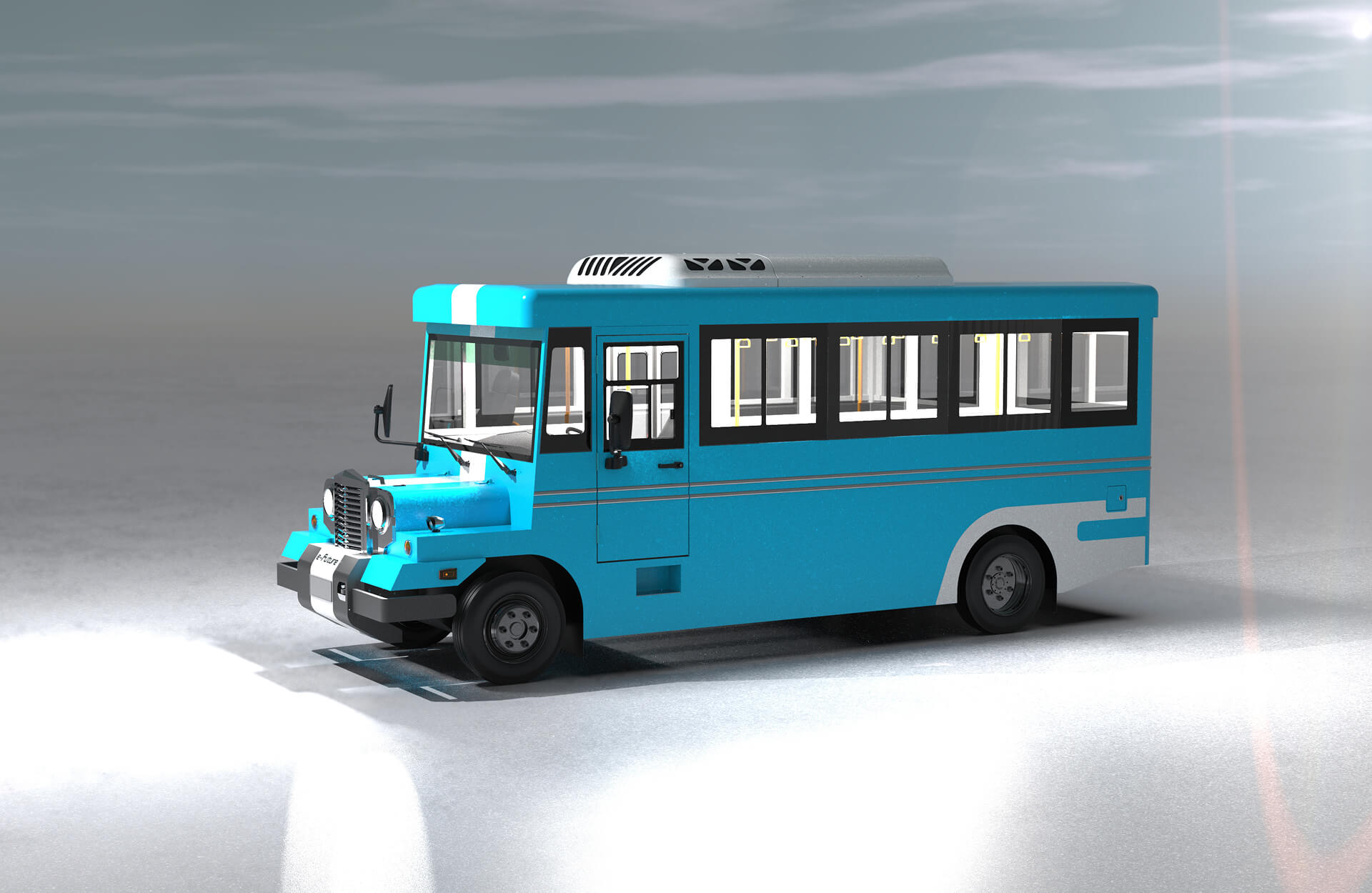
In 2017, the Philippine government through the LTFRB (Land Transportation Franchising and Regulatory Board) launched the Public Utility Vehicle Modernization Program (PUVMP). An ambitious initiative to replace fossil fuel jeepneys with cleaner, modern alternatives, including electric powered e-jeepneys.
The idea was straightforward but bold to keep the soul of the jeepney, swap out its engine.
E-jeepneys still arrive in full decorative glory the vibrant art and ornaments that define the vehicle's identity weren't touched. What changed was under the hood. And that's where the numbers get interesting, traditional diesel jeepneys cost roughly 8.85 to 13.3 Philippine pesos per kilometer to operate.
While e-jeepneys run on electricity at a significantly lower cost per kilometer, a difference that directly affects the daily income of drivers.
Challenges on the Road
A single e-jeepney unit costs between 2 to 3 million pesos, compared to 200,000 to 400,000 pesos for a conventional jeepney.
The government provided subsidies, but the original amount covered only around 5% of the vehicle's total cost later increased to 280,000 pesos in December 2023.
By June 2024, over 10,000 traditional jeepneys had been declared colorum unauthorized to operate under the program, leaving their drivers without income during the transition period.
There is also a structural question around the program's environmental impact. The Philippine power grid currently runs on 80% fossil fuels. Renewable energy reached 22% of the grid mix in 2024.
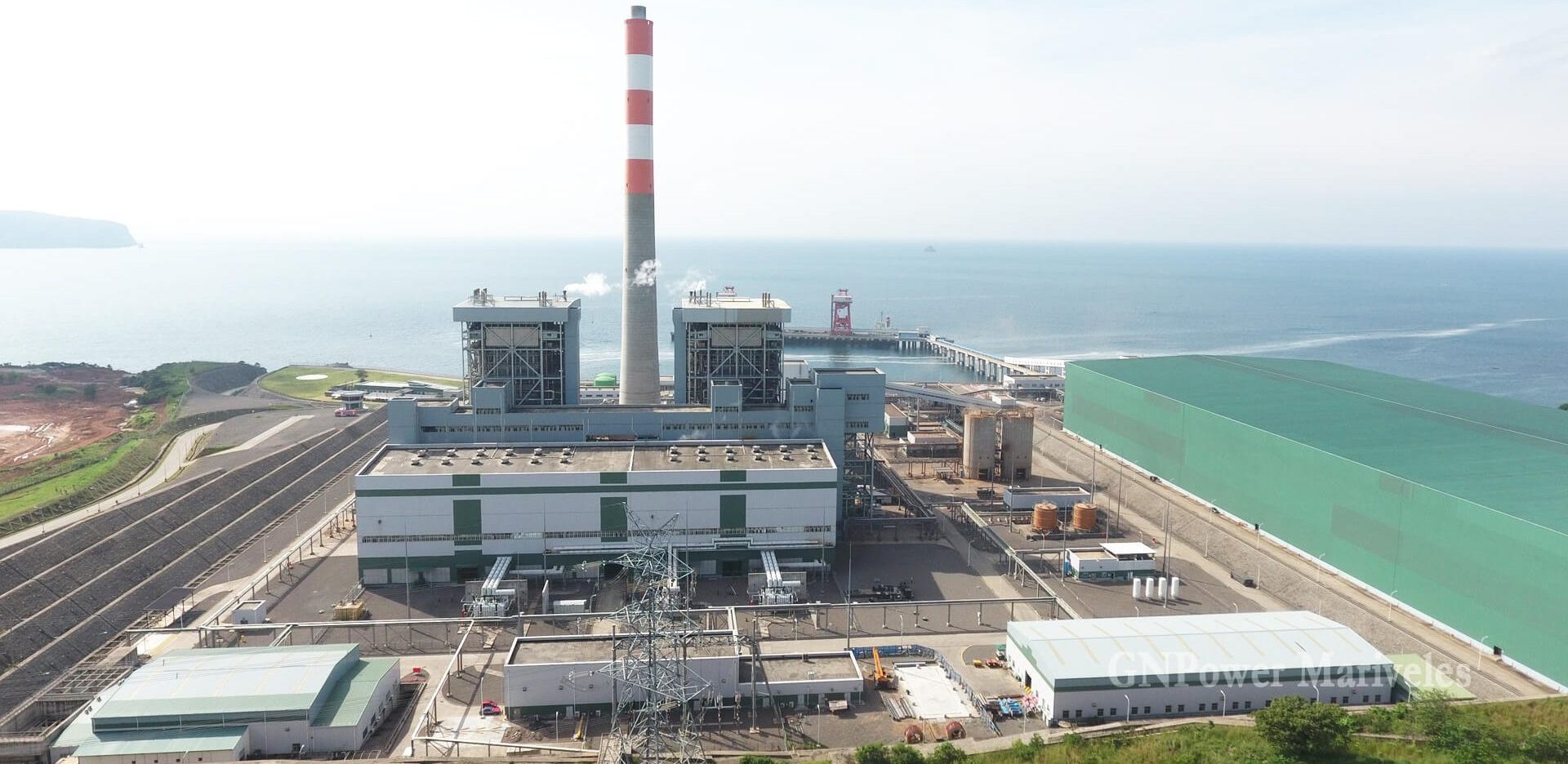
Meaning a portion of e-jeepneys are still indirectly powered by coal and oil, a factor the government has acknowledged with a target of 35% renewables by 2030 and 100% renewable energy for EV charging by 2040.
Picking Up Speed
Despite the challenges, deployment numbers are moving. By 2025, e-jeepney units on Philippine roads surpassed 1,000, reflecting growing adoption after years of slow rollout.
Drivers who have transitioned report lower maintenance costs and reduced fuel expenses. In General Santos City, one of the early implementation sites, resistance gave way to acceptance as drivers experienced the operational benefits firsthand.
The government continues to work with cooperatives and financing institutions to expand access to the program.
A Transformation in Motion
The jeepney was born from leftover American military vehicles after World War II, rebuilt by Filipino hands into a distinct cultural symbol. Decades later, that transformation is happening again this time driven by electric motors and environmental policy.
The colors remain. The decorations remain. What is being replaced is the engine, and with it, the emissions that have long shadowed one of Southeast Asia's most recognizable icons.