Viet Nam has one of the world's largest motorcycle dependent transport systems. Data from Viet Nam's Ministry of Transport show approximately 73 million registered motorcycles nationwide, of which around 70 million are gasoline powered, compared with roughly 6.3 million registered cars as of the end of 2023.
In Hanoi alone, the city has nearly 7 million motorcycles and just over a million cars, according to state media reports. Motorcycles are widely used for commuting, deliveries, and commercial transport.
In 2025, TomTom recorded an average congestion level of 49.2% in Hanoi and 46.9% in Ho Chi Minh City. The two cities are Viet Nam's largest urban and economic centers.
The Shift Is Being Driven by Air Pollution
The transition away from gasoline powered vehicles is also linked to air quality concerns.
On December 11, 2025, Hanoi's Air Quality Index reached 243 at midday, according to IQAir's AirVisual, placing the city fourth among the world's most polluted cities that day. some hotspots in the capital, such as Tay Ho, reached as high as 295.

Both readings fall in the "very unhealthy" category. The city's air pollution has been linked to multiple sources, including traffic, industrial activity, construction, and seasonal atmospheric conditions. Viet Nam's government has therefore introduced policies to establish low emission zones and reduce the use of fossil fuel vehicles in selected urban areas.
Hanoi began a phased restriction on fossil fuel vehicles in selected central areas from July 1, 2026. The first phase focuses on selected streets around Hoan Kiem, with the policy scheduled for gradual expansion over subsequent years. The policy does not immediately prohibit all gasoline motorcycles across the entire central city.
Replacing the Fuel, Not the Vehicle
Viet Nam's transport transition is increasingly focused on electric motorcycles rather than replacing two wheelers with private cars.
The country's motorcycle market has historically been dominated by Japanese manufacturers. Honda held more than 80% of Viet Nam's motorcycle market and sold approximately 2.6 million motorcycles in 2024, according to Reuters.
At the same time, Vietnamese manufacturer VinFast has expanded its electric motorcycle business. The company reported selling more than 406,000 electric motorcycles in Viet Nam in 2025, a 473% increase from the previous year.
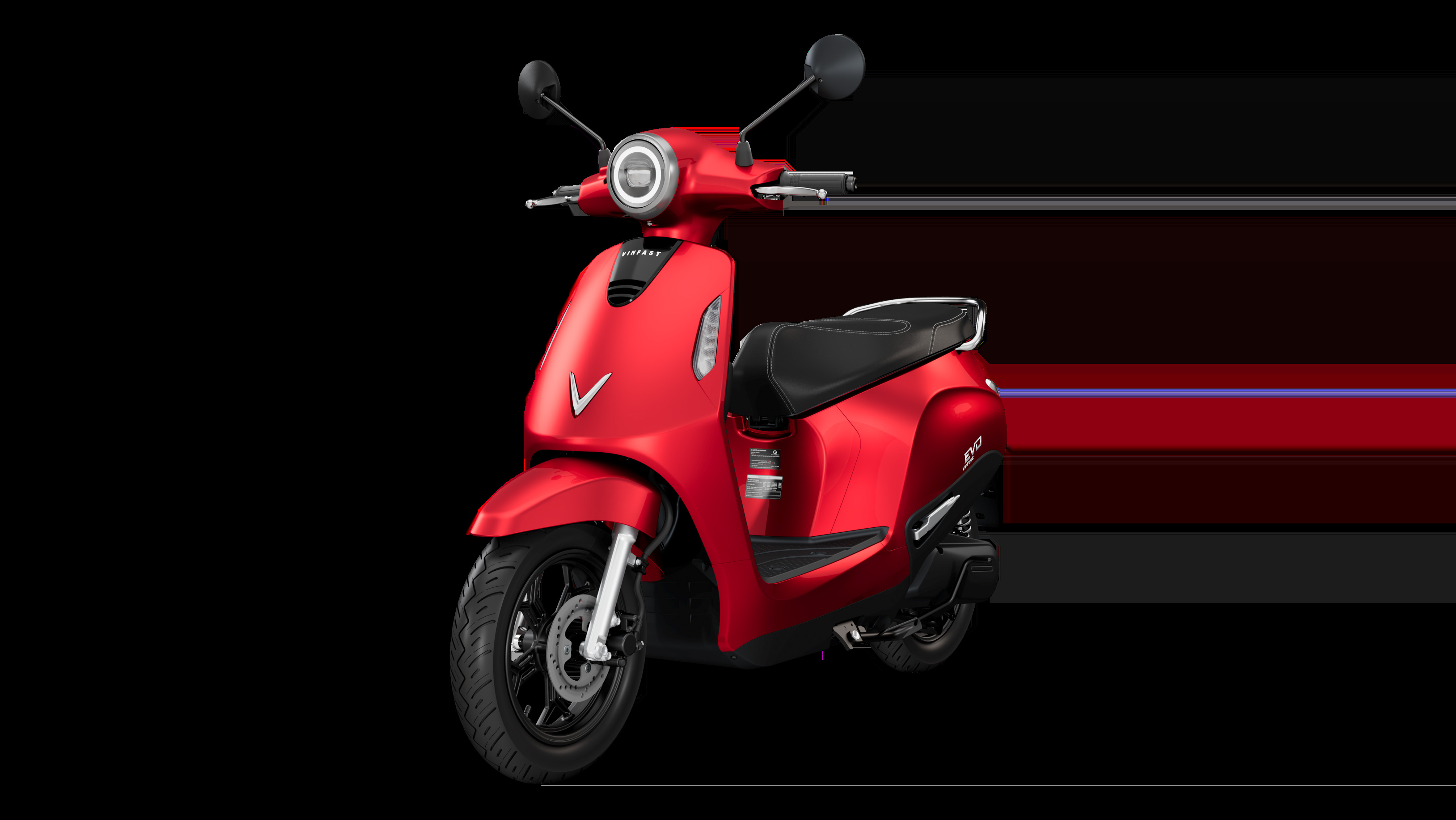
The change is also visible in the delivery sector. Companies and individual riders are increasingly adopting electric motorcycles as Vietnam introduces policies targeting emissions from urban transport.
A Transport System in Transition
Viet Nam is not replacing a small number of gasoline vehicles. It is gradually transitioning a transport system built around tens of millions of motorcycles.
The policy direction is moving from gasoline powered two-wheelers toward electric two-wheelers, while Hanoi is introducing low emission zones in stages.
The vehicle itself is not disappearing from Vietnam's streets, but the engine is changing.