In the 1990s, Brunei placed one of the largest naval orders in its history, three modern corvettes from the United Kingdom. The ships were built, delivered, and fully armed. But they never entered Bruneian service.
Over a decade later, the vessels were sold to Indonesia.
The transfer became one of Southeast Asia's more unusual naval procurement stories, involving contract disputes, shifting operational requirements, and different maritime priorities between two ASEAN countries.
Brunei's Largest Naval Procurement
In 1995, Brunei signed a contract with GEC Marconi (now BAE Systems) for three Nakhoda Ragam class corvettes. The contract was reportedly valued at around £600 million.
The ships measured around 95 meters in length and were equipped with anti ship missiles, surface to air missiles, a main gun, and helicopter landing facilities. At the time, they represented the most heavily armed surface combatants ever ordered by Brunei.
The order was linked to Brunei's maritime security needs, particularly within its Exclusive Economic Zone (EEZ). According to the World Bank, Brunei's economy in the early 2000s remained heavily dependent on oil and gas exports, much of which were located offshore.
Protecting offshore infrastructure and sea lanes was a key part of Brunei's naval planning.
A Contract Dispute Changed Everything
The three ships were launched between 2001 and 2002, with sea trials completed in 2003. However, Brunei declined to accept them into service, citing concerns that the vessels did not fully meet the agreed contractual specifications. Brunei claims that the ships were not suited for operations in tropical conditions.
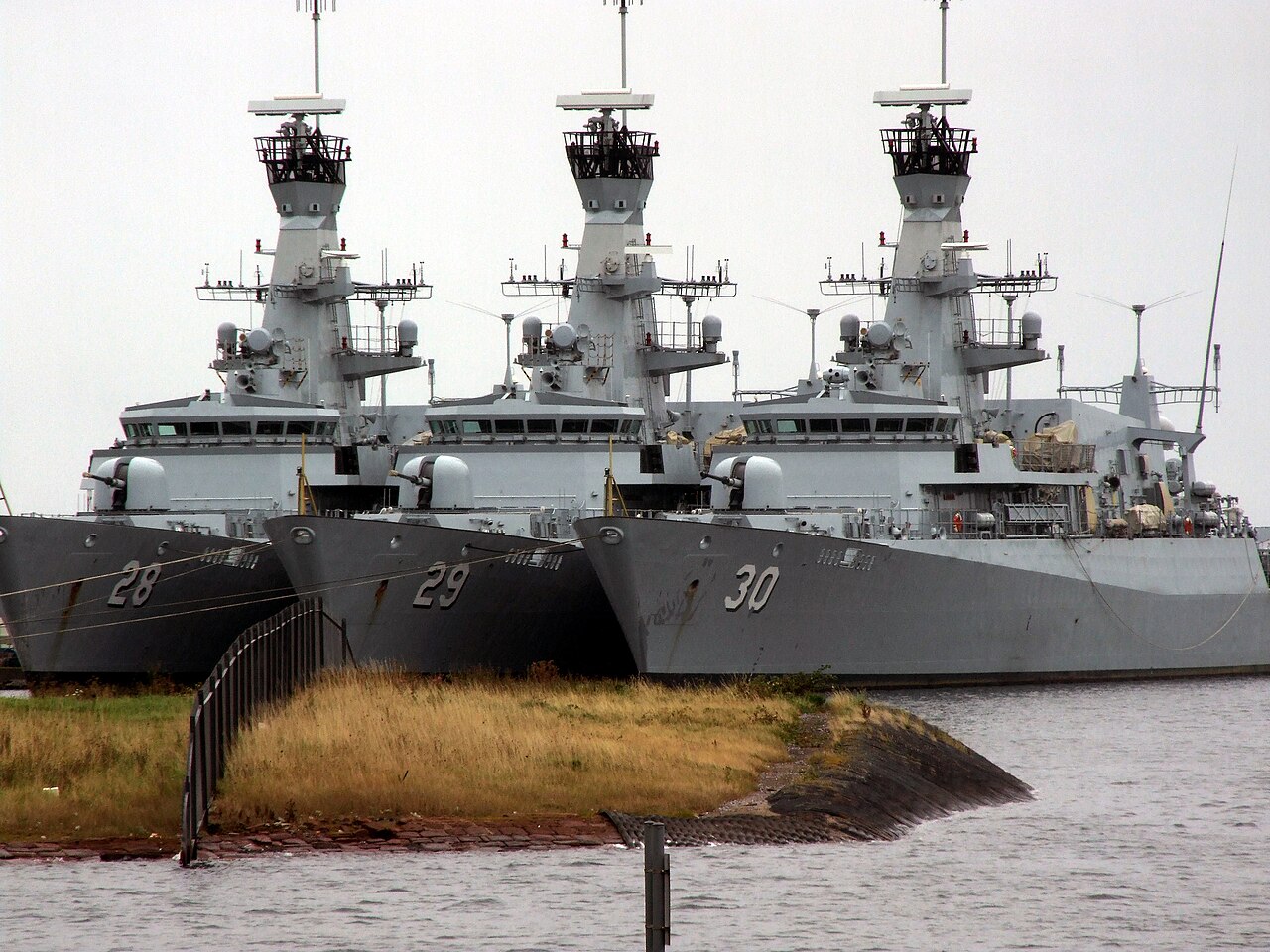
BAE Systems disputed the claim and brought the case to international arbitration.
In May 2007, the arbitration ruling favored the British company, confirming that the vessels met the contract requirements. Ownership was transferred to Royal Brunei Technical Services (RBTS) effectively the country's defense ministry following the ruling. During the years of dispute, the three ships had remained moored at Barrow in Furness in the United Kingdom.
Despite this, the Royal Brunei Navy did not commission the ships. In 2007, Brunei contracted the German shipyard Lurssen to find a new buyer for the vessels.
Instead of operating the corvettes, Brunei continued with smaller patrol vessels and later expanded its fleet with the Darussalam class offshore patrol vessels, which entered service starting in 2011.
Indonesia Acquired the Ships
In November 2012, it was announced that the Indonesian Navy would purchase the three corvettes from Brunei. The ships were formally commissioned into Indonesian service in 2014 as the Bung Tomo class corvettes named after a prominent figure in Indonesia's independence movement.
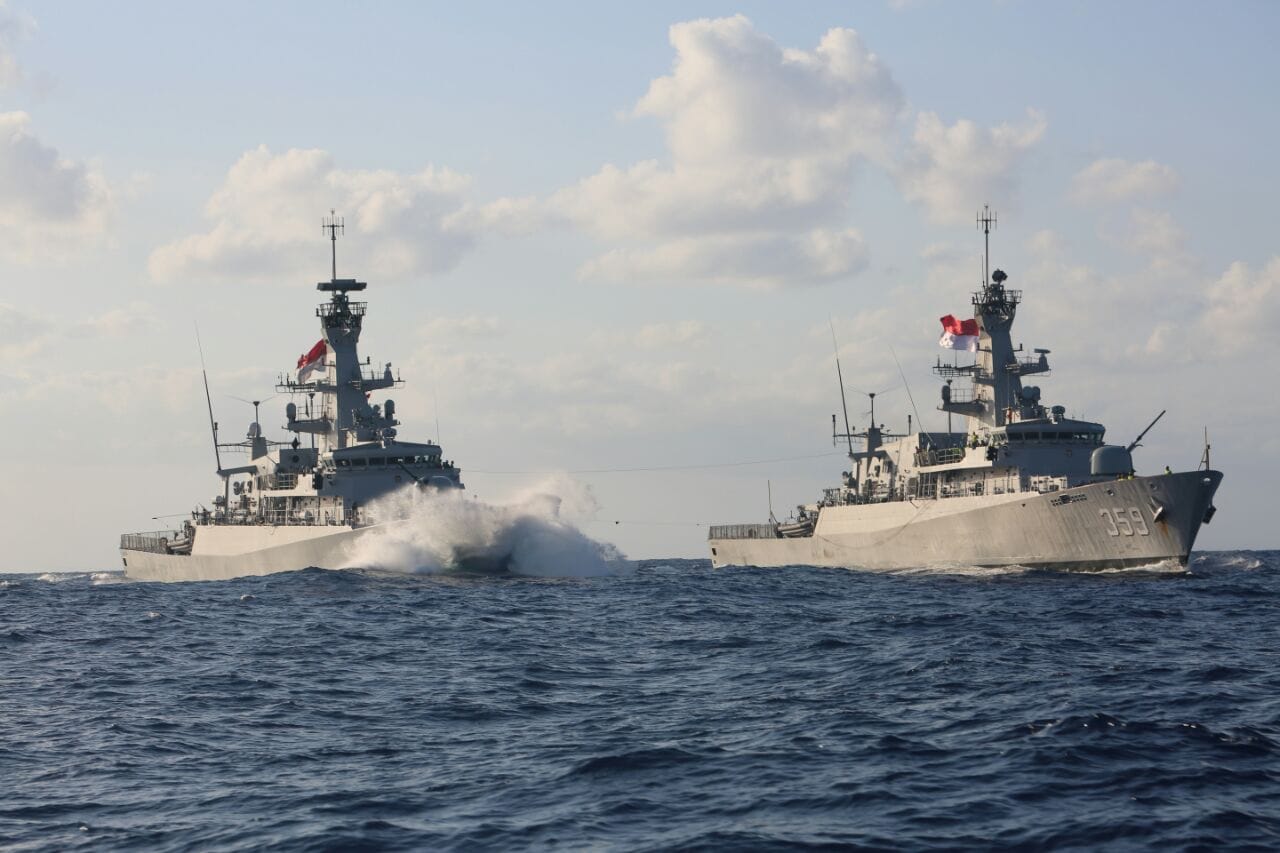
Following the acquisition, the ships underwent modifications, including adjustments to combat systems and communications equipment, before entering active service.
The ships became part of Indonesia's wider naval modernization program during the 2010s and continue to serve as core assets in the Indonesian Navy's surface combatant inventory.
Indonesia's maritime requirements differ significantly from Brunei's. As the world's largest archipelagic state, Indonesia has more than 17,000 islands and a coastline of over 95,000 kilometers, according to the United Nations. This maritime geography requires a larger operational fleet for patrol, deterrence, and sea lane security.
Different Operational Requirements
The transfer of the Nakhoda Ragam class corvettes illustrates how naval procurement can produce different outcomes depending on national operational requirements.
Brunei's navy maintained a smaller force structure focused on offshore patrol and territorial waters, while Indonesia integrated the vessels into a larger fleet operating across wider maritime zones.