Malaysia ranks second in Southeast Asia for vehicle ownership, with approximately 535 vehicles per 1,000 people, based on OICA data compiled by Seasia.co. Only Brunei surpasses Malaysia in the region, recording 805 vehicles per 1,000 people, but Brunei is a small state with a population of under 500,000 people and a land area of 5,765 km².
Malaysia, by contrast, has a population of approximately 33 million across 330,000 km². At that scale, Malaysia's vehicle ownership rate represents one of the most concentrated concentrations of private car use by a large nation in Southeast Asia, and arguably the most structurally significant.
Understanding how Malaysia arrived at this position requires looking at four decades of industrial policy, taxation structure, and infrastructure investment.
The National Car Policy
In 1983, the Malaysian government established Perusahaan Otomobil Nasional better known as Proton as the country's first national car manufacturer. A decade later, in 1993, a second national automaker, Perodua, began operations.
Both companies were established under a framework of government support that included protective trade barriers.
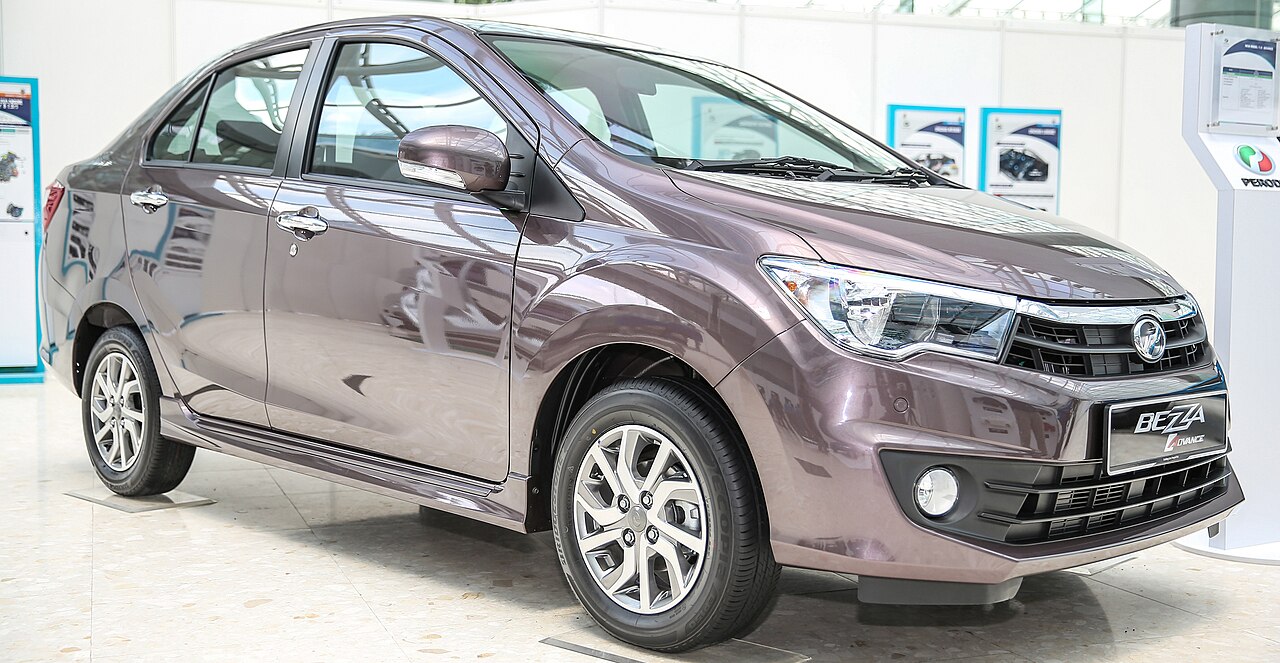
To shield these domestic manufacturers, Malaysia implemented a layered vehicle taxation system that remains in place today.
Imported passenger cars are subject to excise duties ranging from 65% to 105% depending on engine capacity, plus import duties of up to 30% for fully built up vehicles, and a 10% Sales and Services Tax on top. These rates are among the highest in the world for automotive taxation.
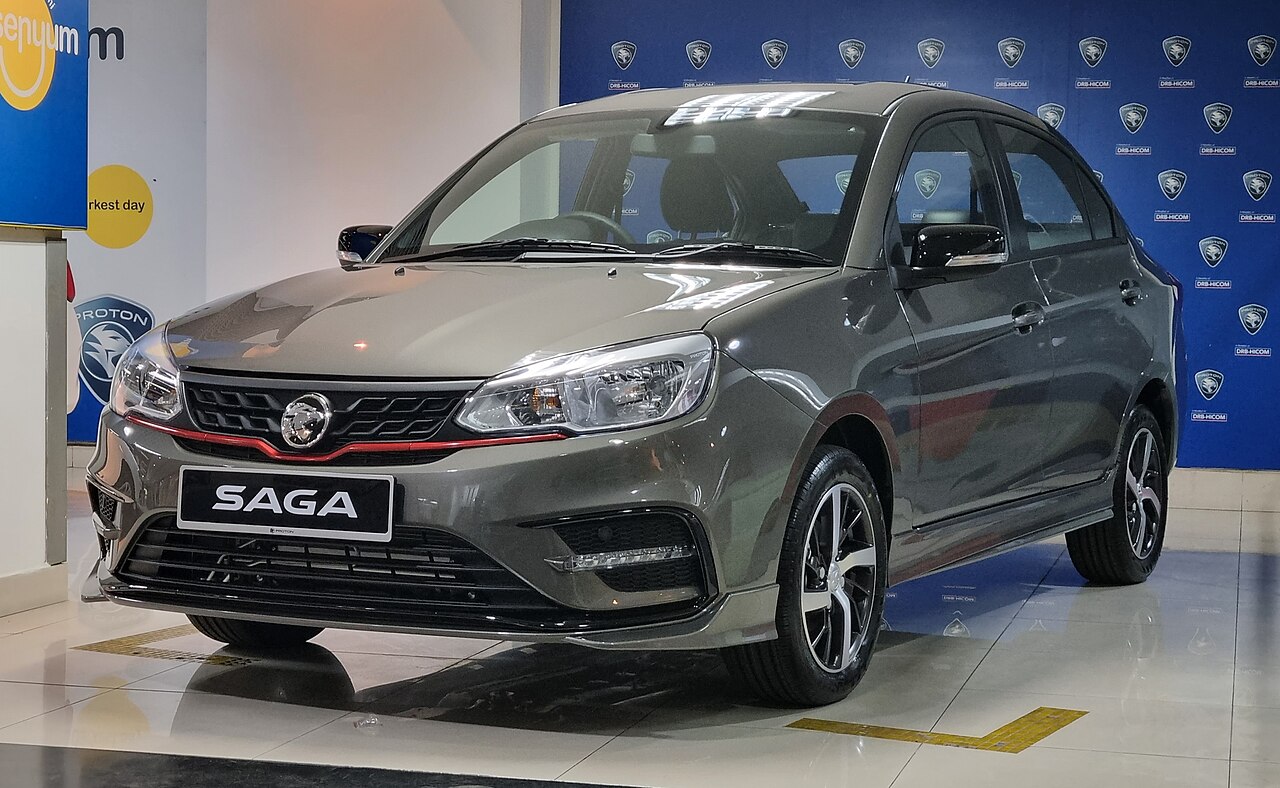
The practical effect was a sharp price gap between locally assembled vehicles and foreign alternatives. Proton and Perodua, benefiting from rebates tied to their use of local components estimated at 80% to 90% could offer vehicles at prices significantly below what comparable foreign brand models would cost under the full tax structure.
This made car ownership accessible to a broader segment of Malaysian households than would otherwise have been the case. Nearly 60% of Malaysia's annual car market of around 600,000 units is controlled by the two national brands.
Fuel Subsidies and Road Investment
Malaysia's fuel subsidy programme has historically kept the cost of driving below market rates. The country's subsidised RON95 petrol price has been among the lowest in Southeast Asia, reducing the operating cost of private vehicle ownership.
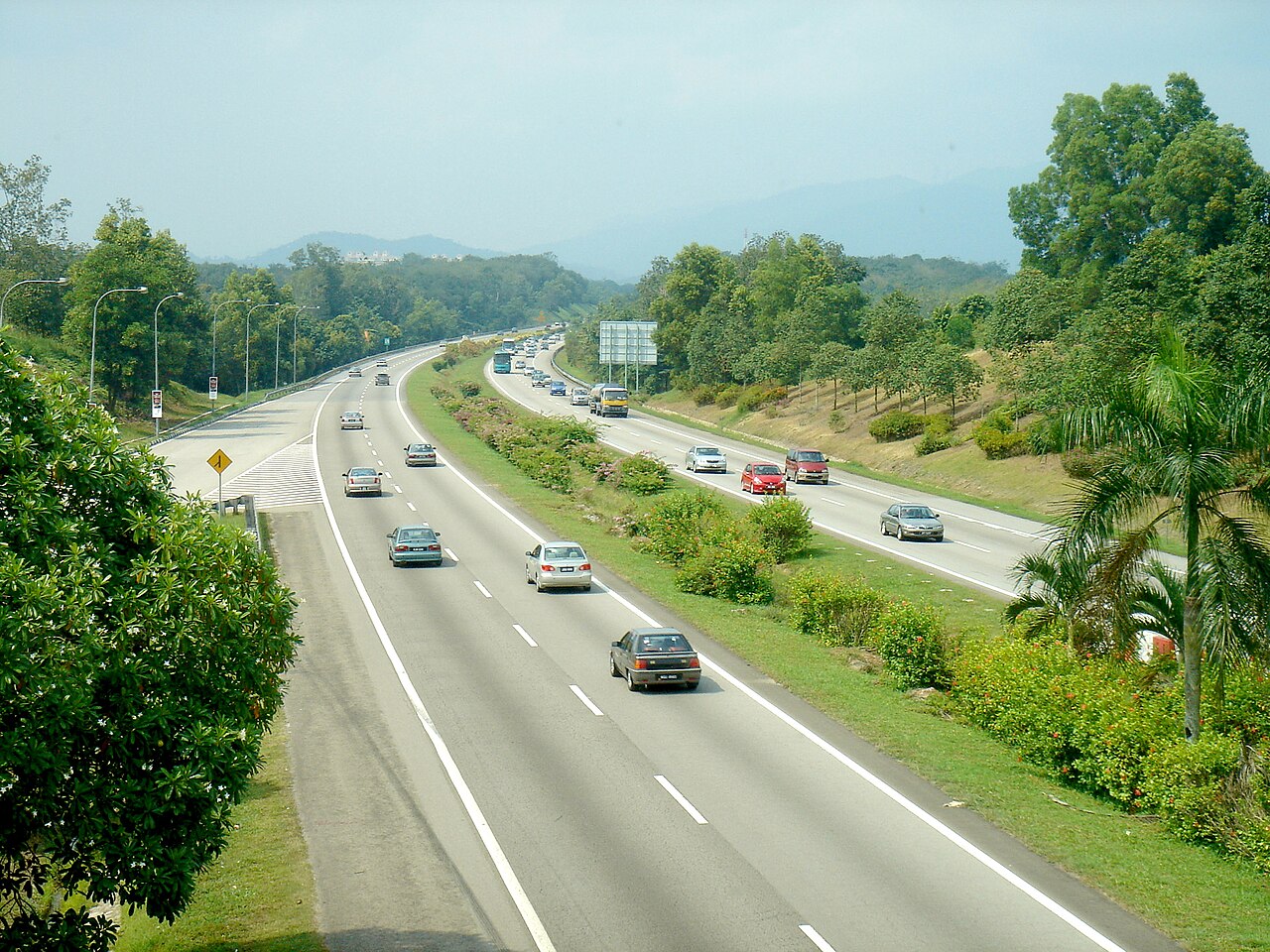
At the same time, Malaysia has invested heavily in highway infrastructure, including elevated expressways running through Kuala Lumpur and an extensive toll road network connecting major urban centres.
According to a 2021 analysis from IDEAS (Institute for Democracy and Economic Affairs), road expansion has continued alongside an undersupply of integrated public transport alternatives.
Malaysians spend an average of 53 minutes stuck in traffic daily, according to data cited by The Centre, a Malaysian think tank. TomTom's 2022 Traffic Index recorded that KL drivers spent 159 hours on the road during peak hours that year, at an average rush hour speed of 29 km/h in the city centre.
A Structural Outcome
Malaysia's position as one of Southeast Asia's most car dependent countries is the result of intersecting policies that span more than four decades.
A national automotive industry designed to expand domestic car ownership, a tax structure that made locally assembled vehicles relatively affordable, fuel subsidies that kept driving costs low, and an urban development pattern that prioritised road infrastructure over mass transit.
The numbers reflect a compounding outcome. Malaysia's vehicle per capita ratio is not only the highest in mainland Southeast Asia, it approaches levels seen in parts of Europe and North America, in a country where public transport modal share remains a fraction of those markets.