Indonesia is the only country in Southeast Asia that designs and manufactures its own fixed-wing aircraft. But every aircraft currently rolling out of its factories still flies with propellers.
At a time when commercial aviation is dominated by jet engines, that may sound like a sign Indonesia is falling behind.
A Propeller Doesn’t Mean Old Technology
Many people are surprised to learn that modern propeller aircraft are powered by jet engines.
Modern propeller aircraft no longer use piston engines like those found on aircraft from the early twentieth century. Instead, they are powered by turboprop engines, a type of gas turbine engine, the same core technology used in modern jet aircraft.

The difference lies in how that power is used.
A jet engine produces most of its thrust directly from high speed exhaust gases. A turboprop uses the gas turbine to drive a large propeller through a reduction gearbox, allowing it to convert far more of the engine’s power into efficient thrust at lower speeds.
The goal isn’t to fly faster. It’s to fly more efficiently.
Why Faster Isn’t Always Better
Jet aircraft are built for speed, typically cruising between 800 and 900 kilometers per hour.
But speed isn’t always the priority.
For short regional routes, lower cruising altitudes, and airports with limited infrastructure, turboprops burn significantly less fuel while carrying a similar number of passengers. They also require much shorter runways, making them ideal for destinations where jets are either uneconomical or unable to operate.
That is why aircraft such as the ATR 72 and Bombardier Q Series remain among the world’s most successful regional airliners, carrying millions of passengers every year.
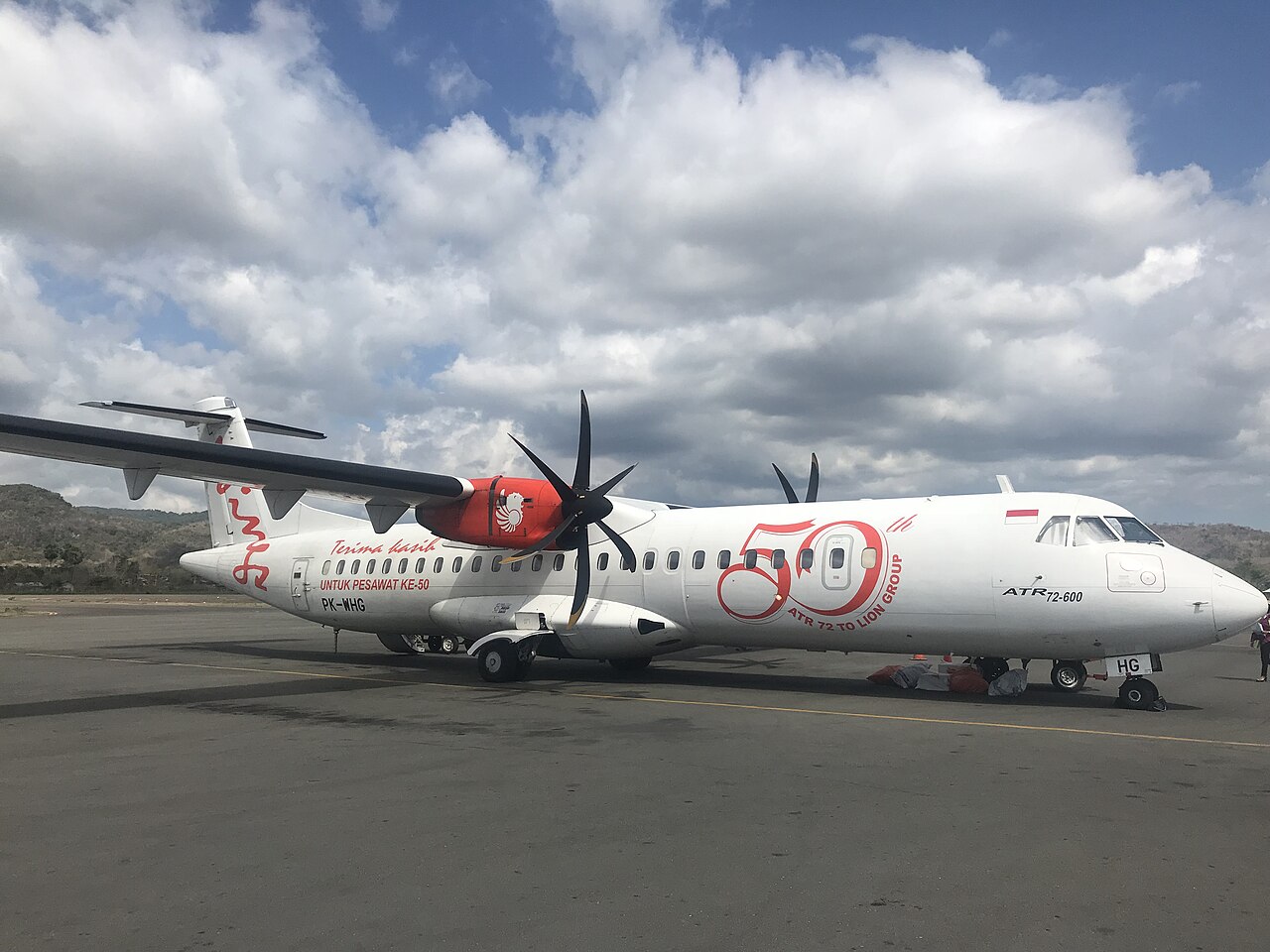
The same principle applies in military aviation. The Lockheed Martin C-130 Hercules, first introduced in the 1950s, is still in production today. Even the much newer Airbus A400M Atlas uses four propeller engines instead of jets.
If propellers were truly obsolete, manufacturers would have abandoned them long ago.
Why Indonesia Keeps Building Turboprops
Indonesia is home to more than 17,000 islands, many of which are connected by short runways built in mountainous terrain, dense forests, or remote coastal communities. These airports often cannot accommodate regional jets safely or economically.
Aircraft such as the N219 were designed specifically for these conditions. Carrying up to 19 passengers, the aircraft combines modern digital avionics with short takeoff and landing (STOL) capability, allowing it to operate from runways that would challenge many jet-powered aircraft.
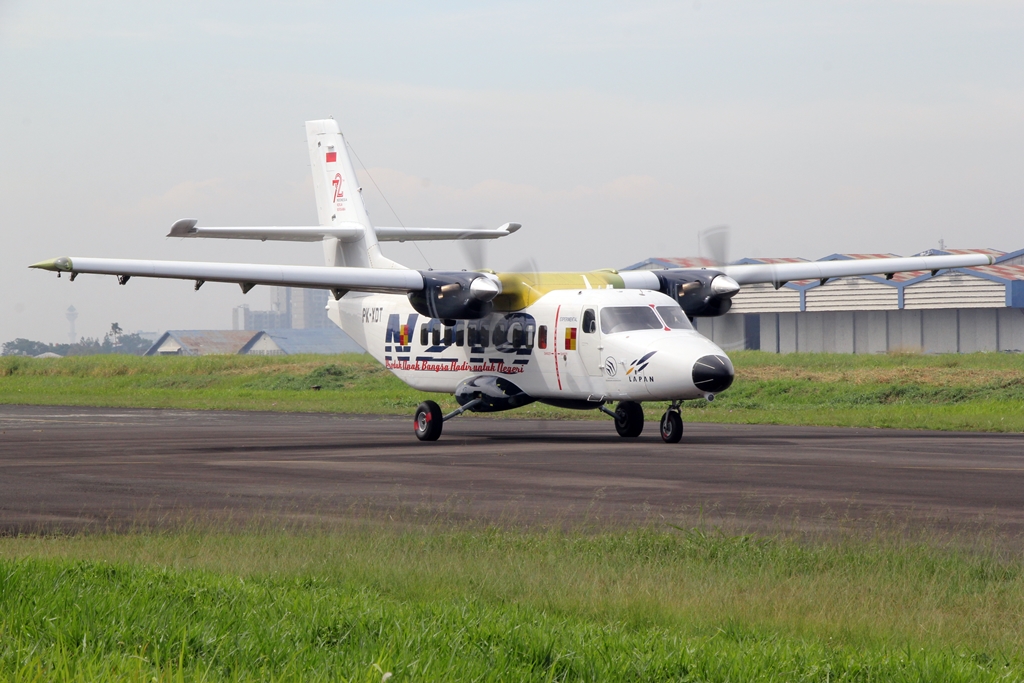
The larger CN235 follows the same philosophy. Originally developed jointly by Indonesia and Spain, it has become a versatile platform for military transport, maritime patrol, search and rescue, disaster relief, and cargo operations.
Its ability to take off from short or semi-prepared runways has made it popular with operators across Asia, Africa, the Middle East, and Latin America.
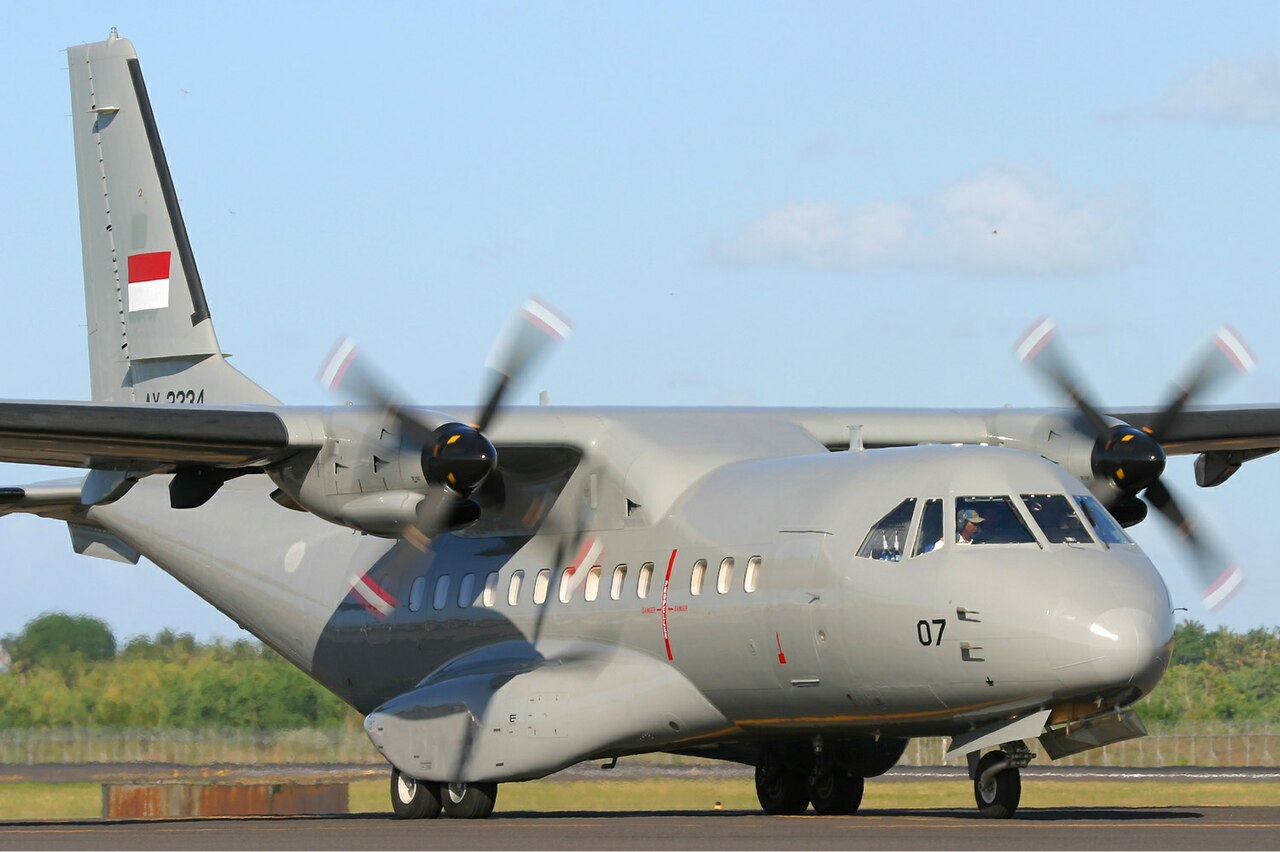
Rather than building the fastest aircraft possible, Indonesia builds aircraft suited to the environments where they are expected to fly.
A Growing Aerospace Industry
Meeting those operational requirements demands far more than simply assembling aircraft. It requires the ability to design, manufacture, certify, and support complex aerospace products over decades.
Founded in 1976, Indonesian Aerospace or known as PT Dirgantara Indonesia (PTDI) has grown into one of Asia's few aerospace manufacturers capable of developing, manufacturing, assembling, and supporting complete aircraft.
Since its establishment, the company has delivered nearly 470 aircraft to around 50 operators worldwide, while also producing helicopters, aerostructures, and aircraft components for major global aerospace companies.
The NC212i is a substantially modernized version of the classic C-212, incorporating digital avionics, improved systems, and higher operational efficiency. Following the transfer of production from Airbus Defence and Space, PTDI became the sole global manufacturer of the NC212 family.
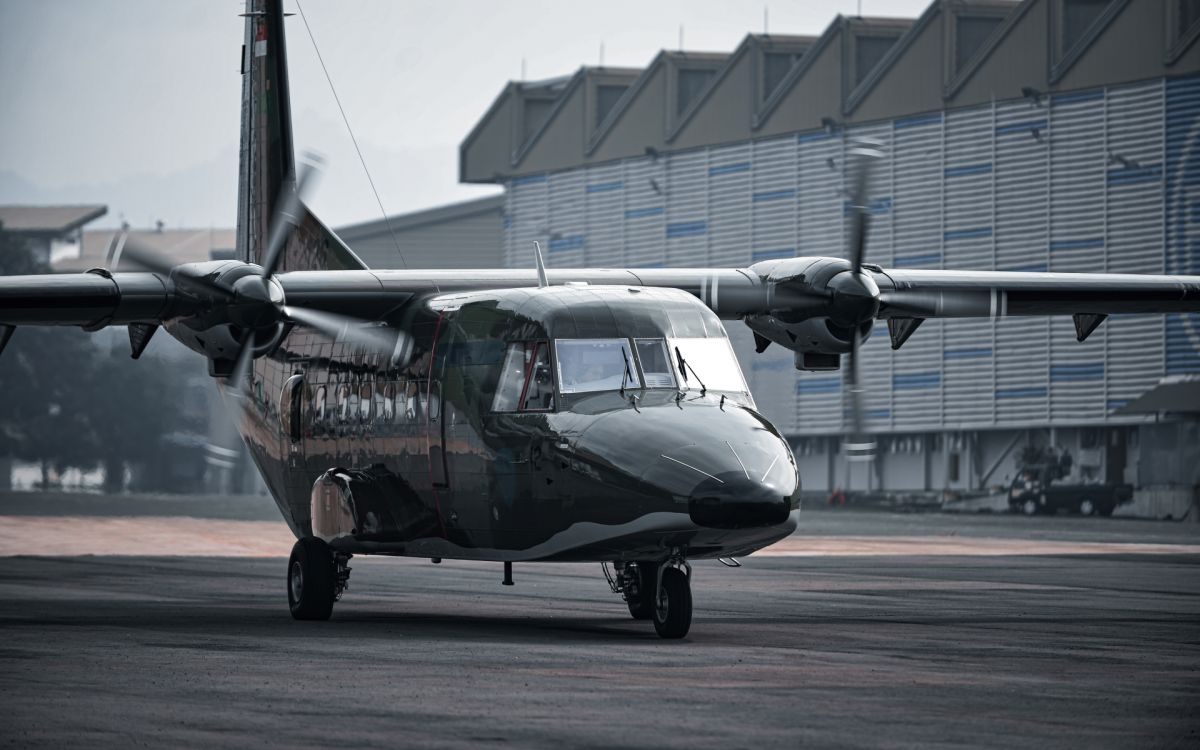
The CN235 has also expanded far beyond its original transport role, spawning specialized variants for maritime surveillance, coast guard operations, electronic surveillance, cargo transport, and military missions.
Rather than competing directly against Boeing or Airbus in the commercial jet market, PTDI has focused on a niche where it can offer genuine value, reliable, fuel efficient aircraft capable of operating where larger jets cannot.
That is a deliberate market strategy, not a technological limitation.