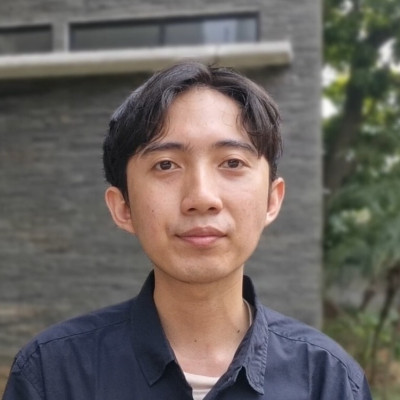
In Cambodia, a person's full name starts with their family name. The given name comes second. This standard applies to the majority ethnic Khmer population across the country.
System naming in the country reflects deep cultural values. Understanding this structure helps people pronounce and address individuals correctly in formal or casual settings.
Family Heritage Before Individual Identity
Putting the family name first is a sign of respect for ancestry. Khmer culture places heavy emphasis on lineage and collective identity.
Individual achievements belong to the family network. Placing the surname at the beginning signals that identity starts with background, not personal distinction.
People in Cambodia usually call each other by their given name, which is the second word in their full name. They rarely use the family name alone during daily interactions.
Social honorifics always precede the given name to express politeness. Men receive the title Lok, equivalent to Sir or Mister. Women are addressed with Lok Srey, meaning Madam or Lady.
Addressing someone by their family name can sound unnatural to local ears. The surname serves as a marker of origin rather than a personal label.
The Global Name Flip Habit
Many Cambodians adapt their names when filling out foreign visa forms or registering international accounts. They move their family name to the end to align with western standards.
This switch prevents modern administrative software from swapping their given name with their surname. The adjustment makes international communication smoother.
Former Prime Minister Hun Sen displays this pattern clearly. Hun is his family name, while Sen is his personal given name. People in Cambodia address him as Mr. Sen rather than Mr. Hun.
Current Prime Minister Hun Manet follows the exact same rule. Hun remains the family name passed down from his father, while Manet is his personal given name.
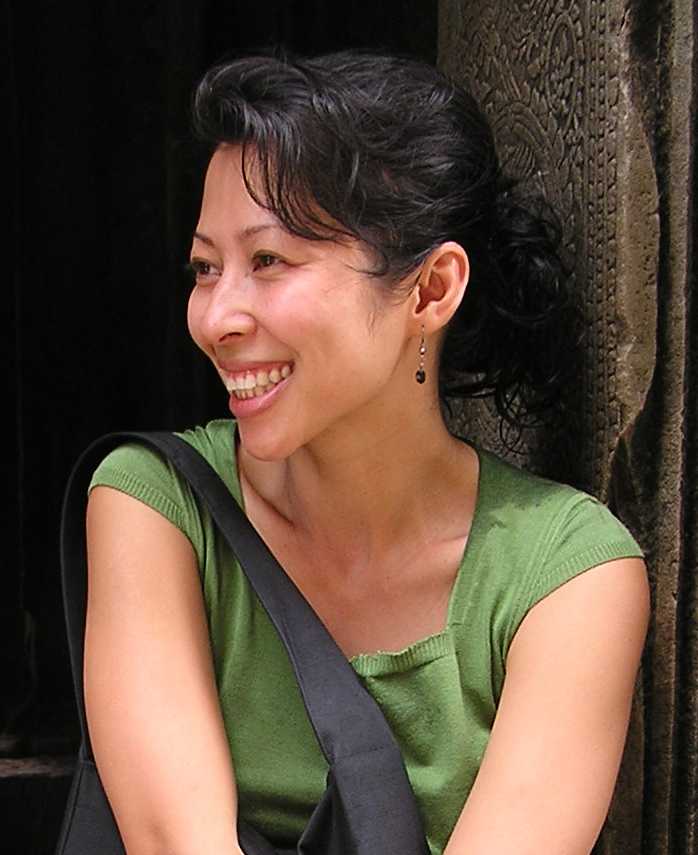
Cambodian-born activist and author Loung Ung provides a clear example of the name adjustment after moving abroad. Born Ung Loung with her family name first, the USA immigration documents permanently reversed her name to match local legal formats.
Official Cambodian passports still list the family name first in accordance with national record standards. Citizens simply adjust the order informally when writing in English.
Historical Origins of Khmer Names
Historical Cambodian naming patterns were much more fluid than they are today. Surnames were not always passed down through multiple generations.
Children traditionally took their father's given name as their own family name. This patronymic practice meant surnames changed with every new generation in a family line.
Royal family members and religious figures followed distinct naming conventions influenced by Sanskrit and Pali vocabulary. Words were selected based on positive virtues or sacred meanings.
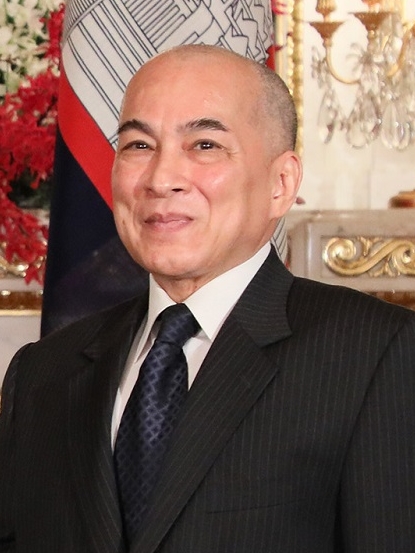
King Norodom Sihamoni carries a name constructed from historical royal roots. Norodom represents the royal house lineage, while Sihamoni forms his specific personal name.
Modern regulations eventually standardized permanent family surnames across the country. Traditional roots still influence the specific words parents choose for their children today.
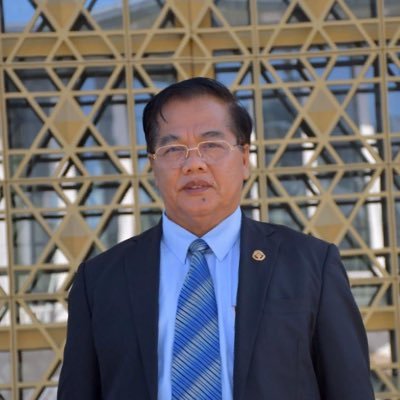
Meanwhile, minority communities in Cambodia preserve their own distinct conventions. As an example, senior Minister Othsman Hassan uses a traditional patronymic structure where Hassan represents his father's name.
Othsman serves as Minister of State in charge of Special Missions (Islamic Affairs). He also received the royal title Neak Oknha, a prestigious knighthood for major social contributions.