Taiwan sits in East Asia. Indonesia sprawls across Southeast Asia as the world's largest archipelago. On paper, the two barely intersect.
But for 38 years in the 17th century, both answered to the same colonial boss. The Dutch East India Company (VOC), headquartered in Batavia, present day Jakarta.
The VOC Expanded Beyond Southeast Asia
The Dutch East India Company, established in 1602, was granted extensive powers by the Dutch Republic. It could wage war, sign treaties, establish colonies, and govern overseas territories.
Its Asian headquarters were established in Batavia in 1619, after the VOC captured the port of Jayakarta. From Batavia, the company coordinated its commercial and administrative activities across much of Asia.
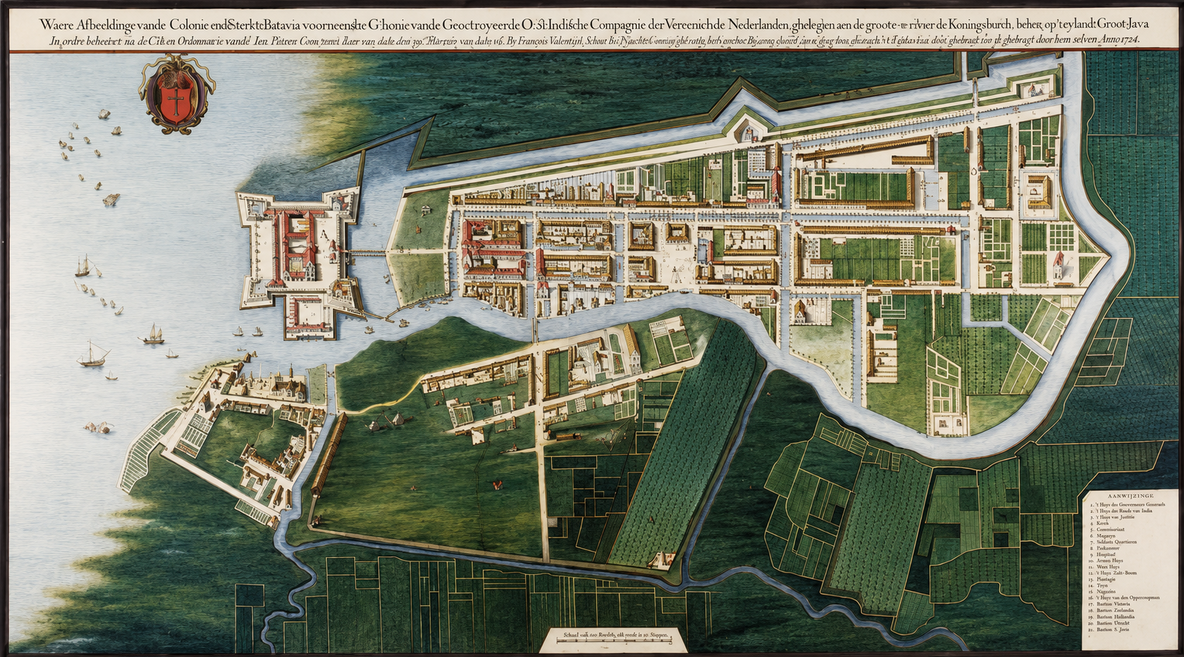
Although Batavia is now Indonesia's capital city, Jakarta, it was then the administrative center of a multinational trading network that extended far beyond the Indonesian archipelago.
Taiwan Became Part of the VOC's Asian Network
In 1624, the VOC established its first permanent settlement in southern Taiwan, then known in Europe as Formosa. The Dutch built Fort Zeelandia near present day Tainan, which became the colony's administrative center.
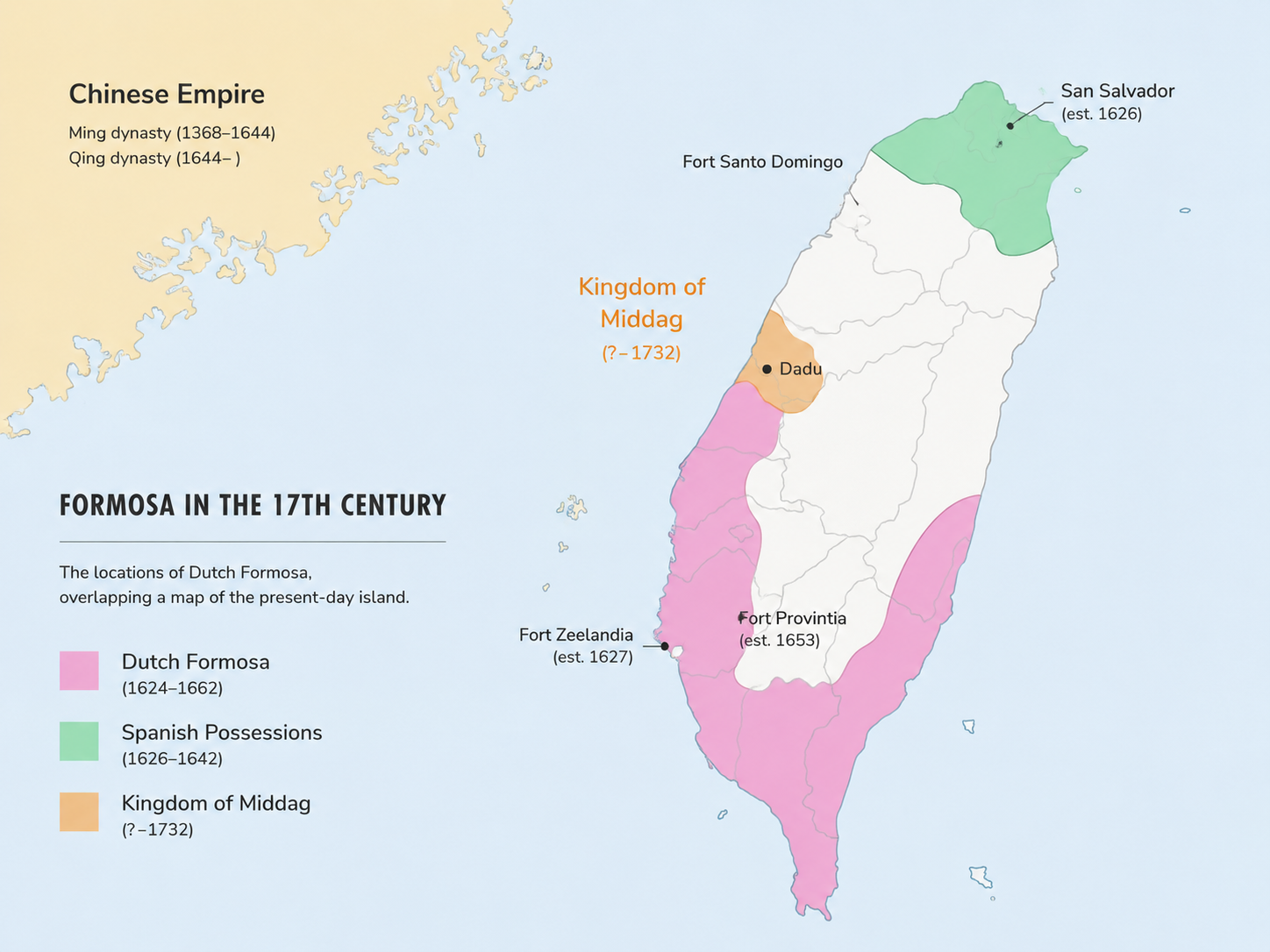
The colony was established primarily to strengthen Dutch trade with China and Japan after the VOC failed to gain unrestricted commercial access to the Chinese mainland.
During Dutch rule, the VOC introduced taxation, expanded agricultural production, encouraged Chinese migration for farming, and used Formosa as an important trading base linking East Asia with Batavia and other VOC territories.
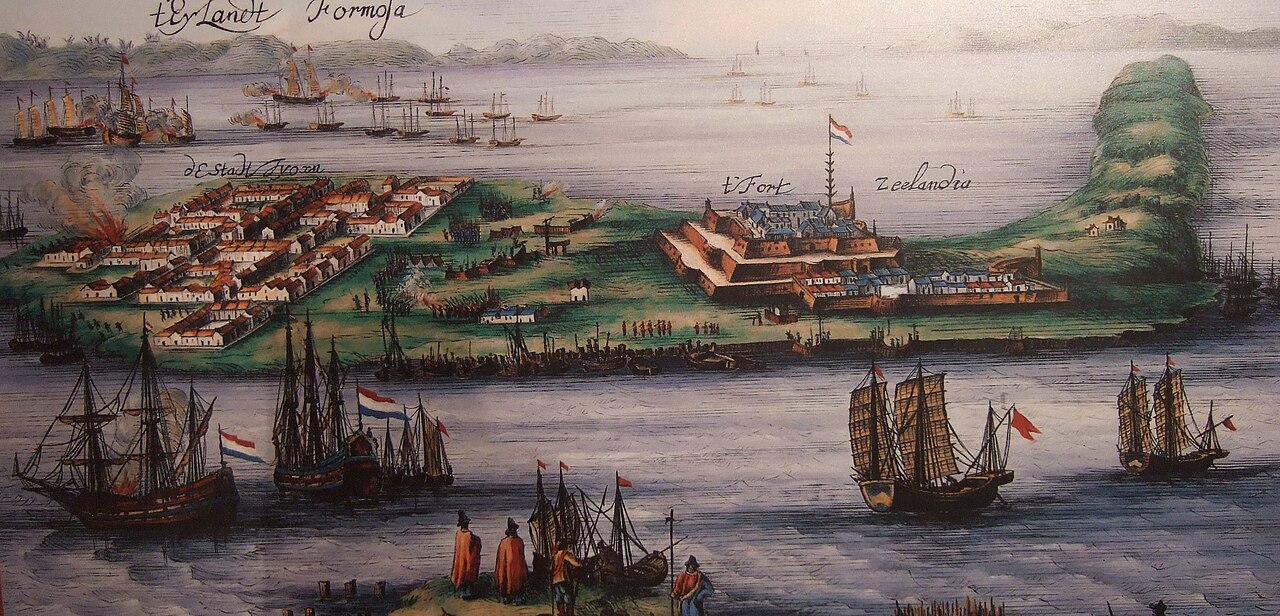
According to historian Tonio Andrade's reconstruction of VOC records in How Taiwan Became Chinese (2008), Formosa was administered under the authority of the Governor-General in Batavia, making it part of the VOC's wider colonial administration headquartered in present day Indonesia.
Batavia Coordinated Both Territories
Although Taiwan and the Indonesian archipelago were separated by more than 3,000 kilometers, decisions concerning both territories ultimately flowed through Batavia.
The Governor-General and Council of the Indies in Batavia supervised VOC governors stationed throughout Asia, including officials assigned to Formosa.
Trade between Formosa and the rest of the VOC network expanded rapidly during Dutch rule. According to economist Tsong-Min Wu, Formosa exported an average of 71,900 deerskins annually between 1633 and 1660, with Japan serving as the primary destination. Sugar production also grew dramatically.
Geographer Jack F. Williams notes that exports increased from just 79-197 tons in 1636 to around 1,300 tons by 1660, driven by the VOC's expansion of sugar plantations using Chinese migrant labor. The sugar was shipped across the company's Asian trading network, including to Japan, Persia, and China. The colony also generated significant tax revenue.
According to the Netherlands' Atlas of Mutual Heritage, taxes collected from Chinese merchants, together with income from land leases and hunting and fishing rights, accounted for nearly 40% of Fort Zeelandia's total revenue, which was ultimately administered through the VOC headquarters in Batavia.
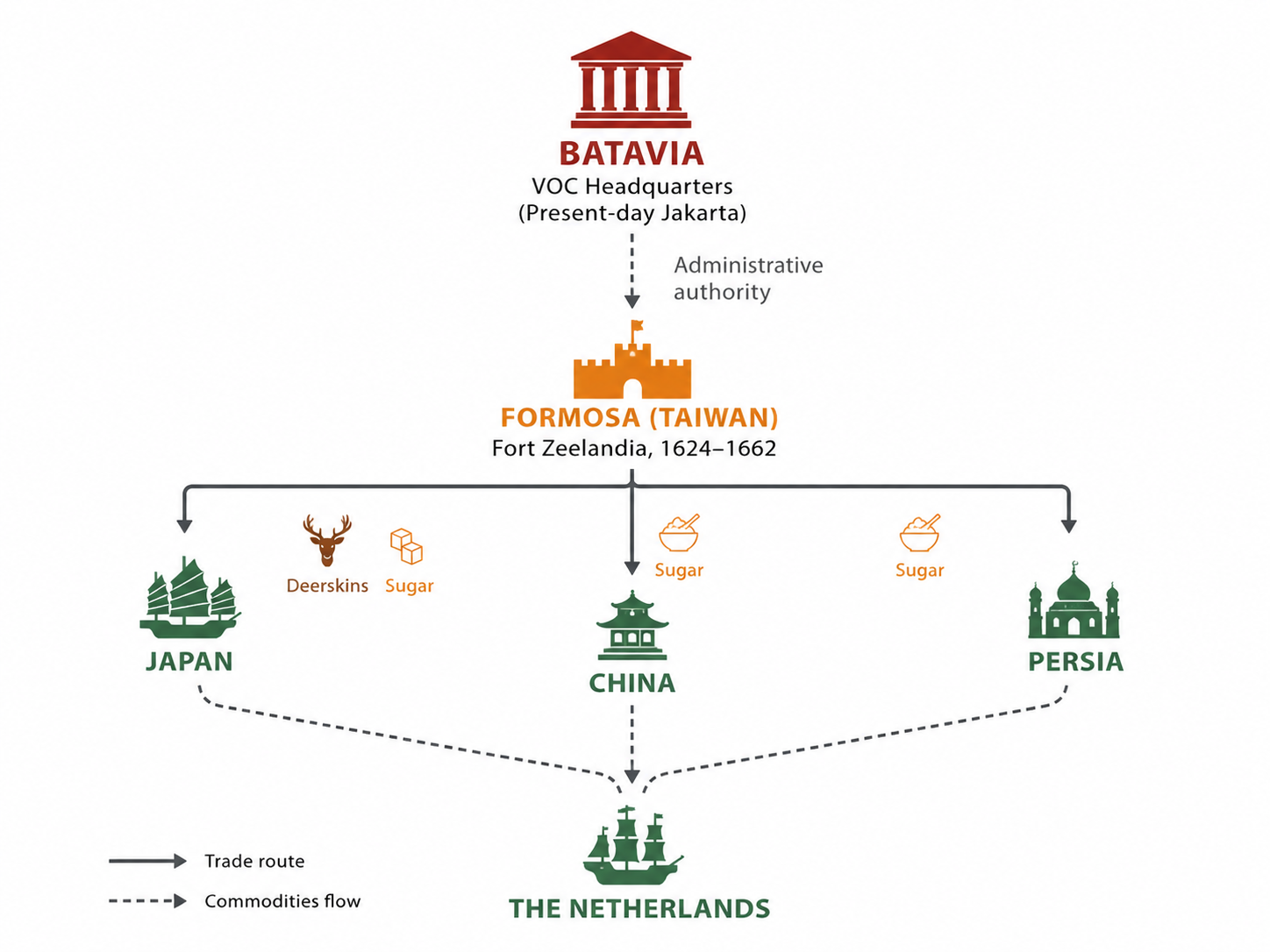
Rather than operating as isolated colonies, both territories formed part of a single commercial and administrative system stretching from southern Africa to Japan.
One Colonial Administration, Two Modern Countries
Modern Indonesia and Taiwan never shared the same national government.
However, during the 17th century, parts of both territories were administered by the same colonial institution. For 38 years, Formosa and much of what is now Indonesia were connected through the administrative network of the Dutch East India Company, with Batavia serving as its political and commercial headquarters.
Today, the connection is largely remembered through historical records, colonial architecture, and the archives of the VOC, one of history's first multinational corporations.