Walk through Hanoi's Old Quarter, and many street names begin with the word "Hàng". Hàng Bạc, Hàng Gai, Hàng Mã, Hàng Thiếc, and Hàng Tre are just a few examples.
These names are not random. They reflect a trading system that dates back centuries, when each street specialized in a particular craft or commodity.
The Meaning of "Hàng"
According to the Hanoi Department of Culture and Sports, the word "Hàng" means "merchandise" or "shop." As these guilds developed, streets became known by the products they manufactured or sold.
For example, Hàng Bạc specialized in silver casting and jewelry, Hàng Đào in silk and fabrics, and Hàng Chĩnh in ceramic jars and porcelain.
The Viet Nam National Authority of Tourism also states that artisans from surrounding craft villages gathered in what is now the Old Quarter, creating dedicated trade streets. This tradition gave rise to street names such as Hàng Gai (Silk Street), Hàng Đường (Sugar Street), and Hàng Muối (Salt Street).
How the Guild Streets Came to Be
Beginning in the early 11th century, when Emperor Lý Thái Tổ moved the capital of Đại Việt from Hoa Lư to Thăng Long, the former name of Hanoi craftsmen and merchants from surrounding villages gradually settled near the Red River and formed specialized guilds.
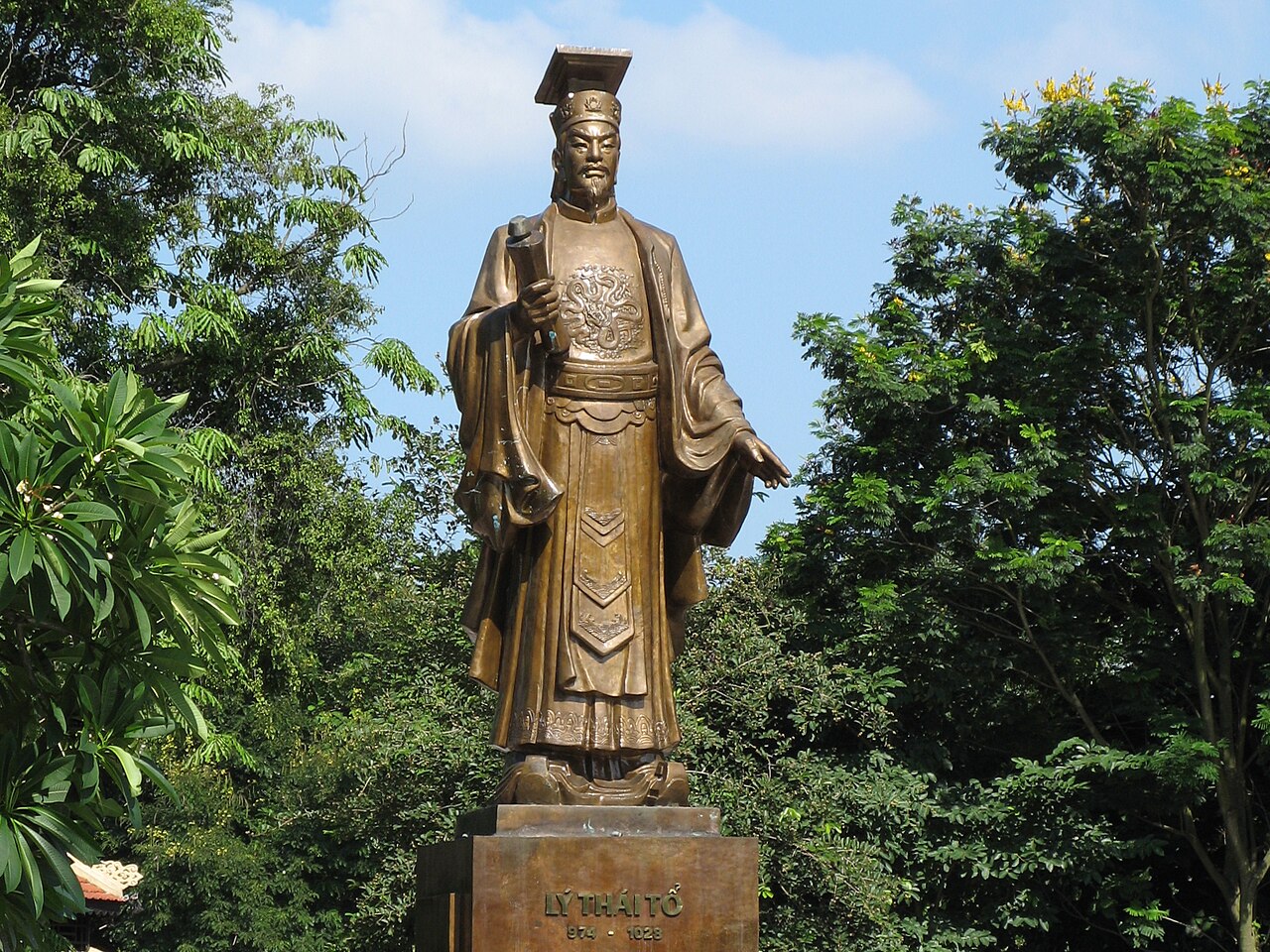
This is also the root of the district's other well known name, Hà Nội 36 Streets, or 36 Guild Streets. According to the Viet Nam National Administration of Tourism, the term refers to the concentration of artisan guilds that once occupied the historic commercial quarter, rather than the exact number of streets.
Today, the Old Quarter covers around 100 hectares and contains 76 streets, although the traditional name has remained.
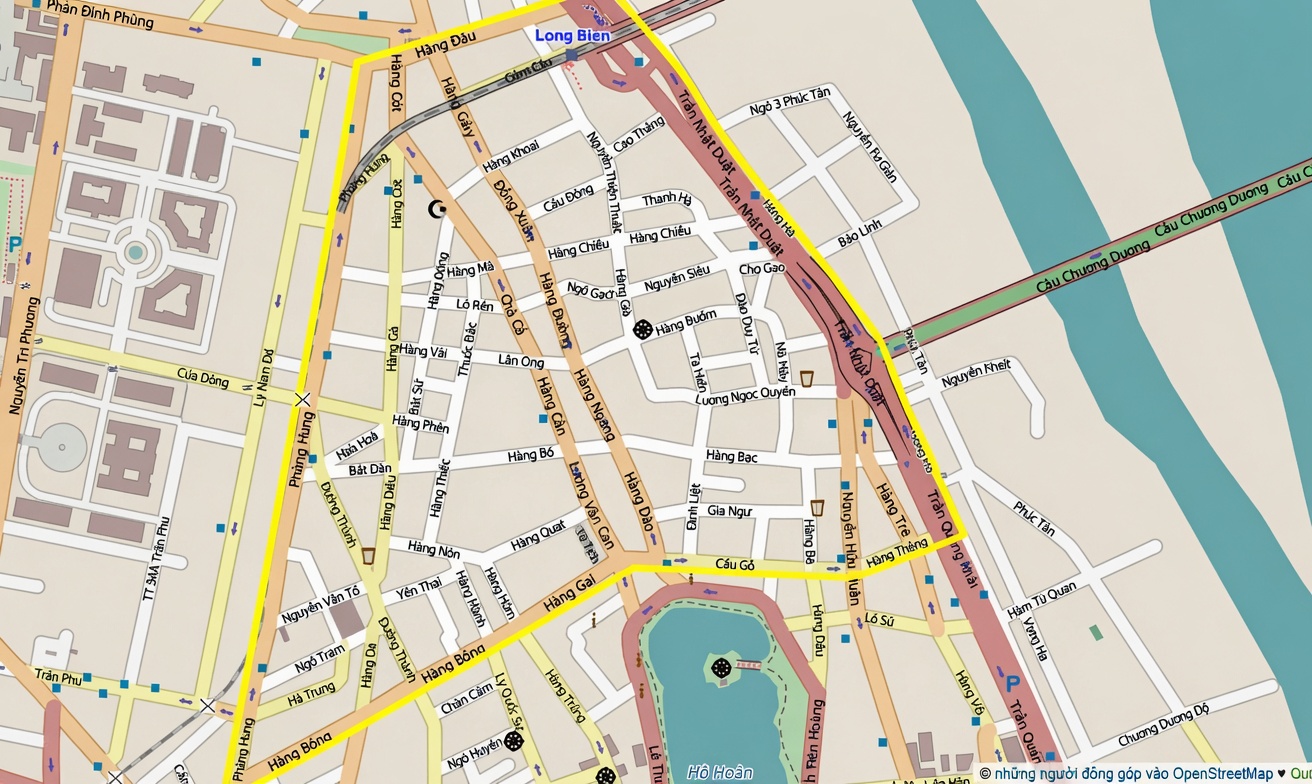
The Old Quarter was historically the city's residential, manufacturing, and commercial center, where each street specialized in one particular craft or trade. Most of these streets acquired names beginning with "Hàng" ("wares"), followed by the product associated with that street.
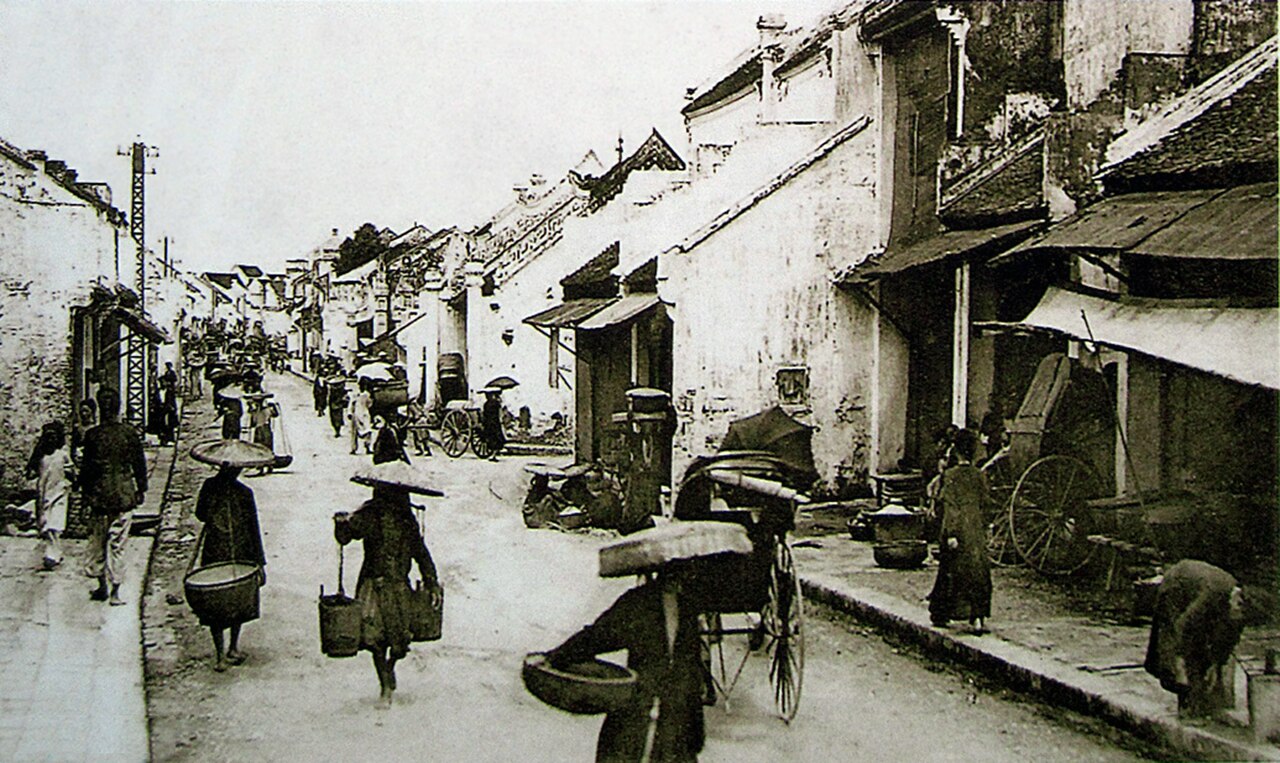
Then and Now
Several streets continue to be associated with the trades that gave them their names.
According to Viet Nam Tourism, Hàng Bạc (Silver Street) still contains numerous jewelry stores and silversmiths. Hàng Gai, now widely known as Silk Street, remains one of Hanoi's best known destinations for silk fabrics, tailored clothing, and traditional garments. Hàng Mã continues to specialize in ceremonial paper offerings, festival decorations, and seasonal ornaments.
Other streets preserve their historic identities in different ways. According to the Hanoi Department of Culture and Sports, Hàng Buồm ("Sail Street"), once known for producing sails, has evolved into a commercial street, while many other "Hàng" streets now sell products unrelated to their original specialties.
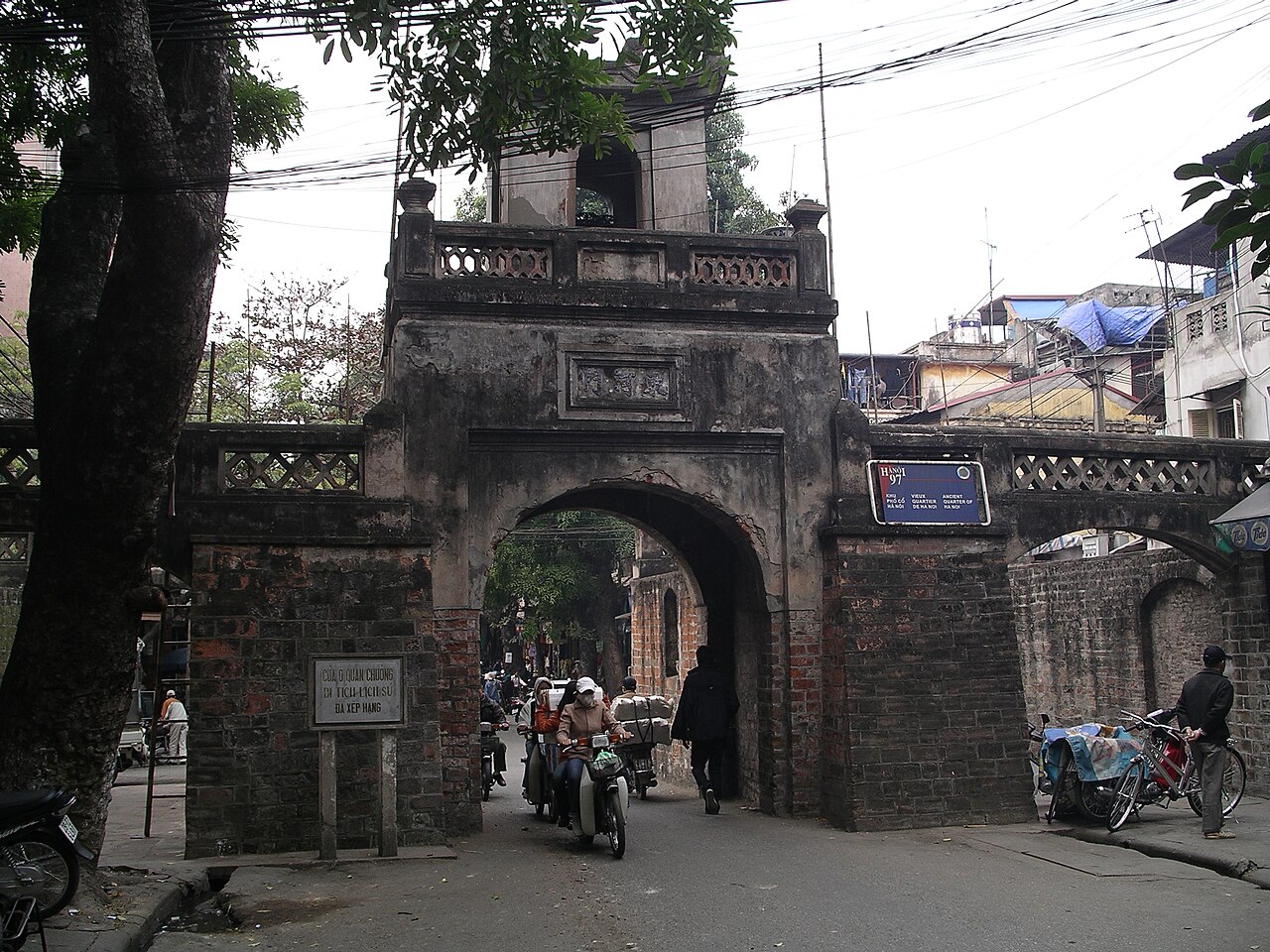
The department notes that economic development, urbanization, and changing consumer demand have diversified the businesses operating in the Old Quarter, so many streets no longer sell only the goods indicated by their names, even as the names themselves continue to preserve the district's commercial history.
The Viet Nam National Authority of Tourism similarly explains that while only a handful of streets still specialize in their traditional products, the Old Quarter's street names continue to reflect the organization of medieval Thăng Long, where merchants from different craft villages established guild-based commercial districts.
Today, Hanoi's Old Quarter remains one of the few historic urban districts in Asia where centuries old street names still record the goods once traded there, preserving a commercial tradition that dates back to the city's earliest development.