Over the past year and a half, four separate companies have announced competing plans to build giant data centers in Ho Chi Minh City, together worth more than $4 billion.
The announcements weren't simultaneous, they trickled out across 2025, from Saigon Asset Management's plan in March to Kinh Bac City Development Holding's deal in November, but none of the four are working together. They're all racing for the same city.
Why Everyone's Picking the Same City
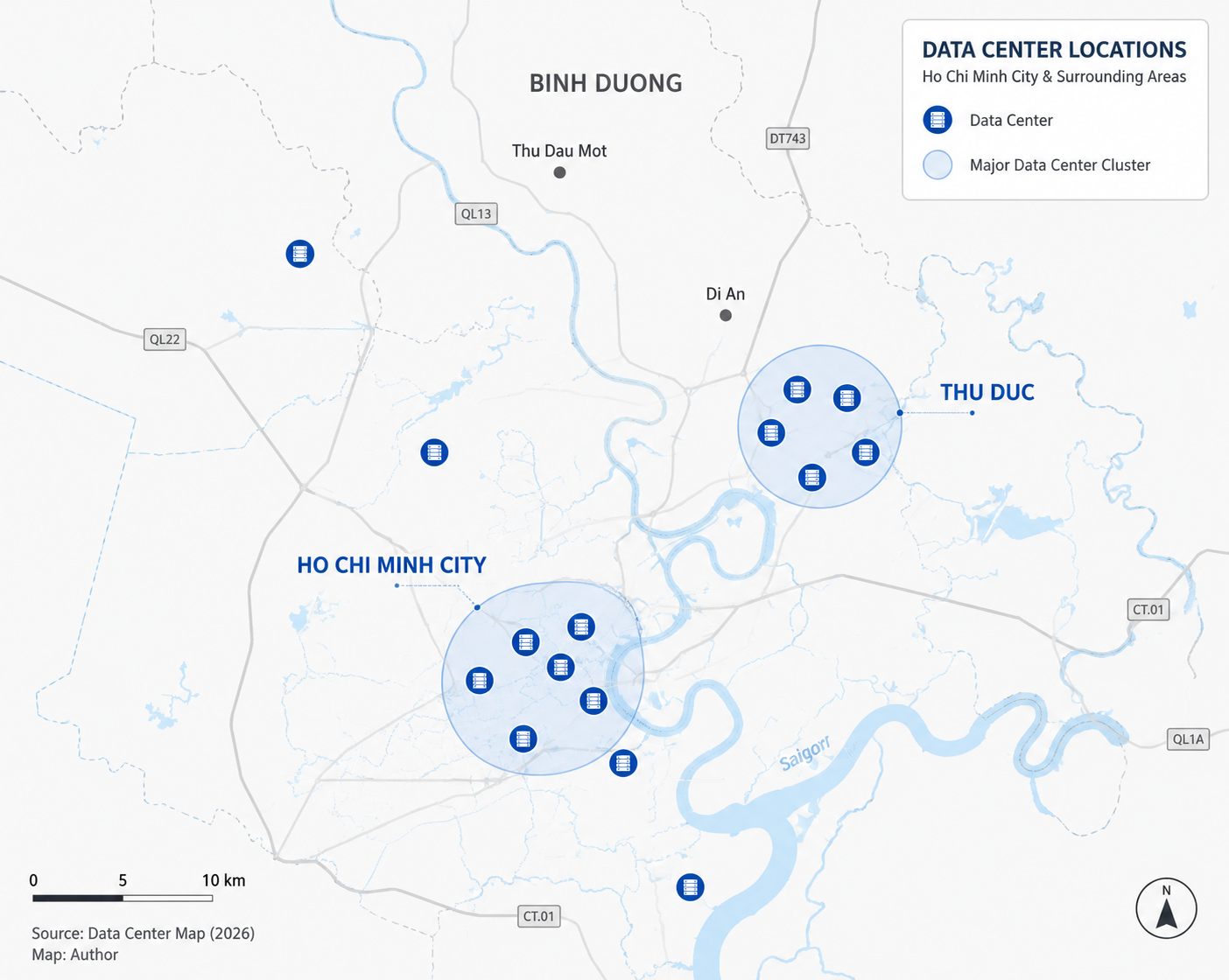
The first reason is cost. According to a report by CBRE and Turner & Townsend, building a Tier III data center in Ho Chi Minh City costs roughly $7 million for every megawatt of capacity, nearly half of what it costs to build the same thing in Tokyo or Singapore.
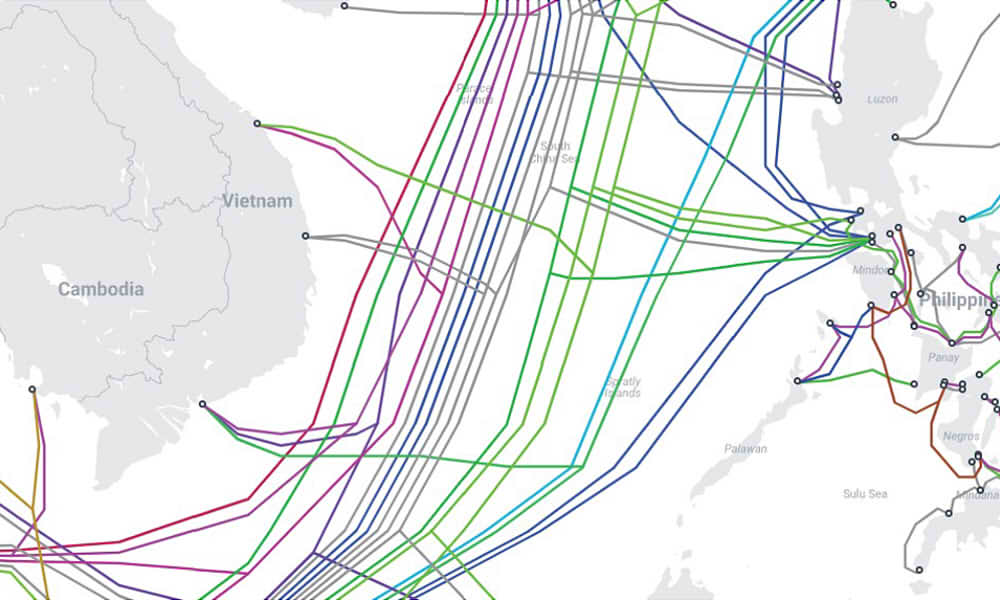
The second reason is location. Research firm Mordor Intelligence found that Ho Chi Minh City already handles almost half of Viet Nam's entire data center capacity, largely because of underwater internet cables that land nearby and connect the city to Singapore in under 50 milliseconds, fast enough for real time services like banking apps or cloud computing.
Viet Nam's government has said it wants at least 10 more of these undersea cables built by 2030, specifically to attract global cloud companies like Google and Microsoft looking for a place to open a regional data hub.
The Companies Racing to Get In
That combination of cheap construction and strong connectivity is what's been pulling in money throughout 2025.
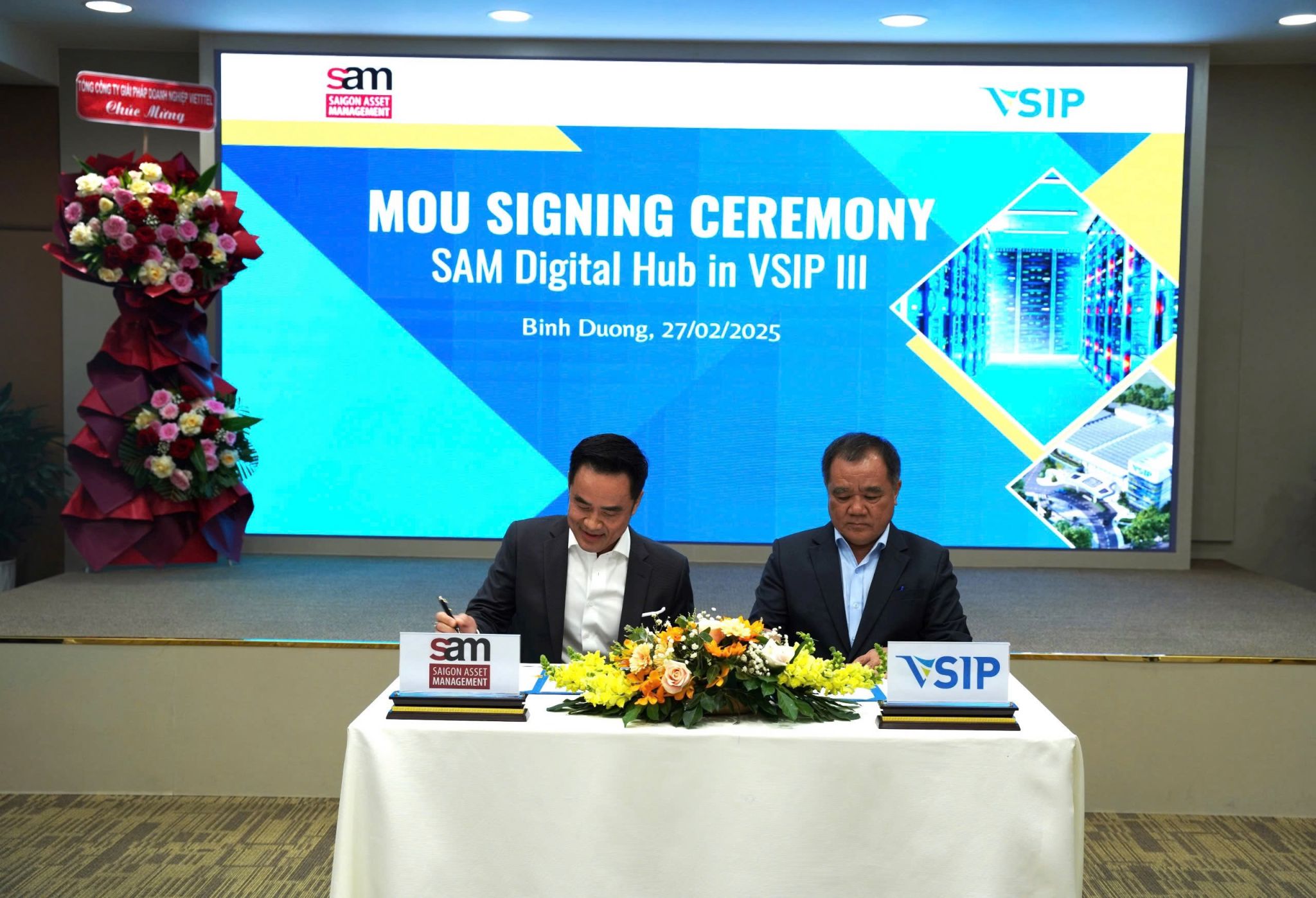
It started in March 2025, when Viet Nam based private equity firm Saigon Asset Management announced plans for SAM DigitalHub, a $1.5 billion, 150 megawatt data center campus just outside the city in Binh Duong Province, developed with the Viet Nam Singapore Industrial Park.
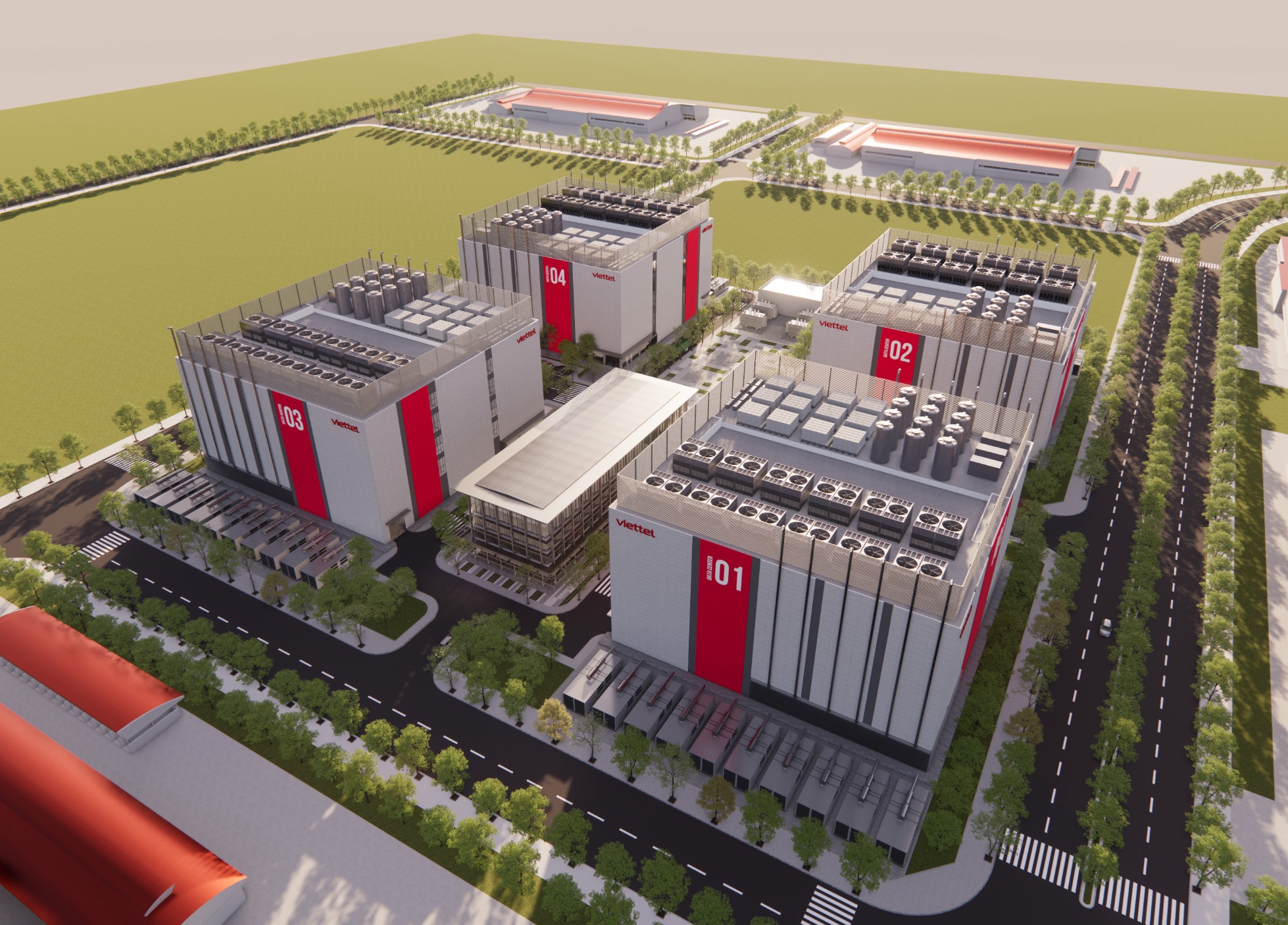
The following month, in April 2025, Viet Nam's state run telecom giant Viettel broke ground on the largest data center the country has ever built, a 140 megawatt, 10,000 rack facility in Ho Chi Minh City's Cu Chi district, described as Viet Nam's first hyperscale data center.
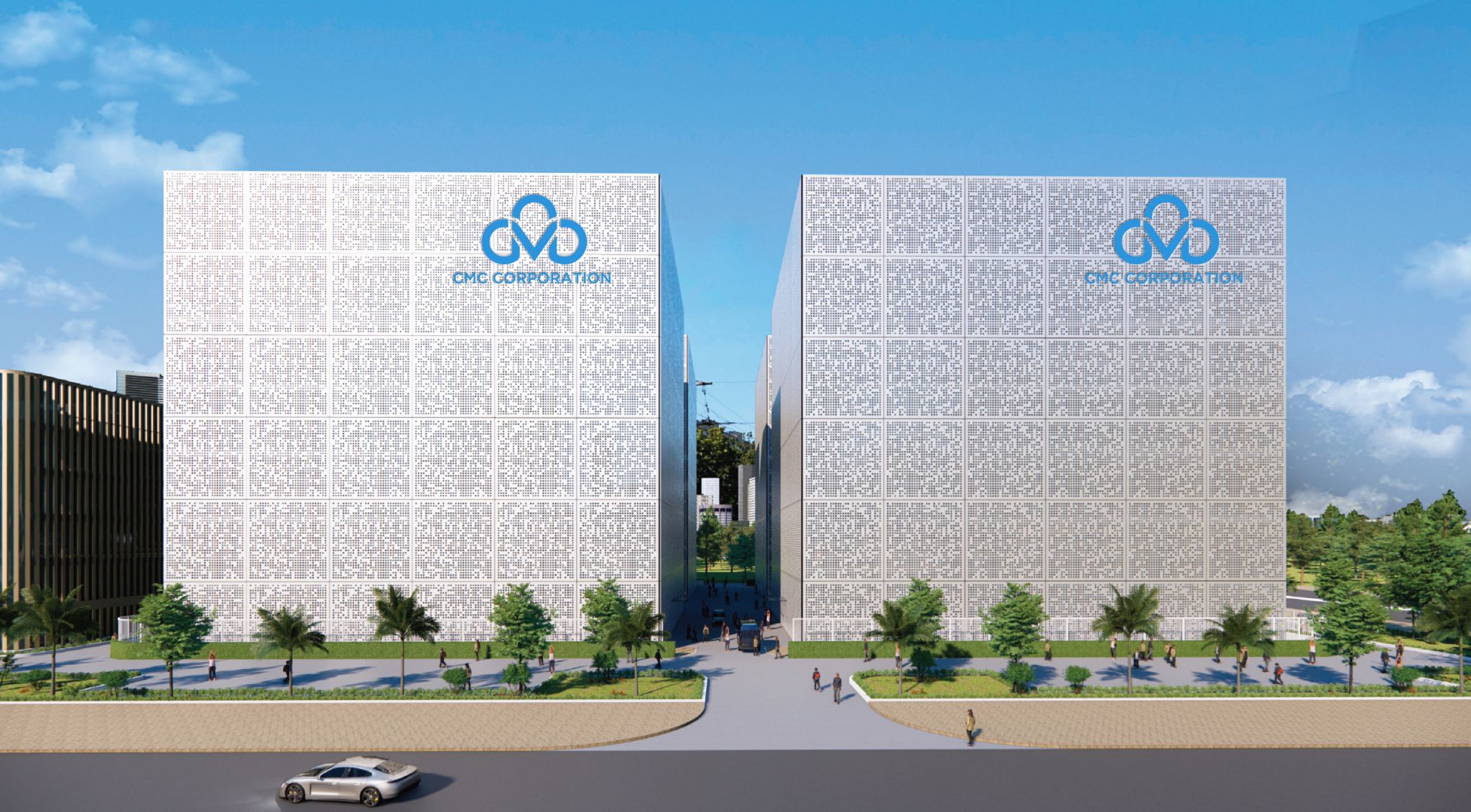
By August 2025, according to VnExpress International, CMC Corporation had gotten approval to build a $250 million data center in the city, starting small but built to expand sixfold in size over time. Samsung C&T joined the project around the same time, that partnership pushed the total investment toward $1 billion.
Then in November 2025, a market report from Arizton and multiple local outlets found that real estate company Kinh Bac City Development Holding Corporation signed a deal with two financial partners, Accelerated Infrastructure Capital and VietinBank to build a second, AI focused data center in the same city, worth up to $2 billion.
Mordor Intelligence's research also found that Google and Alibaba are both expected to build their first data centers in the city, aiming to have them running by 2027.
What Could Slow It All Down
Even with all that money coming in, two things could get in the way. The first is electricity.
According to Mordor Intelligence, Viet Nam needs roughly $128 billion in investment in its power grid by 2030, and Ho Chi Minh City already experiences occasional power shortages. That's why some of the newer data centers are arranging their own long term power deals instead of counting on the public grid alone.
The second is computer chips. The same research found that international rules introduced in 2023 on exporting advanced AI chips have made them harder and slower to obtain, and their prices have risen by more than 60% in two years.
That squeeze was significant enough that two of Viet Nam's biggest tech companies had to delay launching their own AI services by several months.
So while four companies have been racing to build in the same city over the past year and a half, backed by real cost and connectivity advantages, whether the power supply and chip availability can keep pace with all of them is the question that will decide which of these projects actually gets finished on schedule.