


Across much of Southeast Asia, companies holding concessions for logging, oil palm, industrial timber plantations, or rubber cannot simply choose to leave the forests on their land intact. The study, published in Nature Communications, found that concession permits across the region generally require companies to carry out specific commercial activities, such as logging, planting, or producing commodities according to the designated land use.
Companies that choose not to develop their concessions risk being classified as "under-developing" their concession, meaning they are not making sufficient commercial use of the land as required by their permit. As a result, their concession rights may be revoked.
Yiwen Zeng, a conservation scientist at Nanyang Technological University and one of the study's senior authors, emphasized that the issue extends far beyond financial incentives.
The question for policymakers is not simply whether conservation can outcompete commodity production, but whether the full suite of environmental, social and long-term economic benefits provided by intact forests justifies stronger governmental investment in keeping these forests standing.”
As long as the legal status of concession land cannot be changed from "production" to "conservation," the central question is no longer how much financial incentive is needed. Instead, it is whether governments are willing to reform the regulations themselves.
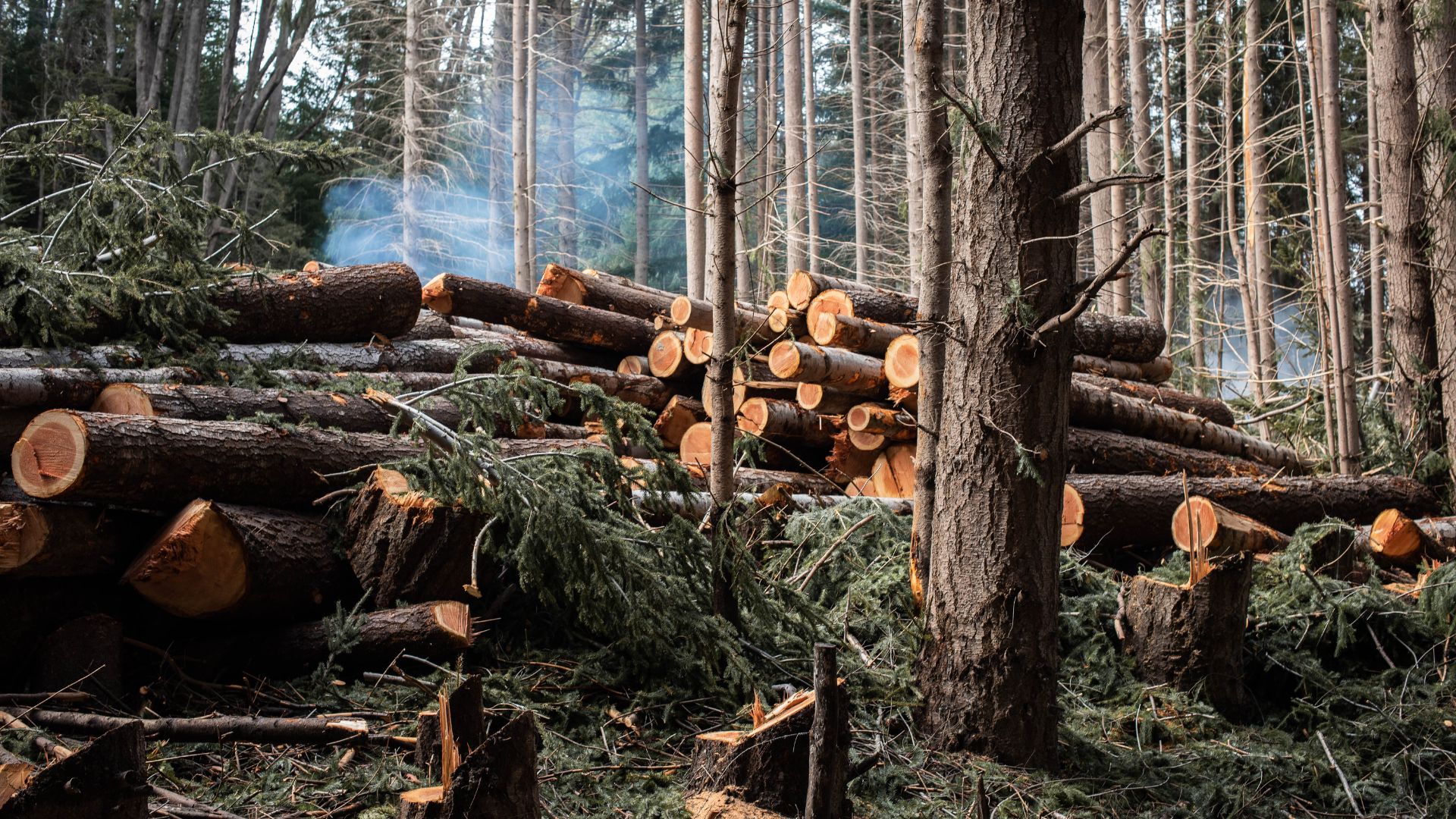
These legal constraints apply to a vast area. The study, led by Annabel Lim, a PhD student at the National University of Singapore, together with Zeng, analyzed satellite imagery from 3,754 commercial concessions across Indonesia, Malaysia, Cambodia, and Myanmar.
The findings show that 42 million hectares of natural tropical forest, an area larger than the entire territory of Malaysia, still remain within concessions that are legally designated for commercial harvesting.
“A substantial portion of Southeast Asia's remaining forest lies within concession landscapes,” Lim said. Concession landscapes refer to areas that have been legally allocated to companies for commercial activities such as logging, plantation development, or resource extraction.
If all of these forests were lost, the study estimates that 4.6 million hectares of Key Biodiversity Areas (KBAs), internationally recognized sites that are critical for protecting biodiversity, would be at risk.
It also projects that approximately 1.2 gigatons of CO2 would be released into the atmosphere over the next 30 years, equivalent to roughly 20 percent of the total industrial CO2 emissions produced by all ASEAN countries between 2000 and 2023.
Money Alone Is Not Enough, Regulations Are Also a Barrier
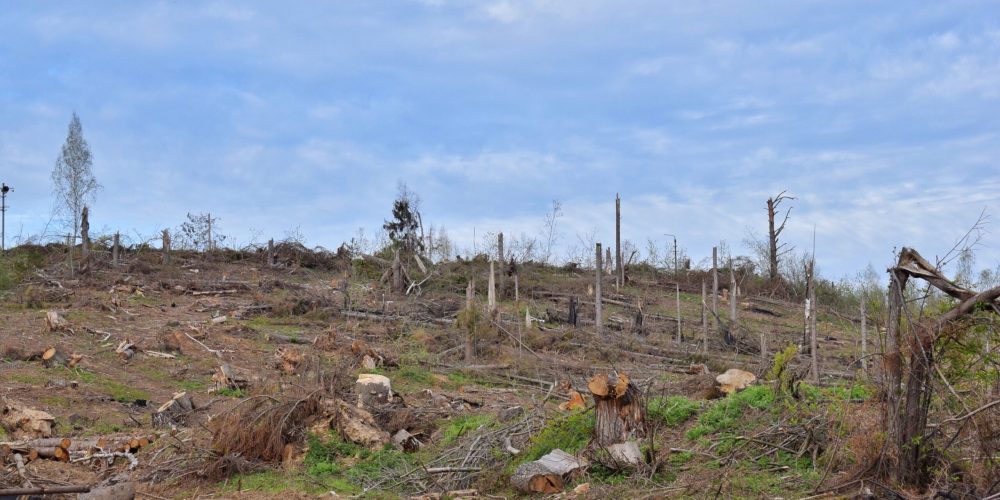
Carbon markets have long been seen as a potential solution. Under this approach, companies are paid not to clear forests as compensation for the profits they would otherwise earn from commodity production.
The study calculated the carbon price needed for conservation to become as profitable as commodity production. This threshold, known as the "breakeven price," is the carbon price at which conserving a forest generates the same financial return as converting it for commercial use.
Across Southeast Asia, the breakeven price ranges from US$33 to US$1,677 per ton of CO2, with substantial variation between countries and concession types.
In Cambodia, for example, the study estimated a breakeven price of "only" US$30–51 per ton of CO2, significantly lower than the upper end of the regional range.
By comparison, the actual price of carbon credits from avoided deforestation projects in Southeast Asia in mid-2026 was only US$5–12 per ton of CO2, according to the World Bank's State and Trends of Carbon Pricing 2026 report. The global average price of REDD+ credits (carbon credits generated from projects that reduce emissions from deforestation and forest degradation) was even lower, at around US$6 per ton.
Zeng emphasized that carbon markets still have an important role to play in narrowing this gap, but they cannot solve the problem on their own.
“Carbon finance has an important role to play, but it will not be sufficient on its own to protect all remaining forests in concessions.”
Wee Need A Broader Conservation Strategy

These findings come against an already alarming backdrop. Southeast Asia lost approximately 68 million hectares of forest between 2001 and 2023.
In response, the study's authors argue that conserving forests within commercial concessions should not rely on a single financing mechanism. Instead, they recommend combining several approaches.
These include blended finance (public and private funding combined to reduce investment risk), green bonds for environmental projects, payments for ecosystem services (PES) that reward landholders for protecting forests, biodiversity credits to complement carbon credits, regulatory reforms that allow concession land to be reclassified from "production" to "conservation," and the redirection of government subsidies from extractive industries toward conservation.
Lim emphasized that these approaches need to be tested in real-world settings rather than remaining theoretical concepts.
"Having guidelines of best practice, design, finance and management derived from real-world case studies would provide an invaluable blueprint for future projects.”
She also stressed the limitations of any single solution, including carbon markets.
“Diversifying funding sources is textbook good economic sense. Our study lends empirical weight to this idea and shows that carbon finance can be a powerful financial incentive, but it isn't a silver bullet.”


