Attack helicopters are among the most specialised aircraft in a military's inventory. Unlike transport helicopters, they are designed primarily to carry weapons and support combat missions such as close air support, armed reconnaissance and attacks against ground targets.
In Southeast Asia, only a handful of countries operate dedicated attack helicopters. Their fleets also come from several different suppliers, including the United States, Russia, and Turkey.
1. Singapore: AH-64D Apache Longbow
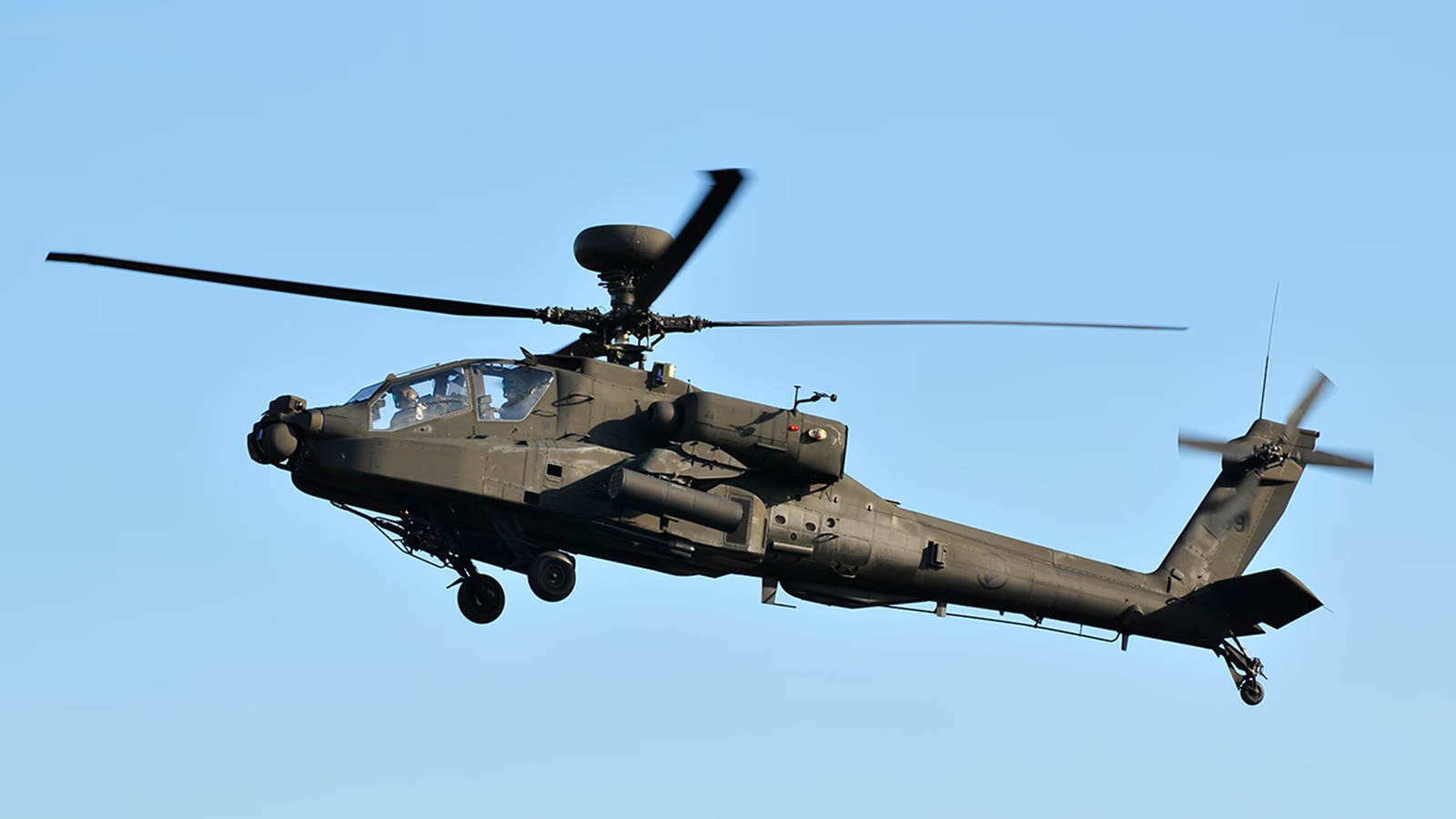
Singapore acquired and operates 20 AH-64D Apache Longbows. FlightGlobal's World Air Forces 2025 lists 18 as active, while other defence publications continue to describe the RSAF fleet as 20 aircraft. Eight of the Singaporean Apaches are associated with the country's training detachment in the United States.
The helicopter is equipped with the AN/APG-78 Longbow fire-control radar, electro-optical sensors and AGM-114 Hellfire missiles. It can also carry 70 mm rockets and a 30 mm M230 chain gun for attacks against ground targets.
The Republic of Singapore Air Force continues to operate the type. An AH-64D participated in the Singapore Airshow flying display in February 2026, while Singapore's Ministry of Defence has confirmed the use of AGM-114R Hellfire missiles on the RSAF's Apache fleet.
2. Indonesia: AH-64E Apache Guardian and Mi-35P
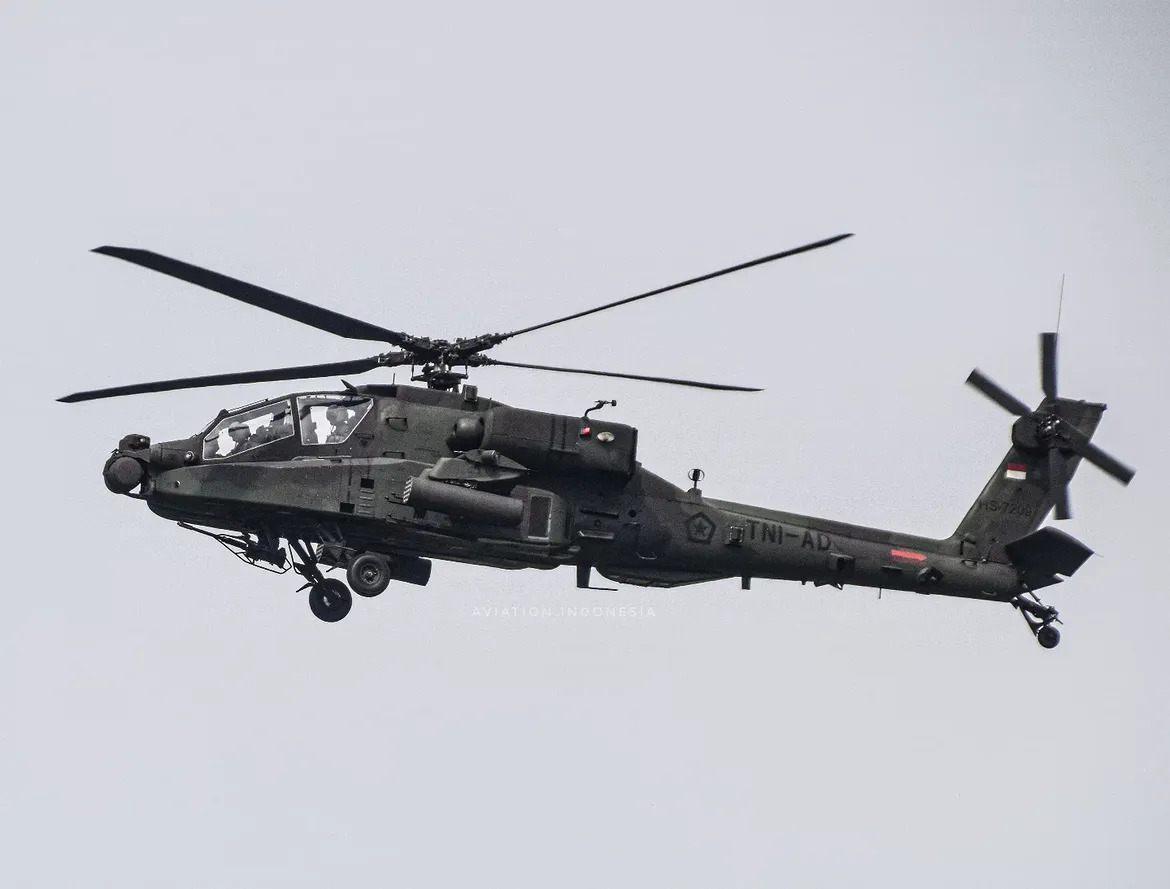
Indonesia operates eight AH-64E Apache Guardians and five Mi-35Ps.
The Indonesian Army received its eight AH-64Es from the United States beginning in 2018. The AH-64E belongs to the same Apache family as Singapore's AH-64D and uses similar weapons, including the 30 mm M230 chain gun, Hellfire missiles and 70 mm rockets.
Indonesia's version, however, is a newer development of the Apache. Compared with the AH-64D, the AH-64E introduced improvements to flight performance, digital connectivity and sensor capabilities, as well as the ability to work with unmanned aircraft through its Manned-Unmanned Teaming capability.
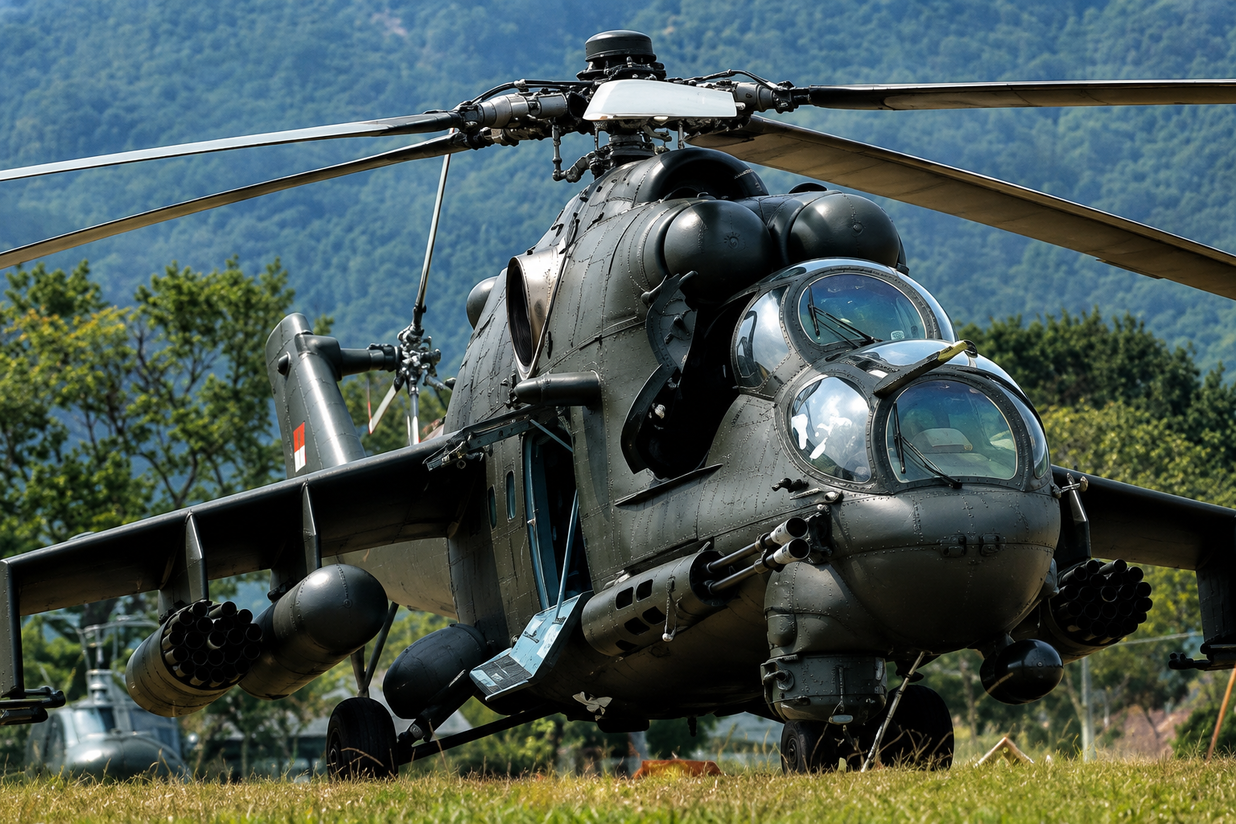
Indonesia also operates five Mi-35Ps, which were delivered by Russia in 2010. The Mi-35P is based on the same Mi-24 family used by Myanmar and combines attack capability with a limited troop carrying function.
3. Thailand: AH-1F Cobra and AH-6i
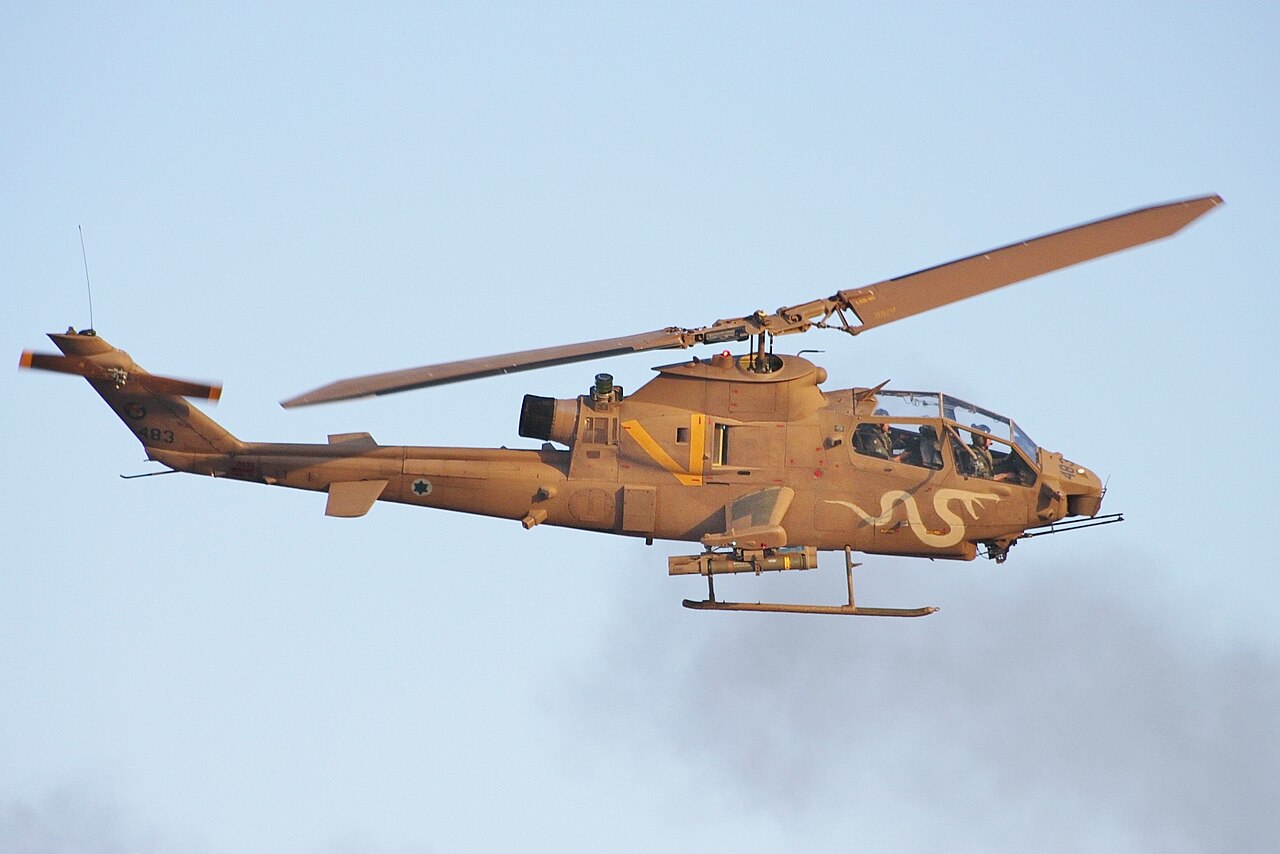
Thailand has seven AH-1F Cobra attack helicopters in its inventory and has ordered eight AH-6i light attack and reconnaissance helicopters.
The AH-1F is a modernised version of the Cobra family. It incorporates systems including a head-up display, laser rangefinder, infrared countermeasures and an air-data system. Its weapons can include the 20 mm M197 three barrel cannon, TOW anti-tank missiles and Hydra 70 rockets.
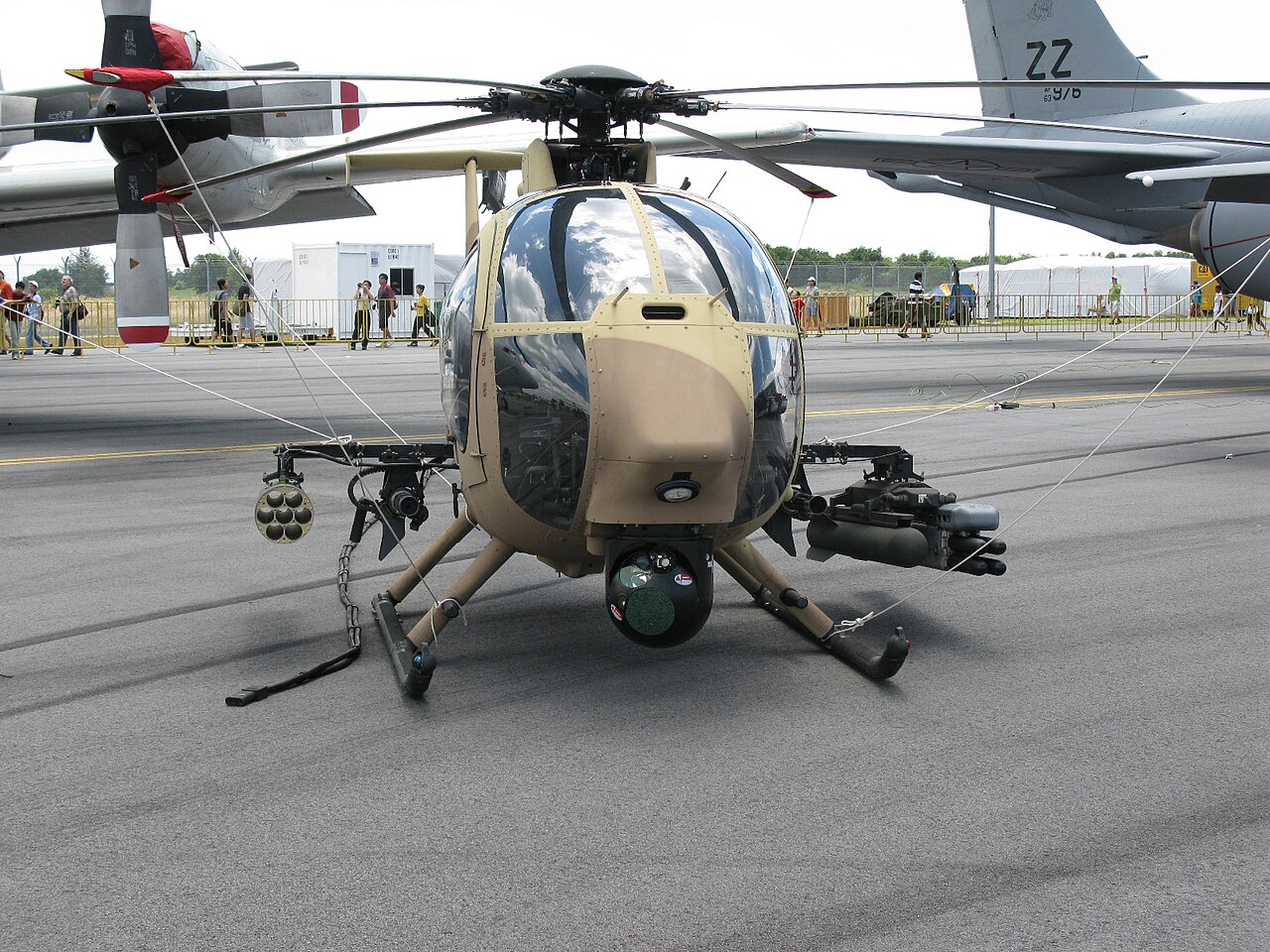
The AH-6i is a smaller platform designed for armed reconnaissance and light attack missions. The eight aircraft should not yet be counted as active Thai helicopters because they have been ordered, they represent Thailand's transition toward a newer light attack platform.
4. Philippines: T129 ATAK and AH-1S Cobra
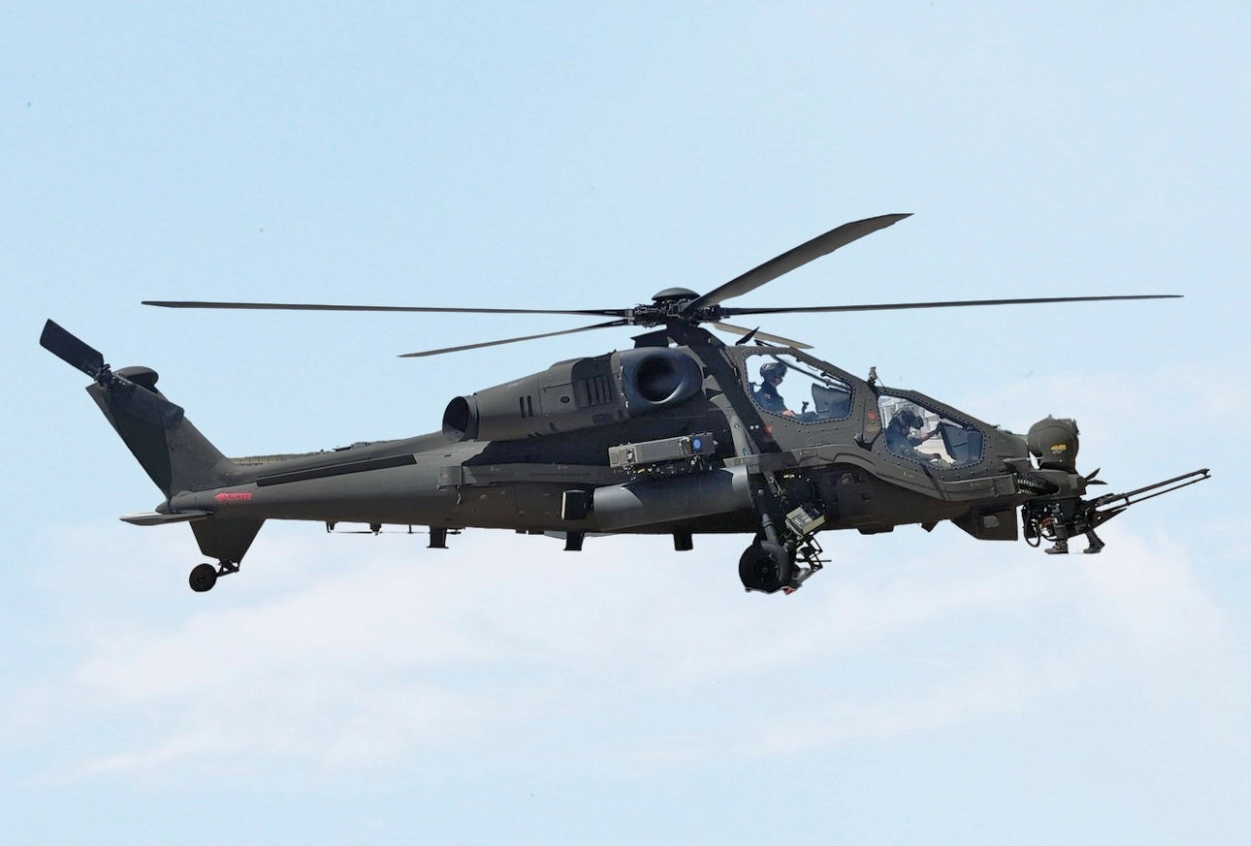
The Philippines operates six T129 ATAK attack helicopters and two AH-1S Cobras.
The T129 was developed by Turkish Aerospace Industries for armed reconnaissance, close air support and anti-armour missions. The Philippine Air Force ordered six aircraft for approximately US$269 million, with deliveries completed in 2023. The helicopter can carry cannon ammunition, rockets and anti-tank guided missiles.
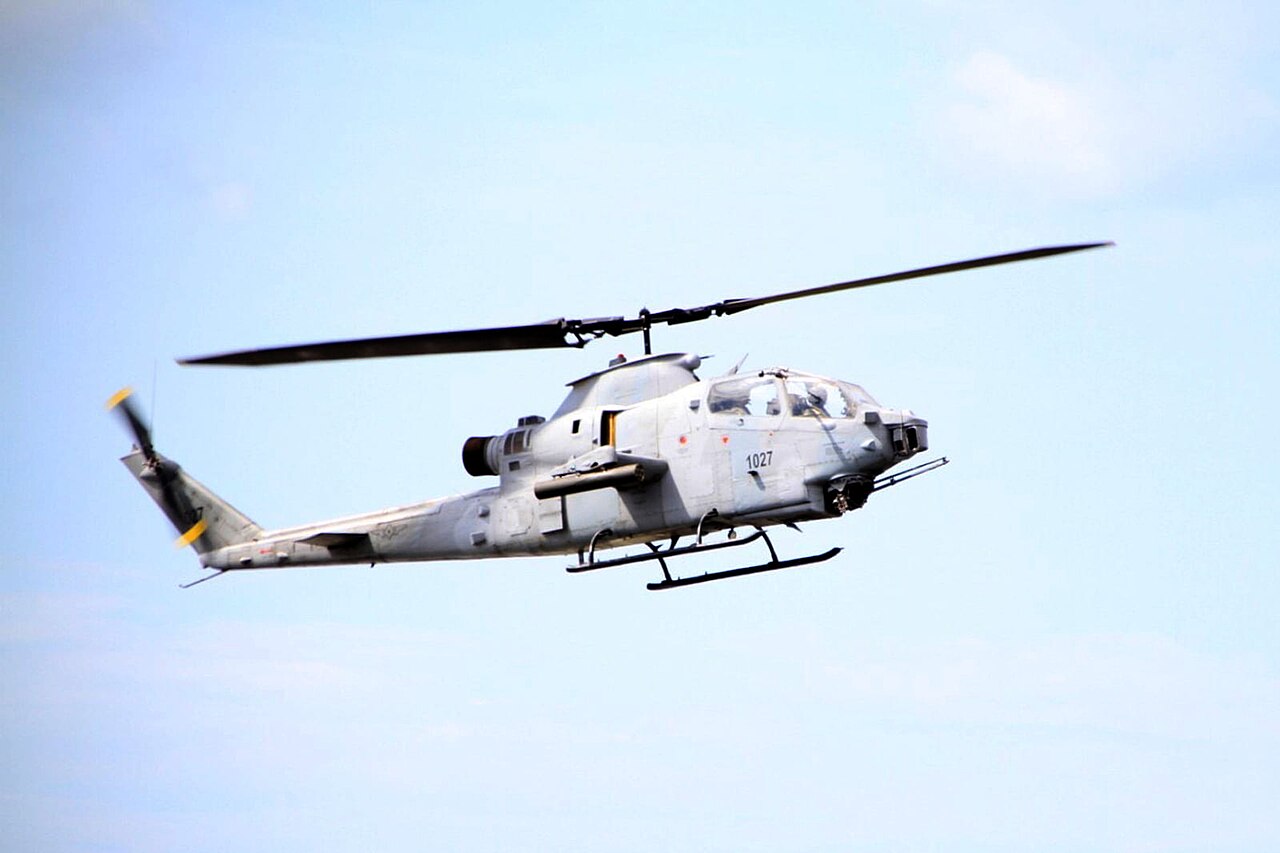
The two AH-1S Cobras came from Jordan and were delivered to the Philippines in 2019. They belong to the same AH-1 Cobra family as Thailand's AH-1F, but the AH-1S is an earlier variant.
5. Myanmar: Mi-35P
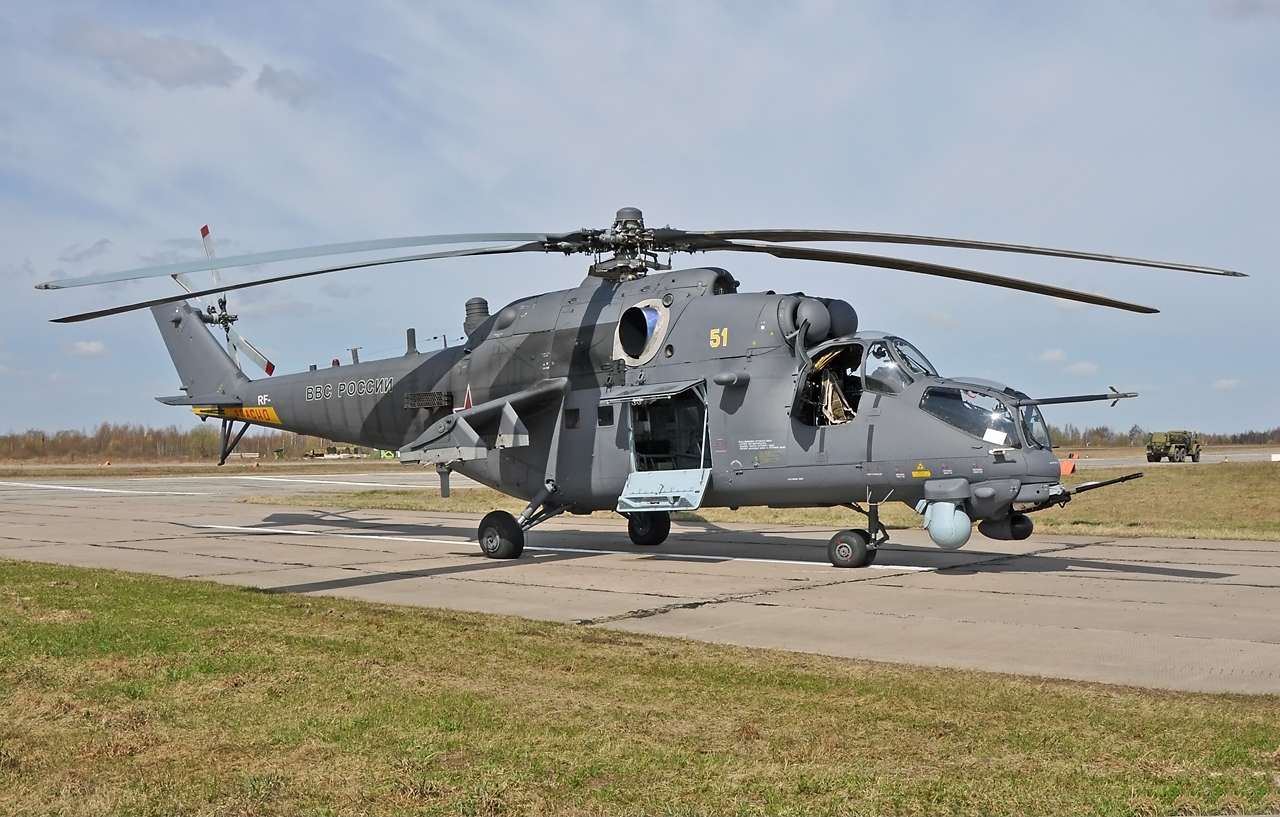
Myanmar operates the Mi-35P, the same attack-helicopter variant used by Indonesia.
Myanmar received 10 Mi-35Ps from Russia between 2010 and 2015, with the final two delivered in 2015. The Mi-35P is based on the Mi-24 family and combines heavy armament with a limited troop carrying capability. Its weapons can include a 30 mm cannon, unguided rockets and anti-tank guided missiles.
A 2025 assessment estimated that nine remained operational after one aircraft was reported lost in 2021. The Mi-35P has also continued to appear in reports documenting Myanmar's military operations.
What About the Others?
Most other Southeast Asian militaries do not operate dedicated attack helicopters. Malaysia uses light armed platforms such as the MD 530G, while Brunei, Cambodia and Laos primarily operate transport, utility and training helicopters.
Vietnam is a special case because it has operated the Soviet-designed Mi-24, but current data do not clearly establish how many remain operational.
That leaves Singapore, Indonesia, Thailand, the Philippines and Myanmar as the region's clearest current operators of dedicated attack helicopters.