Southeast Asia's military spending continued to rise in 2025, with several countries increasing their defence budgets as governments invested in new aircraft, naval vessels, air-defence systems and other military capabilities.
According to the latest data from the Stockholm International Peace Research Institute (SIPRI), military expenditure across Asia and Oceania increased by 8.1% in real terms in 2025, reaching US$681 billion. It was the region's largest annual increase since 2009.
Within Southeast Asia, Singapore recorded the highest military expenditure in 2025 at US$17.4 billion, followed by Indonesia at US$15.0 billion and Viet nam at US$10.5 billion.
Singapore Remains Southeast Asia's Biggest Spender
Singapore recorded the highest military expenditure in Southeast Asia in 2025, at US$17.4 billion.
Its spending increased by 10% from the previous year and was equivalent to around 3.0% of GDP. Indonesia followed with US$15.0 billion, while Vietnam recorded US$10.5 billion.
According to Ministry of Defence of Singapore, Singapore's defence spending supports the operation and modernisation of the Singapore Armed Forces, including major weapons platforms, training, maintenance and long term capability development.
The country's defence planning also includes major procurement programmes, with spending structured around the long development and procurement cycles required for advanced military systems.
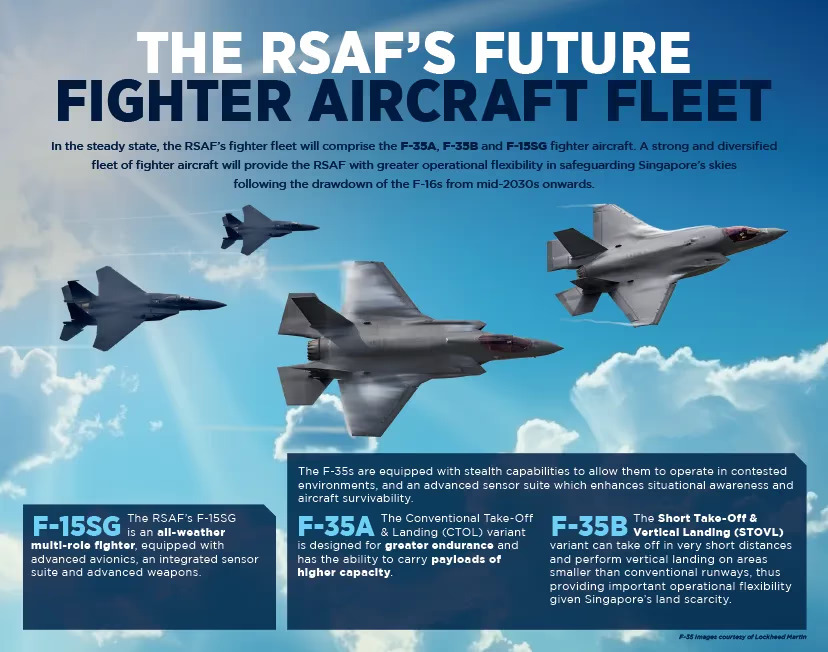
The size of Singapore's expenditure is notable given its population of around six million. Its military expenditure in 2025 was higher than Indonesia's despite Indonesia having a population of more than 280 million.
Indonesia Recorded One of the Region's Fastest Increases
Indonesia recorded a 28% increase in military expenditure in 2025, bringing SIPRI's estimate to US$15.0 billion. Viet nam's expenditure also increased by 27%, reaching US$10.5 billion, equivalent to around 2.2% of GDP.
Indonesia's increase coincided with continued military modernisation, including the replacement and maintenance of ageing equipment and the development of new defence capabilities.
The SIPRI figure should not be directly compared with Indonesia's Rp166.1 trillion defence function allocation in the 2025 state budget. The two figures use different definitions and accounting frameworks.
SIPRI's military expenditure database is designed to provide internationally comparable estimates and presents calendar-year figures, while the Indonesian government budget figure refers specifically to the defence function in the national budget.
Vietnam's military expenditure rose by a similar 27% in 2025, reaching US$10.5 billion. However, detailed public information on how Viet nam's military budget is divided between personnel, operations and equipment procurement is more limited than the information published by Indonesia.
The Rest of Southeast Asia
Other countries spent considerably less in absolute terms.
Using 2025 military expenditure estimates compiled by the Lowy Institute, the Philippines spent around US$6.47 billion, Thailand US$5.66 billion and Malaysia US$4.53 billion. Cambodia spent about US$757 million, while Brunei spent US$583 million.
Laos and Timor Leste were estimated at around US$41 million and US$48 million respectively. The Philippines, Thailand and Malaysia therefore each spent less than half of Singapore's military expenditure in 2025.
Looking at military spending as a percentage of GDP produces a different comparison. Singapore's military burden was around 3.0%, compared with 2.2% for Viet nam and 1.0% for Indonesia. The Philippines, Thailand and Malaysia were each around 1%-1.3%.
Part of a Wider Regional Increase
The rise in Southeast Asian military expenditure occurred alongside broader growth across Asia and Oceania.
China remained the world's second largest military spender in 2025, increasing its expenditure by 7.4% to US$336 billion. Japan's spending rose by 9.7% to US$62.2 billion, while the Philippines recorded a substantial increase among US allies in the region.
SIPRI's 2025 figures therefore place Southeast Asia within a wider Asian increase in military expenditure. Across the region, defence spending has continued to grow while governments acquire new capabilities and update existing military equipment.