Thailand has developed a specialized veterinary network for elephants, combining dedicated hospitals, mobile clinics, government veterinary services and university research.
The network serves both captive elephants requiring routine treatment and animals with serious medical conditions.
Thailand has an estimated 3,200 wild elephants and more than 3,800 captive elephants, according to a 2025 study published in Veterinary Sciences (MDPI). The National Elephant Institute (NEI) hospital in Lampang serves as a major referral center, providing both inpatient treatment and mobile veterinary services.
Mobile Clinics and Two Main Hospitals
Thailand's specialized elephant care dates back decades. The Mobile Elephant Clinic (MEC) started in 1999, with the Elephant Hospital officially opening in 2000, both offering free treatment to domesticated elephants from across the country.
The need for mobile services is partly linked to how elephants are distributed across the country.
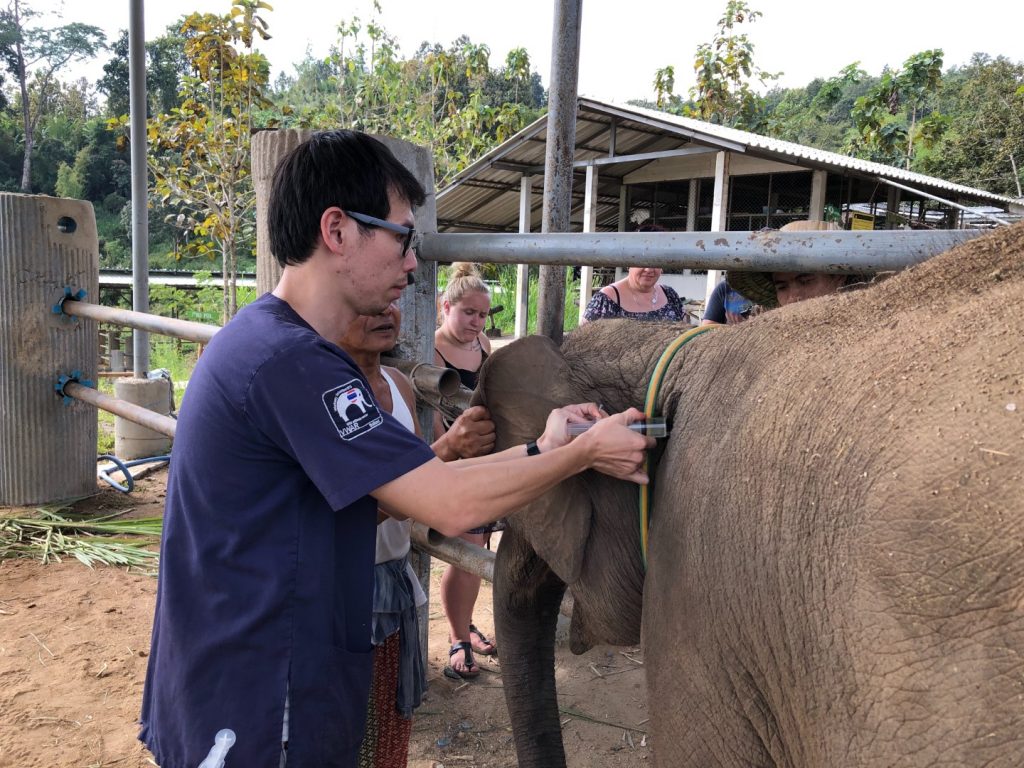
a 2020 study, Welfare Assessment and Activities of Captive Elephants in Thailand published in Animals found that only 18% of elephant camps had a veterinarian on site, while 36% had an elephant clinic with basic medical equipment.
Veterinarians from the National Elephant Institute, Chiang Mai University and government veterinary services visited camps at least twice a year for health examinations and deworming.
Thailand also has another major specialized facility in Surin Province, operated by the Department of Livestock Development. A 2025 study identified approximately 722 captive elephants in the surrounding area, while the NEI serves an estimated 1,278 captive elephants.
The two hospitals provide both inpatient and mobile care, particularly for complex and critical cases.
Treating More Than Injuries
Elephant veterinary care covers a wide range of conditions.
Research on captive elephants in Thailand has documented wounds, external parasites, cracked nails, constipation, colic, eye problems, foot disorders and metabolic problems associated with excess weight. Gastrointestinal problems have also been linked to contaminated food.
The size of the animals creates additional requirements for treatment. Asian elephants can weigh several tonnes, making procedures such as anesthesia, surgery, transportation and diagnostic examinations different from conventional veterinary care for smaller domestic animals.
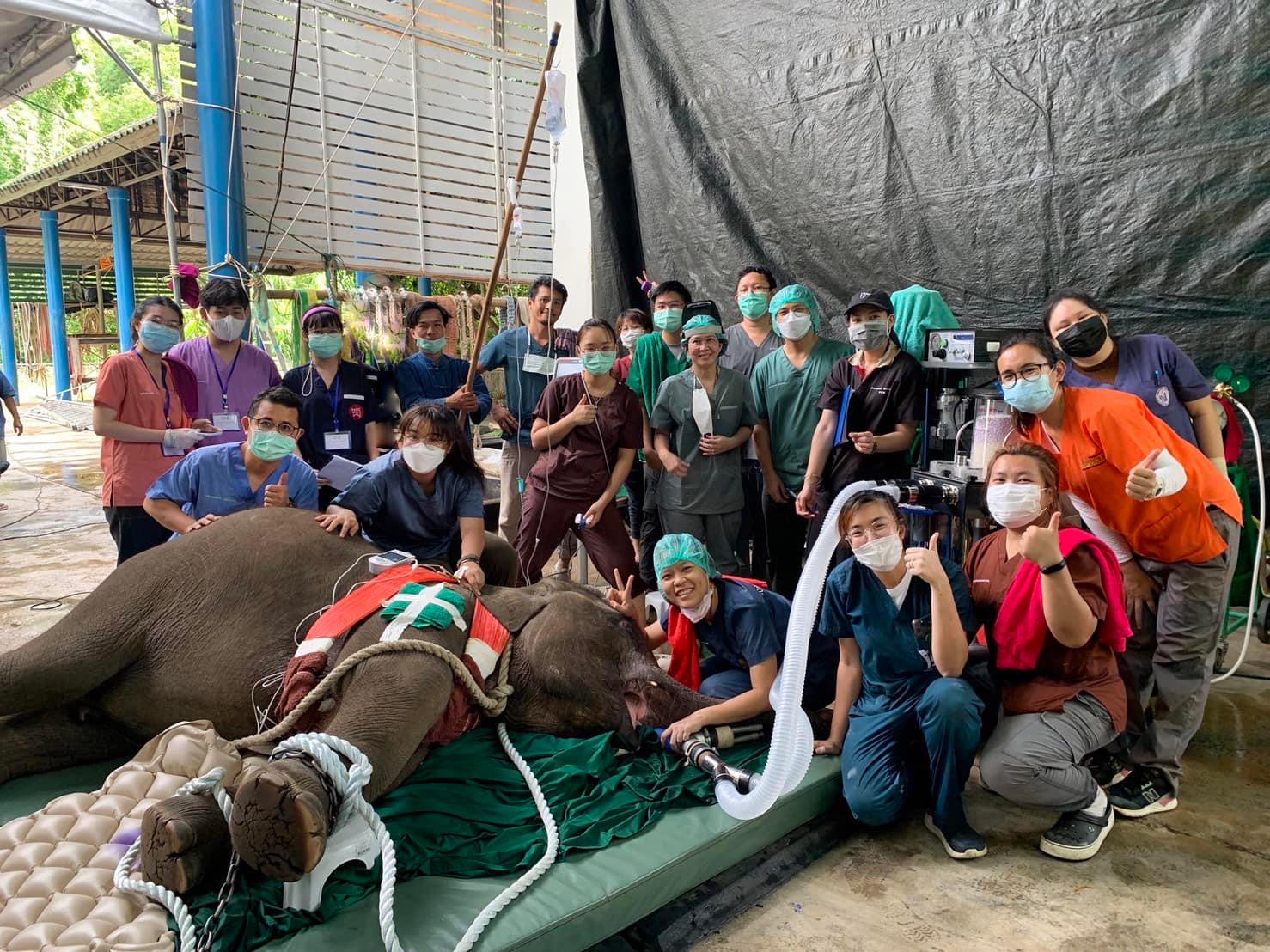
The specialized facilities therefore also provide a setting for research into elephant medicine, reproduction, nutrition and disease.
A Machine Learning Model From Hospital Records
The National Elephant Institute doesn't just treat elephants, it now keeps enough medical records to study them. A 2025 study published in Veterinary Sciences, 470 elephants admitted to the NEI between 2019 and 2024 (467 of them had complete enough records to actually analyze).
Researchers fed the data, each elephant's age, sex, type of illness, and how long it stayed in the hospital into several computer models to see if a pattern could predict how a case would turn out, recovery, death, or still under treatment.
The best performing model got it right 86.3% of the time. In practice, that means hospital records that used to just sit in a filing cabinet could eventually help vets flag which elephants need the most urgent attention.
Universities and Other Organizations Involved
Hospitals are only part of the system.
The Department of Livestock Development runs its own veterinary research facilities, and universities, Chiang Mai University in particular, study elephant health, reproduction, and disease. Several other organizations also operate elephant hospitals and mobile clinics of their own.

This wider network exists because the scale is significant. Thailand's captive elephant population has stayed above 3,000 for decades. Even so, access to care isn't equal across the board.
A 2024-2025 assessment, published as the report "Bred to Entertain" by World Animal Protection, examined 2,849 elephants at 236 tourism venues across Thailand. The report found that welfare standards and access to proper veterinary care still vary widely between venues, with results largely unchanged from a similar assessment in 2019.