


With his enormous ears, playful curiosity and unmistakable love of oranges, Cheburashka returned to Jakarta as the cheerful face of a growing cultural connection between Russia and Indonesia.
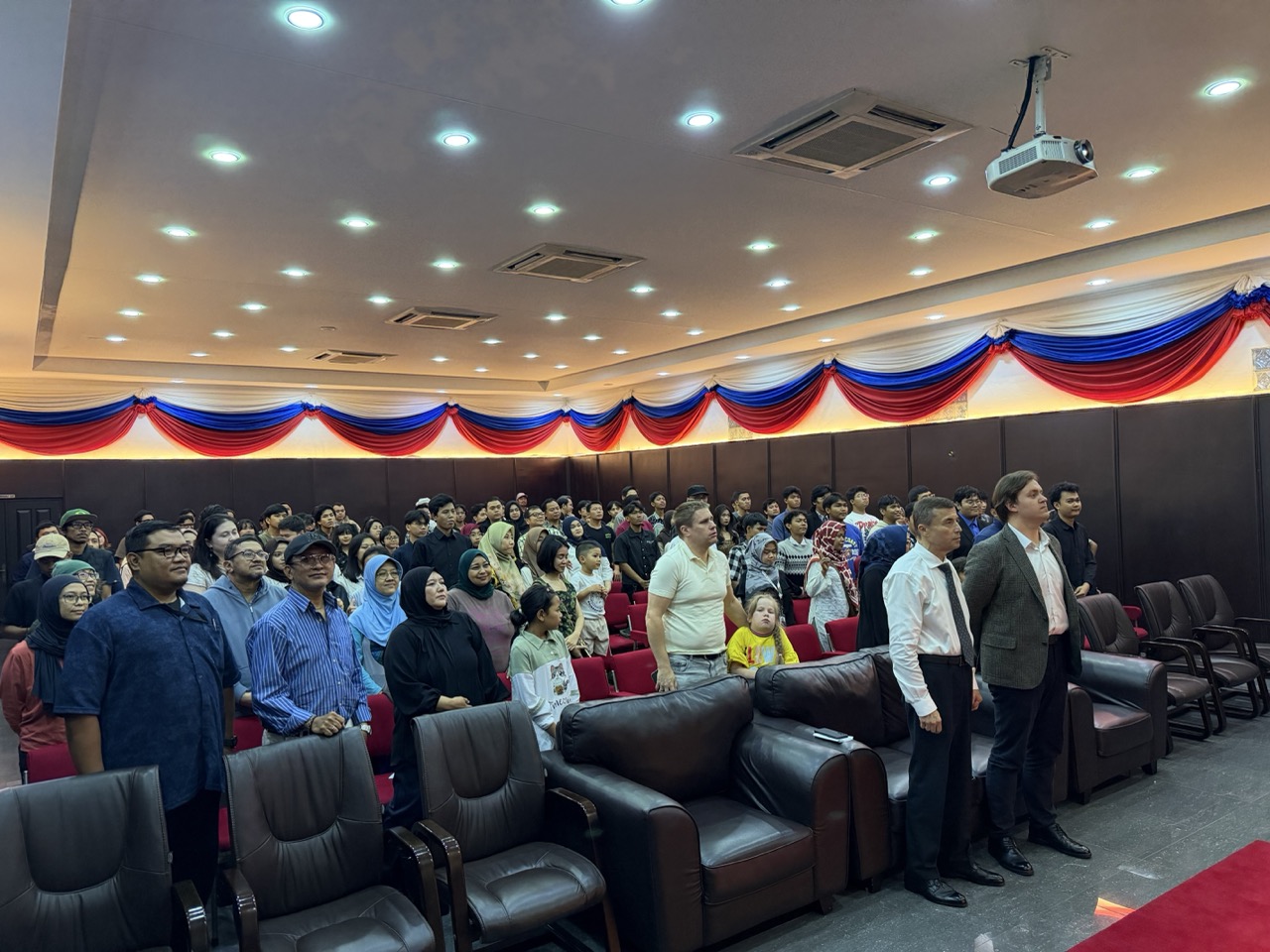
The Russian House in Jakarta screened Cheburashka 2 on 28 August as part of the 11th All-Russia Cinema Night. Presented in Russian with Indonesian subtitles, the family event introduced local viewers to a modern adaptation of one of Russia’s most enduring fictional characters.
A Lively Adventure for Jakarta Audiences
Directed by Dmitry Dyachenko, Cheburashka 2 follows the furry hero as he grows more independent and begins testing the patience of Gena, his guardian and mentor. Their everyday disagreements soon give way to a larger adventure when their home comes under threat.

The combination of live action, computer-generated animation and family-centred humour made the story accessible even to viewers unfamiliar with its Soviet origins. Indonesian subtitles helped audiences follow both its comedy and emotional themes of friendship, responsibility and growing up.
One guest, Alia, described the sequel as livelier than the first film. “I am looking forward to watching Chebi 3 soon,” she said, using the character’s international screen name.
From an Orange Box to a Box-Office Phenomenon
Cheburashka first appeared in Eduard Uspensky’s 1966 children’s book Gena the Crocodile and His Friends. The character became widely recognised after the release of Roman Kachanov’s stop-motion film Gena the Crocodile in 1969.
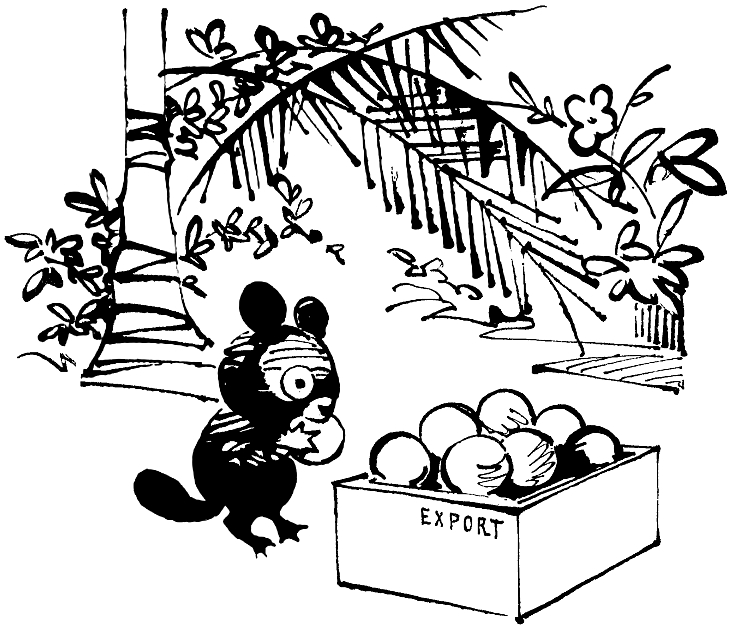
In the original story, the “animal unknown to science” arrives in a city after falling asleep inside a box of oranges. His name is associated with the Russian verb cheburakhnutsya, meaning to tumble or fall—a reference to the creature’s endearing clumsiness.
The modern film franchise has introduced him to a new generation. The first live-action and CGI film became a historic Russian box-office success in 2023. Its sequel, released widely in Russia on 1 January 2026, reached five billion rubles and attracted 9.3 million viewers during the New Year holiday period alone. It also set records for advance sales, opening-day revenue and the speed at which it crossed the one-billion-ruble mark.
Jakarta Joins a Global Cinema Tradition
Although the All-Russia Cinema Night reached its 11th global edition in 2026, Jakarta only joined the programme for the first time in 2025. That distinction is important: Indonesia has not hosted the event for more than a decade, but has participated for two consecutive years.
The inaugural Jakarta edition was held at the National Library of Indonesia on 25 August 2025. The screening of The Wizard of the Emerald City brought together Russian Ambassador Sergei Tolchenov, Indonesian Deputy Minister of Culture Giring Ganesha, Deputy Minister of Creative Economy Agustini Rahayu and National Library head E. Aminudin Aziz.
“We hope audiences enjoy the film and that this event sustains the tradition of creative exchange between Russia and Indonesia,” Tolchenov said at the time.
The programme expanded significantly in 2026, with more than 60 countries participating through over 5,000 screening venues worldwide. Jakarta’s presentation of Cheburashka 2 placed Indonesian audiences within that larger international celebration of Russian cinema.
Screenings Open Doors for Collaboration
Cinema Night forms part of a broader period of film engagement between the two countries. On 5 July 2025, Jakarta hosted the first Russian Film Day in the history of bilateral relations at CGV Cinemas Central Park. The programme featured three Russian productions and was accompanied by the first Russian–Indonesian Film Forum, which explored distribution, professional exchanges and potential co-productions.
“Indonesians love cinema—and now they are beginning to love Russian cinema as well,” Russian House director Nikita Shilikov observed following the forum.
The development aligns with Indonesia’s ambition to connect its filmmakers with international markets. Giring Ganesha has said that global engagement can “open up exclusive opportunities” for meetings with producers, investors and distributors while supporting emerging talent.
A Friendship Projected on Screen
The Jakarta screening demonstrated how cultural diplomacy can begin with something as simple as families sharing a story in the same room. Subtitles crossed the language barrier, while Cheburashka’s humour and tenderness provided a familiar emotional language.
As Jakarta’s participation enters its second year, Cinema Night is becoming more than a presentation of Russian films. It is creating space for audiences, institutions and filmmakers from both countries to meet—and perhaps, in time, to tell new stories together.


