


From Mongolia’s grasslands to the Mekong Delta, landscapes may look dramatically different, but they face the same urgent question: how can countries protect the land that sustains their food, water and livelihoods?
That question shaped UNCCD COP17, which concluded in Ulaanbaatar on 28 August after two weeks of negotiations. The conference delivered new financing initiatives, drought-preparedness tools and stronger recognition of pastoralists and local communities—outcomes with direct relevance for Southeast Asia.
Mongolia Pushes the Conversation Towards Action
Held under the theme “Restoring Land. Restoring Hope,” COP17 brought together the 197 parties to the United Nations Convention to Combat Desertification, the world’s principal agreement addressing land degradation, desertification and drought.
The scale of the challenge is immense. Up to 40 percent of the world’s land is degraded, while governments have pledged to restore more than one billion hectares by 2030. Although more than 70 countries now have national drought plans—up from only three in 2013—implementation and financing continue to lag.
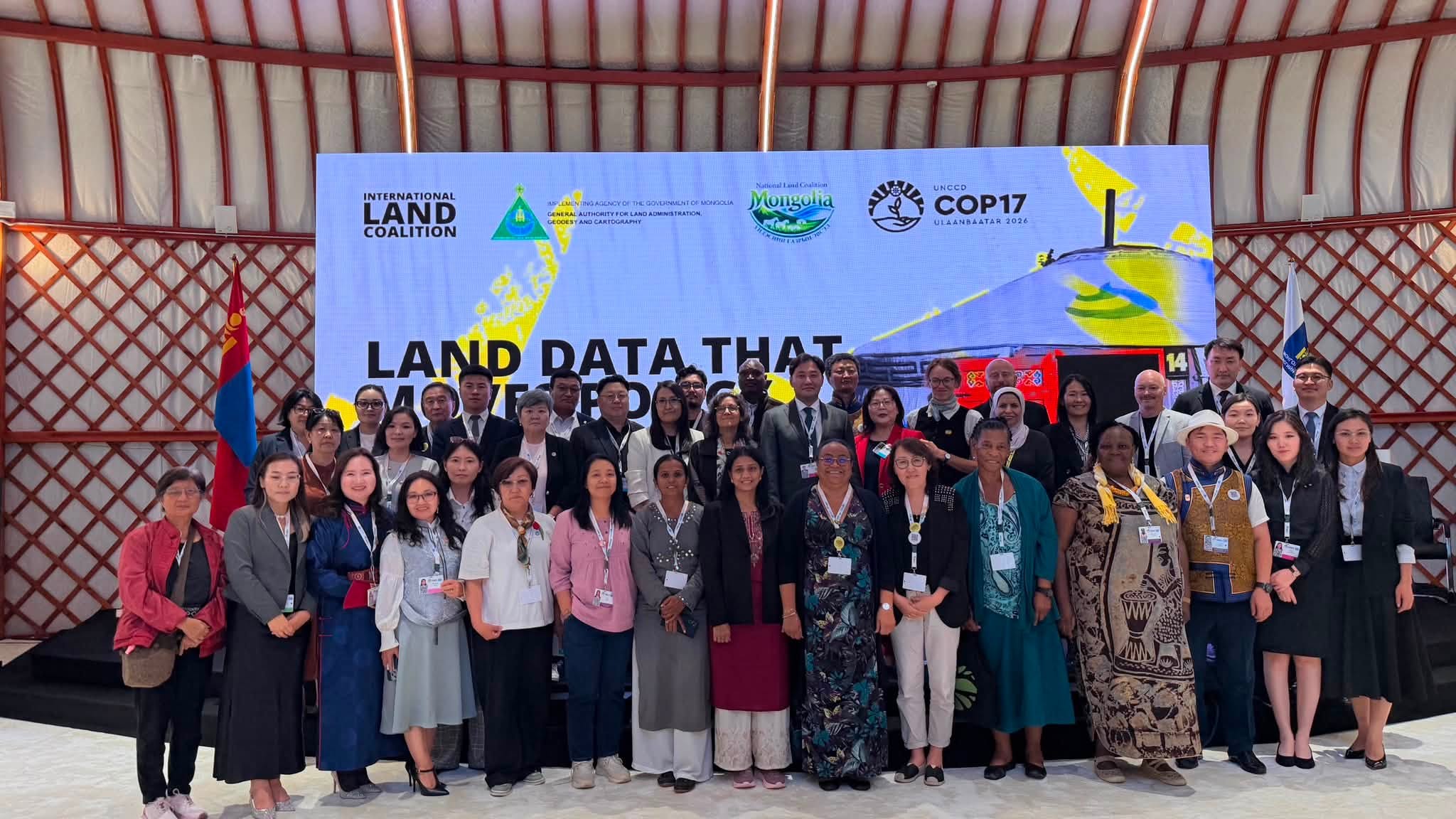
Mongolia provided a fitting setting for the negotiations. Nearly 77 percent of its territory is degraded, while its pastoral communities depend on the health of vast rangelands.
“We came to Ulaanbaatar saying that COP17 must be a COP of implementation,” said UNCCD Executive Secretary Yasmine Fouad. COP17 President Battsetseg Batmunkh similarly framed the summit as a transition “from promises to implementation and from discussions to real work.”
New Funds Enter the Restoration Landscape
Among COP17’s headline outcomes was a US$1.3 billion portfolio for land restoration and drought resilience across 23 countries. Of that total, US$644.5 million was identified as new finance, with US$216.4 million confirmed and moving towards implementation.
The conference also launched the Drought Resilience Investment Facility, the first global catalytic financing platform dedicated to drought preparedness. Developed by the UNCCD and Luxembourg, it aims to mobilise up to US$400 million for water security, sustainable agriculture, land restoration and nature-based solutions.
Yet the global financing gap remains daunting. Around US$355 billion is required annually through 2030 to meet restoration and drought-resilience targets, while current investment stands at approximately US$77 billion. This leaves an annual shortfall of US$278 billion, with private finance accounting for only about six percent of restoration spending.
Governments also stopped short of adopting a stronger global drought instrument. Negotiations will continue at COP18, expected to take place in Egypt in 2028, while drought will remain a permanent standalone item at future UNCCD conferences.
Why Drought Is Also a Southeast Asian Story
Desertification may evoke images of arid landscapes, but Southeast Asia faces its own interconnected land crisis. Drought, declining soil fertility, deforestation, peatland drainage and seawater intrusion are placing greater pressure on farms and coastal communities.
A regional assessment found that agricultural drought accounted for more than 60 percent—around US$51 billion—of Southeast Asia’s average annual disaster losses.
The Lower Mekong Basin demonstrates what is at stake. Nearly 65 million people live within the basin, and an estimated 80 percent depend on the river and its natural resources for their livelihoods. Reduced water flows can disrupt rice production and freshwater fisheries in Thailand, Laos, Cambodia and Vietnam.
In Vietnam’s Mekong Delta, drought and seawater intrusion threaten rice fields and fruit-growing areas. In Indonesia, drained peatlands in Sumatra and Kalimantan become highly flammable during prolonged dry periods, while farmers in East Nusa Tenggara face irregular rainfall, water shortages and deteriorating soil.
COP17’s newly introduced Drought Resilience Index could support ASEAN governments in measuring their capacity to anticipate, prepare for and adapt to drought. Combined with regional forecasting and data-sharing systems, it could help identify vulnerable agricultural areas before shortages become humanitarian or economic emergencies.
Rangelands Finally Gain Global Attention
COP17 also placed rangelands at the centre of international land policy. These ecosystems cover 54 percent of the world’s land, support around two billion people and are stewarded by approximately 500 million pastoralists.
The conference launched a US$1.2 billion Rangelands Flagship Initiative covering 45 projects—the largest mobilisation for rangelands in the convention’s history. The initiative carries lessons for Southeast Asia’s dryland and savanna communities, particularly in eastern Indonesia, Timor-Leste, Myanmar and parts of Thailand.
COP17 also hosted the first formal meetings of the UNCCD Indigenous Peoples and Local Communities caucuses. Their participation reinforced the principle that restoration cannot succeed without recognising customary knowledge, community land rights and local leadership.
Bringing Ulaanbaatar’s Momentum to ASEAN
For ASEAN, COP17 offers tools that can strengthen existing regional initiatives. New financing mechanisms could support peatland rewetting in Indonesia, mangrove rehabilitation in the Philippines and Vietnam, watershed protection in Laos and climate-resilient agriculture throughout the Mekong region.
The Ulaanbaatar Declaration also called for cities and regional governments to play a larger role in land restoration. This local emphasis is particularly relevant in Southeast Asia, where provincial authorities, Indigenous communities, farmers and village organisations often manage the landscapes most exposed to environmental decline.
COP17 did not resolve every disagreement, and its financial announcements must still become projects on the ground. Nevertheless, the conference strengthened the architecture for action.
Its success in Southeast Asia will ultimately be measured far from Mongolia’s conference halls—in peatlands that remain wet, farms that withstand drought, mangroves that protect coastal settlements and rivers that continue supporting millions of lives. Only then will the journey from Ulaanbaatar to the Mekong translate into lasting regional resilience.


