

Coining is an ancient healing method that people in East and Southeast Asia still use to treat many illnesses. Known as gua sha in China, cao gio in Viet Nam, and kerokan in Indonesia, this practice has a history of about two thousand years. It involves rubbing the skin with a smooth-edged object to relieve symptoms like fevers, headaches, and muscle pain.
Historically, traditional healers and families used this simple technique because it required no expensive medical tools. A simple metal coin, often a traditional Chinese cash coin, was applied to lubricated skin to draw out illnesses. This practice has survived through generations and traveled across the world with immigrant communities.
Many families still turn to coining today as a trusted first line of defense against common seasonal sicknesses. Even though modern medicine is widely available, this cultural remedy remains a deeply rooted tradition. The persistence of coining shows how ancient beliefs continue to shape daily health practices in the modern world.
Why Ancient People Practiced Coining
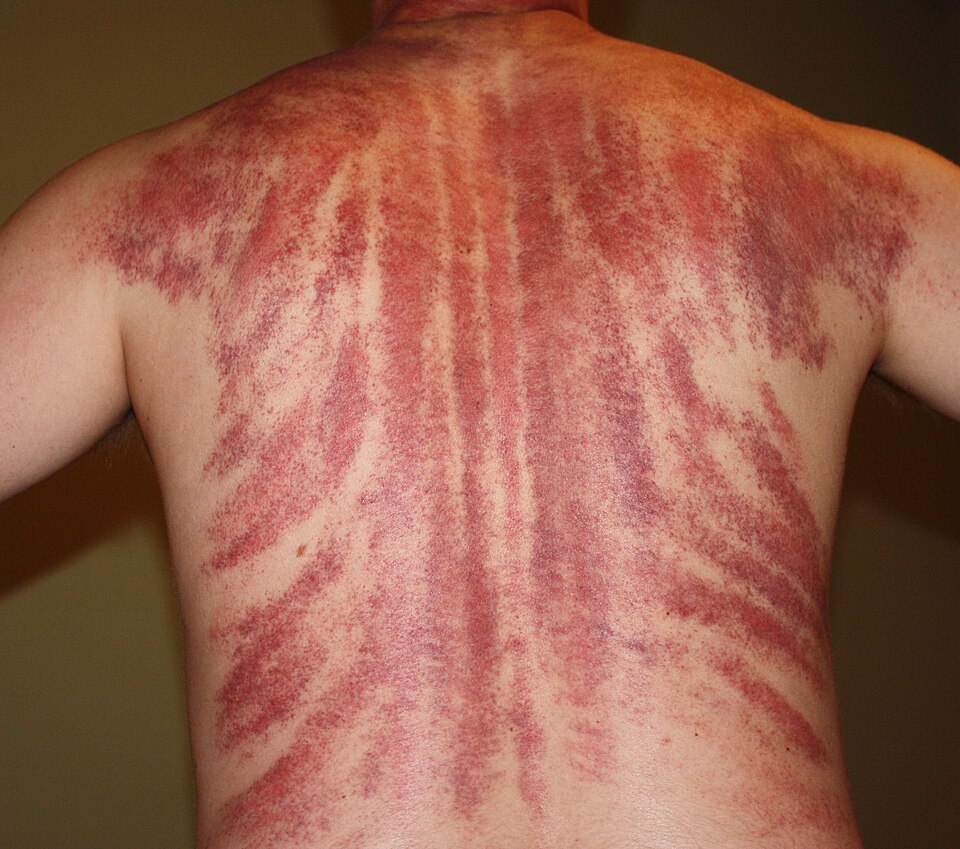
Ancient people developed coining based on Taoist philosophy, which views health as a state of natural balance. They believed that illnesses occurred when bad wind, known as phong, invaded the human body. This wind was thought to get trapped under the skin, causing fevers, chills, and body aches.
To cure these ailments, healers used a smooth coin to physically scrape the skin along specific energy pathways. The goal of this friction was to release the trapped bad wind and restore the body's internal harmony. Traditional cash coins with square holes in the center were highly favored because they were easy to grip during the intense rubbing.
The rubbing was continued until red or purple marks, called sha, appeared on the surface of the skin. Healers believed these colorful marks were proof of healing, showing that the bad energy was successfully leaving the body. If the skin turned red, the treatment was considered highly successful.
The History of the Practice
The history of coining is closely tied to the evolution of traditional Chinese medicine. Early medical textbooks from the Song Dynasty first documented the medical usage of cash coins. Over the centuries, various dynasties expanded the theory, using different types of coins to treat various illnesses.
For example, certain bronze coins were boiled to make medicinal teas, while others were used purely as scraping tools. Ancient physicians even recommended using coins that were at least five hundred years old to ensure spiritual and physical potency. This created a unique medical culture where currency and healthcare were tightly linked.
When Asian laborers migrated to other Western countries in the nineteenth and twentieth centuries, they carried these coin treatments with them. In labor camps and early communities, workers would scrape each other's necks to cure exhaustion and heat illness. Despite lacking modern clinical settings, these communities kept the practice alive as an essential link to their cultural heritage.
Cultural Views and Modern Beliefs
In Western countries, coining has sometimes caused cultural misunderstandings because of the red bruises it leaves on the skin. Medical workers who do not know about Asian cultures have occasionally mistaken these therapeutic marks for physical abuse. Today, growing cultural awareness helps doctors understand the treatment better and respect these old family traditions.
Many people continue to believe in the power of coining to treat modern aches, pains, and physical fatigue. On the other hand, some critics argue that the positive results are mostly due to the placebo effect or the healing ingredients in the oils used. Even with these differing opinions, the practice remains a highly valued therapy in many households.
Instead of using complex medical equipment, people value this therapy because it is highly practical and easy to perform at home. Rubbing the skin along specific pathways simply helps to relax tight muscles and release trapped tension.



