Viet Nam is developing a new generation of cruise missiles that could eventually give it one of the longest range indigenous missile capabilities in Southeast Asia.
The programme is being led by Viettel, Viet Nam’s state owned technology and defence company, through its development of the Trường Sơn coastal defence missile system.
Unlike many missile systems operated in the region, the system is being researched, designed and manufactured domestically. Viet Nam’s government says Viettel has achieved full autonomy in developing the system.
From 80 Kilometers to 300
The first publicly displayed version of the system, associated with the VSM-01A/VCM-01M, has a reported range of around 80-100 kilometers.
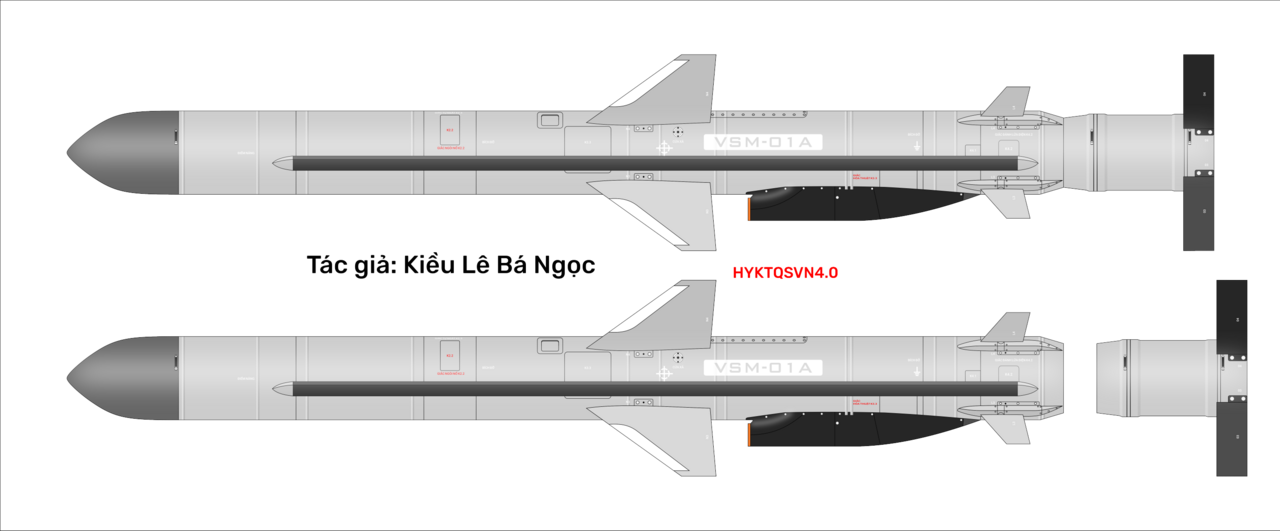
It is a subsonic anti-ship missile designed to be launched from Viet Nam’s mobile VCS-01 coastal defence system. But larger VCM variants have since appeared in open source imagery.
According to Vietnamese outlet Dân Việt, the VCM-02 variant is reported to have a range of up to 300 kilometers. Another much larger variant, identified in open source sources as the VCM-06, has been associated with a potential range of around 600 kilometers, although that figure remains unconfirmed by Vietnamese authorities.
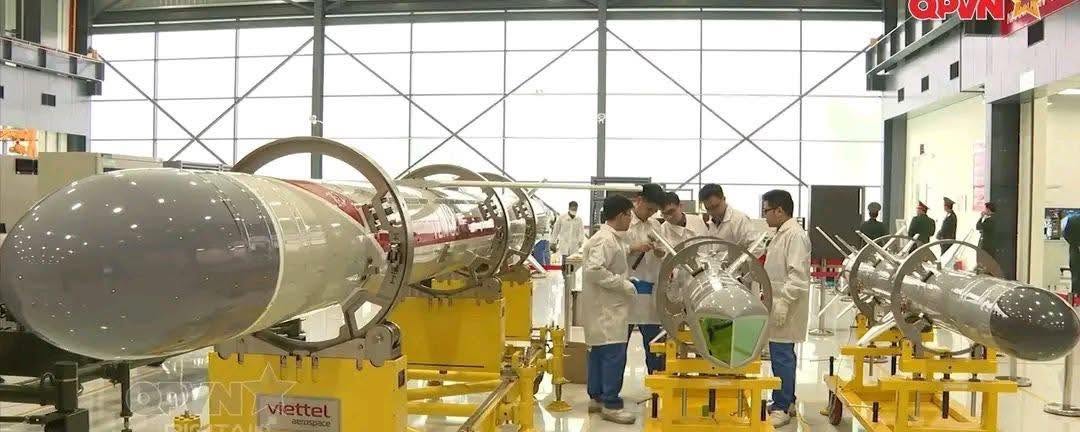
Public information about Viet Nam’s missile programme remains limited, and much of the detailed performance data comes from defence analysts examining publicly displayed equipment and imagery.
Still, the development itself is significant.
Why 300 Kilometers Matters
A 300 kilometer class missile would be significant in Southeast Asia, where many countries rely on imported systems whose export versions are limited by international controls.
According to the Missile Technology Control Regime (MTCR), the regime is a voluntary export control arrangement, not a ban on countries developing their own missiles.
Its most restrictive Category I rules target complete missile and unmanned aerial vehicle systems capable of delivering a 500 kilogram payload to a range of at least 300 kilometers. Exports of such systems face a strong presumption of denial, making international transfers particularly difficult.
This is one reason some missiles sold to Southeast Asian countries stop just short of the 300 kilometer mark. The Philippines export configured BrahMos, for example, has a range of around 290 kilometers.
If the reported 300 kilometer class variant enters service, Viet Nam could have a long range indigenous missile capability without relying on an imported missile whose range has been restricted for export.
That does not mean Viet Nam is exempt from international arms controls. It simply means that building the missile at home gives Viet Nam considerably more control over how the system is developed.
Building More Than a Missile
The VCM programme is part of a much broader push by Viet Nam to become more self reliant in advanced military technology.
According to Viet Nam’s Government News, Viettel has mastered the design, system integration and core technologies behind high tech defence products, and has successfully produced and delivered strategic products for the Vietnamese military.
Viettel itself says its High Tech division is responsible for researching and manufacturing high tech defence products, with the goal of developing technologies domestically.
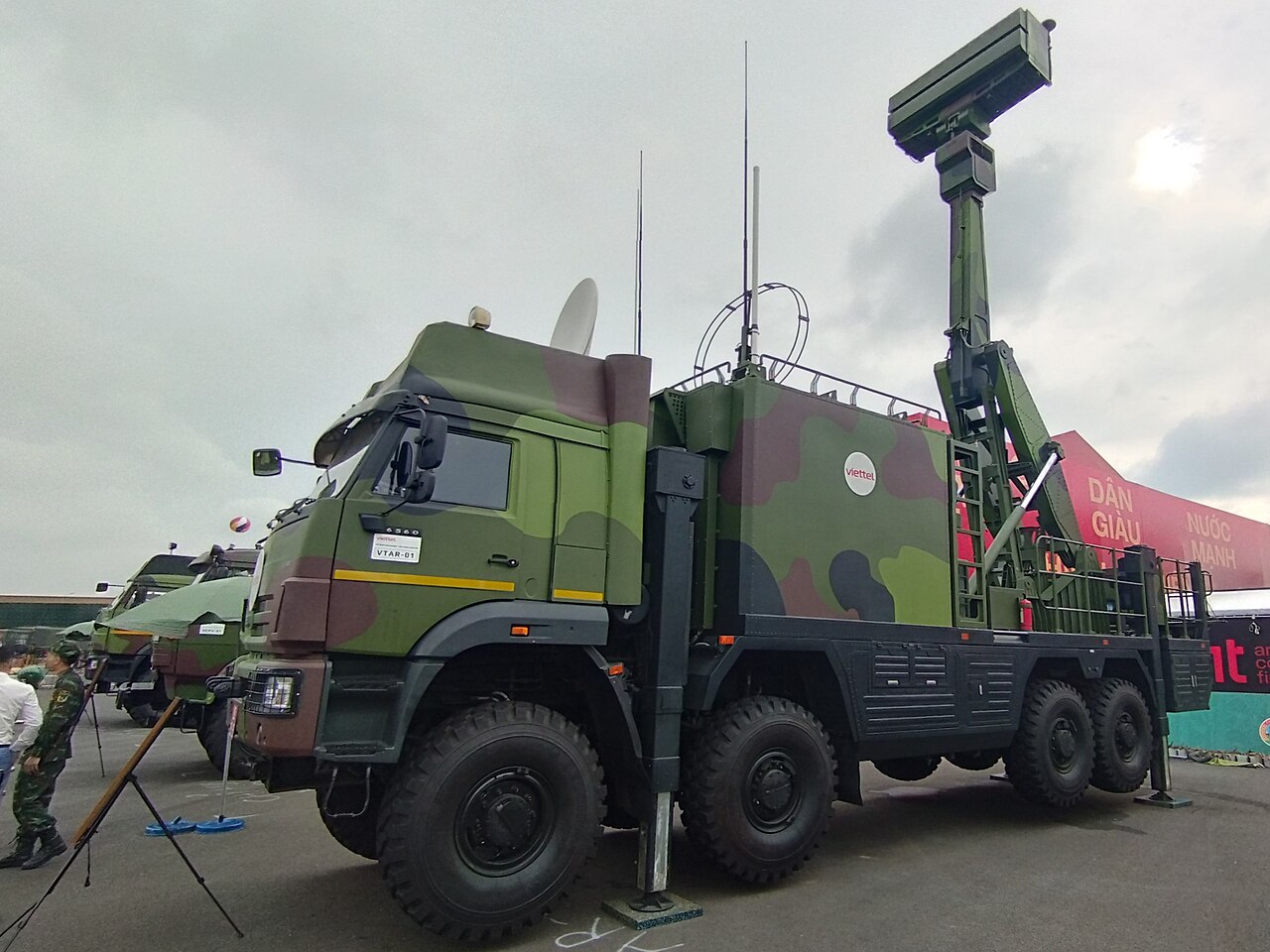
The VCS-01 system is more than just its missile. The system integrates mobile launchers, target acquisition radars, command and control vehicles, transport and loading units, and technical support vehicles.
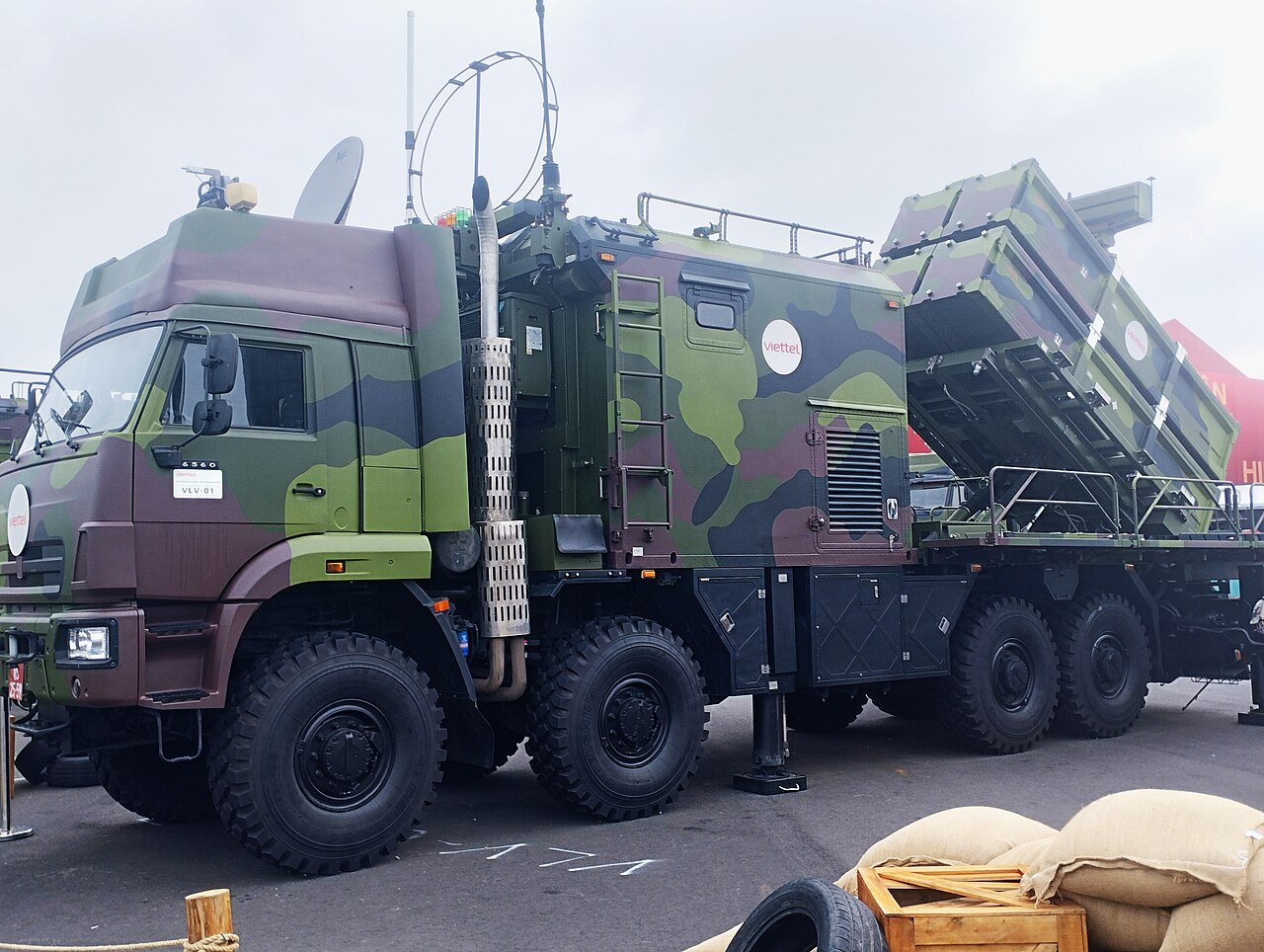
According to Naval News, the VCS-01 formally entered service with Viet Nam’s People’s Navy in April 2024, when it was deployed with Brigade 679 of the 1st Regional Command. The system was publicly unveiled later that year at the Viet Nam Defence Expo 2024.
That matters because developing a long range missile is about much more than making something that can fly 300 kilometers. A usable system also needs guidance, targeting, communications, launch vehicles and the ability to operate as part of a wider coastal defence network.
Viet Nam’s Long Game
For now, it would be too early to officially call VCM-06 Southeast Asia’s longest range missile.
Its reported 600 kilometer range remains unconfirmed, and other countries in the region operate imported weapons whose exact capabilities vary by version.
But the direction of Viet Nam’s programme is clear. The country has moved from an indigenous anti-ship missile with a relatively short range toward a family of larger systems that could potentially reach much farther.
If the reported VCM-06 performance is eventually confirmed, Viet Nam would not simply have another missile in its arsenal.
It would have one of Southeast Asia’s longest range cruise missiles developed at home, a significant step for a country increasingly trying to build its own high tech defence industry.