Southeast Asian governments are pouring billions into railways, airports, ports, canals, and even a brand new capital city.
These list below are not ranked by cost, each stands out for its physical scale, investment value, or importance to the country building it.
Figures are based on official statements and reports available as of September 2026, and many of these projects have seen schedules and budgets revised over time.
Here are 10 major projects currently underway across the region.
1. Nusantara, Indonesia
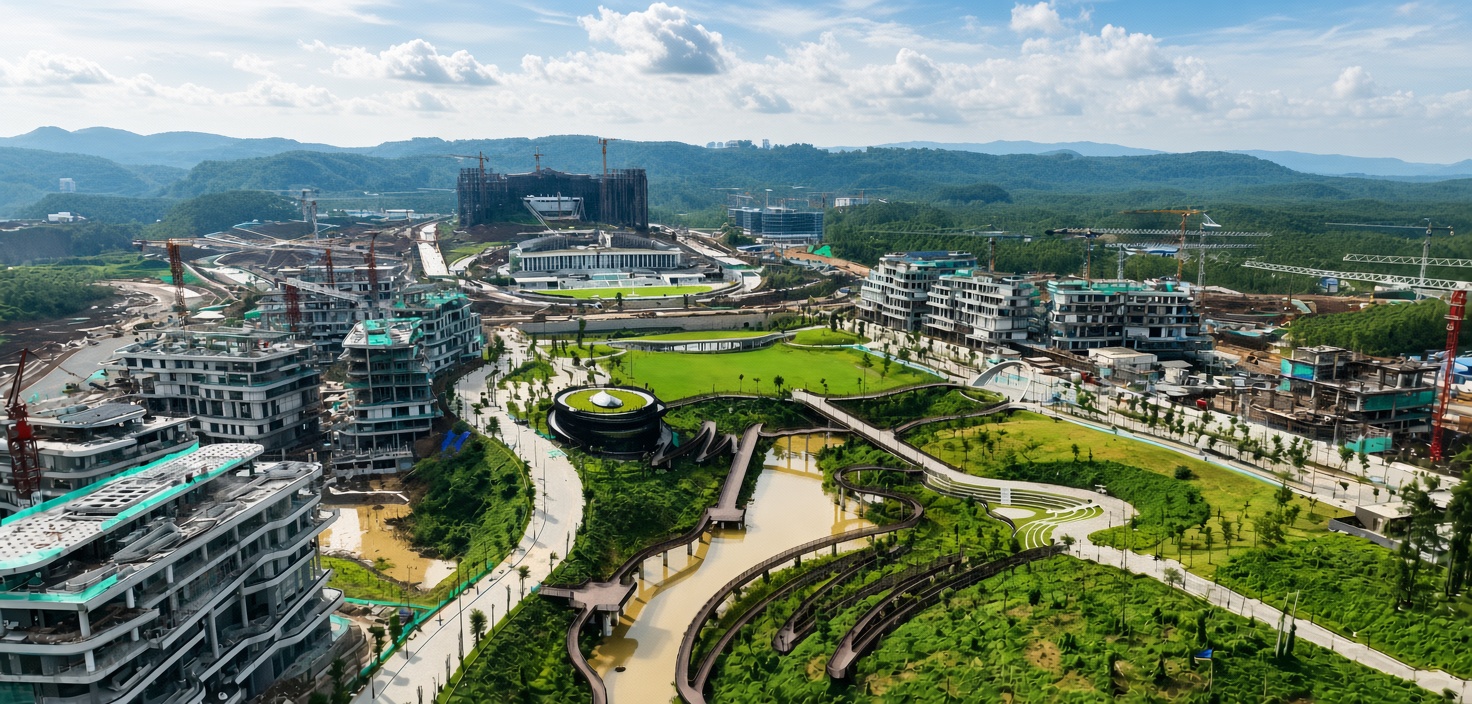
Indonesia is building an entirely new capital city in East Kalimantan to ease Jakarta’s overcrowding and infrastructure pressures.
Nusantara is being developed with government offices, housing, transportation, energy infrastructure and commercial facilities. Unlike a single construction project, it is a collection of developments forming a new urban centre.
The government has previously estimated the overall cost of developing Nusantara at around Rp460 trillion (roughly US$26 billion), with about 20% expected from the state budget and the rest from private investment and public-private partnerships.
Construction and investment across the new capital are continuing.
2. East Coast Rail Link, Malaysia
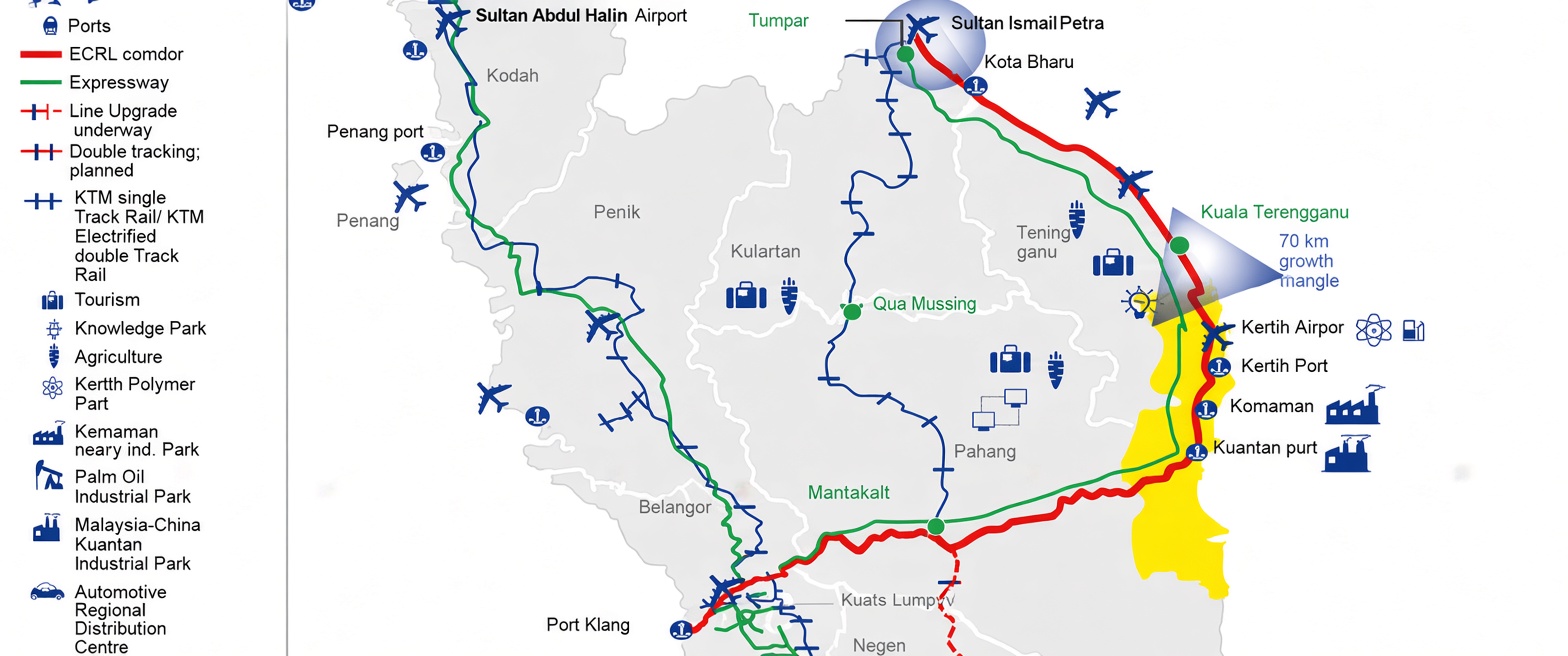
Malaysia's East Coast Rail Link (ECRL) will stretch about 665 kilometres, connecting Kota Bharu in Kelantan with Port Klang in Selangor.
The railway will carry both passengers and freight while creating a new east-west connection across Peninsular Malaysia. The project's total cost is around RM50 billion (roughly US$12 billion), after the route was revised from an earlier estimate of RM65.5 billion (roughly US$15.8 billion).
The project has passed 95% overall progress and has entered testing and commissioning. The first phase, from Kota Bharu to Gombak, is scheduled to begin operations in January 2027. The second phase, from Gombak to Port Klang, is expected to be completed by December 2027.
3. North-South Commuter Railway, Philippines
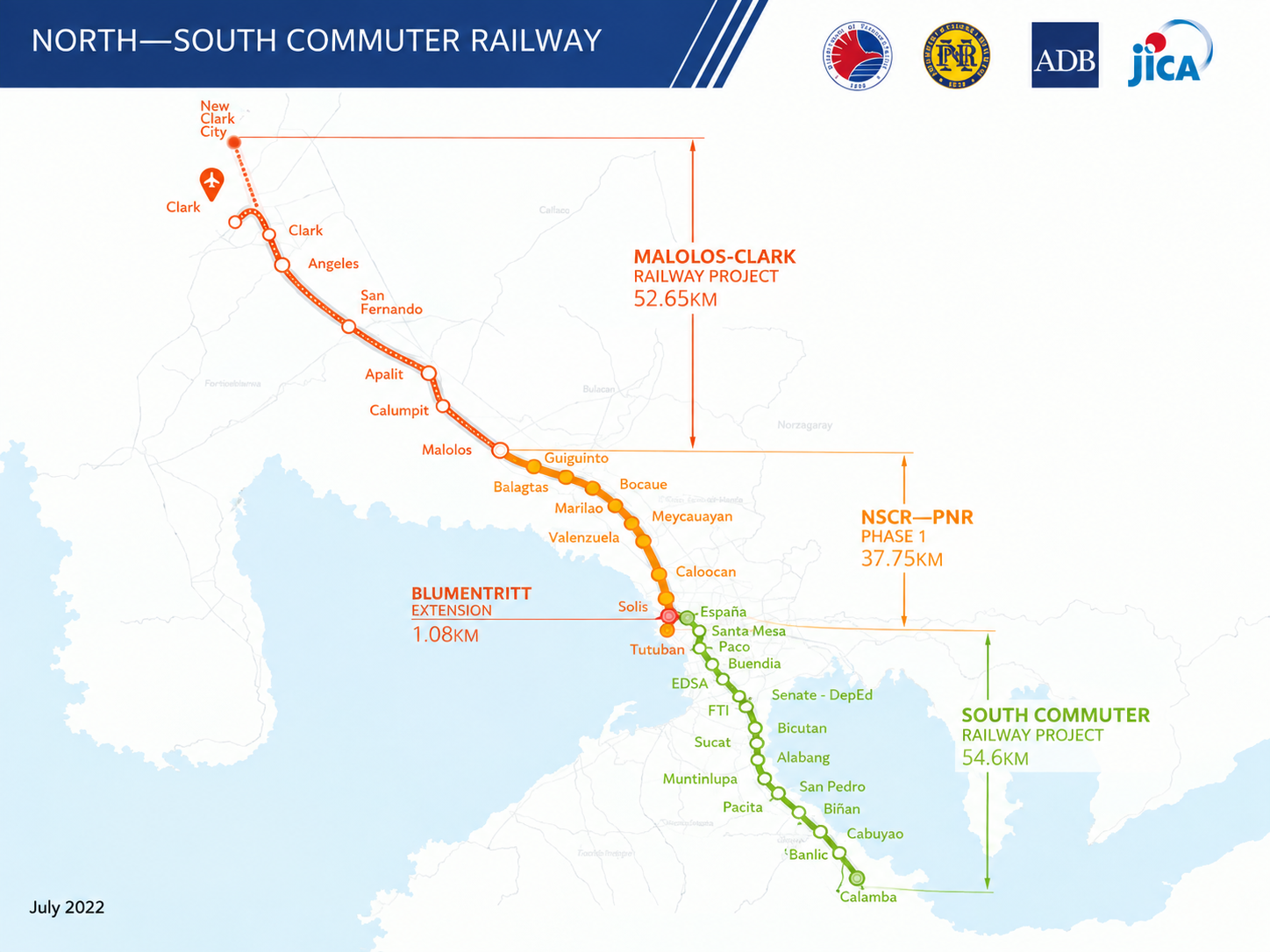
The Philippines is building a railway that will connect major areas north and south of Metro Manila.
The North-South Commuter Railway (NSCR) will span about 147 kilometres and have 35 stations. The Philippine government puts the project's total cost at around ₱873.6 billion (roughly US$13.9 billion).
The railway will connect Clark International Airport and northern Luzon with Calamba in Laguna, providing a much longer rail alternative to road transport around Metro Manila.
4. Metro Manila Subway, Philippines
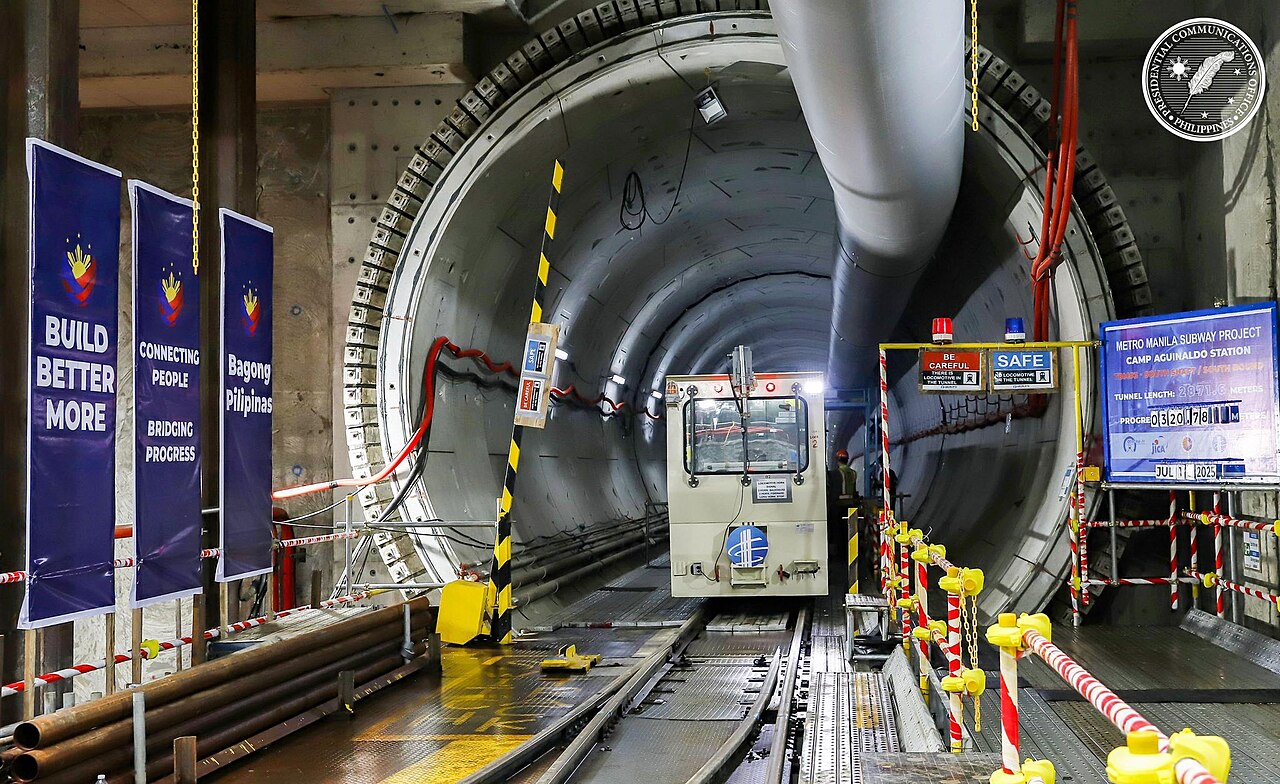
Metro Manila is getting its first underground railway.
The first phase of the Metro Manila Subway will cover approximately 33 kilometres and 17 stations, running from Valenzuela City toward the Ninoy Aquino International Airport area.
The Philippine government estimated the project cost at around ₱488.5 billion (roughly US$7.8 billion) as of September 2025. Officials have projected that it will carry about 519,000 passengers per day and cut travel between northern Metro Manila and NAIA from around 90 minutes to about 35 minutes.
5. Long Thanh International Airport, Viet Nam
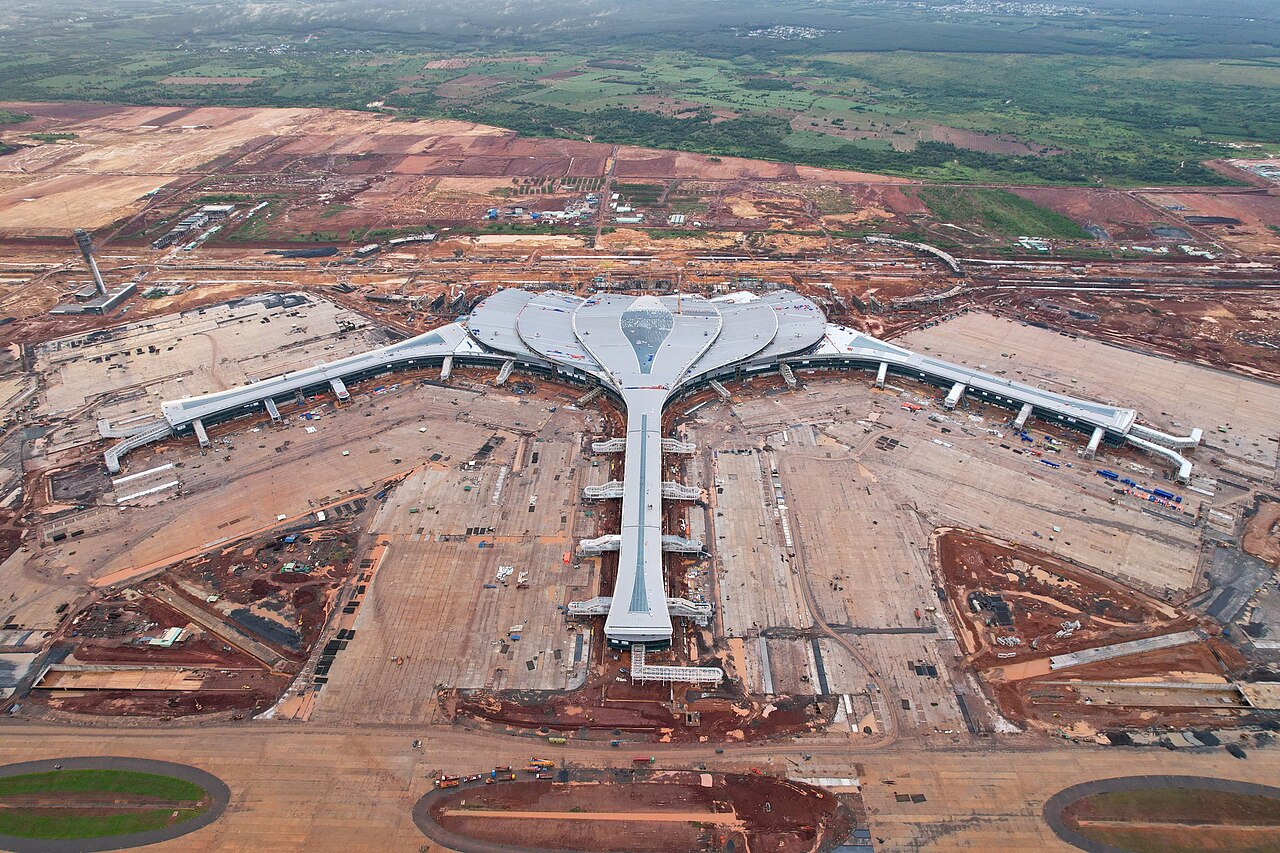
Viet nam is building a new international airport east of Ho Chi Minh City that is designed to become one of the country's main aviation hubs. The Long Thanh International Airport project covers roughly 5,000 hectares. Its first phase is budgeted at about ₫109.7 trillion (roughly US$4.2 billion).
The airport held a ceremonial opening in December 2025, and by the end of August 2026, construction output had reached about 81.4% of the total signed contract value, according to the Airports Corporation of Viet nam.
The first phase is designed to handle 25 million passengers and 1.2 million tonnes of cargo annually. Further phases are planned to increase the airport's capacity substantially.
Commercial operations are targeted for late December 2026.
6. Tuas Port, Singapore
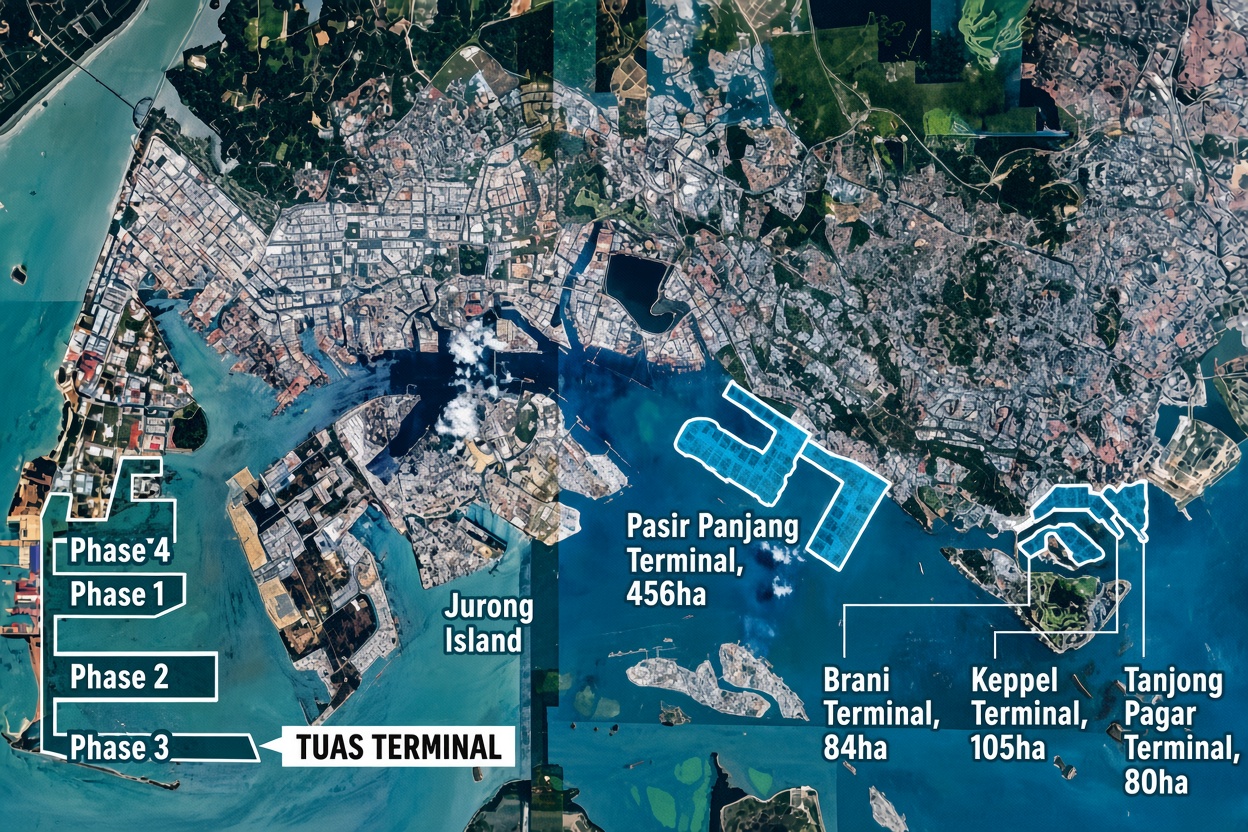
Singapore is building its next generation container port at Tuas.
When fully completed in the 2040s, Tuas Port is planned to cover about 1,337 hectares, with 66 berths stretching 26 kilometres and the capacity to handle up to 65 million TEUs annually.
The port opened in September 2022 and its berths are being brought into operation in stages, with the first phase due to be fully operational in 2027. Further construction continues. The port is also designed around extensive automation, including automated cranes and vehicles.
7. Cross Island Line, Singapore
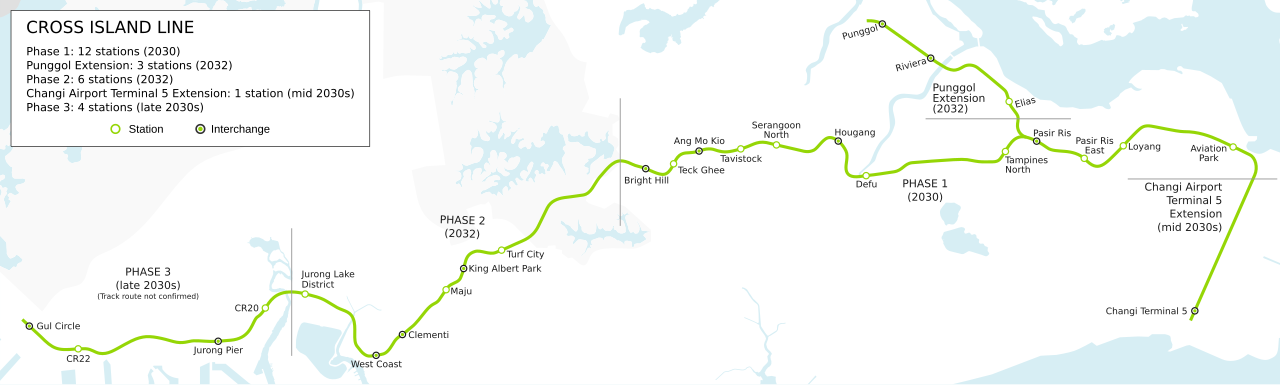
Singapore is also expanding its MRT network with the Cross Island Line, which will eventually stretch more than 50 kilometres and run entirely underground.
Phase 1 covers around 29 kilometres, with 12 stations, and is targeted for completion around 2030. Construction is underway, while works for later sections are progressing as well.
The Land Transport Authority projects that the whole line will serve more than 600,000 commuters daily in its initial years from 2030, growing to over one million in the longer term, providing new connections across the eastern, western and central parts of Singapore.
8. Thailand-China High Speed Railway, Thailand
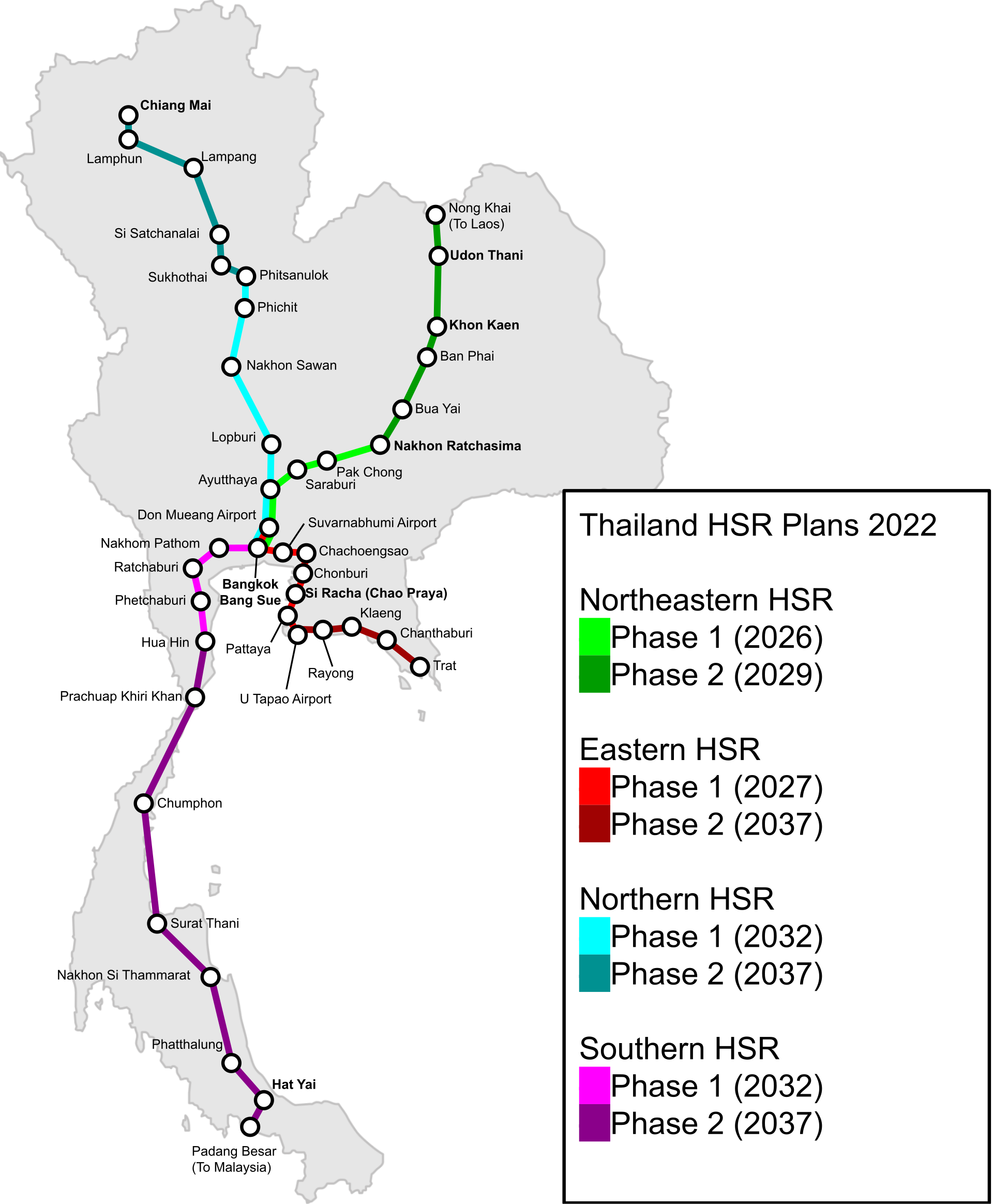
Thailand is building its first high speed railway as part of a planned connection toward China.
The first phase will run approximately 253 kilometres from Bangkok to Nakhon Ratchasima, with a total investment of around ฿179 billion (roughly US$5.6 billion). Construction began in 2017 and has been repeatedly delayed.
Civil works were about 53% complete as of March 2026, and opening is now expected around 2030-2031. The project is being built in multiple sections and is intended to eventually form part of a longer rail connection through Thailand toward Laos and China's railway network.
9. Funan Techo Canal, Cambodia
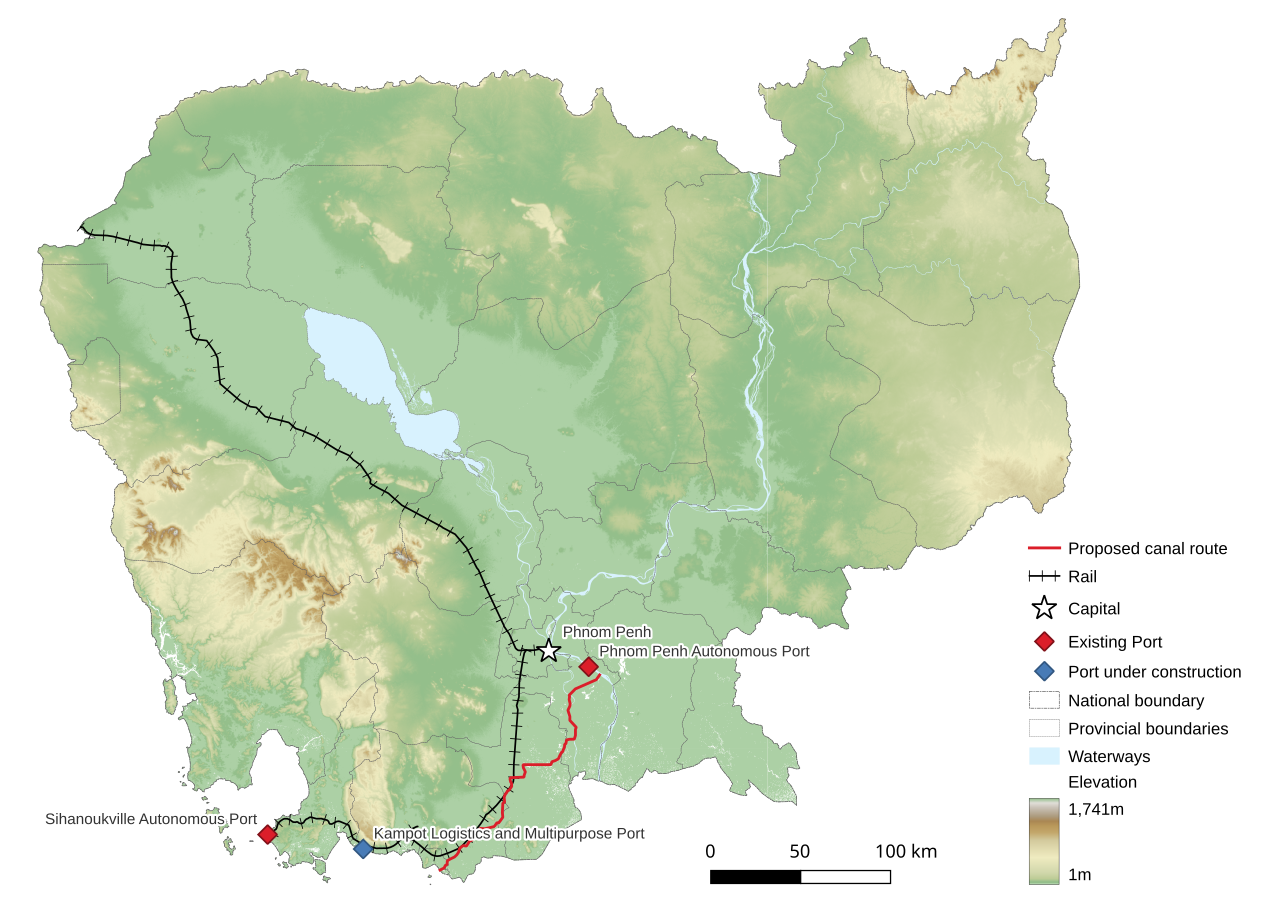
Cambodia is building a new waterway linking the Mekong River system with the country's southern coast.
The Funan Techo Canal will stretch roughly 172 to 180 kilometres, depending on the source. Under the current official breakdown, Section I covers 21 kilometres and Section II covers 151.6 kilometres. The canal passes through Kandal, Takeo, Kampot and Kep provinces before reaching the sea.
The canal is designed with two navigation lanes. Construction of Section II began in April 2026 with an investment of about US$1.17 billion, and the section is expected to take 36 months to complete.
The project is intended to expand Cambodia's inland water transport network and create a new route between the country's waterways and the coast.
10. Penang Mutiara LRT, Malaysia
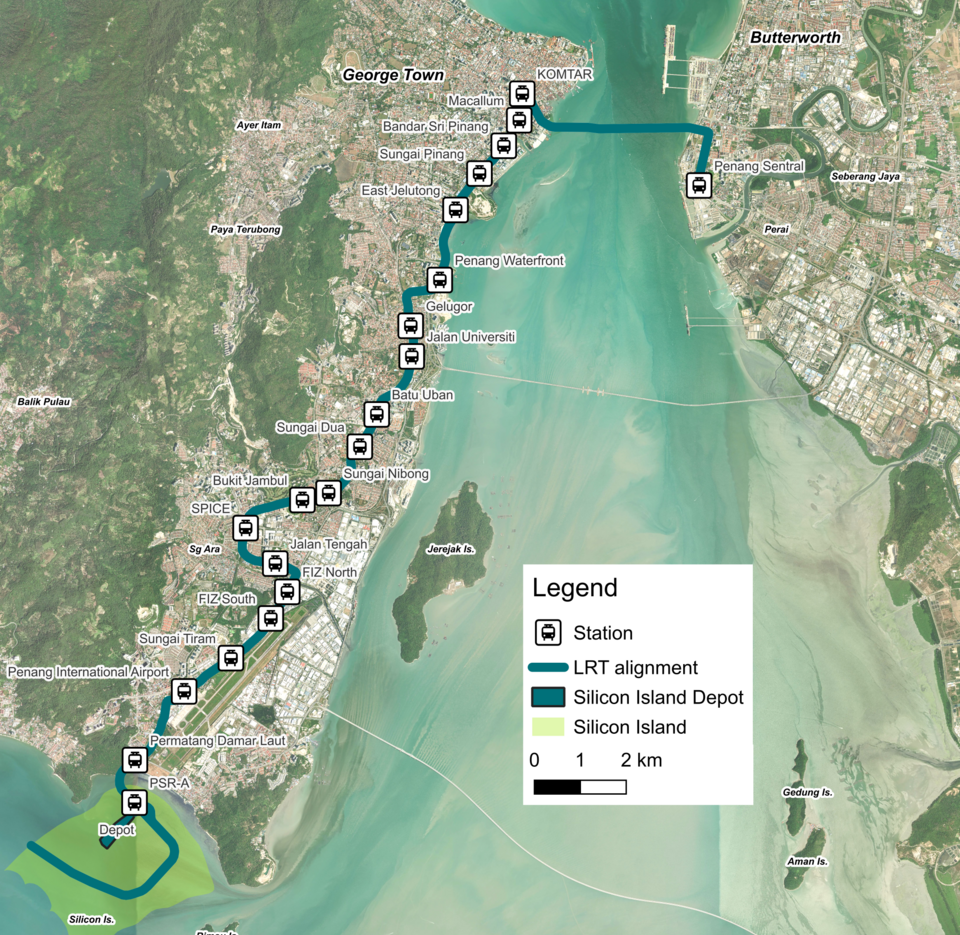
Malaysia is adding a new light rail system to Penang.
The Mutiara Line will stretch approximately 29.67 kilometres, with 20 stations and two provisional stations, connecting Penang Island with Seberang Perai through a planned 6-kilometre cross-channel link. The project is estimated at RM16.8 billion (roughly US$4 billion).
Construction is underway, with overall works at about 9% as of June 2026 and the line targeted to begin operations in December 2031. It is expected to provide a new mass transit option for one of Malaysia's most densely developed urban areas.