Travelers going from the United Kingdom to mainland Europe can cross the English Channel by ferry or by plane. A third option is the train, which runs through a tunnel under the Channel.
The Channel Tunnel, also known as Eurotunnel, links southern England with northern France. It opened in 1994 and carries passengers, vehicles and freight between the two sides of the Channel.
50.5 Kilometers, 37 of Them Under the Sea
Getlink, the company that operates the Channel Tunnel infrastructure, gives the tunnel’s length as approximately 50.5 kilometers, running from Folkestone in Kent, England, to Coquelles in the Pas-de-Calais region of France.
About 37 kilometers of the route lies beneath the sea. According to the operator, this is the longest undersea section of any tunnel in the world. At its deepest point, the tunnel is approximately 75 meters below sea level. All three tunnels were bored beneath the seabed.
The tunnel also links two countries with different railway systems.
Construction and Opening
Proposals for a tunnel beneath the English Channel date back to the early 19th century. French engineer Albert Mathieu put forward one in 1802. Earlier proposals did not result in a completed cross-Channel link.
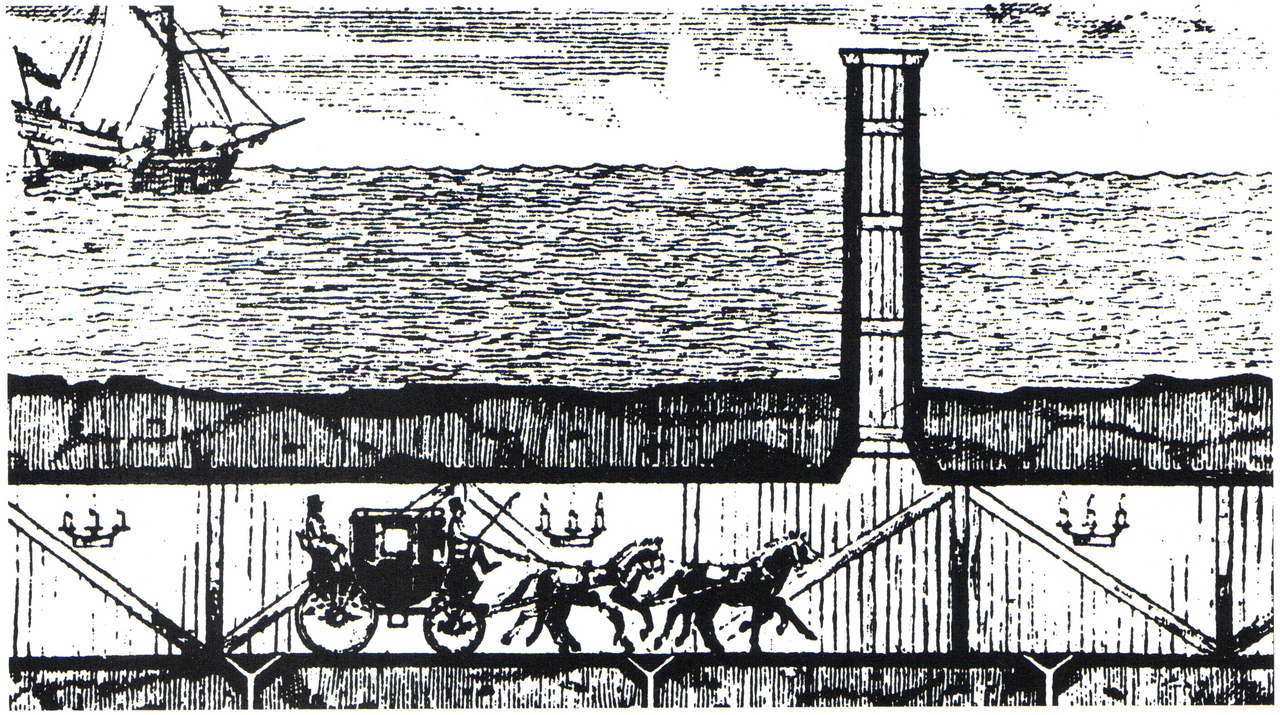
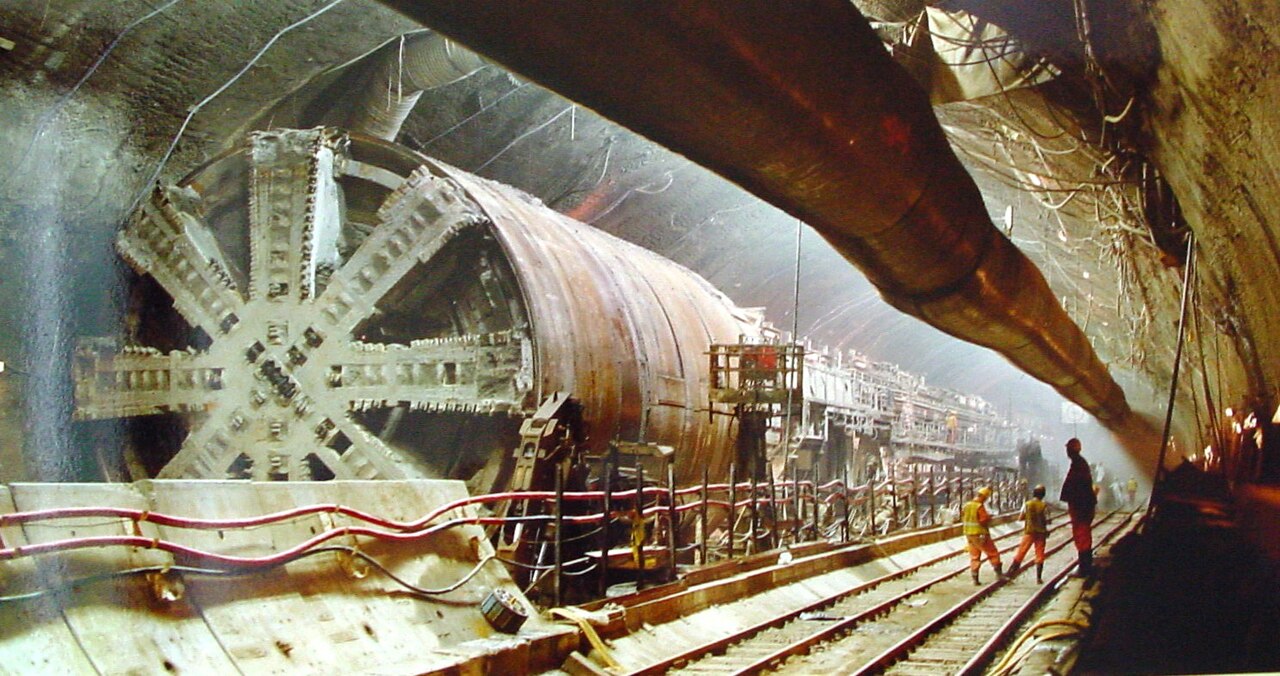
Britain and France signed the Treaty of Canterbury on 12 February 1986, and the project moved forward after that. Tunnel boring began on the British side in December 1987 and on the French side in February 1988, with tunnel boring machines working from both ends.
According to the Institution of Civil Engineers, five tunnel boring machines operated from the French side and six from the British side. Engineers excavated the service tunnel first, which let them establish actual ground conditions before completing the two main railway tunnels.
British and French teams met beneath the Channel in the service tunnel on 1 December 1990. The two main railway tunnels were connected in May and June 1991.
Queen Elizabeth II and French President François Mitterrand officially inaugurated the Channel Tunnel on 6 May 1994. Commercial services followed later that year, with Eurostar launching its first service on 14 November 1994.
Layout of the Tunnels
The Channel Tunnel consists of three parallel tunnels. Two are railway tunnels and one is a smaller service tunnel.
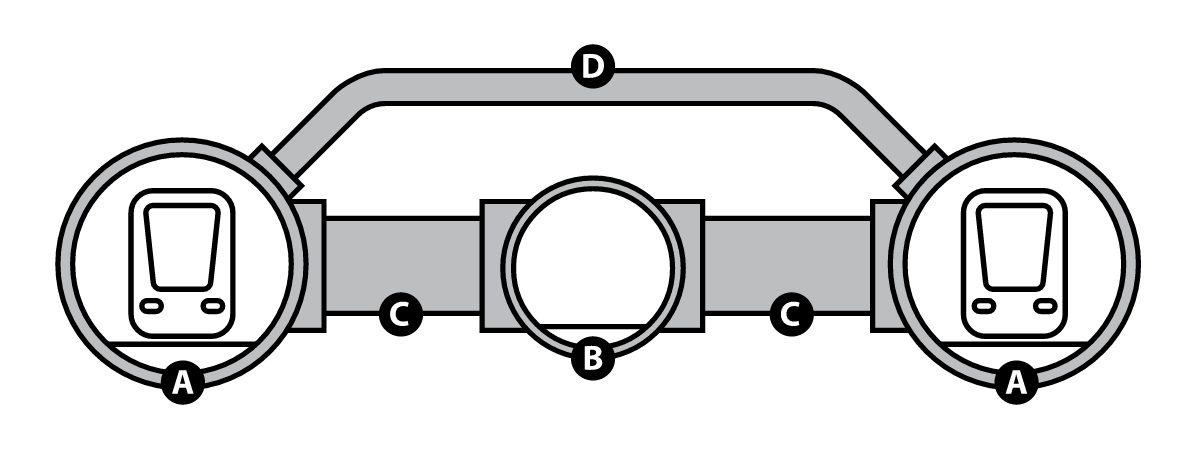
The two main tunnels carry trains in opposite directions. Under normal operating conditions, the northern tunnel handles traffic from the United Kingdom to France, and the southern tunnel carries trains in the reverse direction. Each railway tunnel has a single track.
The service tunnel sits between them and gives access to maintenance crews and emergency response teams. Cross-passages connect it to the railway tunnels at intervals of approximately 375 meters. Fire resistant doors in these passages normally remain closed, which helps protect the service tunnel from smoke and fire in an emergency.
Passengers can evacuate from the railway tunnels through the service tunnel if necessary. It also gives access to technical equipment and supports the tunnel’s ventilation system. During a fire, positive air pressure helps keep smoke out of the service tunnel, which makes it a safer route for evacuation and emergency response.
How Do People and Vehicles Cross?
Eurostar operates passenger trains connecting London with destinations on mainland Europe, including Paris, Brussels and Amsterdam. Passengers travel through the tunnel as part of longer international rail journeys.
LeShuttle, a separate service operated by Getlink, carries people traveling with their own vehicles. Drivers take their cars, vans or other eligible vehicles onto specially designed trains at the terminal, stay with their vehicles during the crossing and drive off at the destination terminal.
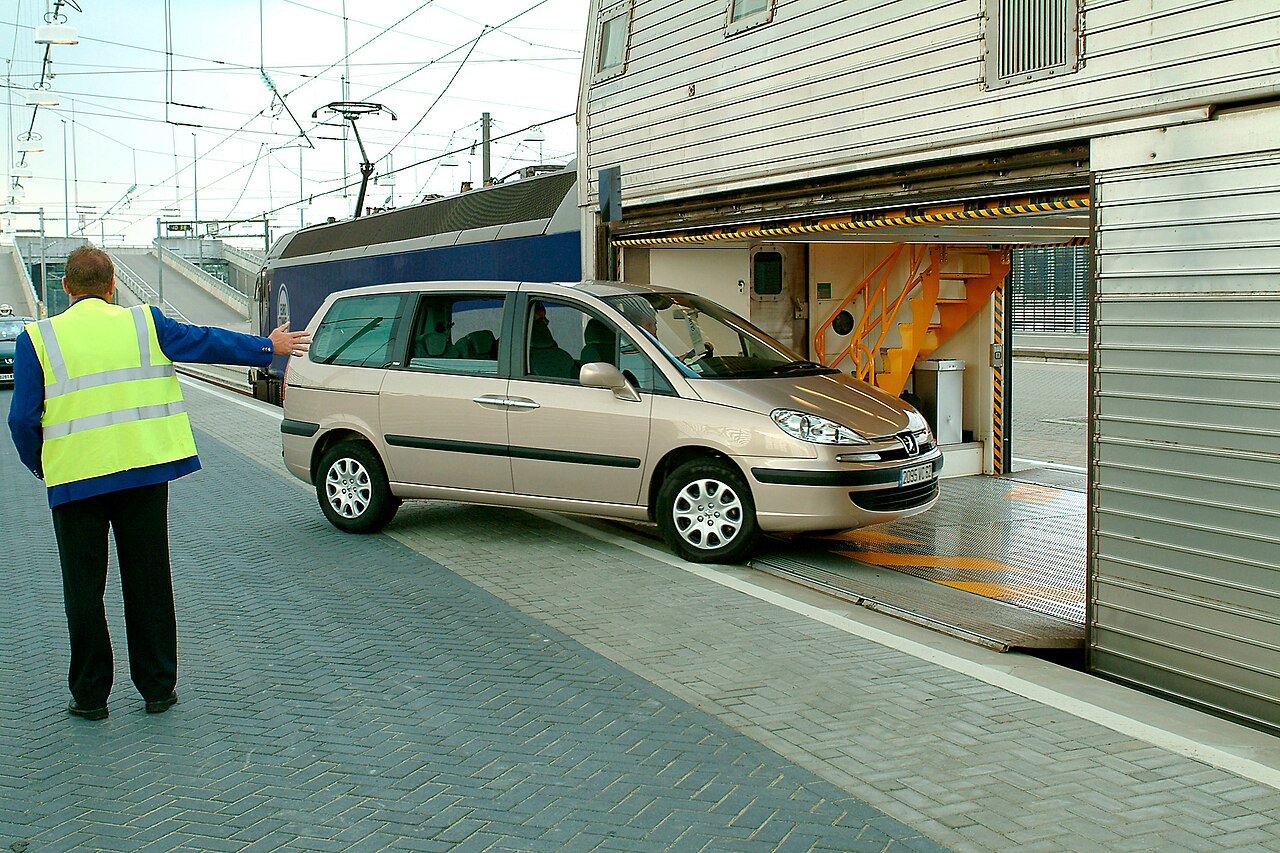
According to LeShuttle, the crossing between Folkestone and Coquelles, near Calais, takes approximately 35 minutes. Freight vehicles are carried through a separate operation called LeShuttle Freight. On these services, truck drivers travel separately from their vehicles, in dedicated passenger carriages.
People do not drive directly through the tunnel. Their vehicles are carried by trains.