Vietnam has hit a national record of 44.2°C. Cambodia's stands at 42.9°C. Singapore, usually a steady mid-30s, once posted its hottest reading in 40 years.
Then there's the other extreme. Chauk, a town in central Myanmar, reached 48.2°C during a 2024 heatwave, the country's highest ever recorded. Sa Pa, a mountain town in northern Vietnam just over 1,000 kilometers away, has dropped to -4.2°C.
A 52.4 degree spread, inside one region.
The Hottest: Chauk, Myanmar
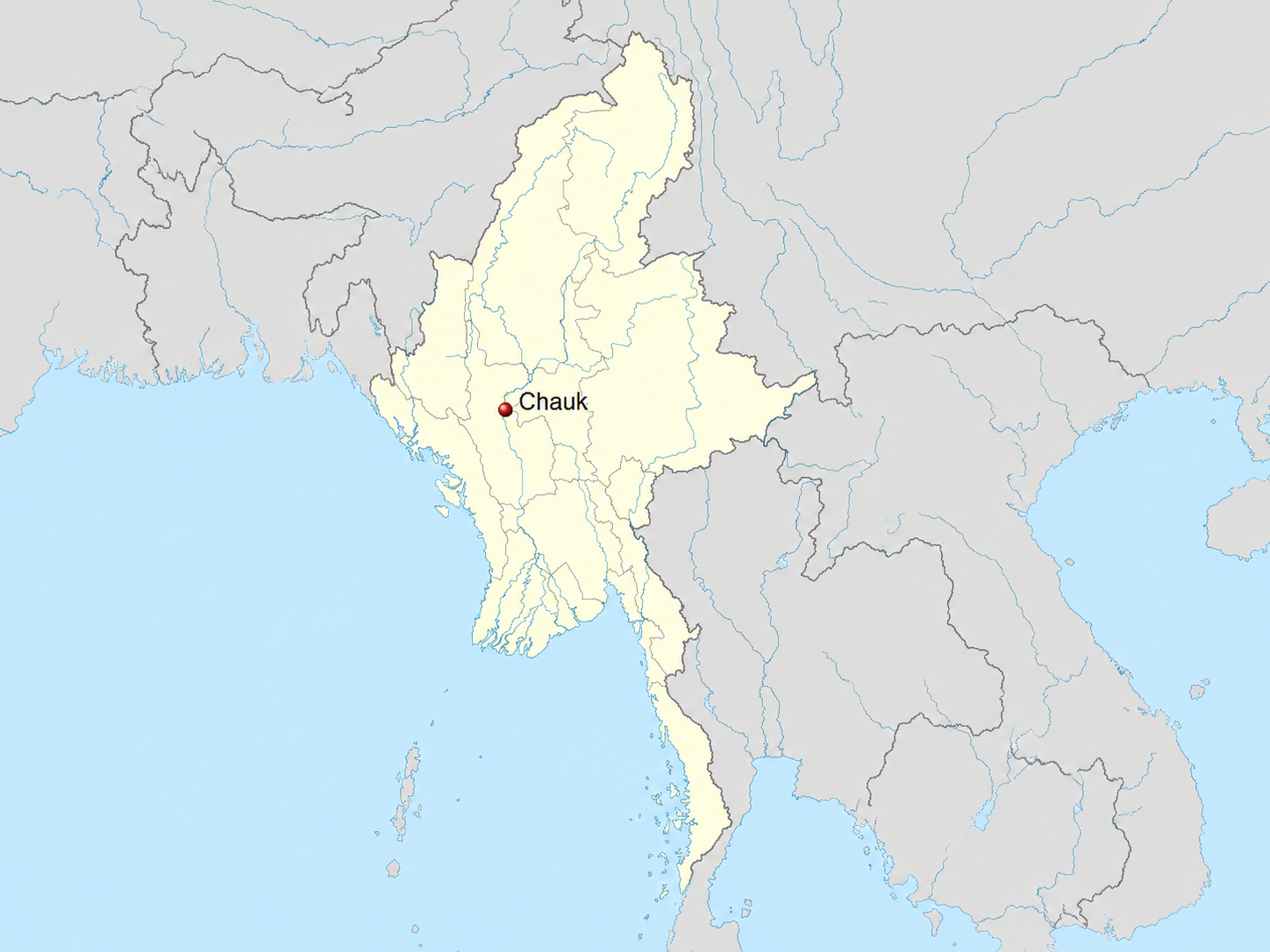
Chauk is a town and river port in Myanmar’s Magway Region, located along the Irrawaddy River in the country’s Central Dry Zone. It serves as the administrative center of Chauk District. Myanmar’s 2024 census recorded 64,691 urban residents in Chauk Township.
In April 2024, Chauk recorded 48.2°C on April 28, setting a new national temperature record for Myanmar. Myanmar’s Department of Meteorology and Hydrology reported the measurement, while the World Meteorological Organization later included the 48.2°C reading in its assessment of Asia’s extreme heat in 2024.
The heatwave was already intensifying earlier that month. Myanmar’s Department of Meteorology and Hydrology recorded 45°C in Chauk on April 4, followed by 46°C on April 5 and a new station record of 47.4°C on April 6. The previous record at the station was 47.0°C, set in 1978.
Chauk sits in central Myanmar’s Dry Zone, a predominantly lowland region characterized by high temperatures and relatively low rainfall. Magway Region’s government describes the area as hot and dry, with a year round average highest temperature of 33.7°C.
The surrounding mountains also play a role. The Arakan Mountains to the west help create a rain shadow effect, limiting the amount of moisture reaching the central lowlands. With less cloud cover and rainfall to moderate daytime heating, the region can become exceptionally hot during the pre-monsoon months of March and April.
Chauk is also relatively low lying. Climate research using observations from Myanmar's Department of Meteorology and Hydrology places its weather station at only about 61 meters above sea level.
The Coldest: Sa Pa, Vietnam
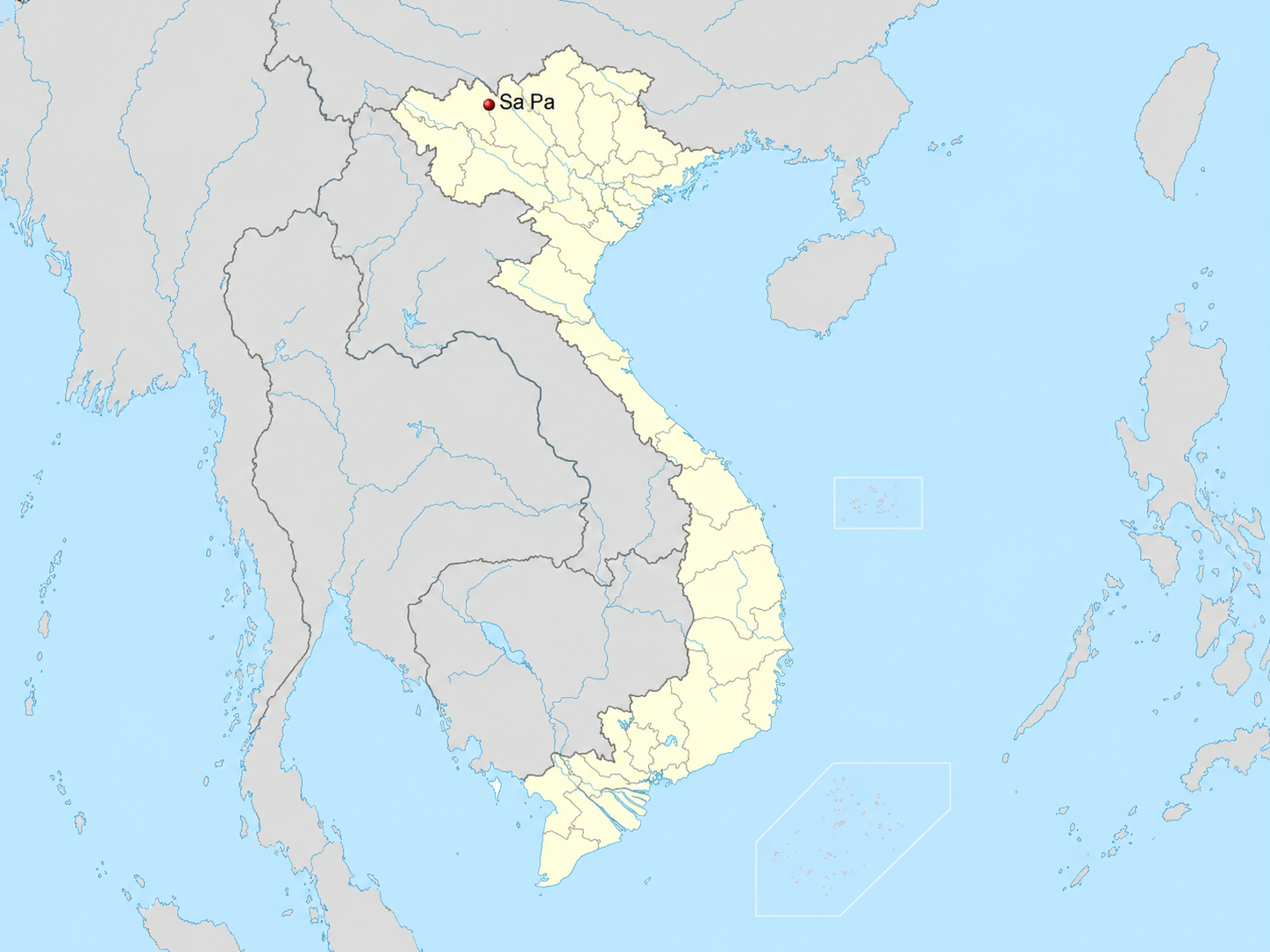
Sa Pa sits in the Hoàng Liên Sơn mountain range at around 1,500 metres above sea level. Vietnam’s official tourism authority describes the town as having a cool climate, with temperatures turning chilly from November to March. Winters can also bring frost and, on occasion, snowfall.
Sa Pa has experienced temperatures well below freezing during some of Vietnam’s most severe winter cold spells. Historical climate records put its lowest temperature at around -4.2°C during the 2015-2016 winter.
More recently, temperatures in Sa Pa fell to 4.7°C during a cold spell in January 2026, according to Vietnam’s National Center for Hydro Meteorological Forecasting. At higher elevations around Fansipan, temperatures dropped below freezing, with frost forming on the mountain.
Air temperature generally decreases as altitude increases. Sa Pa's high elevation places it far above Vietnam's lowland cities, where tropical conditions dominate. Its location in northern Vietnam also exposes it to cold winter air from the northeast.
The combination of high altitude and seasonal cold air can push temperatures well below freezing, despite Sa Pa being firmly within tropical Southeast Asia. Vietnam’s national tourism authority notes that Sa Pa becomes particularly cold from late December through March, with occasional snowfall in January.
Frost can also occur during severe cold spells, especially at higher elevations.
Chauk's low elevation, dry climate and exposure to intense pre-monsoon heat pushed it to 48.2°C. Sa Pa's elevation and northern winter climate pulled it down to -4.2°C. Same region, a difference of 52.4 degrees.