


For Indonesian exporters, reaching Russia involves more than finding a buyer. It means coordinating shipping schedules, inland transport, customs clearance and cargo handling across thousands of kilometres. These practical connections took centre stage when FESCO held its client meeting at Sari Pacific Jakarta on October 22, 2026.
The Russian transport and logistics group, managed by Rosatom, presented its services and development plans to business partners, followed by a buffet dinner and networking. The gathering connected broader bilateral ambitions with the everyday work of moving goods between markets.
Bringing Diplomacy and Business Together
Russian Ambassador to Indonesia Sergei Tolchenov officially opened the event. Dr. Anna Belokoneva, head of Rosatom’s representative office in Indonesia, delivered the keynote speech, while Aleksandr Priskoka, managing director of FESCO’s Southeast Asian subsidiary, presented the company’s logistics capabilities and regional connections.
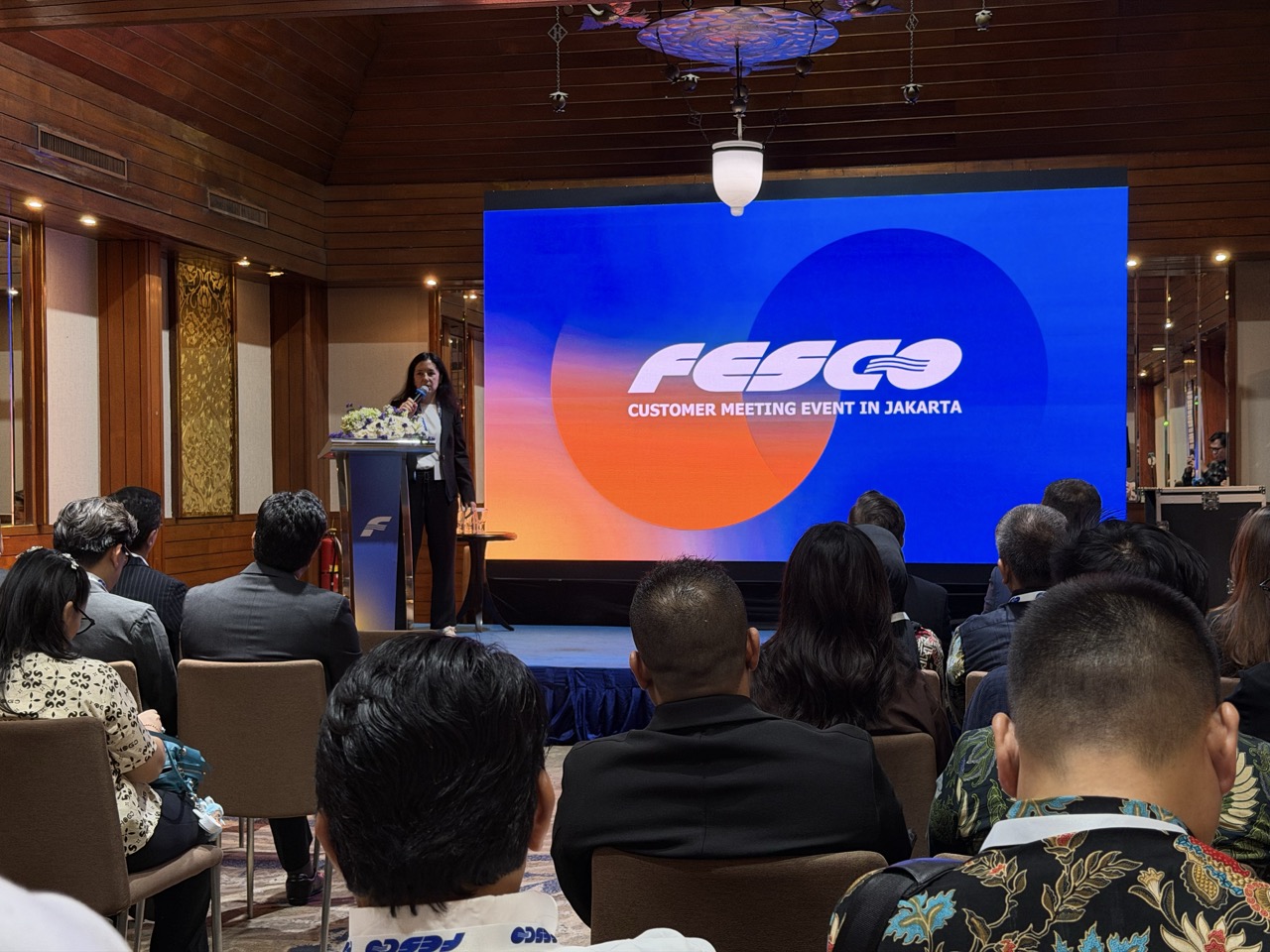
The meeting followed FESCO’s September 2 announcement establishing a commercial representative office in Jakarta. Coordinated by its subsidiary in Vietnam, the office was created to strengthen customer relationships, develop container services and expand business in Indonesia and neighbouring markets.
For local freight forwarders and exporters, that presence offered a closer point of contact for discussing cargo requirements and coordinating shipments. It also placed Indonesia more firmly within FESCO’s wider Southeast Asian network.
Turning Growing Trade into Cargo Opportunities
The commercial backdrop was substantial. Indonesia’s Coordinating Ministry for Economic Affairs reported bilateral trade of US$4.84 billion in 2025, up 21.6 percent from US$3.98 billion in 2024. Key traded commodities included palm oil, coffee, cocoa, agricultural products and fertilisers.
The complementary nature of the two economies had been highlighted by President Prabowo Subianto at the Eastern Economic Forum in Vladivostok on September 3.
“One side’s strength can answer the other side’s needs. This is the foundation of fair and durable trade,” Prabowo said, identifying opportunities across agricultural products, energy, manufacturing and consumer goods.
Business engagement also featured in discussions between Coordinating Minister Airlangga Hartarto and Russian First Deputy Prime Minister Denis Manturov on October 16. Referring to the Russian delegation’s participation in Trade Expo Indonesia, Manturov said: “Russian companies attended business-to-business (B2B) meetings with potential Indonesian partners.” His remarks, reported by ANTARA, concerned that separate trade engagement.
FESCO’s Jakarta presentation translated these opportunities into cargo categories. Indonesian products highlighted included oils, cocoa, coffee, fruit, furniture, textiles, clothing, footwear and rubber. In the opposite direction, the presentation identified metals, mineral resources, grain, medicines and medical equipment.
Connecting Indonesian Ports with Russian Cities
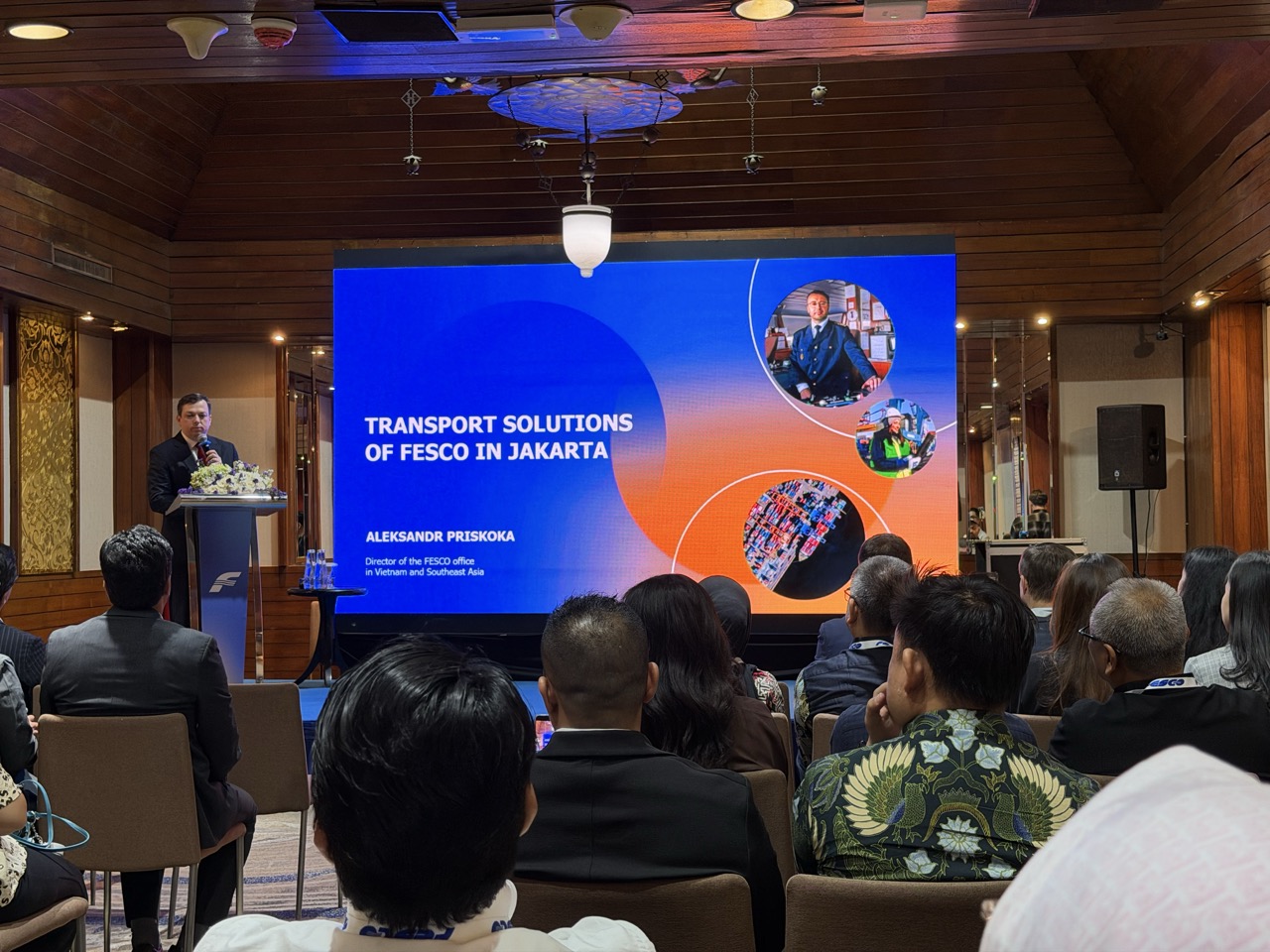
Priskoka’s presentation outlined eastern and western options linking Indonesia with Russia through Vladivostok and Saint Petersburg.
The service slide listed Jakarta, Belawan, Semarang, Surabaya, Palembang, Padang and Panjang among Indonesian origins. Advertised delivery times to Vladivostok ranged from 18 days from Jakarta to 25 days from several Sumatran ports, with weekly departures indicated.
For shipments continuing to Moscow, the presentation showed an overall delivery time of 43 days through Vladivostok, compared with 53 days through Saint Petersburg. These were company-presented service estimates, rather than guaranteed arrival times.
The distinction between an integrated service and a nonstop sailing remained important. The network combined maritime connections with inland rail and other transport arrangements. For an exporter, the relevant comparison therefore extended beyond the ocean journey to the full delivery schedule, transfer points and destination handling.
FESCO’s regional connections also included its Intra Asia Service linking Ho Chi Minh City, Port Klang, Pasir Gudang and Bangkok. Indonesia’s port operator Pelindo had previously described onward connections through Ho Chi Minh City to FESCO services serving Russia.
Matching Transport to the Product
Priskoka showed why equipment and handling could be as important as geography.
FESCO promoted tank-container transportation for palm oil, oleochemicals, glycerin and related liquid products. Available equipment included heated and food-grade tanks, with services positioned for trial consignments, smaller batches and regular shipments.
For Indonesian producers exploring new buyers, smaller consignments could provide a way to test demand before expanding volumes. Product compatibility, temperature requirements and handling arrangements would remain central to that process.
The company also presented air-freight options for electronics, spare parts, pharmaceuticals, samples and other high-value goods. Customs clearance, warehousing and labelling services formed another part of its offering.
According to Priskoka’s presentation, FESCO’s operating resources included more than 30 vessels under management, over 15,000 railway rolling-stock units and container capacity of approximately 200,000 twenty-foot equivalent units, or TEU. These assets supported its model of combining sea, rail and road transport within a coordinated service.
Building More Choices for Exporters
The Jakarta meeting took place as Indonesia and its Eurasian partners prepared for closer trade integration. The Indonesia–Eurasian Economic Union Free Trade Agreement had been signed on December 21, 2025. In his September address, Prabowo said entry into force was expected in early 2027.
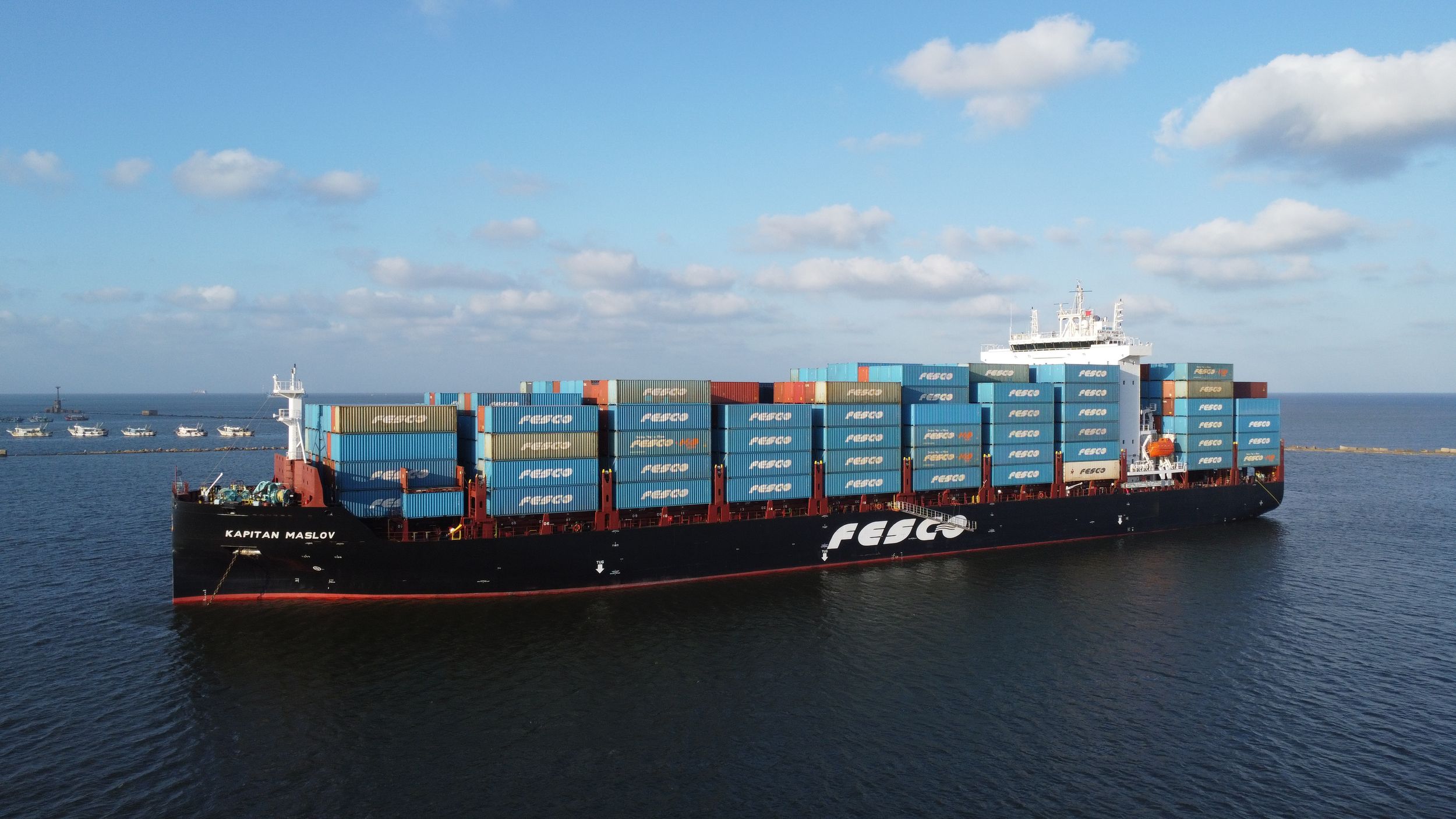
Logistics would help determine how effectively businesses could use that access. For a furniture exporter in Central Java or a coffee supplier in Sumatra, a potential overseas order still needed workable freight costs, dependable handling and clear delivery arrangements.
The eastern route through Vladivostok offered a geographically different option from shipping through the Suez corridor. Its value lay in giving businesses more routing choices; it did not remove exposure to fuel costs, congestion or other disruptions.
FESCO’s client meeting brought those decisions into a direct conversation with Indonesian businesses. Its longer-term significance would depend on whether new connections translated into reliable shipments, repeat orders and stronger commercial relationships between Indonesia and Russia.


