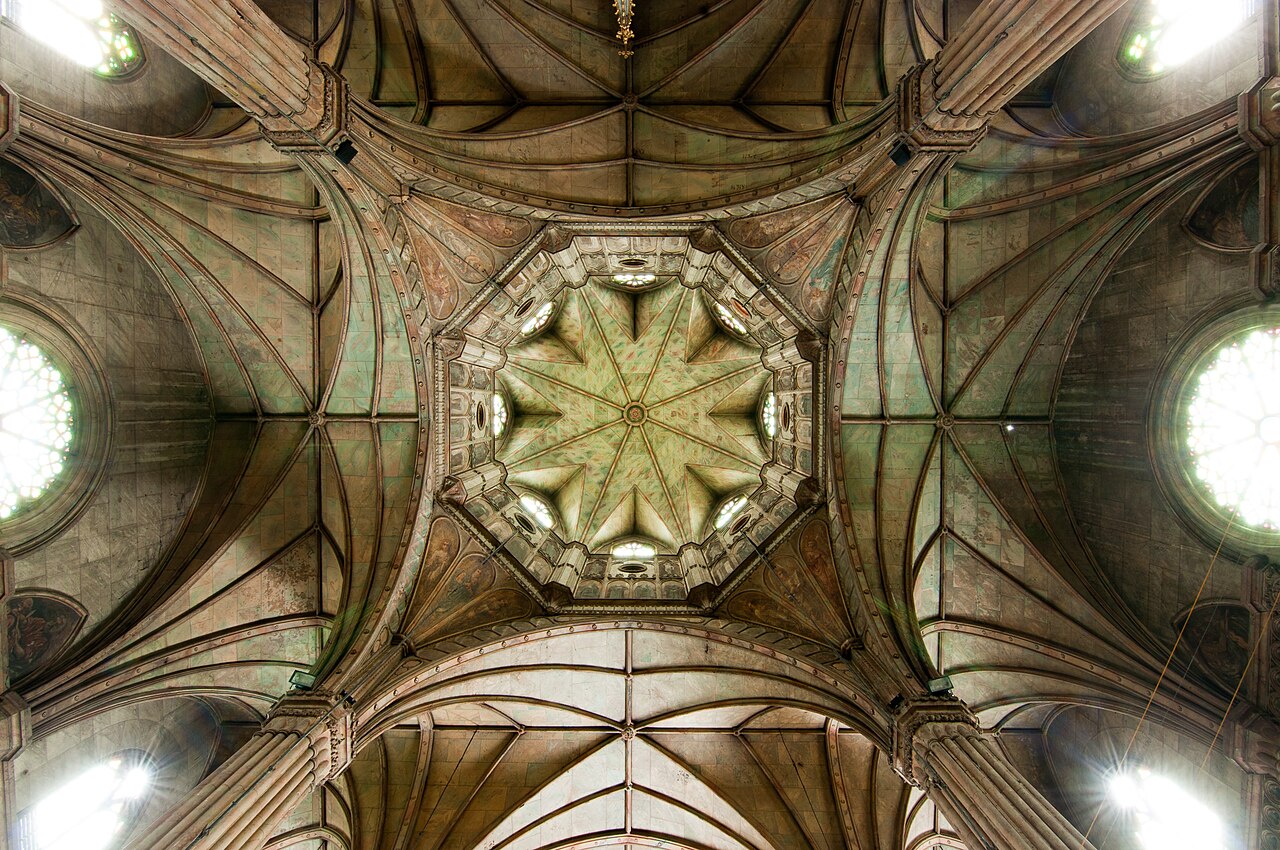
A church in Manila, Philippines, looks like a traditional Gothic cathedral, but its structure is made of steel.
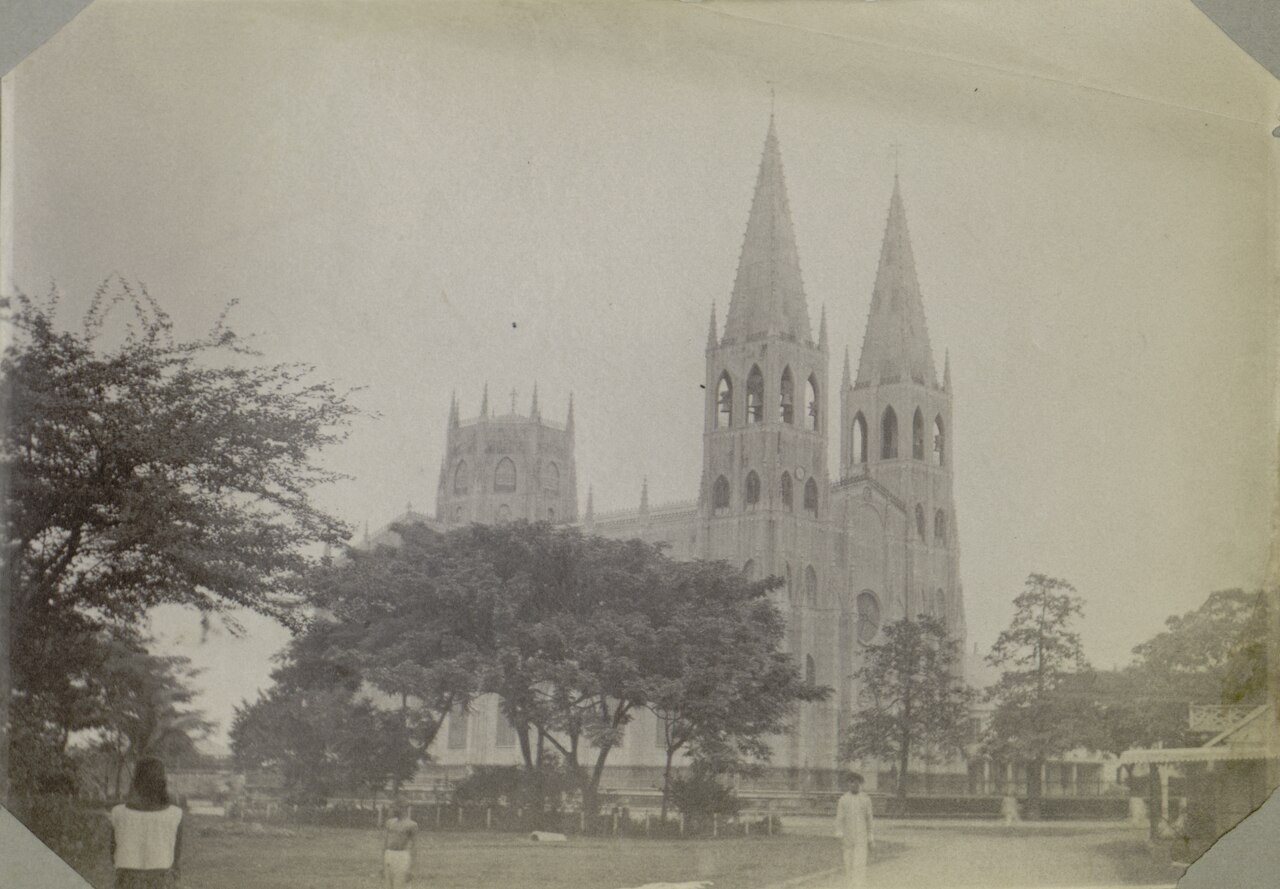
The Minor Basilica and Parish of Saint Sebastian, commonly known as San Sebastian Church or San Sebastian Basilica, is located in Manila’s Quiapo district. Also known as the Shrine of Our Lady of Mount Carmel of Saint Sebastian, it was completed in 1891 after earthquakes repeatedly destroyed earlier churches on the site.
After several churches on the site were destroyed by earthquakes, the builders constructed the new church using a metal frame made in Europe and assembled in the Philippines.
More than a century later, the basilica still stands as the work of Belgian engineers, German glassmakers, and Filipino craftsmen.
Why Build a Church From Steel?
Earthquakes destroyed the earlier churches on the site in 1859, 1863, and 1880, according to the National Historical Commission of the Philippines (NHCP).
A steel basilica was proposed in 1881, the World Monuments Fund (WMF) notes, to withstand future earthquakes. The Augustinian Recollects, whose order has historical ties to the basilica, say the choice of metal also aimed to reduce the risks of fire and termite damage.
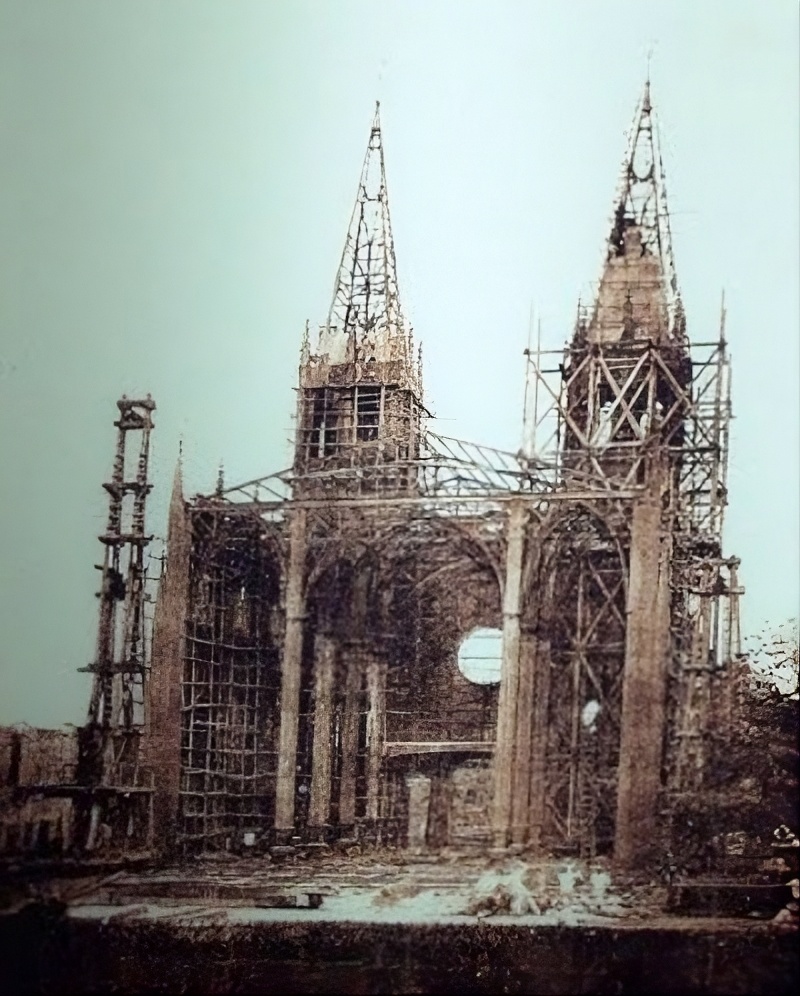
The task of designing it went to Genaro Palacios, director of public works under the Spanish colonial government. The Augustinian Recollects, whose order has historical ties to the basilica, describe the result as built entirely of steel. Palacios’s framework carried pointed arches, tall spires, and other Neo-Gothic features.
The NHCP’s historical marker records that the church was solemnly blessed on August 16, 1891. WMF describes it as the only all-steel church in East Asia.
Belgian Steel, Manila Assembly
The basilica’s structural metal was made overseas. According to WMF, it was manufactured in Binche, Belgium, in 1886 and shipped to Manila for assembly. WMF records the amount at 1,527 tons of steel, though other accounts give different figures and the exact tonnage remains uncertain.
Belgian engineers and Filipino craftsmen both contributed to the construction of San Sebastian Basilica. NHCP credits Belgian engineers with erecting the metal structure, while the WMF states that local craftsmen assembled it over two years.
According to the Augustinian Recollects, two technicians from the Belgian company supervised the assembly under English engineer John H. Foreman.
According to WMF, all 34 stained glass windows were imported from the Henri Oidtmann Company in Germany. The most ornate depict scenes from the Joyful and Sorrowful Mysteries of the Rosary.
Marble Painted Over Metal
The interior was designed by the school of Lorenzo Rocha. Its walls, columns, and decorative surfaces are painted to imitate marble and jasper, a technique known as faux finishing that gives the metal the look of natural stone.
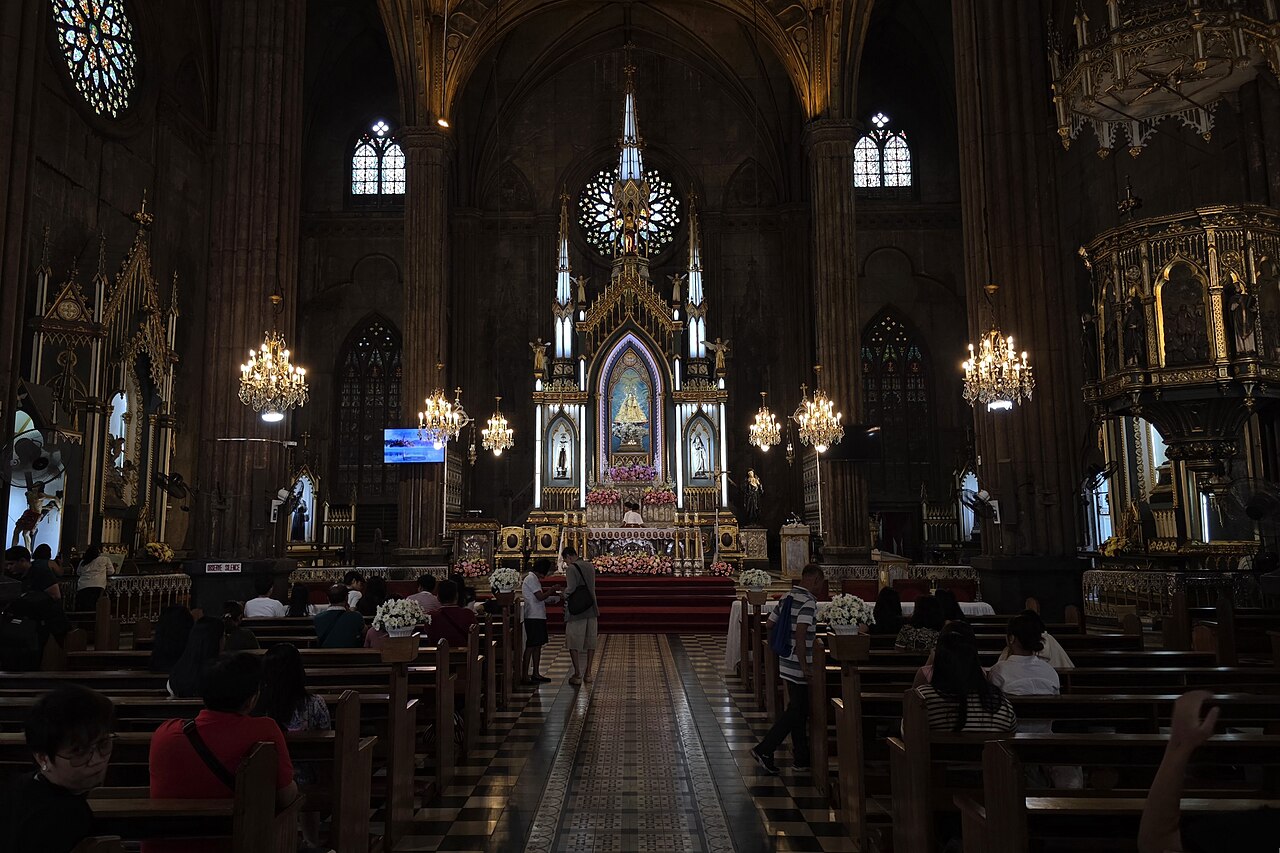
Trompe-l’œil paintings add to the effect, using optical illusions to make flat surfaces appear three-dimensional. The decorations include painted saints, angels, medallions, and coats of arms.
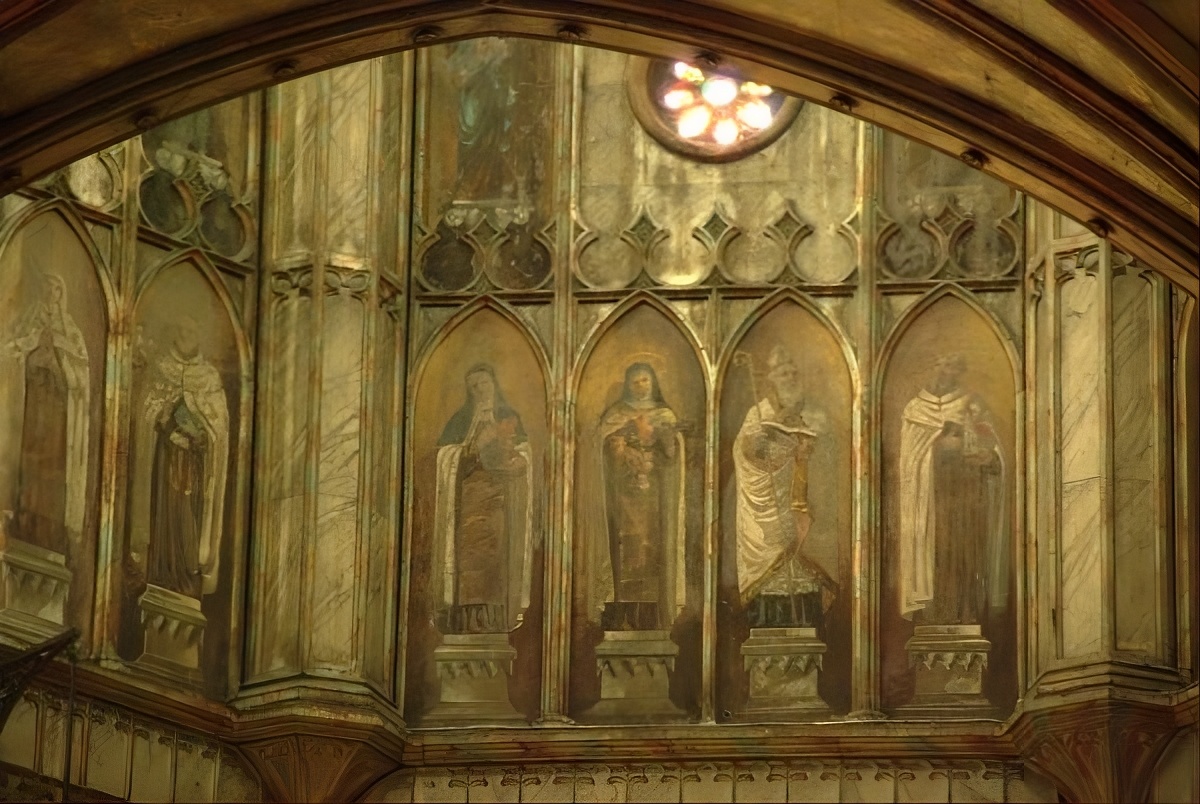
Moisture affects both the frame and the paint. Water infiltration, humidity, and salt carried through the air from nearby Manila Bay corrode the metal components, and the same moisture contributes to the deterioration of the painted decorations.
WMF documented conservation work that included repairing steel corrosion caused by these conditions. The basilica was included on the World Monuments Watch in 1998 because of structural threats and decorative losses, and again in 2010 because certain threats persisted.
More than 130 years after its completion, San Sebastian Basilica remains both a place of worship and a historic landmark.