


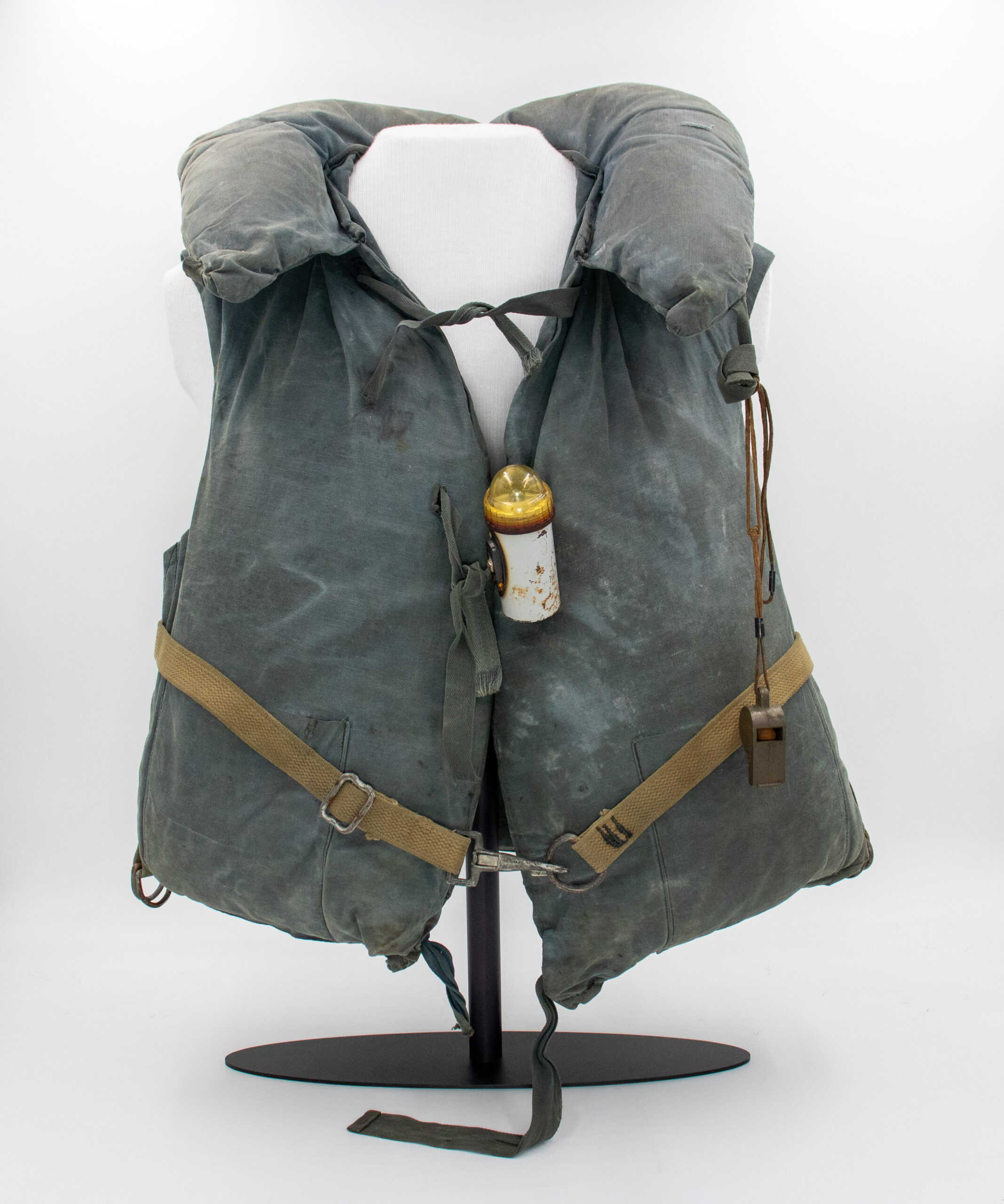
Before World War II, nearly 95 per cent of the kapok imported by the United States came from the Dutch East Indies. The fibres produced by kapok trees in Java were used to fill life jackets for the US Navy.
However, the war disrupted global trade routes. By late 1941, Japan's expansion across the Pacific had cut off America's access to the Dutch East Indies, one of its largest kapok suppliers.
How Java's Kapok Reached Global Markets
Kapok comes from the Ceiba pentandra tree. According to a 2023 study published in the Jurnal Artefak, the species originally came from tropical regions of the Americas before spreading to Africa and Asia. In the Dutch East Indies, kapok trees were widely cultivated, and their fibres became an important export commodity.
Kapok exports from Java grew rapidly towards the end of the 19th century. Official Javanese statistics cited in the study show that exports to the United States, Europe, and Australia rose from 1.8 million kilograms in 1897 to more than 8.3 million kilograms in 1907.
In 1914, Semarang Port alone shipped around 86,500 pikul of kapok out of a total production of approximately 150,000 pikul across Java and Madura.
Java later became one of the world's leading kapok suppliers. At its peak around 1936–1937, its production was estimated to account for 80–90 per cent of global kapok demand.
The main growing areas were in the Muria Mountains of Central Java, particularly Kudus, Pati, and Jepara. Kapok fibres were also shipped to Japan through Surabaya, where they were used as filling for military winter clothing.
What made kapok so valuable? Its fibres are lightweight, trap air, and do not readily absorb water.
These properties made kapok ideal for filling life jackets. The colonial government even introduced regulations in 1930 to prevent kapok from being mixed with other filling materials, followed by the Kapok Export Regulation in 1935.
When War Cut Off Java's Kapok Supply
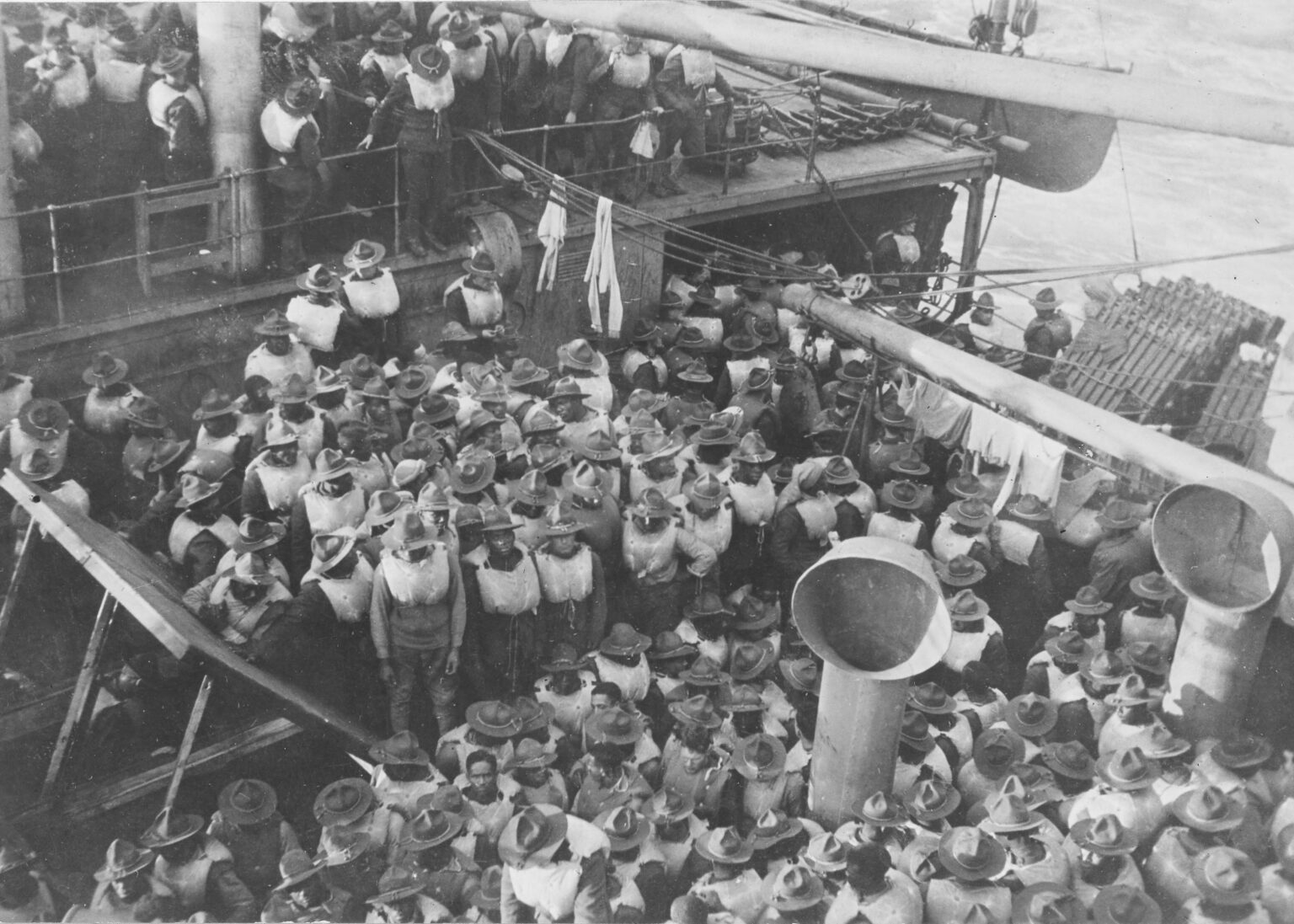
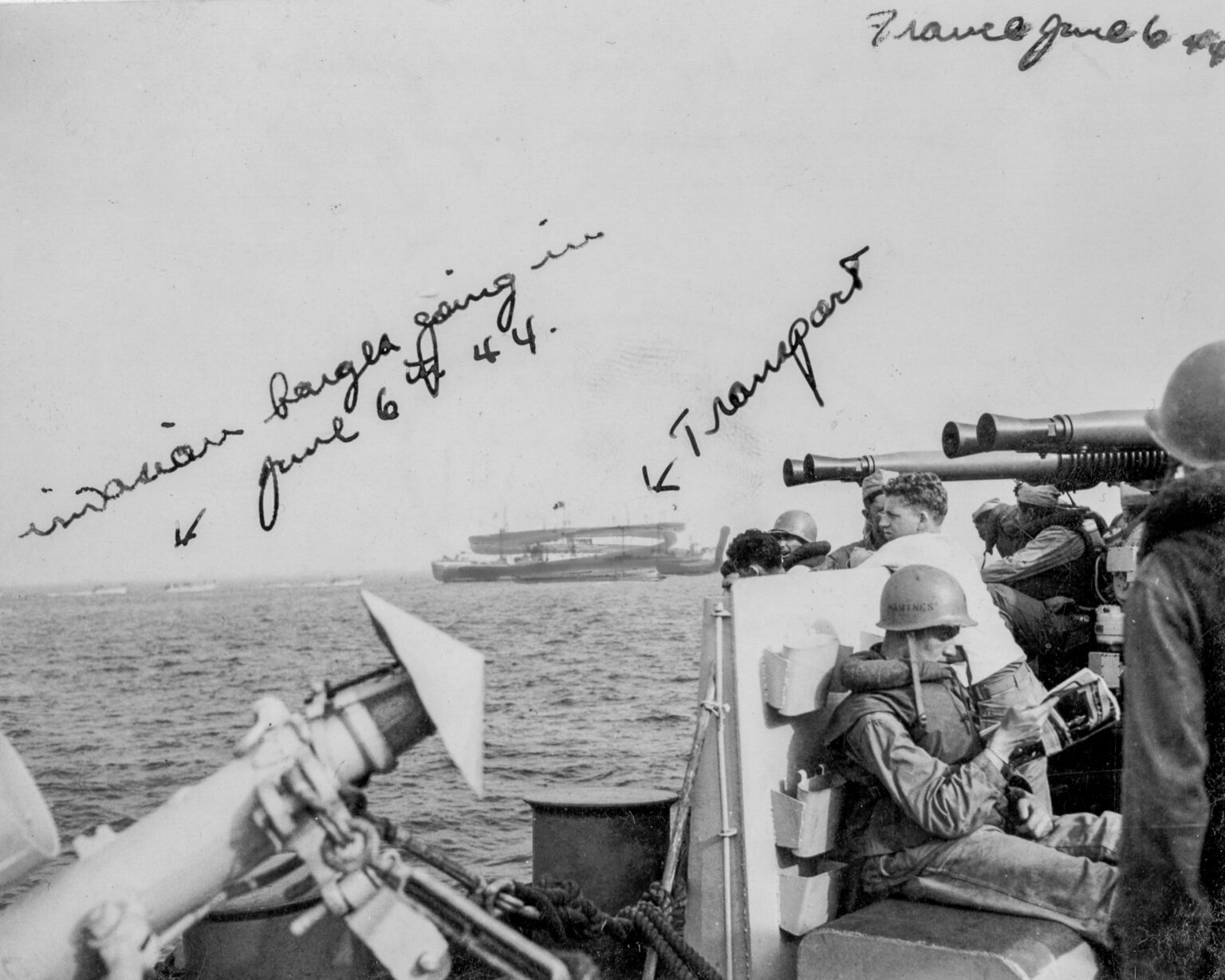
The US Navy had been using kapok to fill life jackets since 1915. When World War II broke out, these jackets became standard equipment for its personnel.
Demand for kapok then rose sharply. In 1939, the Navy needed around 75,000 pounds of the fibre. By 1943, that figure had climbed to nearly 4 million pounds, reaching almost 7 million pounds in 1945.
This surge in demand was documented in the October 1946 edition of U.S. Naval Institute Proceedings. In June 1941, the United States authorised its first purchase of 2,000 long tons of kapok from Java. The amount was later increased to 5,000 long tons in January 1942.
The problem was that Japan was expanding its occupation across Southeast Asia at the same time. When the Dutch East Indies fell under Japanese control, the United States lost access to its main kapok supplier. The government had to rely on existing stocks while searching for other sources of fibre to meet military demand.
The United States authorised the procurement of a total of 16,980,000 pounds of fibre from domestic and foreign stocks. The Navy also secured an additional 1,752,189 pounds of Javanese kapok for its special reserves.
The government subsequently issued Order M-85, restricting the use of Javanese kapok in life jackets until the end of the war. The measure reflected just how important the fibre supply was to the safety of American servicemen.
Schoolchildren and the Milkweed Harvest
With kapok becoming difficult to obtain, the US Navy began searching for alternatives. It tested nearly 40 natural and synthetic materials, including milkweed, waxed cotton, cattail fibre, and fibreglass.
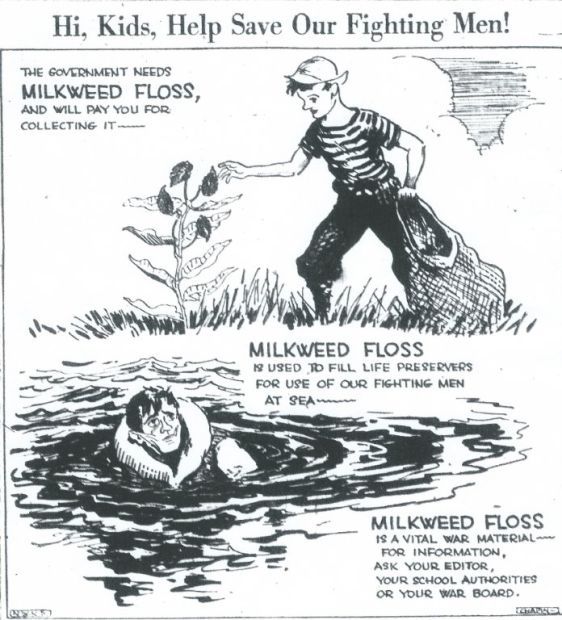
One promising candidate was milkweed, a wild plant that produces pods containing lightweight fibres. In some tests, one pound of milkweed fibre was reported to keep an adult afloat for more than 40 hours.
The US government then established a system to collect and process milkweed. In 1942, it took over a former lumber company in Petoskey, Michigan, turning it into the programme's only milkweed processing plant.
The operation was run by War Hemp Industries, part of the Commodity Credit Corporation under the US Department of Agriculture.
Schoolchildren were also recruited to collect milkweed pods. They received 15–20 cents for every bag they gathered.
The campaign carried the slogan Two Bags Save One Life, as two bags of pods were needed to produce enough fibre for one life jacket. The government aimed to collect 2 million pounds of mature pods to make 100,000 jackets.
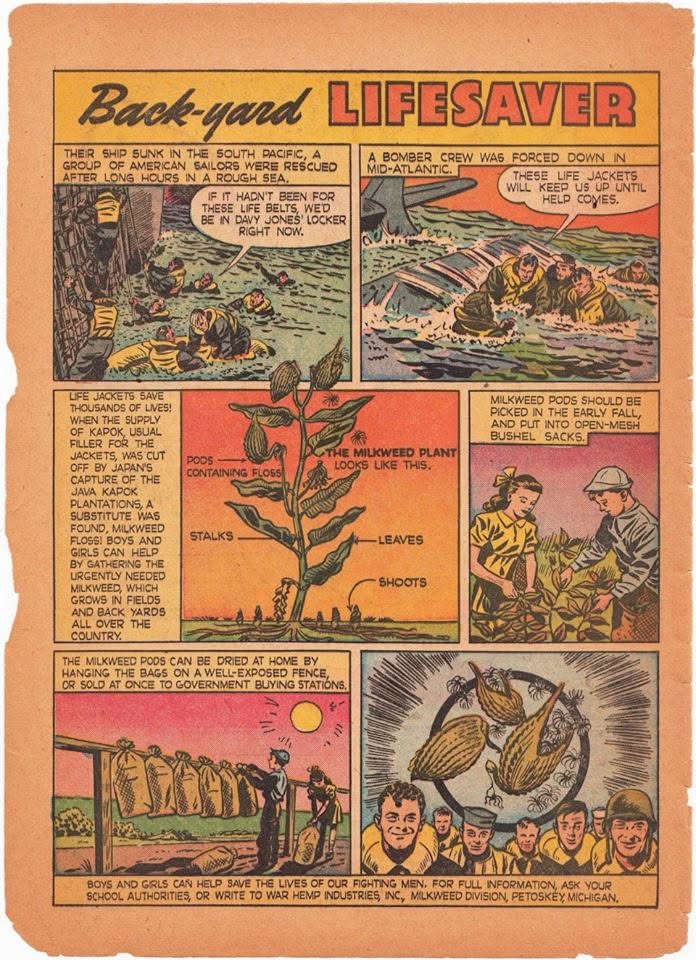
In 1943, the Navy ordered 1.5 million pounds of milkweed fibre, while more than 12 million pounds of pods were reportedly collected.
Despite the large harvest, milkweed could not fully replace kapok. A 1946 report in Proceedings explained that the pods were collected from wild plants across different regions.
As a result, fibre quality varied, and its buoyancy did not always match the results of earlier tests. The Battleship Texas website also notes that milkweed, waxed cotton, and cattail were never used on a large scale.
Eventually, fibreglass became one of the materials used to replace kapok in Navy life jackets.
After Java's Kapok Lost Its Market
Once kapok supplies recovered, the US military stopped using milkweed for life jackets. As technology advanced, synthetic materials such as fibreglass became more widely used. Kapok gradually lost its place in American naval equipment.
In Java, however, the kapok industry continued for several decades after the war. Kapok production even reached around 80,000 tonnes in the 1990s. But exports continued to decline, falling to approximately 1,500 tonnes a year by 2012.
The decline was driven by changes in farmers' choices and market demand. Some farmers switched to cassava and other secondary crops because they could generate income more quickly.
Many kapok trees were also cut down for building materials, while the trees could only be harvested once a year. At the same time, demand for kapok used in mattresses began to fall in the 2000s.
From plantations in Java to American soldiers' life jackets, kapok was once a commodity that connected Indonesia to the needs of the wider world. But wartime disruptions to trade and the emergence of new materials gradually brought its golden age to an end.


