

Universal Health Coverage (UHC) plays a pivotal role in ensuring equitable access to healthcare services without imposing financial burdens on individuals. As nations worldwide strive toward this essential goal, several Asian countries stand out for their advancements in providing this vital safety net.
Asia's Leaders in UHC
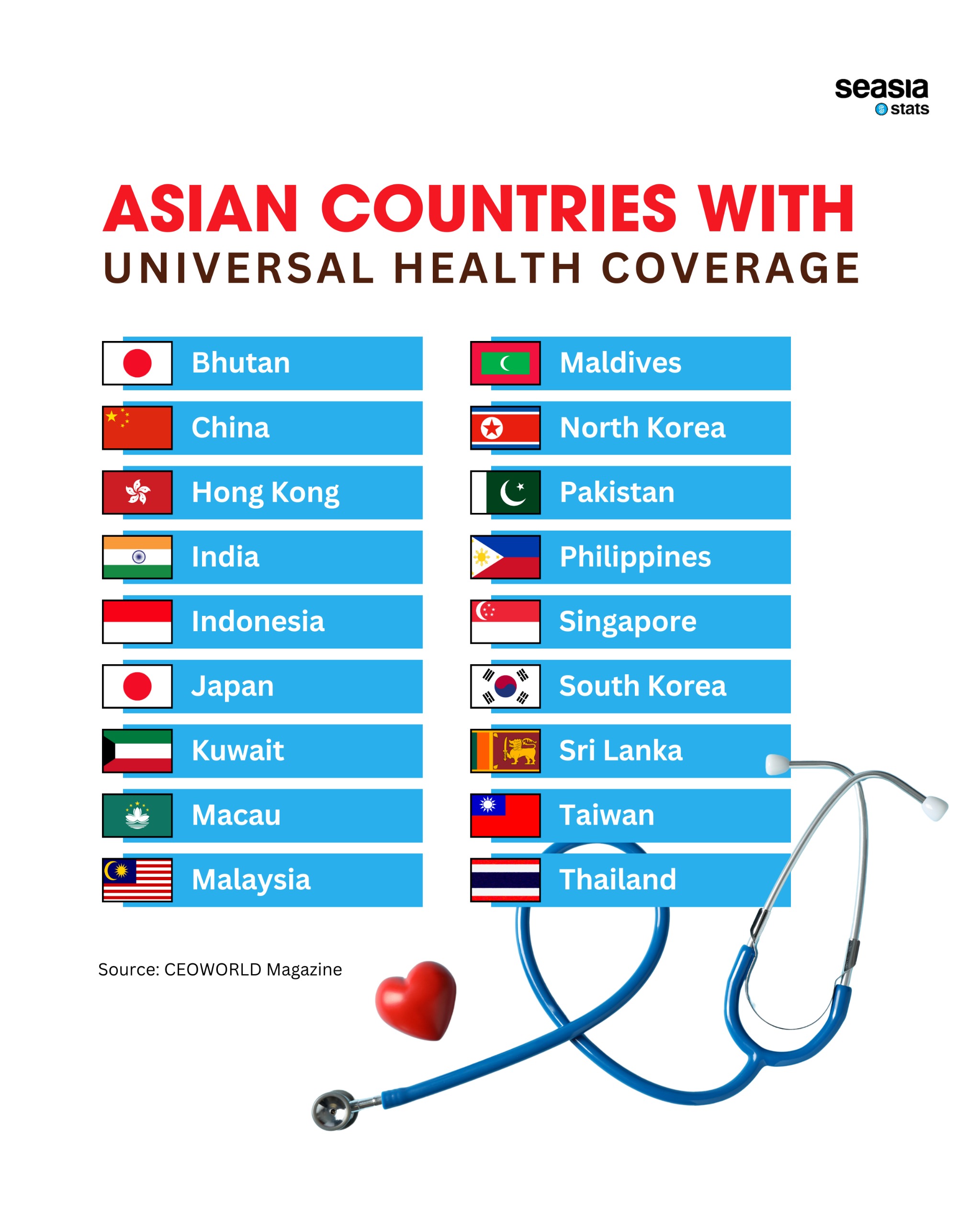
Data from CEOWORLD Magazine highlights Asian nations making significant strides in UHC implementation. These countries include:
- East Asia: China, Hong Kong, Japan, South Korea, and Taiwan.
- South Asia: Bhutan, India, Maldives, Pakistan, and Sri Lanka.
- Southeast Asia: Indonesia, Malaysia, the Philippines, Singapore, and Thailand.
- Other regions: Kuwait, Macau, and North Korea.
Each of these nations has tailored systems and policies to address their unique health challenges, aiming to deliver accessible, affordable, and quality healthcare.
For example:
- Japan: Known for its comprehensive healthcare model, Japan ensures universal access through mandatory insurance and government subsidies.
- Thailand: The "30 Baht Health Scheme" has been instrumental in providing affordable healthcare for its population.
- Singapore: A hybrid system combines individual responsibility with state support to deliver efficient and high-quality healthcare.
The Global Perspective
Globally, 73 countries have achieved UHC, covering approximately 69% of the world’s population. This marks significant progress but underscores the disparities that persist, especially in low-income and conflict-affected regions.
Achieving UHC is particularly vital as the world contends with:
- Ongoing pandemics and emerging health threats.
- Health inequities exacerbated by socioeconomic disparities.
- Financial barriers preventing access to essential care for many populations.
Challenges and the Path Ahead
While the progress in UHC is commendable, hurdles remain, including:
- Financial sustainability: Balancing costs while maintaining quality and accessibility.
- Equitable access: Bridging the urban-rural divide in healthcare services.
- Human resources: Addressing shortages of skilled healthcare professionals in underserved areas.
Nations must prioritize:
- Strengthening primary care: Ensuring accessibility in all regions.
- Investing in technology: Leveraging telemedicine and digital health innovations.
- Collaborative approaches: Sharing best practices across borders to build resilient health systems.
Conclusion
Universal Health Coverage is more than just a health initiative—it is a foundation for societal well-being and economic stability. As Asian countries continue to lead by example, their experiences offer valuable lessons for nations still striving to achieve UHC. A collective commitment to this goal will pave the way for a healthier, more equitable world.


