

Across Asia’s vast cultural landscape, legendary birds soar not just through myth but through the identities of nations themselves. From celestial phoenixes to divine eagle-kings, these mythical creatures embody power, protection, and spiritual balance—bridging heaven and earth while reflecting the hopes, fears, and values of the societies that imagined them.
Symbols of Power, Protection, and Rebirth
In Asian mythology, sacred birds are far more than fantastical beings—they are emblems of authority, wisdom, and renewal. Many traditions depict them as guardians of kingdoms or guides of the human soul. Their recurring symbolism—rebirth, harmony, resilience—mirrors the rhythms of nature and human life, reinforcing their role as cultural anchors across centuries.
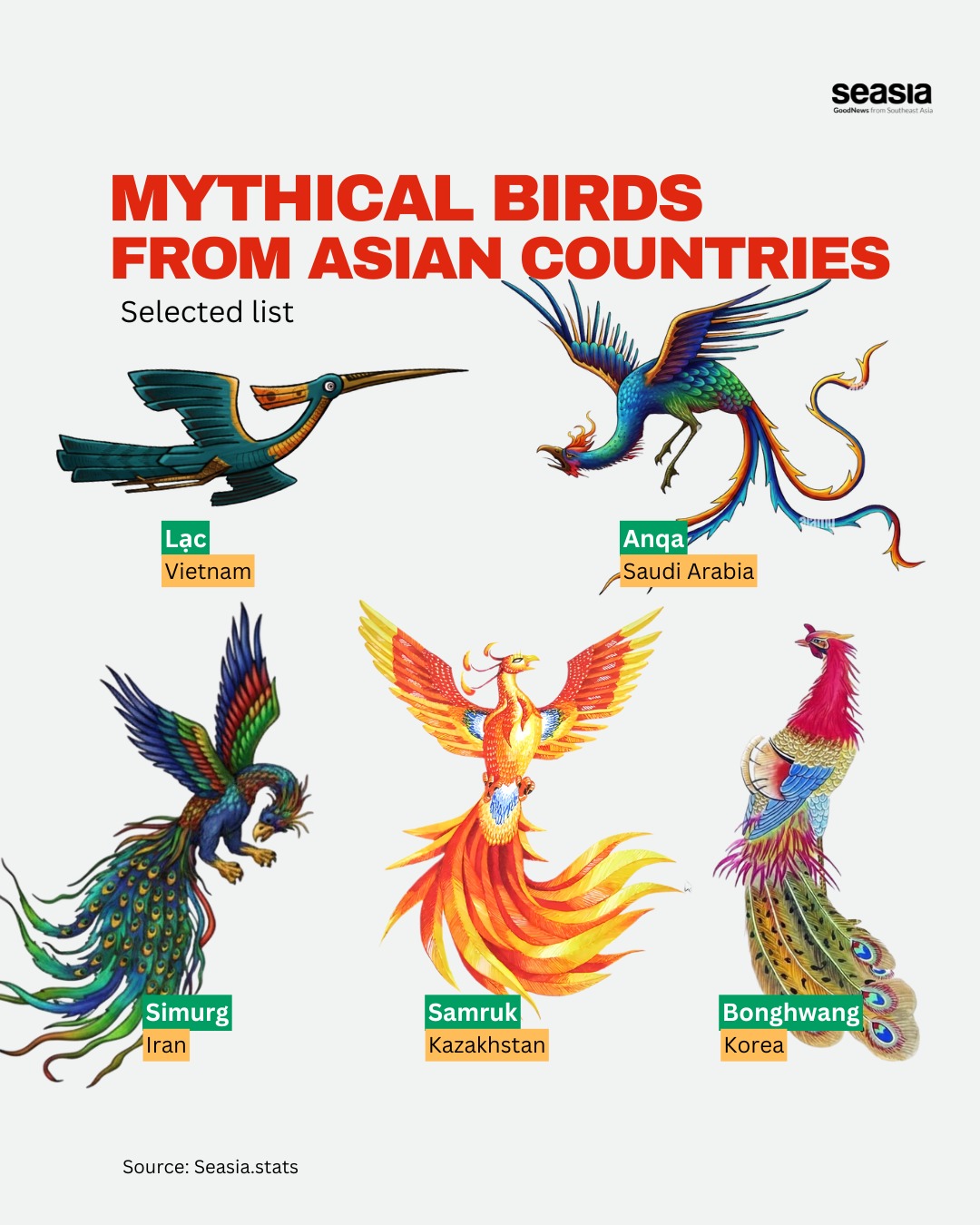
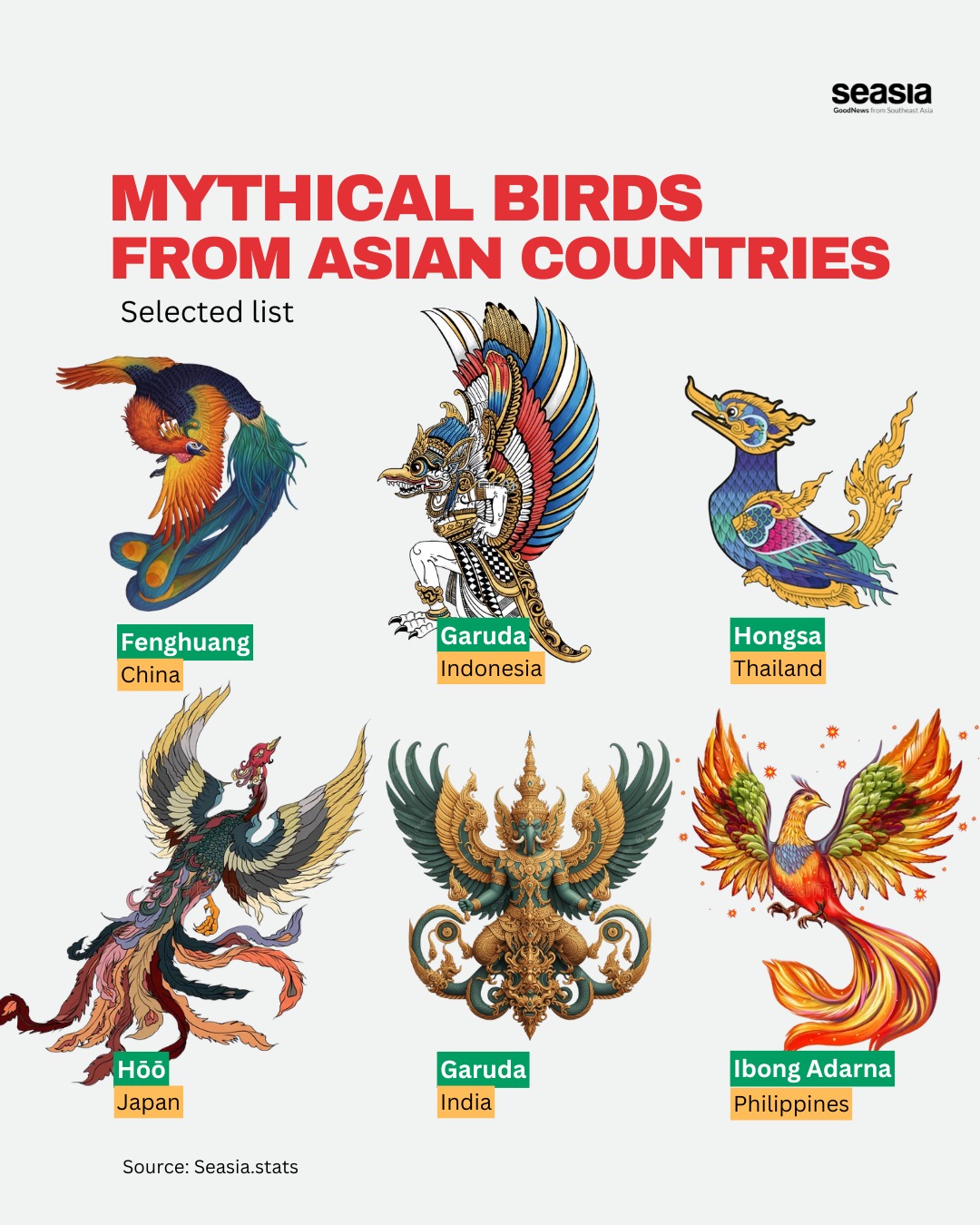
In East Asia, the archetypal celestial bird appears in the form of the Fenghuang of China and the Hōō of Japan. These phoenix-like creatures symbolize balance between yin and yang and appear only in times of peace and prosperity. Their elaborate forms—combining the features of multiple animals—represent cosmic harmony and moral virtue. Similarly, Korea’s Bonghwang is a regal symbol of authority and peace, long associated with the royal court and still present in modern national iconography.
Southeast Asia’s Sacred Guardians
Across Southeast Asia, mythical birds are closely intertwined with religion, monarchy, and folklore. In Indonesia and India, the Garuda stands as one of the most powerful divine figures. Known as the mount of Vishnu in Hindu tradition, Garuda symbolizes strength and protection. Indonesia’s national emblem, Garuda Pancasila, reflects this legacy—representing unity, courage, and the philosophical foundation of the nation.
Thailand’s Hongsa (or Hamsa), a graceful swan-like bird, is deeply connected to royal symbolism and spirituality. Its image adorns the Royal Barge Suphannahong, reflecting divine kingship and purity. Meanwhile, in the Philippines, the Ibong Adarna stands as a beloved figure in folklore. With its magical voice that can heal or petrify, it represents the hero’s journey toward wisdom and perseverance.
Other Southeast Asian traditions further enrich this mythological landscape. Vietnam’s Lạc bird, depicted on ancient Đông Sơn drums, symbolizes national resilience and ancestral heritage. In Myanmar, the Hintha bird (a variation of the Hamsa) is considered a symbol of vigilance and harmony, while in Laos, similar swan-like mythic birds appear in temple art and royal symbolism.
Sacred Birds Beyond Southeast Asia
Moving westward, the mythical bird tradition takes on new philosophical meanings. In Persian mythology, the Simurg is a nurturing and wise creature associated with healing and enlightenment. Often interpreted in Sufi mysticism as a metaphor for spiritual awakening, it reflects the soul’s journey toward divine truth.
The Arabian Anqa, in contrast, is a mysterious and distant being, said to appear only once in an age. Symbolizing the unknown and the divine unseen, it represents humanity’s longing for transcendence. In Central Asia, Kazakhstan’s Samruk embodies renewal and the eternal cycle of life, laying the golden egg of the sun each year in a mythic tree of life.
Living Symbols in a Modern World
Today, these legendary birds continue to live on—not just in stories, but in national symbols, architecture, literature, and popular culture. From Indonesia’s Garuda emblem to Korea’s Bonghwang seal and Thailand’s royal imagery, these creatures remain powerful icons of identity and pride.
In Southeast Asia especially, their presence reflects a shared cultural heritage shaped by Hindu-Buddhist cosmology, local folklore, and centuries of regional exchange. Though modern societies have evolved, the symbolism of these mythical birds still resonates—reminding us of the enduring human desire for protection, hope, and spiritual connection.
In every wingbeat of these legendary creatures lies a story—not just of myth, but of civilizations that continue to find meaning in the skies above.


